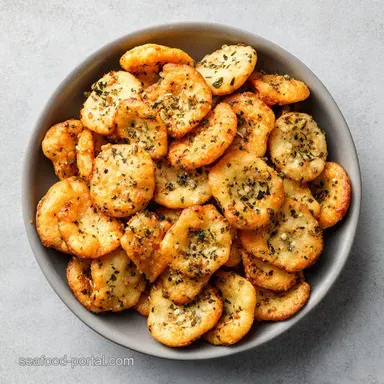
Seasoned Oyster Crackers: Crispy and Savory
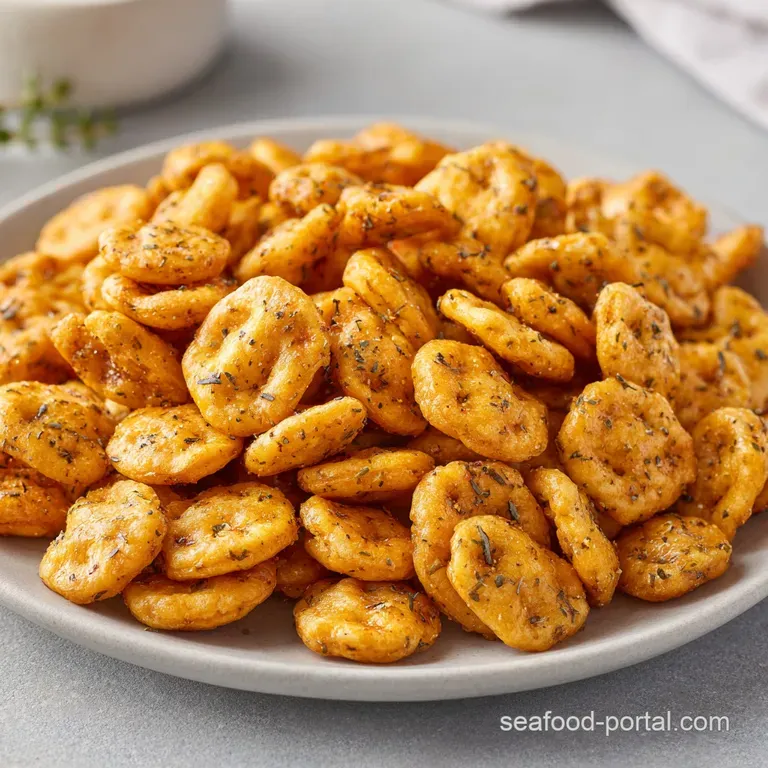
- Time:5 minutes active + 20 minutes bake = 25 minutes total
- Flavor/Texture Hook: Nutty, toasted crunch with a tangy ranch finish
- Perfect for: Game day spreads, quick appetizer bowls, or midnight snacking
Easy Savory Oyster Cracker Recipe
The smell of melted butter and smoked paprika hitting a warm oven is something you just can't ignore. It's that specific, cozy aroma that fills the whole kitchen and makes everyone in the house suddenly very interested in what's happening in the oven.
I remember the first time I tried to spice up these crackers, I just tossed everything in a bowl and hoped for the best, but they came out blotchy, with some crackers tasting like a salt mine and others tasting like... well, plain flour.
It took a bit of tinkering to realize that the order of operations is everything. You can't just throw dry spices onto a cracker and expect them to stick. You need a fat based emulsion to carry those flavors into every single nook and cranny of the cracker's surface.
Once I figured that out, these became my go to snack for literally every occasion. They have this incredible shatter when you bite into them, and the flavor is just deep and savory without being overwhelming.
Trust me on this, once you move past the plain version, there is no going back. It's the kind of snack that disappears from the bowl faster than you can refill it. Whether you're serving them alongside a seafood spread or just eating them by the handful while watching a movie, they hit that specific craving for something salty and comforting.
Let's crack on and get these in the oven.
Reasons This Snack Wins
This isn't just about adding salt to a cracker. It's about creating a coating that doesn't just sit on top but actually bonds with the cracker. Most people make the mistake of using too much heat, which burns the garlic powder and makes the whole batch taste bitter.
By keeping the temperature low, we're essentially "toasting" the fat into the cracker, which preserves the bright tang of the ranch seasoning.
It's also a brilliant way to use up those half empty spice jars in the back of the pantry. The base is simple, but the result feels like something you'd buy at a high end specialty shop.
Honestly, don't even bother with the store-bought seasoned versions; they're usually too greasy and lack that fresh, toasted smell we're going for here.
The real magic happens in the last five minutes of baking. That's when the butter stops being a liquid and starts becoming a part of the cracker's structure. You'll notice the aroma shift from "melted butter" to "toasted nuttiness," which is your signal that they're ready to come out.
The Flavor Logic
Fat Based Binding: Melted butter acts as the glue that holds the fine spice particles against the smooth surface of the cracker.
Low Temp Toasting: Baking at 250°F prevents the delicate powders from scorching while allowing moisture to evaporate for maximum crunch.
Umami Layering: The combination of Worcestershire and onion powder creates a deep, savory base that mimics a slow cooked flavor.
Acid Balance: The ranch powder introduces a slight lactic tang that cuts through the richness of the butter.
| Method | Time | Texture | Best For |
|---|---|---|---|
| Oven Bake | 20 min | Uniform, toasted | Large batches, consistent crunch |
| Stovetop | 12 min | More varied, browned | Tiny portions, extreme speed |
Ingredient Breakdown
The choice of fat is critical here. I use unsalted butter because it allows us to control the sodium levels through the ranch powder and Worcestershire sauce. If you use salted butter, the result can sometimes be too sharp.
The Worcestershire sauce is the "secret weapon" - it adds a fermented, salty depth that you can't get from dry spices alone.
Component Analysis
| Ingredient | Science Role | Pro Secret |
|---|---|---|
| Unsalted Butter | Flavor Carrier | Use a high fat European style for a velvetier mouthfeel |
| Ranch Powder | Acid/Salt Source | Look for a brand with buttermilk powder for extra tang |
| Worcestershire | Umami Depth | Whisk it into the butter before adding crackers to avoid clumps |
| Smoked Paprika | Color/Aroma | Adds a subtle "fire roasted" scent without adding heat |
Essential Pantry Ingredients
For this to work, you need to be specific with your powders. Not all garlic powders are created equal; I prefer a fine grind powder over granulated garlic to ensure the coating stays smooth and doesn't feel gritty on the tongue.
- 1 bag (10 oz) oyster crackers Why this? The small size provides a high surface area to volume ratio for seasoning
- 1/2 cup unsalted butter, melted Why this? Provides the necessary fat to bind spices
- 1 tsp Worcestershire sauce Why this? Adds essential umami and depth
- 1 tbsp ranch seasoning powder Why this? Provides the primary salty, tangy flavor profile
- 1 tsp garlic powder Why this? Adds a pungent, savory aromatic base
- 1 tsp onion powder Why this? Complements the garlic with a sweeter savory note
- 1/2 tsp smoked paprika Why this? Gives a warm color and a hint of smokiness
- 1/4 tsp black pepper Why this? Adds a subtle, sharp finish to balance the richness
| Original Ingredient | Substitute | Why It Works |
|---|---|---|
| Unsalted Butter | Ghee (melted, 1/2 cup) | Similar fat profile. Note: Lacks the milky sweetness of butter |
| Ranch Powder | Garlic Salt + Dried Dill (1 tbsp) | Mimics the basic ranch flavor. Note: Lacks the creamy tang |
| Worcestershire | Soy Sauce (1 tsp) | Similar umami and salt content. Note: Slightly more "Asian" flavor profile |
| Smoked Paprika | Regular Paprika (1/2 tsp) | Same color. Note: Loses the charred, woody aroma |
Required Kitchen Gear
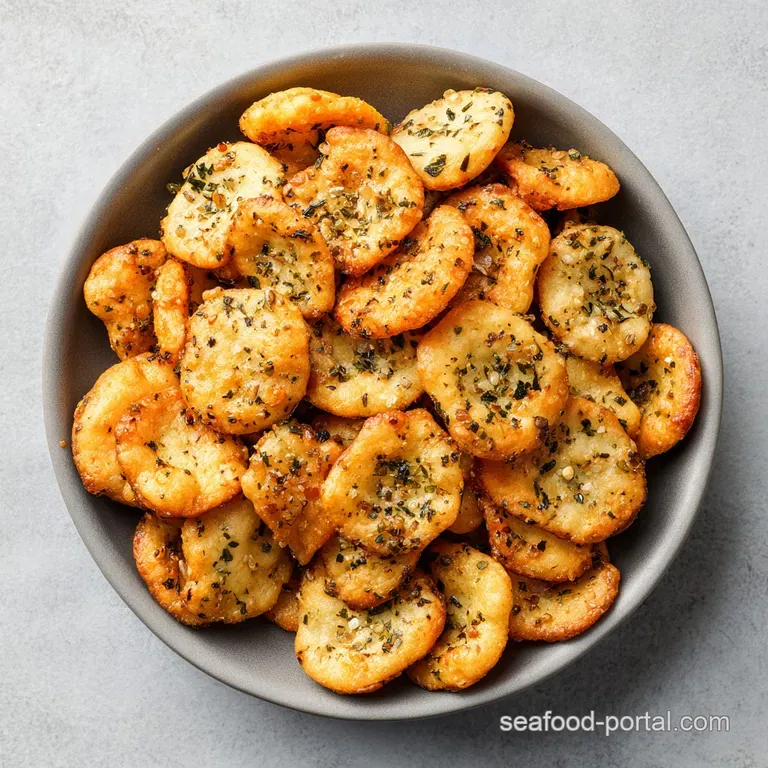
You don't need anything fancy for this, but a few specific tools make the process much cleaner. I always use a rimmed baking sheet; if you use a flat one, a rogue cracker might slide off and create a buttery mess on your oven floor.
- Large mixing bowl: Needs to be big enough to toss the crackers without them flying out.
- Whisk: Essential for creating that flavor emulsion.
- Parchment paper: This is non negotiable. Butter and spices can stick to the pan and burn, which ruins the flavor.
- Spatula: A silicone one is best for folding the crackers gently.
- Measuring spoons: Precision matters with the paprika and pepper so they don't overpower the ranch.
The Coating Process
Right then, let's get into the actual making. The goal here is a totally even coating. If you just pour the butter over the crackers, you'll end up with "naked" crackers and "soaked" crackers.
- Preheat your oven to 250°F (120°C). Note: This low heat is the secret to avoiding burnt spices
- In a large mixing bowl, combine the melted butter, Worcestershire sauce, ranch powder, garlic powder, onion powder, paprika, and pepper. Whisk vigorously until the spices are fully integrated into the fat to create a flavor emulsion.
- Pour the oyster crackers into the bowl and gently fold them into the mixture using a spatula or large spoon for about 60 seconds until every cracker is evenly coated.
- Line a rimmed baking sheet with parchment paper and spread the crackers in a single, even layer.
- Bake for 15 to 20 minutes, stirring the crackers gently at the 10 minute mark to ensure even heat distribution.
- Remove from the oven when they smell nutty and toasted. Note: Don't wait for them to "brown" or they'll be overdone
Fixing Snack Errors
The most common issue I see is "flavor pooling," where the spices settle at the bottom of the pan. This happens when you don't whisk the butter emulsion properly or if you overcrowd the pan. If the crackers are piled on top of each other, the butter just drips down instead of sticking.
Bland Spots in Batches
If you find some crackers are tasteless, it's usually because they weren't folded enough in the bowl. Make sure you're using a folding motion, not just stirring, to get the butter into every crevice.
Why Your Crackers Burnt
Overheating is the main culprit. Garlic and onion powders have a very low smoke point. If your oven runs hot, you might need to pull them out at 12 minutes.
| Problem | Root Cause | Solution |
|---|---|---|
| Greasy Texture | Too much butter or underbaked | Bake for an extra 2-3 mins to set the fat |
| Bitter Aftertaste | Oven temp too high | Lower temp to 250°F and check at 10 mins |
| Clumpy Seasoning | Didn't whisk butter first | Always emulsify spices in butter before adding crackers |
Common Mistakes Checklist
- ✓ Whisk the butter and spices until completely smooth before adding crackers
- ✓ Use parchment paper to prevent the butter from scorching on the pan
- ✓ Stir the batch exactly halfway through to prevent uneven toasting
- ✓ Remove crackers based on aroma (nutty/toasted) rather than just a timer
- ✓ Ensure crackers are in a single layer for uniform heat distribution
Flavor Twist Ideas
Once you've mastered the basic oyster cracker recipe, you can really start playing with the profile. I've found that this base is incredibly flexible. If you're feeling bold, you can swap the ranch powder for something more aggressive.
For a "Zesty Heat" version, try adding 1/2 tsp of cayenne pepper and swapping the smoked paprika for chipotle powder. It gives the crackers a slow burn that pairs brilliantly with a cool dip. If you want something more "Cheesy," stir in 2 tablespoons of finely grated Parmesan cheese during the folding stage.
The cheese will melt into the butter and create a shatter crisp crust.
For those who love a sweet and salty vibe, you can add a pinch of brown sugar to the butter mixture. It won't make them a dessert, but it adds a caramelized note that balances the salt of the ranch powder. If you're avoiding dairy, you can use melted coconut oil or a vegan butter substitute.
Just be aware that coconut oil adds its own tropical scent, which might clash with the Worcestershire sauce.
Freshness and Waste
These crackers stay surprisingly fresh if you store them correctly. The key is to let them cool completely on the baking sheet before moving them. If you put warm crackers in a jar, they'll create steam, which leads to sogginess. Once cool, toss them into an airtight glass jar or a heavy duty zip top bag.
They'll stay crispy for about 2 weeks in the pantry.
If you have a few crackers left over and they've lost their crunch, don't throw them away! You can pop them back in the oven at 250°F for about 5 minutes to "re crisp" them.
As for zero waste, if you have a little bit of the butter spice emulsion left in the bowl, don't waste it. Drizzle it over some fresh popcorn or toss it with some roasted chickpeas. It's essentially a savory compound butter that works on almost any roasted vegetable.
Smart Pairing Suggestions
Because these are so savory, they need something to cut through the richness. I love serving these in a small bowl alongside a chilled seafood platter. They provide a great textural contrast to the silky nature of fresh shellfish. For instance, they are the perfect companion to a classic mignonette sauce when you're serving oysters on the half shell.
If you're looking for a more substantial meal, these crackers make a great side for a buttery pasta or a seafood dish. I've found that they add a nice crunch to a plate of garlic shrimp scampi, almost acting like a seasoned crouton.
For a party spread, try pairing them with a cool dip like a whipped feta or a lemon herb cream cheese. The acidity in the dip balances the buttery, toasted notes of the crackers, making the whole experience feel more balanced.
Just remember to keep the crackers in a separate bowl until the last second to maintain that signature shatter.
Recipe FAQs
What is the best seasoning for oyster crackers?
Ranch seasoning and smoked paprika. This combination creates a tangy, savory profile that perfectly complements the salty base of the cracker.
What makes an oyster cracker an oyster cracker?
Their small size and dense, salty crunch. They are baked to be sturdier than standard crackers so they maintain their structure when added to liquids.
Why are oyster crackers called "oyster crackers"?
They were traditionally served with oyster stew. Their hearty texture makes them a classic pairing for seafood, similar to how they are used in classic chowders.
Are oyster crackers only a New England thing?
No, they are popular throughout the US. While they have strong roots in East Coast seafood culture, they are a common pantry staple in many regions.
How to prevent the seasonings from clumping?
Whisk the spices vigorously into the melted butter first. Creating this flavor emulsion ensures the seasoning is distributed evenly across every cracker.
How to store these for maximum crunch?
Place them in an airtight container once completely cooled. Sealing them while they are still warm creates steam, which will make the crackers soft.
Is it true that oyster crackers must be baked at high heat to get crispy?
No, this is a common misconception. Baking them at a low 250°F slowly toasts the butter and spices into the cracker for a more nuanced flavor without burning.
Oyster Cracker Recipe in 25 Minutes: Crispy and Seasoned