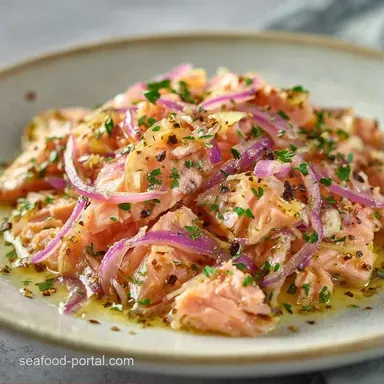
Simple Sautéed Canned Salmon: Crispy and Zesty
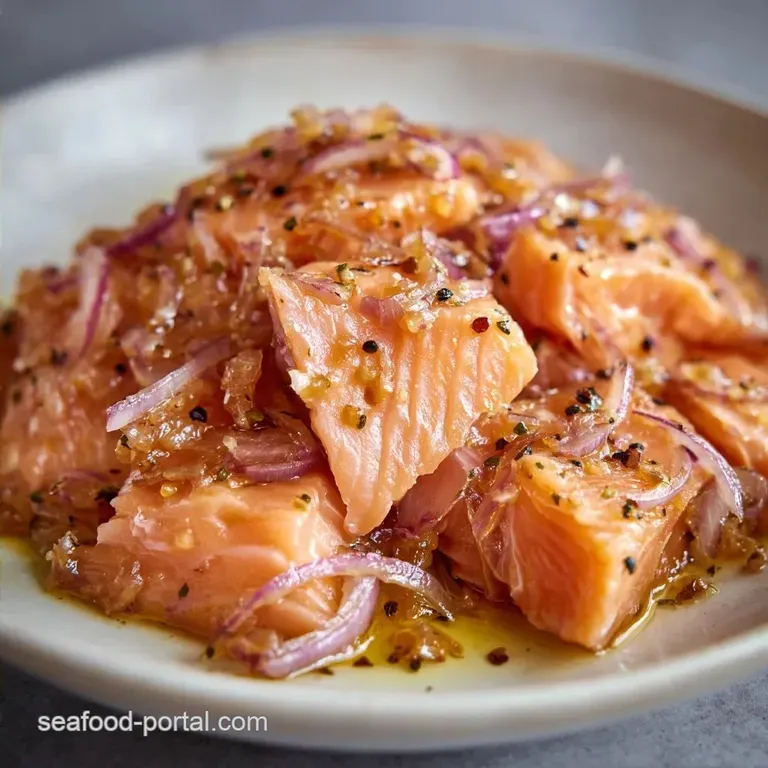
- Time: 5 min active + 10 min cook
- Flavor/Texture Hook: Crispy edges with a velvety, buttery finish
- Perfect for: A 15 minute weeknight dinner or high protein lunch
- Simple and Fast Sautéed Canned Salmon
- Why This Method Works
- Component Analysis
- The Pantry List
- Essential Kitchen Gear
- Step by Step Guide
- Fixing Common Glitches
- Troubleshooting Common Issues
- Adjusting the Batch Size
- Busting Pantry Myths
- Freshness and Storage
- Ideal Side Pairings
- Recipe FAQs
- 📝 Recipe Card
That first crackle when the salmon hits the hot butter is everything. I remember the first time I tried this, I was staring at a lonely can of fish in my pantry and thinking there was no way I could make it feel like a "real" meal.
I’d spent years thinking canned seafood was just for salads or sandwiches, but the second I saw those edges turn a deep, golden brown in the pan, I knew I was onto something.
It’s a bit like the tradition in the Pacific Northwest, where canned salmon was a lifeline during the winter months. Families didn't just eat it cold; they fried it up, mixed it into cakes, and found ways to make the preserved flavor feel fresh again.
It's about taking something humble and giving it a bit of respect with heat and acidity.
You can expect a dish that doesn't taste "canned" at all. By focusing on a hard sear and a bright finish, Sautéed Canned Salmon becomes something you'd actually be proud to serve to a guest. It’s fast, it’s honest, and it’s surprisingly rich.
Simple and Fast Sautéed Canned Salmon
Right then, let's talk about why this isn't just "heated up fish." Most people make the mistake of stirring the salmon constantly, which just turns it into a mushy mess. The trick is to let it sit.
We want that bottom layer to almost shatter when you bite into it, providing a massive contrast to the tender flakes on top.
If you're in the mood for something even more indulgent, you might like my Cream Sauce in 15m recipe, but for a Tuesday night when you have zero energy, this sauté is the way to go. It’s all about building layers: the fat from the butter, the earthiness of the shallots, and the sharp hit of lemon.
Why This Method Works
I used to wonder why some pan seared fish tasted flat while others popped. It comes down to how we handle the moisture and the heat.
- The Sear Effect: Leaving the fish undisturbed allows moisture to evaporate and the proteins to brown, creating a savory crust.
- Fat Blending: Mixing olive oil with butter gives you the high smoke point of oil and the nutty, rich flavor of butter.
- Acid Reset: Adding lemon juice at the very end cuts through the richness of the canned oil and butter.
- Aromatic Timing: Adding garlic and shallots late prevents them from burning while the salmon develops its crust.
| Feature | Fresh Salmon Fillet | Canned Salmon Shortcut | Impact |
|---|---|---|---|
| Texture | Large, flaky lobes | Small, tender chunks | Chunkier mouthfeel |
| Prep Time | Scaling and skinning | Open and drain | Much faster start |
| Flavor | Clean and mild | Concentrated and salty | Bolder, "fishier" base |
Component Analysis
Knowing what each ingredient does helps you tweak the recipe on the fly. Trust me, once you understand the roles, you can start experimenting with your own spices.
| Ingredient | Science Role | Pro Secret |
|---|---|---|
| Canned Salmon | Protein Base | Drain it until it's almost dry for a better sear |
| Unsalted Butter | Flavor/Browning | Let it stop foaming before adding fish |
| Lemon Juice | PH Balancer | Add after heat is off to keep the flavor bright |
| Smoked Paprika | Color/Depth | Toss with fish first to create a flavor "shell" |
The Pantry List
Keep it simple. Don't bother with low-fat substitutes here; the fat is what carries the flavor of the smoked paprika and garlic.
- 1 can (6 oz / 170g) canned salmon, drained Why this? Budget friendly and high in Omega-3s
- 1 tbsp (15ml) olive oil Why this? Prevents butter from burning
- 1 tbsp (14g) unsalted butter Why this? Adds a velvety richness
- 2 cloves (6g) garlic, minced Why this? Pungent aromatic base
- 1/4 cup (15g) shallot, finely diced Why this? Milder and sweeter than onion
- 1/2 tsp (1g) black pepper Why this? Sharp heat contrast
- 1/4 tsp (1.5g) smoked paprika Why this? Mimics the taste of grilled fish
- 1 tbsp (15ml) fresh lemon juice Why this? Cuts through the fat
- 1 tbsp (4g) fresh parsley, chopped Why this? Fresh, grassy finish
- 1 pinch (0.5g) sea salt Why this? Enhances overall savoriness
Substitution Guide
| Original Ingredient | Substitute | Why It Works |
|---|---|---|
| Shallot | Red Onion (finely diced) | Similar sulfur profile. Note: Slightly sharper taste |
| Smoked Paprika | Cumin | Adds earthiness. Note: Changes profile to more savory/warm |
| Fresh Parsley | Dried Parsley (1 tsp) | Similar look. Note: Lacks the bright, fresh "pop" |
| Unsalted Butter | Ghee | Higher smoke point. Note: More intense buttery flavor |
Essential Kitchen Gear
You don't need a fancy setup for Sautéed Canned Salmon, but the pan choice matters.
- 10 inch skillet: Stainless steel or cast iron is best for that mahogany crust.
- Fine mesh colander: To ensure the salmon is completely drained.
- Silicone spatula: For gentle folding so you don't break the fish into mush.
Step by step Guide
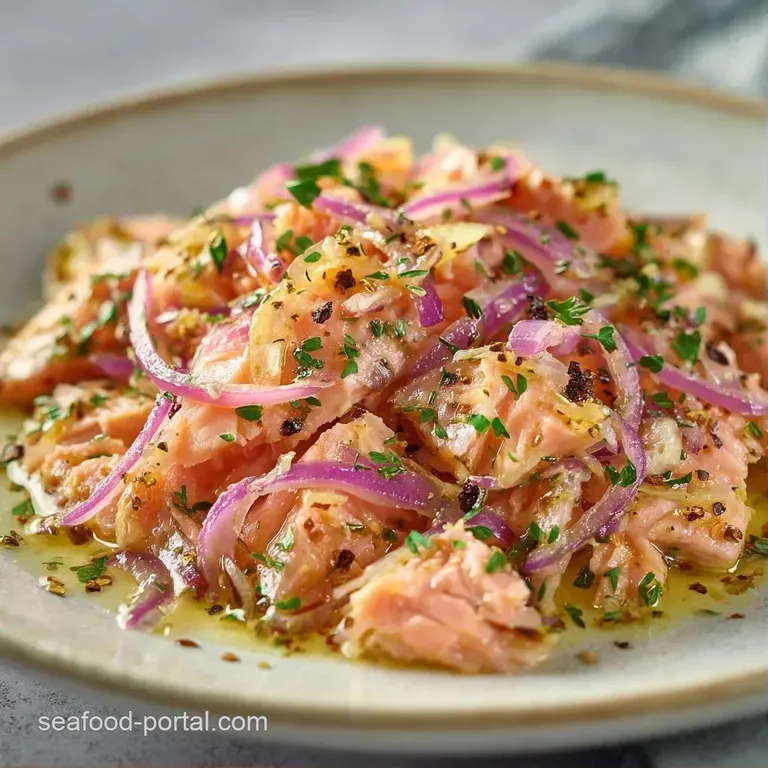
Let's crack on. Follow these steps and pay attention to the sensory cues they are more important than the timer.
- Drain the salmon thoroughly using a colander. Note: Excess water prevents searing
- Transfer the salmon to a bowl and use a fork to break up the large chunks, but leave some larger pieces intact for texture.
- Toss the salmon with the smoked paprika and black pepper. Note: This ensures every flake is seasoned
- Heat the olive oil and butter in a 10 inch skillet over medium high heat.
- Wait until the butter stops foaming and begins to shimmer.
- Add the salmon in a single layer and let it sit undisturbed for 3-4 minutes until a mahogany colored crust forms on the bottom.
- Stir in the minced garlic and diced shallots.
- Sauté for another 2 minutes, stirring gently until the garlic is fragrant and the onions are translucent.
- Turn off the heat completely.
- Immediately drizzle the fresh lemon juice over the salmon and fold in the fresh parsley.
Chef's Note: If you want an even deeper flavor, add a tiny pinch of brown sugar to the paprika mix. It helps the caramelization process and balances the lemon.
Fixing Common Glitches
Even with a simple recipe, things can go sideways. Usually, it's a temperature issue.
Troubleshooting Common Issues
| Issue | Solution |
|---|---|
| Why Your Salmon Sticking | If the fish glues itself to the pan, you likely added it before the butter shimmered. The fish needs to "self release" once the crust has formed. If it's stuck, give it another 30 seconds of heat. |
| How to Prevent Dryness | Overcooking is the enemy here. Since canned salmon is already cooked, we are just reheating and searing. |
| It Tastes Salty | Canned salmon can vary in sodium. If it's too salty, increase the lemon juice by another teaspoon. The acidity masks the saltiness and brightens the whole dish. |
Mistakes Checklist
- ✓ Did you drain the salmon completely?
- ✓ Did you wait for the butter to stop foaming?
- ✓ Did you resist the urge to stir for the first 3 minutes?
- ✓ Did you remove the pan from heat before adding lemon?
- ✓ Did you use fresh lemon instead of bottled juice?
Adjusting the Batch Size
This recipe is designed for two, but it's easy to scale.
Scaling Down (1 Serving) Use a smaller 8 inch skillet. Reduce the butter and oil to 2 teaspoons each. Since there's less mass in the pan, the salmon will sear faster check for that mahogany crust at the 2 minute mark.
Scaling Up (4+ Servings) Don't crowd the pan! If you put too much salmon in one skillet, it will steam instead of sear, and you'll lose that crispy texture. Work in batches. When scaling spices, only increase the salt and paprika to 1.5x to avoid overpowering the fish.
| Batch Size | Pan Size | Heat Adjustment | Tip |
|---|---|---|---|
| Single | 8 inch | Medium High | Watch closely; sears faster |
| Double | 12 inch | Medium High | Don't overlap the fish |
| Quadruple | Two 10 inch | Medium High | Cook in two separate batches |
Busting Pantry Myths
There are a few misconceptions about using canned fish that I want to clear up.
Myth 1: Canned salmon has no flavor. Actually, it has a very concentrated flavor. The "blandness" people describe usually comes from not seasoning it or not searing it. Once you hit it with heat and lemon, the flavor is rich and savory.
Myth 2: You can't get a crust on canned fish. You absolutely can. As long as you drain the liquid and use a hot fat (butter/oil), the proteins will brown just like a fresh fillet.
Freshness and Storage
If you have leftovers, they won't stay "shatter crispy," but they're still great.
Storage Guidelines Keep the leftovers in an airtight glass container in the fridge for up to 3 days. I don't recommend freezing this after it's been sautéed, as the texture of the canned salmon becomes too grainy upon thawing.
Zero Waste Tips If you have leftover lemon halves, zest them into a jar of olive oil before juicing them. Use the leftover parsley stems by finely chopping them and adding them to a stock or a different Quick Homemade Ramen broth for extra depth.
Ideal Side Pairings
Because Sautéed Canned Salmon is so rich, you need sides that offer a contrast in texture or a hit of freshness.
Simple Sautéed Canned Salmon and Rice A bed of fluffy jasmine rice or quinoa is the classic move. The grains soak up the lemon butter sauce from the pan, making every bite velvety.
The Power Green Pairing Sauté some spinach or kale in the same pan before you start the salmon. The greens wilt quickly and provide a bitter contrast to the richness of the fish. Alternatively, a crisp cucumber salad with rice vinegar works wonders.
Decision Shortcut
- If you want comfort: Serve over buttery mashed potatoes.
- If you want healthy: Serve over a bed of arugula with shaved parmesan.
- If you want a full meal: Pair with roasted asparagus and a slice of sourdough.
Recipe FAQs
Can you sauté canned salmon?
Yes. Sautéing adds a mahogany colored crust and depth of flavor that is impossible to achieve when eating it straight from the can.
How to cook salmon out of a can in a pan?
Drain the salmon thoroughly and toss with smoked paprika and black pepper. Sear it in a skillet with olive oil and butter over medium high heat for 3 4 minutes before stirring in garlic and shallots.
What is the best way to cook canned salmon?
Sautéing in butter and olive oil. This method transforms the texture from soft to crispy, especially when finished with a drizzle of fresh lemon juice and parsley.
How to make salmon patties with canned salmon?
Combine drained salmon with binders and shape into discs before pan-frying. If you enjoyed achieving a crispy exterior here, the same searing principle is used in our salmon cakes.
Is it true that canned salmon cannot get a crispy crust?
No, this is a common misconception. By draining the fish completely and letting it sit undisturbed in shimmering butter for 3 4 minutes, you create a distinct mahogany crust.
How to cook red salmon in a can?
Follow the same sautéing process. Whether using red or pink salmon, use medium high heat and avoid overcooking since the fish is already pre-cooked in the can.
What should I do if the sautéed salmon tastes too salty?
Increase the lemon juice. Adding another teaspoon of fresh lemon juice provides the necessary acidity to mask excess sodium from the canning process.
Sauteed Canned Salmon