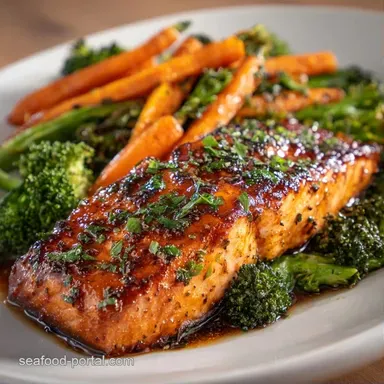
Quick Pantry Salmon Dinner: Mahogany Glazed
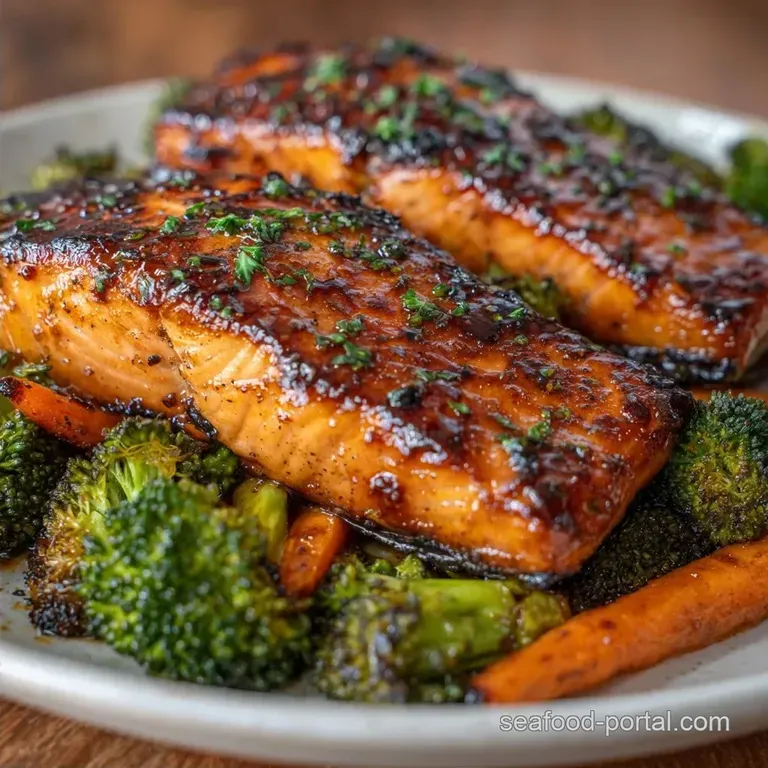
- Time: 10 min active + 15 min roasting
- Flavor/Texture Hook: Mahogany glazed fish with charred, crispy broccoli tips
- Perfect for: Busy weeknights when the fridge is looking empty
- The Quick Pantry Salmon Dinner Secret
- Essential Recipe Specifications
- The Core Ingredient Breakdown
- Required Kitchen Tools
- Step by Step Cooking Guide
- Fixing Common Salmon Errors
- Troubleshooting Common Issues
- Taste Twists and Swaps
- Adjusting the Portion Size
- Truths About Sheet Pan Salmon
- Storage and Waste Tips
- Best Side Dish Pairings
- CRITICAL: Very High in Sodium
- Recipe FAQs
- 📝 Recipe Card
Ever wondered why some weeknight meals just taste like "fuel" while others actually feel like a treat? I used to be the queen of the bland Tuesday dinner, usually just steaming some fish and calling it a day.
Then one night, I found myself with nothing but a frozen salmon fillet, a half used jar of honey, and some limp carrots in the crisper. I decided to throw them all on one tray with a splash of soy sauce, and the smell that hit my kitchen was something else.
That scent - a mix of bubbling honey, pungent garlic, and the earthy sizzle of roasting broccoli - completely changed how I look at my pantry. It wasn't just a meal; it was a realization that you don't need a grocery haul to make something that tastes vibrant.
This Quick Pantry Salmon Dinner is the result of those "nothing in the fridge" experiments.
You can expect a dish that hits every taste bud. The salmon gets a silky interior, while the glaze turns into a sticky, savory coating. The vegetables don't just sit there; they soak up the runoff from the fish, turning the carrots sweet and the broccoli slightly charred.
It's a low stress, high reward way to get your omega-3s without spending an hour at the stove.
The Quick Pantry Salmon Dinner Secret
The magic here is all about thermal synchronicity. We're using a high temperature to ensure the honey in the glaze caramelizes before the salmon overcooks. If you go too low, the fish just boils in its own juices, and you miss out on those deep, mahogany edges.
By keeping everything on one sheet pan, the fat from the salmon renders and helps the vegetables roast instead of just steaming.
I've learned the hard way that the order of operations matters. If you put the salmon in first, your broccoli will be raw. By tossing the veggies in oil and salt first, you create a protective barrier that allows them to withstand the 400°F heat.
It's a simple shift, but it's the difference between a soggy mess and a platter of vibrant, charred greens.
Right then, let's look at why this actually works from a home cook's perspective. Most people think you need fancy marinades, but the soy honey lemon combo is a classic for a reason. It provides a full spectrum of flavor - salt, sweet, and acid - that cuts through the richness of the fish.
Trust me on this: don't skip the lemon juice, or the honey will make the dish feel too heavy.
The Logic Behind the Heat
- Sugar Browning: Honey contains fructose and glucose, which brown quickly at high heat, creating a sticky crust.
- Vegetable Roasting: Slicing carrots thinly ensures they cook in the same 15 minute window as the salmon.
- Acid Balance: Lemon juice breaks down the proteins slightly on the surface, allowing the glaze to cling better.
- Carryover Cooking: The fish continues to cook for 2-3 mins after leaving the oven, so pulling it slightly early keeps it velvety.
| Approach | Prep Time | Texture | Best For |
|---|---|---|---|
| Fresh Fillets | 10 mins | Flaky & Silky | Date nights or fresh hauls |
| Canned Salmon | 5 mins | Chunky & Dense | Ultra budget pantry meals |
| Frozen (Thawed) | 12 mins | Soft & Moist | Easy weeknight planning |
The difference between using fresh fillets and canned options is mostly about the "bite." Fresh salmon gives you those long, elegant flakes, while canned is better suited for patties. Since this is a sheet pan method, fresh or thawed fillets are the way to go to get that specific charred finish.
Essential Recipe Specifications
Before we dive into the gear, we need to look at the ingredients. I've found that the quality of your soy sauce can actually shift the flavor profile. A darker soy sauce gives a deeper color, but a standard light soy sauce provides that sharp saltiness that balances the honey. According to Serious Eats, managing the internal temperature of salmon is the only way to avoid that rubbery texture we all hate.
Component Analysis
| Ingredient | Science Role | Pro Secret |
|---|---|---|
| Honey | Glaze Thickener | Use a runny honey for easier whisking |
| Soy Sauce | Salt & Umami | Add a pinch of brown sugar for extra depth |
| Lemon Juice | Acidic Brightener | Zest the lemon first for a punchier aroma |
| Olive Oil | Heat Conductor | Use a high smoke point oil to avoid smoking |
This combination is what makes the recipe so accessible. You likely have all of these in your cupboards already. The soy sauce acts as the salty base, the honey provides the viscosity (that's just a fancy way of saying "thickness"), and the lemon keeps everything from tasting like a syrup.
It's a balanced trio that works every single time.
The Core Ingredient Breakdown
When you're assembling this, don't worry about having "perfect" cuts of vegetables. As long as the carrots are sliced consistently, they'll cook evenly. I usually go for a diagonal slice to increase the surface area, which means more of the carrot gets touched by the hot pan and the honey glaze.
For the Salmon & Veggies
- 1 lb Salmon fillets Why this? Provides the rich, fatty base for the meal (Substitute: Trout fillets)
- 2 cups Broccoli florets Why this? Adds crunch and absorbs the glaze (Substitute: Cauliflower)
- 1 cup Sliced carrots Why this? Adds natural sweetness and color (Substitute: Parsnips)
- 2 tbsp Olive oil Why this? Prevents sticking and aids roasting (Substitute: Avocado oil)
- 1/2 tsp Salt Why this? Enhances all other flavors (Substitute: Sea salt)
- 1/4 tsp Black pepper Why this? Adds a subtle woody heat (Substitute: White pepper)
For the Pantry Glaze
- 3 tbsp Honey Why this? Creates the sticky, mahogany crust (Substitute: Maple syrup)
- 2 tbsp Soy sauce Why this? Provides the savory umami punch (Substitute: Coconut aminos)
- 1 tbsp Lemon juice Why this? Cuts through the fat of the salmon (Substitute: Rice vinegar)
- 3 cloves Minced garlic Why this? Adds a sharp, aromatic depth (Substitute: Garlic powder)
Required Kitchen Tools
You don't need a professional kitchen for this, but a few specific items make it a breeze. The most important thing is the rimmed sheet pan. If you use a flat cookie sheet, the honey glaze will run right off the edge and create a smoky disaster on the bottom of your oven.
I always use parchment paper. Honestly, don't even bother with greasing the pan. Parchment not only prevents the honey from gluing your fish to the metal, but it also makes cleanup a 10 second job. If you have a small whisk, that's great, but a fork works just fine for the glaze.
Step by step Cooking Guide
Let's crack on with the actual cooking. Pay attention to the smells here - they are your best guide for knowing when the dish is hitting its peak.
- Preheat the oven to 400°F (200°C) and line a large rimmed sheet pan with parchment paper. Note: A hot oven is crucial for that initial sizzle.
- Toss the broccoli florets and sliced carrots in olive oil, salt, and black pepper directly on the pan. Listen for the rustle of the oil coating the veg.
- Push the vegetables to the edges of the pan to create a center landing zone. Note: This prevents the fish from steaming the veggies.
- Whisk together the honey, soy sauce, lemon juice, and minced garlic in a small bowl. The aroma should be sweet and pungent.
- Place the salmon fillets in the center of the pan.
- Spoon the glaze generously over the fish. Note: Make sure every inch of the top is covered.
- Pour any remaining glaze over the surrounding vegetables.
- Roast in the oven for 12–15 minutes until the glaze is a deep mahogany color, broccoli tips are charred, and the salmon flakes easily.
As the timer counts down, you'll smell the garlic roasting first, followed by a sweet, caramelized scent. When the kitchen smells like a teriyaki grill, you're almost there.
Fixing Common Salmon Errors
Even the best of us mess up a roast now and then. Usually, it comes down to temperature or timing. If your salmon feels rubbery, you've likely pushed it past the 15 minute mark. Remember that the fish continues to cook as it rests on the plate.
Troubleshooting Common Issues
| Issue | Solution |
|---|---|
| Why Your Salmon is Rubbery | This usually happens when the internal temperature exceeds 145°F. Because we're using a honey glaze, the outside might look burnt while the inside is overdone. |
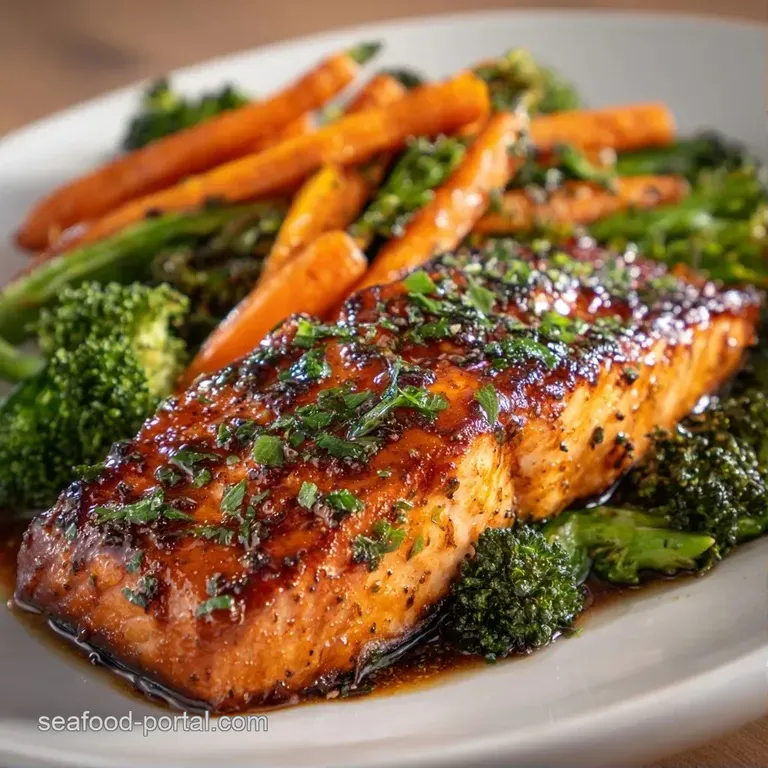
| Why Your Glaze is Burning | Honey has a low burn point. If the glaze turns black instead of mahogany, your oven might be running too hot, or the glaze layer was too thin. |
| Why Your Veggies are Still Hard | This is typically caused by "crowding the pan." If the vegetables are piled on top of each other, they steam instead of roasting. Give them space to breathe. |
Quick Checklist for Success
- ✓ Pat the salmon fillets dry with a paper towel before glazing.
- ✓ Use a rimmed pan to catch the honey runoff.
- ✓ Slice carrots into thin coins for even cooking.
- ✓ Pull the fish out while it still looks slightly underdone in the center.
Taste Twists and Swaps
If you want to move away from the classic soy honey profile, this recipe is incredibly flexible. I often swap the honey for maple syrup if I'm craving something more "autumnal." The maple syrup gives a slightly woodier taste that pairs beautifully with the carrots.
2 Flavor Twists - Spicy Kick: Add 1 tsp of Sriracha or red pepper flakes to the glaze for a sweet heat vibe. - Zesty Twist: Double the lemon juice and add a teaspoon of Dijon mustard. If you love that profile, you'll really like my Zesty Lemon Dijon Salmon.
2 Diet Swaps - Paleo/Whole30: Swap honey for maple syrup and soy sauce for coconut aminos. - Low Carb: Use a monk fruit sweetened syrup instead of honey, though the caramelization will be less intense.
Adjusting the Portion Size
Scaling a sheet pan meal is easy, but you can't just double everything and expect the same time. If you're cooking for a crowd, the biggest mistake is overloading one pan.
Scaling Down (1 Serving) Use a smaller baking sheet or a toaster oven pan. Reduce the roast time by about 20% since there's less mass in the oven to absorb the heat.
Scaling Up (4 Servings) Work in batches or use two separate pans. Increase the salt and pepper to 1.5x, but keep the glaze ratio the same. If you crowd the pan, your broccoli will turn into mushy greens instead of charred florets.
| Goal | Adjustment | Expected Result |
|---|---|---|
| More Char | +2 mins roast | Crispier edges, darker glaze |
| Softer Veg | Slice carrots thicker | Heartier bite, longer cook time |
| Leaner Fish | Use Cod or Halibut | Lighter flavor, reduce time by 2 mins |
Truths About Sheet Pan Salmon
There are a few things people tell you about cooking fish that just aren't true. Let's set the record straight so you don't stress over unnecessary rules.
First, the idea that you must sear salmon in a pan to "lock in the juices" is a total myth. Moisture loss happens regardless of how you start the cook. The oven method actually provides a more consistent heat, which is why this Quick Pantry Salmon Dinner stays so velvety.
Second, some say you have to let fish reach room temperature before roasting. While that's great for a thick steak, for these thinner fillets, it doesn't make a noticeable difference. In fact, keeping the fish cold can sometimes help prevent the outside from overcooking before the center is done.
Storage and Waste Tips
If you have leftovers, store them in an airtight container in the fridge for up to 3 days. When reheating, avoid the microwave if you can. I prefer putting the salmon and veg back in a 300°F oven for 5-7 minutes.
This keeps the broccoli from getting that weird, rubbery microwave texture.
Freezing this isn't recommended once it's cooked, as the honey glaze can separate and the vegetables will lose their structure. It's best enjoyed fresh or as a cold salmon salad the next day.
Zero Waste Hacks
- Carrot Tops: If you bought carrots with the greens, blend them with olive oil, lemon, and salt for a quick pesto.
- Broccoli Stems: Don't toss the stems! Peel the woody outer layer, slice the tender core into coins, and toss them on the pan with the florets.
- Leftover Glaze: If you have a bit of sauce left in the bowl, drizzle it over some steamed rice or quinoa.
Best Side Dish Pairings
Since this Quick Pantry Salmon Dinner already includes veggies, you just need a base to soak up that extra mahogany glaze. I'm a huge fan of jasmine rice or a simple quinoa blend. The neutrality of the grain lets the honey soy flavor really shine.
If you're looking for something lighter, a bed of fresh baby spinach or a quick cucumber salad with rice vinegar works perfectly. The acidity of the cucumber cuts through the richness of the salmon, making the whole meal feel more balanced.
Trust me, a little bit of extra lime squeezed over the final plate brings the whole thing together.
CRITICAL: Very High in Sodium
1140 mg 1,140 mg of sodium per serving (50% 50% of daily value)
The American Heart Association recommends a daily sodium limit of no more than 2,300 mg, with an ideal limit of 1,500 mg for most adults.
Tips to Reduce Sodium in Your Salmon Recipe
-
Swap the Soy Sauce-30%
Replace the standard soy sauce with low-sodium soy sauce or coconut aminos to drastically lower the salt content.
-
Eliminate Added Salt-25%
Omit the 1/2 tsp of added salt entirely; the soy sauce already provides enough sodium to season the fish and vegetables.
-
Increase Acidic Brightness-10%
Double the amount of lemon juice to 2 tbsp to enhance the flavors and mimic the 'zing' of salt.
-
Use Aromatic Spices
Add fresh grated ginger or a pinch of smoked paprika to add depth and complexity without adding any sodium.
Recipe FAQs
What sides go well with salmon for a quick dinner?
Broccoli and carrots are ideal. These vegetables roast in the same 12-15 minute window as the fish, keeping cleanup to a single pan.
Can I cook the salmon and vegetables on one pan?
Yes, by using a "landing zone" method. Toss the vegetables on the edges of a parchment lined sheet pan and place the fillets in the center to ensure everything cooks evenly.
How to prevent the honey glaze from burning?
Monitor the oven closely for a mahogany color. Because honey has a low burn point, you must remove the pan before the glaze turns black.
Why is my salmon rubbery?
The internal temperature likely exceeded 145°F. The honey glaze can mask overcooking by making the outside look done while the inside becomes tough.
How to reheat leftovers without making the broccoli rubbery?
Heat in a 300°F oven for 5-7 minutes. Avoid the microwave to preserve the vegetable structure and the consistency of the glaze.
Is it true that crowding the pan helps vegetables cook faster?
No, this is a common misconception. Crowding the pan causes vegetables to steam instead of roast, which often leaves them hard.
How to add more flavor if you want a creamier finish?
Spoon a rich sauce over the cooked fillets. If you enjoyed the balance of the honey soy glaze here, see how we use a similar flavor profile in our creamy lemon garlic sauce.
Quick Pantry Salmon Dinner