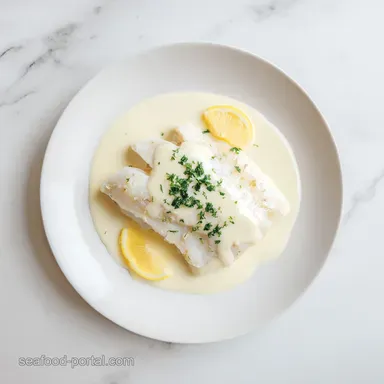
Baked Fish with Lemon Cream Sauce: Tender and Flaky
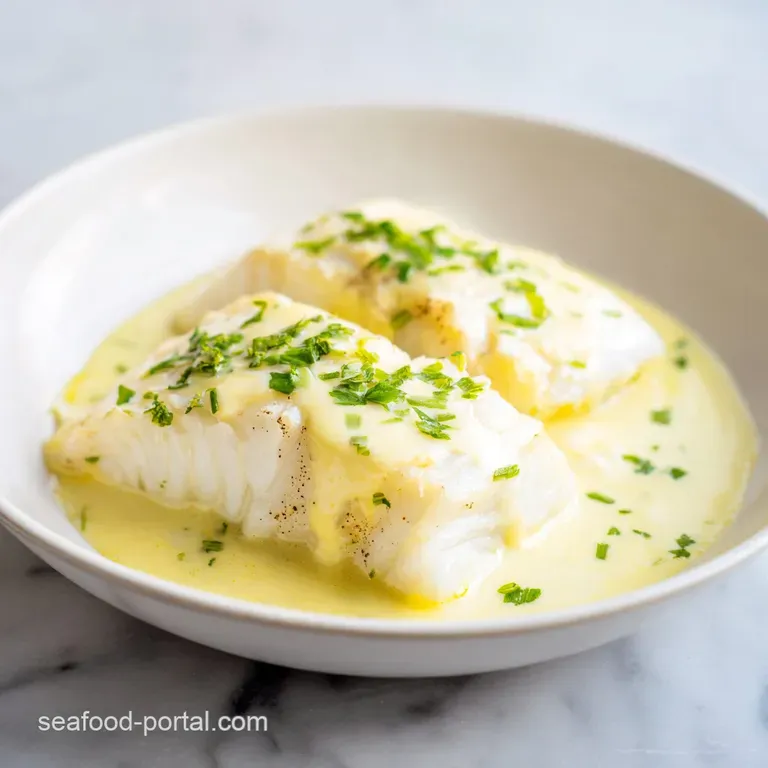
- Time: 5 min active + 10 min cook = Total 17 min
- Flavor/Texture Hook: Velvety, citrusy sauce with flaky, tender fish
- Perfect for: Fast weeknight dinners or a low stress date night
That scent of garlic hitting hot butter and the sharp, bright zing of fresh lemon zest hitting the air is enough to make anyone hungry. I remember the first time I tried making a cream sauce for fish, I was way too cautious.
I kept the oven temp low, thinking I was "protecting" the fish, but all I did was create a lukewarm, watery mess that looked more like soup than a meal.
Then I realized the trick is high heat and a thick sauce. I started patting my fillets dry with an almost aggressive level of focus, because any surface moisture is the enemy of a good bake. Once I switched to a higher temperature and used heavy cream to shield the protein, everything changed.
This Baked Fish with Lemon Cream Sauce is the result of those "learning the hard way" moments.
Baked Fish with Lemon Cream Sauce
Right then, let's get into it. If you've ever struggled with white fish becoming rubbery or tasting like nothing, this is the fix. We're using a high fat sauce that acts like a cozy blanket, keeping the fish moist while the oven does the heavy lifting.
It's a simple method, but the results feel way more fancy than the effort suggests.
Trust me on this, the lemon is the hero here. I once tried using bottled lemon juice in a pinch, and it was a disaster, tasting metallic and flat. Fresh lemon is non negotiable if you want that bright, clean finish. It transforms the heavy cream from something cloying into something that feels light and fresh.
You'll find that this recipe is incredibly forgiving once you get the temperature right. Whether you're using cod, halibut, or tilapia, the logic stays the same. It's all about that window of time where the fish is opaque but still juicy.
Why These Flavors Click
Instead of a complex process, this dish relies on a few basic principles to get that restaurant style finish.
- The Cream Blanket: The heavy cream and melted butter create a fat rich layer on top of the fillets. This prevents the dry oven air from sucking the moisture out of the fish, keeping it velvety.
- Acid Balance: Lemon juice provides the acidity needed to "cut" the fat of the cream. Without it, the sauce would feel too heavy on the tongue.
- High Heat Flash: Baking at 400°F (200°C) ensures the sauce thickens and the fish cooks through quickly before the proteins have a chance to tighten up and get tough.
- Zest Infusion: While juice provides the sourness, the zest contains the aromatic oils. This is what gives the dish that punchy, citrusy smell the moment it leaves the oven.
| Fresh Ingredients | Shortcut Options | Impact on Dish | Savings |
|---|---|---|---|
| Fresh Lemon | Bottled Juice | Lacks brightness, tastes metallic | $0.50 |
| Fresh Garlic | Garlic Powder | Lacks depth and pungent aroma | $0.20 |
| Fresh Parsley | Dried Parsley | Dull color, lacks "grassy" freshness | $0.30 |
The Ingredient Breakdown
Before we start, let's look at what's actually happening with the components. I've found that using the right fat ratio is what separates a broken sauce from a silky one.
| Ingredient | Science Role | Pro Secret |
|---|---|---|
| Heavy Cream | Stabilizer | Use room temperature cream to avoid curdling |
| Lemon Zest | Aromatic | Zest only the yellow part; the white pith is bitter |
| White Fish | Protein Base | Pat dry with paper towels to prevent "steaming" |
| Unsalted Butter | Emulsifier | Melt it slowly to keep the fat integrated |
Shopping List Breakdown
Grab these items from the store. I highly recommend a thick cut cod or halibut for the best texture, but any firm white fish works.
- 1.5 lb white fish fillets Why this? Provides a clean canvas for the sauce
- 1 tbsp olive oil Why this? High smoke point for the pan
- 1/2 tsp salt Why this? Essential for protein seasoning
- 1/4 tsp black pepper Why this? Subtle heat to balance the cream
- 1/2 cup heavy cream Why this? High fat prevents sauce separation
- 2 tbsp unsalted butter, melted Why this? Adds a nutty richness
- 1 tbsp lemon juice Why this? Brightens the entire flavor profile
- 2 cloves garlic, minced Why this? Adds a savory, pungent base
- 1 tbsp parsley, chopped Why this? Fresh finish and pop of color
- 1 tsp lemon zest Why this? Concentrated citrus oils
| Original Ingredient | Substitute | Why It Works |
|---|---|---|
| Heavy Cream (1/2 cup) | Full fat Coconut Milk (1/2 cup) | Similar fat content. Note: Adds tropical notes |
| White Fish (1.5 lb) | Salmon Fillets (1.5 lb) | Richer flavor, holds up well to cream |
| Unsalted Butter (2 tbsp) | Ghee or Olive Oil (2 tbsp) | High fat content. Note: Loses a bit of the milky taste |
Honestly, don't even bother with low-fat cream or skim milk here. The sauce will break, and you'll end up with a grainy mess. It's just not worth the risk.
Essential Kitchen Gear
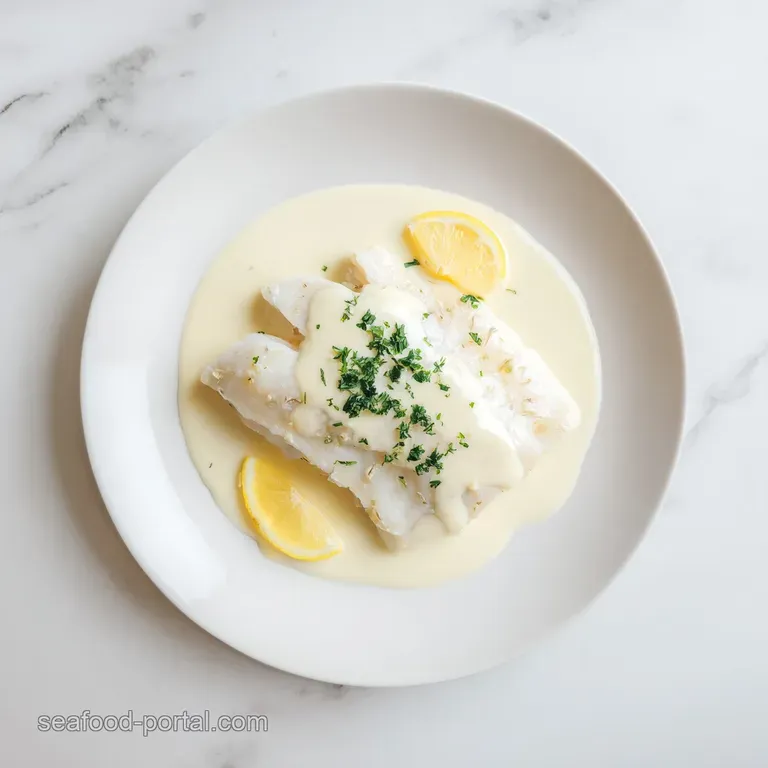
You don't need a professional kitchen for this, but a few basics make it easier.
- Baking Dish: A ceramic or glass 9x13 dish is best for heat distribution.
- Whisk: A small whisk is key to getting the cream and butter fully blended.
- Paper Towels: These are actually your most important tool for drying the fish.
- Zester: A Microplane is great, but a fine grater works too.
Step by step Guide
Let's crack on. Follow these steps, and pay attention to the smells - that's how you know you're on track.
- Heat the oven. Preheat to 400°F (200°C). Lightly grease your baking dish with olive oil. Note: Preheating is critical so the fish doesn't sit in a cold pan and leak juice.
- Prep the fillets. Pat the fish fillets completely dry with paper towels. Season both sides with salt and pepper.
- Mix the base. In a medium mixing bowl, combine the melted butter, heavy cream, minced garlic, lemon juice, and lemon zest.
- Whisk it. Whisk vigorously until the mixture is smooth and pale. You should see a velvety consistency here.
- Position the fish. Arrange the fillets in the baking dish, leaving a little space between each one.
- Apply sauce. Pour the cream mixture evenly over the top of each fillet. Use a spoon to make sure every inch is covered.
- Bake. Place in the oven for 10–12 minutes until the fish is opaque and flakes easily with a fork. You'll smell the garlic becoming fragrant and toasted.
- Finish. Remove from the oven and immediately sprinkle with fresh chopped parsley.
- Rest. Let the dish rest for 2 minutes. Note: This allows the sauce to settle and thicken slightly for a better mouthfeel.
Fixing Common Mishaps
Even the best of us mess up. Usually, fish issues come down to moisture or timing.
The Sauce Curdled or Separated
This usually happens if the lemon juice is added to the cream too quickly or if the cream is too cold. The acid in the lemon can "break" the fat in the cream. To prevent this, whisk the butter into the cream first to create a more stable emulsion.
The Fish Released Too Much Water
If you see a pool of white liquid in your pan, your fish wasn't dry enough or was frozen and not fully thawed. This effectively boils the fish instead of baking it. Always pat the fillets with paper towels until they are bone dry.
The Fish is Overcooked
White fish goes from "perfect" to "rubber" in about 120 seconds. If it's too firm, you've gone too far. Start checking for flakiness at the 9 minute mark.
| Problem | Root Cause | Solution |
|---|---|---|
| Watery Sauce | Fish not dried | Pat dry with towels before seasoning |
| Grainy Texture | Cold cream/acid clash | Whisk room temp ingredients |
| Rubberiness | Overbaked | Remove 2 mins earlier next time |
Quick Success Checklist:
- ✓ Fillets patted dry with paper towels.
- ✓ Oven fully preheated to 400°F (200°C).
- ✓ Sauce whisked until completely smooth.
- ✓ Fish removed as soon as it flakes.
- ✓ Dish rested for 2 minutes before serving.
Customizing Your Dish
If you want to change things up, there are plenty of ways to tweak this. If you find you love the cream sauce but want a different protein, you might enjoy trying some salmon cakes for a more textured meal.
If you want X, do Y:
- More Zest: Add an extra teaspoon of lemon zest for a punchier citrus hit.
- Earthier Tone: Stir in a pinch of smoked paprika or dried thyme to the cream mixture.
- Lighter Version: Replace half the heavy cream with Greek yogurt (add this after baking to avoid curdling).
Adjustment for size: - Scaling Down (1-2 people): Use a smaller 8x8 pan. Reduce the baking time by about 20% since there's less mass in the oven. - Scaling Up (6-8 people): Use two separate baking dishes. Don't crowd the fish, or they will steam instead of bake.
Increase salt and pepper to 1.5x, but keep the liquids exactly doubled.
For more cooking tips, detailed ingredient substitutions, or inspiration on sides that pair wonderfully with this dish, check out these savory guides.
Storage and Leftover Tips
Fish is tricky to store because it doesn't always love being reheated. However, if you have leftovers, here is the best way to handle them.
Fridge: Store in an airtight container for up to 2 days. The sauce will thicken in the fridge, which is normal.
Freezer: I don't recommend freezing this once it's cooked. The cream sauce will likely separate, and the fish can become mealy.
Reheating: Avoid the microwave if you can. Instead, place the fish in a small oven safe dish, add a tiny splash of milk or water to loosen the sauce, and warm it in the oven at 300°F (150°C) for about 5-7 minutes.
Zero Waste: Save your lemon peels! You can freeze them to use in future baking or steep them in sugar to make a quick citrus syrup. If you have leftover parsley stems, toss them into a veggie stock for extra flavor.
Best Side Pairings
Since the Baked Fish with Lemon Cream Sauce is so rich and velvety, you need sides that provide a contrast. I usually go for something green and crisp.
Steamed asparagus or sautéed spinach are the gold standard here. The bitterness of the greens balances the cream perfectly. For a carb, a fluffy basmati rice or a light quinoa salad works great to soak up that extra sauce.
If you're feeling like a different style of seafood entirely for your next meal, you could try a pan fry salmon for something with a more intense sear and crisp skin. For more inspiration, check out resources from The Kitchn, and begin your culinary adventure today!
Right, that's it! You've got the blueprint for a foolproof, creamy, and zesty dinner. Just remember: dry fish, hot oven, and plenty of fresh lemon. Happy cooking!
Recipe FAQs
How to cook the cream sauce for baked fish?
Whisk melted butter, heavy cream, minced garlic, lemon juice, and lemon zest together in a bowl. Pour this smooth mixture over the seasoned fillets and bake at 400°F for 10 12 minutes.
Should fish be covered or uncovered when baking in the oven?
Leave the fish uncovered. This allows the cream sauce to reduce and thicken properly while the fish reaches an opaque consistency.
How to make a simple lemon sauce for fish?
Combine heavy cream, melted butter, lemon juice, lemon zest, and garlic. Mix until smooth and pour over fillets before baking. For more variety, you can experiment with different salmon sauces.
How to cook fish to lower cholesterol?
Bake the fish in an oven using olive oil. Baking is a heart healthier alternative to deep frying or pan-searing in heavy fats.
Is it true that you should freeze cooked fish with cream sauce for long term storage?
No, this is a common misconception. Freezing cooked cream sauce usually causes it to separate and gives the fish a mealy texture.
How to tell when the fish is perfectly cooked?
Insert a fork and check if the fish flakes easily. The fillets should be opaque throughout, which typically takes 10 12 minutes at 400°F.
How to reheat leftover baked fish without it becoming dry?
Warm the fish in the oven using a small baking dish. Add a splash of milk or water to loosen the sauce before heating to maintain moisture.
Baked Fish Lemon Cream Sauce