Salmon Sushi Bake: Easy & Flavorful Fusion
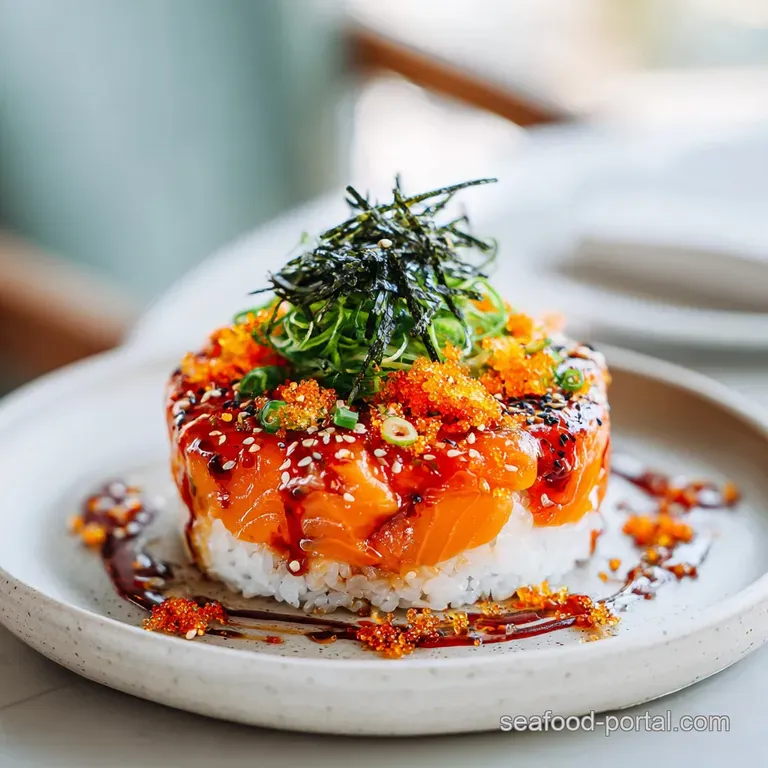
- Time: Active 15 minutes, Passive 20 minutes, Total 35 minutes
- Flavor/Texture Hook: A velvety, spicy salmon layer over chewy, vinegared rice with a shattering nori crunch.
- Perfect for: Potlucks, lazy weeknight dinners, or feeding a crowd without the rolling effort.
- Everything You Need to Master Salmon Sushi Bake
- The Culinary Logic Behind This Viral Comfort Dish
- Essential Preparation Metrics and Serving Statistics
- Selecting Quality Components for Maximum Umami Layers
- Required Tools for a Seamless Cooking Experience
- Executing the Perfect Layered Assembly and Bake
- Practical Solutions for Overcoming Common Textural Hurdles
- Innovative Flavor Profiles to Personalize Your Dish
- Effective Methods for Storage and Waste Reduction
- Creative Presentation Ideas for Your Final Masterpiece
- Recipe FAQs
- 📝 Recipe Card
Everything You Need to Master Salmon Sushi Bake
The first time I pulled a hot tray of this out of the oven, the aroma of toasted sesame and warm rice vinegar filled my kitchen like a cozy blanket. I remember being so skeptical about "warm sushi" until I took that first bite.
There's something truly addictive about the way the creamy, spicy salmon mixture melts into the rice while the furikake adds that salty, sea inspired snap. It's comfort food that feels fancy but requires zero professional knife skills.
We've all been there, standing at the kitchen counter trying to roll a perfect maki, only for the rice to stick to our fingers and the nori to tear. This dish is the answer to that frustration.
It takes all those classic flavors we love, the fatty salmon, the tangy vinegar, and the kick of sriracha, and turns them into a warm, gooey casserole. Trust me, once you see your friends scooping this up with little squares of nori, you'll never go back to basic rolls for a crowd.
This recipe is about building layers. We start with a solid foundation of seasoned short grain rice, followed by a protein packed middle, and finished with a flurry of fresh toppings. It's a balanced bite every single time.
Whether you're a seasoned sushi lover or just someone looking for a new way to enjoy salmon, this method is foolproof. Right then, let's get into what makes this specific version the one you'll keep on repeat.
The Culinary Logic Behind This Viral Comfort Dish
- The Physics of the Maillard Crust: Broiling the Kewpie mayonnaise creates a caramelized fat layer that seals moisture into the salmon while developing deep savory notes.
- Starch Retrogradation Control: Seasoning the rice with vinegar and sugar while hot keeps the grains distinct and prevents them from turning into a gummy mass during the second bake.
- Emulsification Stability: Using softened cream cheese alongside mayo creates a thick, velvety binder that won't "split" or become oily under high heat.
The difference between a soggy mess and a professional grade bake often comes down to the rice preparation and the cooking method. While some prefer a slow bake, a quick blast of high heat is the secret to keeping the fish tender while the top gets those signature charred spots.
| Feature | Fast Sushi Bake Method | Classic Sushi Roll Style |
|---|---|---|
| Texture | Creamy, warm, and soft | Cold, firm, and structured |
| Effort Level | High yield, minimal prep | Low yield, high technique |
| Best For | Large groups and casual dining | Individual portions and formal meals |
If you want a deeper char, move the oven rack to the top third of the oven. If you prefer a milder spice, swap half the sriracha for extra soy sauce. For a more intense seafood flavor, double the amount of furikake between the rice and salmon layers.
Essential Preparation Metrics and Serving Statistics
Getting the timing right is what ensures your salmon stays buttery instead of becoming dry and chalky. We are aiming for a specific internal temperature for the salmon to ensure it remains succulent.
| Thickness of Salmon | Internal Temp | Rest Time | Visual Cue |
|---|---|---|---|
| 0.5 inch fillet | 145°F | 3 mins | Opaque and flakes easily |
| 1 inch fillet | 145°F | 5 mins | Center is just barely solid |
| Cubed pieces | 145°F | 2 mins | Edges are golden and sizzling |
The rice is the unsung hero of this dish. If it isn't seasoned properly, the whole bake tastes flat. Always use short grain rice, as the higher starch content provides the necessary stickiness to hold the "scoop" together when you lift it with nori.
Component Deep Dive Analysis
| Ingredient | Science Role | Pro Secret |
|---|---|---|
| Short grain Rice | Provides structural starch | Rinse 5 times to remove excess surface starch for cleaner grains. |
| Kewpie Mayo | Emulsified fat for browning | Use only Japanese mayo for the higher egg yolk content and umami. |
| Rice Vinegar | Acids for flavor balance | Fold into rice while steaming hot to ensure deep absorption. |
| Furikake | Salty umami seasoning | Layer it twice - once on the rice and once on top for texture. |
Using the right rice is non negotiable. I once tried this with jasmine rice in a pinch, and the grains just fell apart, making it impossible to eat with nori squares. Stick to the short grain Japanese varieties for that perfect chewy bite.
Selecting Quality Components for Maximum Umami Layers
- 3 cups Short grain Japanese rice, cooked: The essential sticky base. Why this? Essential for structural integrity and that classic chewy sushi mouthfeel.
- 3 tbsp Rice vinegar: Adds the necessary tang.
- 1 tbsp Granulated sugar: Balances the acidity of the vinegar.
- 1 tsp Kosher salt: Enhances the overall flavor profile.
- 2 tbsp Furikake Japanese rice seasoning: Adds crunch and seaweed flavor.
- 1 lb Fresh salmon fillet, skin removed: The star protein. Why this? Higher fat content ensures the fish stays moist during the baking process.
- 8 oz Imitation crab (surimi), finely chopped: Adds sweetness and texture.
- 0.5 cup Kewpie mayonnaise: For that signature Japanese creaminess.
- 2 tbsp Sriracha: Provides a gentle, lingering heat.
- 4 oz Cream cheese, softened: Creates a rich, velvety binder.
- 1 tbsp Soy sauce: Adds a salty, fermented depth.
- 1 tsp Toasted sesame oil: For a nutty, aromatic finish.
- 1 small English cucumber, julienned: Provides a fresh, cool crunch.
- 1 Avocado, thinly sliced: Adds healthy fats and buttery texture.
- 2 tbsp Unagi sauce (Eel sauce): The perfect sweet salty glaze.
- 1 pack Roasted Nori seaweed sheets: Your "utensil" for eating.
- 2 Green onions, sliced: For a sharp, fresh bite.
- 1 tsp Toasted sesame seeds: A final touch of texture.
| Original Ingredient | Substitute | Why It Works |
|---|---|---|
| Fresh Salmon | Canned Salmon | Faster prep. Note: Texture will be softer and slightly more metallic. |
| Kewpie Mayo | Regular Mayo + pinch of sugar | Mimics the sweetness. Note: Won't be quite as rich or "yellow." |
| Imitation Crab | Cooked Shrimp | High protein swap. Note: Chop finely so it integrates with the salmon. |
If you are looking for a way to use up leftovers, this recipe is actually quite forgiving. You can even use the logic from this Blackened Salmon with recipe if you want a spicier, more charred protein base before flaking it into the bake.
Required Tools for a Seamless Cooking Experience
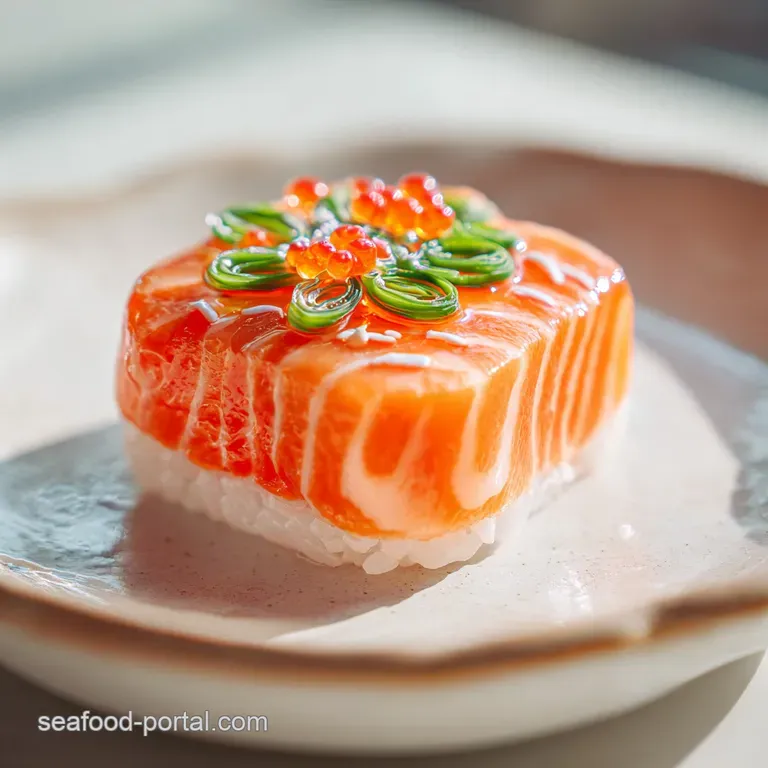
You don't need a professional kitchen, but a few specific tools make this Salmon Sushi Bake a lot easier to manage. A 9x13 inch baking dish is the standard, as it provides enough surface area for the salmon to brown without the rice layer being too thick.
If your dish is too small, the rice stays steamed and soggy rather than getting those slightly toasted edges.
A rice cooker is your best friend here. It ensures the short grain rice is perfectly fluffy every time. If you're cooking it on the stove, keep a tight lid on it and don't peek! Steam is what does the heavy lifting.
You'll also want a large mixing bowl for the seafood topping and a sharp knife for julienning that cucumber.
Chef's Tip: Freeze your block of cream cheese for about 10 minutes before dicing it. It makes it much easier to mix into the salmon without it completely melting into a puddle before it hits the oven.
Executing the Perfect Layered Assembly and Bake
- Cook the rice and immediately fold in the rice vinegar, sugar, and salt while it's still steaming. Note: Hot rice absorbs the seasoning better.
- Press the seasoned rice into an even layer in a 9x13 baking dish until the surface is flat and compressed.
- Sprinkle 1 tbsp of furikake evenly over the rice layer.
- Roast or sear the salmon until it just begins to flake with a fork.
- In a bowl, mix the flaked salmon, chopped imitation crab, Kewpie mayo, sriracha, cream cheese, soy sauce, and sesame oil.
- Spread the seafood mixture over the rice until completely covered from edge to edge.
- Top with the remaining furikake and a drizzle of extra sriracha or mayo if you like it spicy.
- Bake at 400°F (200°C) for 15 minutes, then broiler for 2 to 3 mins until the top is bubbling and golden brown.
- Remove from oven and let it sit for 5 minutes until the structure sets slightly.
- Drizzle with unagi sauce and top with fresh cucumber, avocado, green onions, and sesame seeds.
When flaking the salmon, don't overwork it. You want some "shards" of fish rather than a total paste. It gives the dish a much better mouthfeel. For more tips on getting that salmon just right, check out this How to Bake recipe which uses a similar glazing technique.
Practical Solutions for Overcoming Common Textural Hurdles
To Fix Mushy Rice
If your rice comes out too soft, it's usually because there was too much water or it wasn't rinsed enough. To salvage it for a bake, spread it out on a baking sheet and let it air dry for 20 minutes before seasoning. This allows some moisture to evaporate.
In the future, always use a 1:1.1 ratio of rice to water for sushi grains.
For Extra Crispy Edges
If you love those crunchy, toasted rice corners, lightly grease your baking dish with sesame oil instead of neutral spray. The oil will essentially "fry" the bottom and sides of the rice layer as it bakes, giving you a shattering texture that contrasts perfectly with the creamy top.
| Problem | Root Cause | Solution |
|---|---|---|
| Watery topping | Frozen crab wasn't drained | Squeeze imitation crab in paper towels before chopping. |
| Bland flavor | Rice seasoned cold | Always fold vinegar into hot, freshly cooked rice. |
| Dry salmon | Overbaked in the oven | Reduce bake time and rely on the broiler for the final color. |
Common Mistakes Checklist
- ✓ Rinse the rice until the water runs completely clear to remove excess starch.
- ✓ Don't skip the sugar in the rice seasoning; it provides the essential flavor balance.
- ✓ Soften the cream cheese fully before mixing to avoid white lumps in the bake.
- ✓ Pat the salmon dry with paper towels before roasting to get a better sear.
- ✓ Let the dish rest after baking so the layers don't slide apart when scooping.
Innovative Flavor Profiles to Personalize Your Dish
For a Healthy Salmon Sushi Bake Swap
If you want to lighten things up, you can swap the white rice for brown short grain rice or even a mix of quinoa and rice. Just keep in mind that brown rice isn't as sticky, so you might need to press it down firmer. You can also use Greek yogurt in place of half the mayonnaise for a tangier, higher protein topping.
For a Teriyaki Inspired Twist
Instead of sriracha, use a generous amount of teriyaki glaze in the salmon mixture. Add some canned pineapple bits (finely chopped) for a sweet and savory Hawaiian vibe. This version is a hit with kids who might find the spicy version a bit too much.
- Spicy Tuna Version: Swap the salmon for canned or fresh tuna and double the sriracha.
- Veggie Loaded: Add shredded carrots and sautéed mushrooms between the rice and seafood layers.
- California Style: Increase the imitation crab and add more cucumber and avocado on top.
If you enjoy the process of building these flavors but want something more traditional next time, you might love making a Homemade Sushi Rolls recipe. It uses many of the same ingredients but focuses on the art of the roll.
Effective Methods for Storage and Waste Reduction
Storage: This dish is best eaten fresh, but leftovers will keep in the fridge for up to 2 days. Keep the fresh toppings (avocado and cucumber) separate if you know you'll have leftovers, as they don't reheat well.
To reheat, use a toaster oven or air fryer to help keep the rice from getting too rubbery.
Freezing: I don't recommend freezing the assembled bake because the mayonnaise and cream cheese can separate and become grainy when thawed. However, you can freeze the cooked salmon and the rice separately for up to 2 months to speed up your next prep session.
Zero Waste: Don't throw away those salmon skins! Fry them up in a pan until crispy and use them as a crunchy garnish on top of the bake. If you have leftover rice vinegar seasoning, use it to quick pickle some red onions or extra cucumbers for a side salad.
Creative Presentation Ideas for Your Final Masterpiece
When it comes to serving, the "scoop and wrap" method is king. Cut the nori sheets into small squares (about 1/4 the size of a full sheet). Place a stack of nori in a basket next to the baking dish. This encourages guests to interact with the food, making it a social experience rather than just another dinner.
For a visually stunning finish, use a squeeze bottle to apply the unagi sauce and mayo in a zig zag pattern across the top. The contrast of the dark sauce against the golden bake and the bright green onions makes it look like it came straight from a high end bistro.
Searing meat does not "seal in juices." This is a common myth in the kitchen. In the context of our Salmon Sushi Bake, pre cooking the salmon is about texture and food safety, not "locking in" moisture. The creaminess of the mayo topping is what actually prevents the fish from drying out in the oven.
Also, sushi rice doesn't have to be served cold; many traditional sushi types are served with body temperature rice to highlight the fish's flavor.
The beauty of this dish is its accessibility. You don't need years of training to make something that tastes this complex. It's about those layers of flavor: the tang, the heat, the creaminess, and the crunch. Now, go grab your baking dish and get started!
Recipe FAQs
Can I use pre-cooked or canned salmon instead of raw fillet?
Yes, but adjust texture expectations. Canned salmon works for speed and you won't need to bake it as long; however, the texture will be softer and less flaky than fresh fish.
How to properly season the sushi rice for optimal flavor?
Fold in the vinegar, sugar, and salt immediately after cooking while the rice is steaming hot. This ensures the grains absorb the seasoning fully, creating that signature tang throughout the base layer.
Is it true that you must broil the bake for the last few minutes?
No, broiling is highly recommended but not mandatory. Broiling creates the essential browned, slightly crispy top layer that contrasts the creamy interior; otherwise, you risk a pale, uniformly soft texture.
How to assemble the layers without making the rice mushy?
Press the seasoned rice firmly into the baking dish first, and sprinkle furikake directly onto the rice before adding the topping. This slight barrier helps insulate the rice from the creamy topping during the initial bake.
What is the best way to prevent the Kewpie mayo topping from splitting?
Mix the Kewpie mayo with softened cream cheese before combining it with the salmon. The added fat and stabilizers in the cream cheese create a more robust emulsion that handles high oven heat better; this stabilizing concept is similar to how we build sauces in our How to Bake recipe.
How long can I make the Salmon Sushi Bake ahead of time?
Assemble all layers, but do not bake, up to 4 hours in advance. Cover tightly and refrigerate; you may need to add 5 to 8 minutes to the initial baking time to ensure it heats through properly.
What should I serve with the Salmon Sushi Bake for a complete meal?
Serve immediately with crispy nori squares for scooping and a simple side salad dressed with ginger vinaigrette. This pairing offers the needed crunch and acidic cut through the richness of the bake.
Salmon Sushi Bake Recipe
Ingredients:
Instructions:
Nutrition Facts:
| Calories | 568 kcal |
|---|---|
| Protein | 25.8 g |
| Fat | 34.2 g |
| Carbs | 38.5 g |
| Fiber | 3.2 g |
| Sugar | 6.4 g |
| Sodium | 785 mg |
