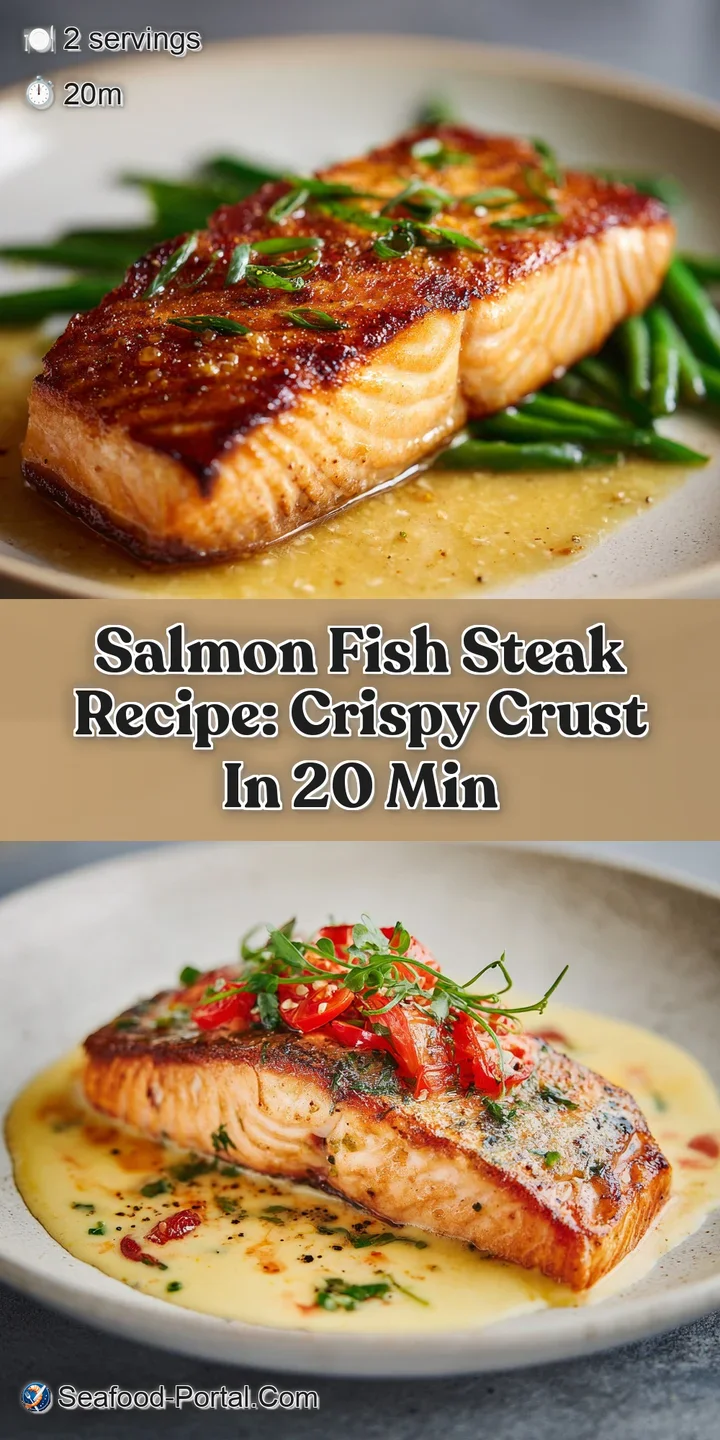
Salmon Fish Steak Recipe: Crispy Sear
- Time: Active 10 minutes, Passive 10 minutes, Total 20 minutes
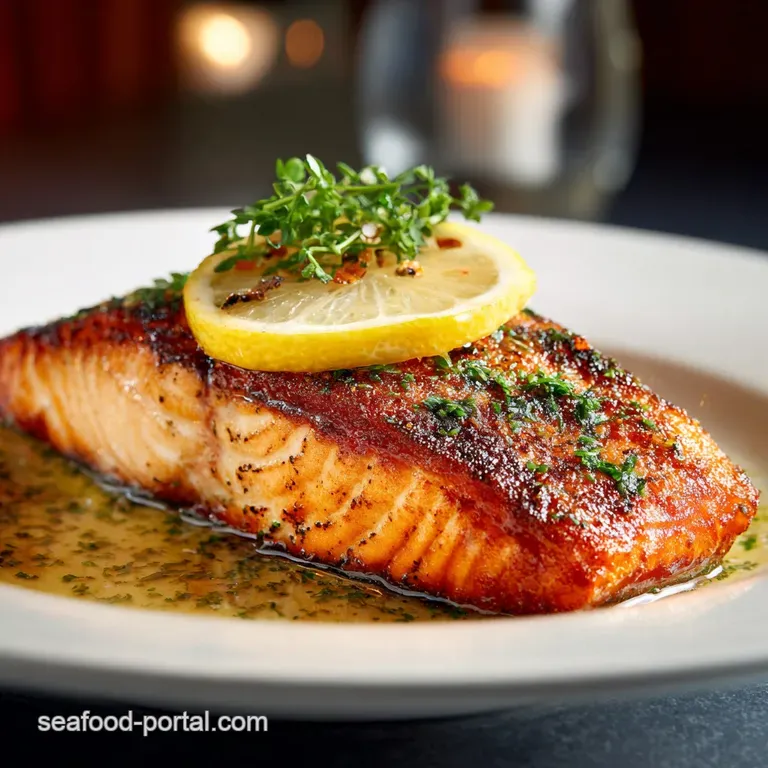
- Flavor/Texture Hook: Shattering crispy skin with a buttery, garlic infused flaky interior
- Perfect for: A high protein weeknight luxury or a romantic date night dinner
- Creating a Flavorful and Golden Pan Seared Salmon Fish Steak Recipe
- Why This Technique Delivers a Flawless Result
- A Component Analysis of a Flawless Sear
- Selecting the Best Components and Simple Substitutions
- The Step by Step Cooking Process
- Avoiding Kitchen Disasters and Ensuring Success
- Scaling the Recipe for Larger Groups
- Debunking Common Seared Seafood Myths
- Preservation Secrets and Zero Waste Tips
- How to Serve and Enjoy Your Salmon
- Recipe FAQs
- 📝 Recipe Card
Creating a Flavorful and Golden Pan Seared Salmon Fish Steak Recipe
The first time I stood over a cast iron skillet with a thick cut salmon steak, I was terrified of that center bone. I’d always played it safe with fillets, but the moment that cold fish hit the shimmering avocado oil, the sizzle was different deeper, more rhythmic.
As the aroma of toasted protein and sea salt filled my kitchen, I realized that the steak cut is the secret to getting that elusive mix of a charred, crackling exterior and a center that literally melts on your tongue.
Mistakes? Oh, I’ve made plenty. I used to crowd the pan, which just steams the fish into a grey, sad mess. I’ve also skipped the pat dry step, wondering why my crust was soggy instead of shattering.
But after dozens of trials, I’ve learned that the bone in cut is actually your best friend because it protects the meat from drying out while you hunt for that golden crust.
We are going for a sensory experience here. Think of the sound of a fork hitting a crisp skin, the sight of vibrant pink meat flaking away in velvety layers, and the smell of smashed garlic bubbling in browned butter.
This isn't just a meal; it's a technique that you’ll use for the rest of your life once you see how simple it is to get it right.
Why This Technique Delivers a Flawless Result
- Thermal Buffering: The central bone acts as a heat conductor, distributing warmth evenly to the thickest part of the meat to prevent the edges from overcooking before the center is done.
- Maillard Maximization: High smoke point avocado oil allows the surface sugars and amino acids to react at 350°F+, creating that complex, savory brown crust.
- Lipid Infusion: Basting with unsalted butter at the very end coats the muscle fibers in fat, which carries the aromatic compounds of thyme and garlic deep into the flakes.
- Carryover Precision: Removing the fish at 130°F allows the internal energy to finish the job, reaching a safe and succulent 145°F without turning the protein chalky.
| Thickness | Internal Temp | Rest Time | Visual Cue |
|---|---|---|---|
| 0.75 inch | 140°F | 2 minutes | Opaque throughout, firm touch |
| 1 inch | 135°F | 3 minutes | Flaking with a hint of translucence |
| 1.5 inch | 130°F | 5 minutes | Tender center, juices run clear |
When you are looking for more variety in your weeknight rotation, these techniques are very similar to what I use in my Fish Recipes where high heat meets delicate white fish. The key is always in the temperature control and the patience to let the crust form before you even think about moving that spatula.
A Component Analysis of a Flawless Sear
| Ingredient | Science Role | Pro Secret |
|---|---|---|
| Salmon Steaks | Structure & Fat | Buy steaks with the skin intact; the collagen provides the ultimate crunch. |
| Avocado Oil | over High heat Medium | It has a 500°F smoke point, which prevents the "burnt oil" bitter taste. |
| Unsalted Butter | Flavor Finishing | Cold butter drops the pan temp slightly, preventing the garlic from scorching. |
| Fine Sea Salt | Moisture Draw | Salt the fish 10 minutes prior to pull surface moisture out for a better sear. |
I've found that using the right fat makes or breaks this salmon fish steak recipe. If you try using extra virgin olive oil for the initial sear, it will smoke out your kitchen and leave a funky aftertaste. Stick to the avocado oil for the heavy lifting and save the butter for the finish.
Selecting the Best Components and Simple Substitutions
- 2 Large Salmon Steaks (8oz each): Look for vibrant color and a fresh sea scent. Why this? The steak cut includes the bone, which adds flavor and prevents overcooking.
- Substitute: Thick cut Halibut steaks (denser texture, less oily).
- 1 tbsp Avocado oil: High smoke point is non negotiable here. Why this? Prevents the fish from sticking while allowing for a dark, crispy crust.
- Substitute: Grapeseed oil or Rice Bran oil.
- 0.5 tsp Fine sea salt: Smaller grains dissolve faster into the protein.
- Substitute: Kosher salt (use double the amount by volume).
- 0.25 tsp Cracked black pepper: Adds a sharp, pungent bite to the rich fat.
- 2 tbsp Unsalted butter: Controls the salt level while adding creaminess. Why this? The milk solids brown beautifully, creating a nutty "beurre noisette" effect.
- Substitute: Ghee (higher smoke point, nutty flavor) or vegan butter.
- 3 cloves Garlic, smashed: Releasing the oils without burning the garlic.
- 2 sprigs Fresh thyme: Adds an earthy, lemony undertone.
- Substitute: Fresh rosemary or oregano.
- 0.5 Lemon, sliced: Bright acidity to cut through the heavy fats.
Chef's Tip: Freeze your butter for 10 minutes before adding it to the pan. This delayed melting gives the garlic and thyme more time to infuse the fat before the butter solids start to brown too deeply.
The step-by-step Cooking Process
- Dry the fish. Use paper towels to aggressively pat the salmon steaks until they are bone dry to the touch. Note: Surface moisture creates steam, which is the enemy of a crispy crust.
- Season generously. Sprinkle the sea salt and cracked pepper on both sides and the edges. Wait 5 minutes until you see tiny droplets of moisture appear, then pat dry one last time.
- Heat the skillet. Place a cast iron or heavy stainless steel pan over medium high heat. Add the avocado oil and wait until the oil shimmers and whisps of smoke appear.
- The initial sear. Lay the steaks away from you into the pan. Press down lightly with a spatula for 10 seconds. Cook for 4 minutes without moving them.
- Monitor the edges. You will see the cooked color creeping up the sides of the steak. Flip the fish once the bottom 1/3 is opaque and golden.
- The flip. Carefully turn the steaks over. They should release easily from the pan if the crust has fully formed.
- Add the aromatics. Drop the cold butter, smashed garlic, and thyme sprigs into the empty spaces of the pan. Note: The butter will foam and sizzle immediately.
- The butter baste. Tilt the pan slightly so the melting butter pools at the bottom. Use a large spoon to continuously bath the salmon in the hot fat for 2 to 3 minutes.
- Add acidity. Toss the lemon slices into the butter for the final 60 seconds until they softened and fragrant.
- Rest the meat. Transfer the steaks to a warm plate and pour the remaining pan butter over them. Let rest for 3 minutes before serving.
Avoiding Kitchen Disasters and Ensuring Success
One of the most common issues people face with this dish is sticking. If you try to flip the fish and it feels "glued" to the pan, just wait. The fish will naturally release its grip once the proteins have fully caramelized and formed a rigid structure.
Why Your Salmon Is Sicking or Dry
If your kitchen is filled with smoke but the fish is still raw inside, your heat is too high. Conversely, if the fish looks grey and boiled, your pan wasn't hot enough. It’s all about finding that sweet spot where the oil dances but doesn't burn.
| Problem | Root Cause | Solution |
|---|---|---|
| Skin is rubbery | Residual moisture or low heat | Pat dry obsessively and use a heavy bottomed pan for heat retention. |
| White "goo" on top | Overcooked proteins (Albumin) | Reduce cook time by 1 minute and pull fish at 130°F internal temp. |
| Garlic tastes bitter | Burned milk solids/garlic | Add butter and garlic only in the last 3 minutes of cooking. |
For a different flavor profile that avoids the butter basting risks, you might enjoy my Blackened Salmon with recipe which uses a dry spice crust to protect the moisture of the fish.
Common Mistakes Checklist
- ✓ Never use a cold steak; let the salmon sit at room temperature for 15 minutes before cooking.
- ✓ Don't use a non stick pan if you want a true "shatter" crust; stainless steel or cast iron is best.
- ✓ Avoid flipping more than once; every flip loses heat and risks breaking the delicate meat.
- ✓ Stop cooking when the center is still slightly translucent; carryover heat is real!
- ✓ Use fresh herbs only; dried thyme will just burn and taste like hay in the butter.
Scaling the Recipe for Larger Groups
Scaling Down (1 person): When cooking just one steak, use a smaller 8 inch skillet. If the pan is too large, the butter will spread too thin and burn before you can finish basting. You can still use the full amount of garlic and thyme for maximum flavor.
Scaling Up (4-6 people): Do not try to fit four steaks into one pan. Work in batches of two. Keep the first batch in a 200°F oven on a wire rack to keep them crispy. Wipe the pan between batches to remove any burnt bits of pepper or herbs.
You’ll need to increase the oil and butter by 50%, but don't double the salt season by taste instead.
| Servings | Salmon Weight | Pan Size | Cook Time Change |
|---|---|---|---|
| 1 Person | 8 oz | 8 inch skillet | No change |
| 2 People | 16 oz | 10-12 inch skillet | No change |
| 4 People | 32 oz | Two 10 inch pans | No change (if separate) |
Debunking Common Seared Seafood Myths
"You must wash the fish before cooking." This is actually dangerous and counterproductive. Washing salmon spreads bacteria around your sink and adds unnecessary moisture to the surface. A simple pat down with a paper towel is all you need for a clean, safe, and crispy result.
"The bone makes the fish taste 'fishy'." In reality, the marrow and connective tissue around the bone provide a deep, savory richness that fillets lack. Any "fishy" taste comes from age, not the bone. Fresh salmon should smell like a clean ocean breeze, nothing more.
Preservation Secrets and Zero Waste Tips
Storage Guidelines: Store any leftover salmon in an airtight glass container in the fridge for up to 2 days. To reheat, don't use the microwave unless you want rubbery fish. Instead, place it in a cold oven, set it to 275°F, and take it out after 10-15 minutes.
This gentle heat preserves the moisture.
Zero Waste Ideas: Don't throw away those salmon bones or the skin if you don't eat it! You can simmer the central bones with onion scraps and celery to create a quick seafood stock. If you have leftover meat, flake it into a Homemade Fish Cakes recipe the next day for a completely different meal. The lemon slices used in the pan can be chopped up and added to a side salad for a charred citrus vinaigrette.
How to Serve and Enjoy Your Salmon
The richness of a butter basted salmon steak cries out for something bright or earthy. I love serving this over a bed of garlicky sautéed spinach or alongside some crispy crushed potatoes. If you want a more "saucy" vibe, this pairs beautifully with the flavors in my Salmon with Herb recipe.
- The Light Lunch
- Serve over an arugula salad with shaved fennel and a heavy squeeze of that charred lemon.
- The Bistro Dinner
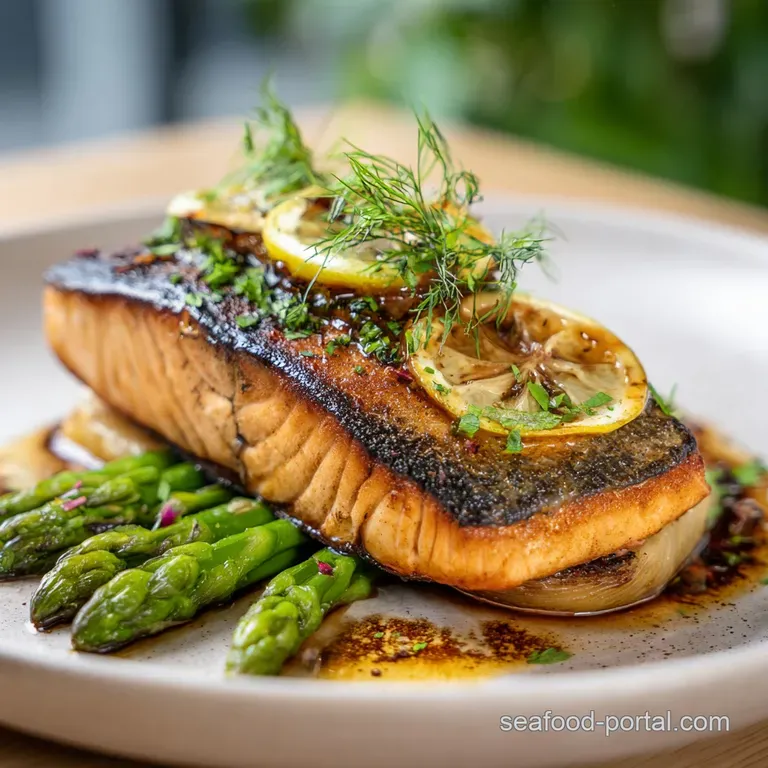
- Pair with roasted asparagus and a side of wild rice pilaf to soak up that extra garlic butter.
- The Low Carb Feast
- Serve alongside cauliflower mash and extra thyme infused butter drizzled over the top.
The beauty of this salmon fish steak recipe is that the fish is the star. You don't need a heavy sauce to hide behind when you have a crust that crackles and a center that is purely, silkily buttery. Right then, let's get that skillet hot!
Recipe FAQs
What is the absolute best oil to use for searing the salmon steak crust?
Avocado oil is highly recommended. It possesses a very high smoke point, allowing you to achieve maximum sear temperature without the oil breaking down and imparting a bitter flavor to the fish.
How do I ensure the thick bone-in steak cooks evenly without drying out the edges?
Remove the fish when the internal temperature hits 130°F and let it rest. The central bone acts as a buffer, but carryover cooking will bring the center up to the perfect 145°F without overcooking the perimeter.
Should I use salted butter when finishing the salmon steak by basting?
No, always use unsalted butter for basting. Since you season the salmon generously beforehand, using salted butter introduces too much uncontrolled sodium right at the end, potentially making the fish taste metallic.
How do I stop the salmon steak from sticking to my hot cast iron skillet during the initial sear?
Ensure the pan is fully heated and the salmon skin is bone dry. If the fish resists when you try to lift it after 4 minutes, wait 30 more seconds; the Maillard reaction needs to complete for the crust to release naturally.
Is it true that searing salmon steak works better if I salt it hours ahead of time?
No, this is a common misconception regarding timeframes. Salt the salmon heavily 10 minutes before cooking; this draws moisture out just enough to dry the surface for searing, but not so long that the salt reabsorbs and begins to cure the fish like in a dry brine.
How can I create a rich sauce using the pan drippings from the salmon steak?
Deglaze the pan with a splash of dry white wine or chicken stock immediately after removing the fish. Scrape up all the browned bits, reduce by half, and then stir in a knob of cold butter off the heat for a quick pan sauce.
What side dishes pair well with the rich flavor profile of a butter basted salmon steak?
Serve with something acidic or slightly bitter to cut the richness. Simple wilted spinach or a sharp lemon dressed salad works well; for a complementary experience, try the herbaceous profile in our Silky Salmon with Herb recipe.
Salmon Steak Recipe Sear Baste
Ingredients:
Instructions:
Nutrition Facts:
| Calories | 489 kcal |
|---|---|
| Protein | 44.8 g |
| Fat | 32.7 g |
| Carbs | 1.3 g |
| Fiber | 0.3 g |
| Sugar | 0.4 g |
| Sodium | 685 mg |
