The Chefs Classic Louisiana Shrimp Etouffee a Rouxbased Revelation
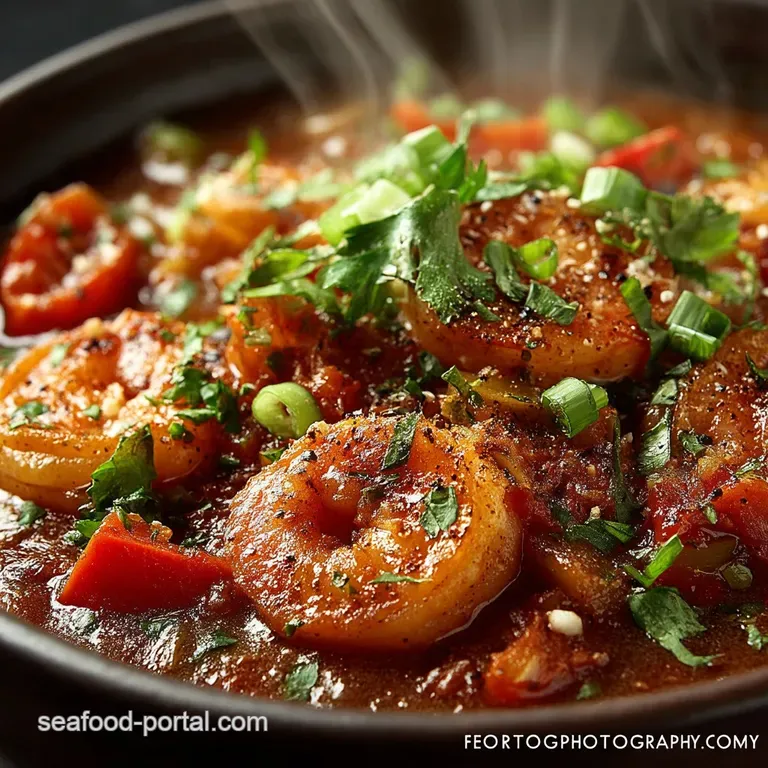
- Unveiling the Soul of Louisiana: What Makes This Shrimp Etouffee Legendary
- Demystifying 'Smothered': The True Essence of Authentic Etouffee
- Assembling Your Bayou Bounty: Essential Components for Perfection
- The Art of Transformation: Step-by-Step Culinary Journey
- Mastering the Roux: From Pale to Pecan Brown
- Elevating Your Plate: The Best Pairings for New Orleans Shrimp Etouffee
- Recipe FAQs
- 📝 Recipe Card
Unveiling the Soul of Louisiana: What Makes This Shrimp Etouffee Legendary
There are few culinary concepts as comforting or evocative as the term "smothered." When that word meets the vibrant coastal heritage of the Gulf, you arrive at New Orleans Shrimp Etouffee .
This isn't simply shrimp served in a sauce; it is a deep, complex marriage of technique and terroir, resulting in a dish that speaks volumes about Louisiana cooking traditions. For those seeking an Authentic New Orleans Shrimp Etouffee , the journey begins not with the seafood, but with the foundational elements that build its body and soul.
This recipe offers a bridge between the rustic simplicity of Cajun country and the refined approach often found in the Crescent City, making it achievable even if you're tackling your first Louisiana Ettouffe Recipe .
We aim for that signature velvety texture and profound, earthy flavour profile that defines this iconic preparation.
Demystifying 'Smothered': The True Essence of Authentic Etouffee
To truly appreciate this dish, we must understand the linguistic and culinary meaning behind the name. "Étouffée," French for smothered, describes a cooking style where the primary ingredient (in this case, plump shrimp) is gently cooked within its own flavorful, thickened liquid.
This process infuses the protein with all the surrounding spices and aromatics, ensuring every bite is saturated with the essence of the bayou. Mastering this means understanding three crucial pillars: history, technique, and sensory outcome.
A Deep Dive into the History of New Orleans Shrimp Etouffee
While closely related to Cajun Gumbo and Creole Jambalaya, Etouffee holds a unique position. Historically, it emerged as a rich, stew like dish showcasing the plentiful local crustaceans.
Unlike Gumbo, which often relies on okra or file powder for thickness, Etouffee’s structure is almost exclusively dependent on the mastery of the roux. The Shrimp Ettouffe Recipe New Orleans style leans slightly towards the use of tomatoes, distinguishing it subtly from its more rustic Cajun cousins, though the core flavour building blocks remain fiercely loyal to the region.
Why a Proper Roux is the Non-Negotiable Foundation of Flavor
The difference between a merely good stew and an Authentic New Orleans Shrimp Etouffee lies entirely in the roux. This blend of fat (butter) and flour must be cooked slowly over low heat for an extended period often 30 to 45 minutes until it achieves a deep, mahogany or dark peanut butter colour.
This process caramelizes the starches, removing the raw flour taste and developing powerful, nutty undertones that form the deep, earthy backbone of the sauce. Rushing this step yields a pale, pasty sauce, defeating the entire purpose of a true New Orleans Style Shrimp Etouffee .
Setting Expectations: Texture, Aroma, and the Comfort Factor
When executed correctly, your New Orleans Seafood Etouffee should present a thick, coating sauce that clings beautifully to a forkful of rice, rather than a watery broth.
The aroma should be an intoxicating blend of toasty nuts from the roux, mingling with sweet onion, celery, and bright seafood notes. The resulting texture is simultaneously velvety smooth and profoundly hearty, delivering a satisfying, enveloping warmth that characterizes true Southern comfort food.
This Easy Shrimp Etouffee Recipe balances that complexity with straightforward steps once the foundation is set.
Assembling Your Bayou Bounty: Essential Components for Perfection
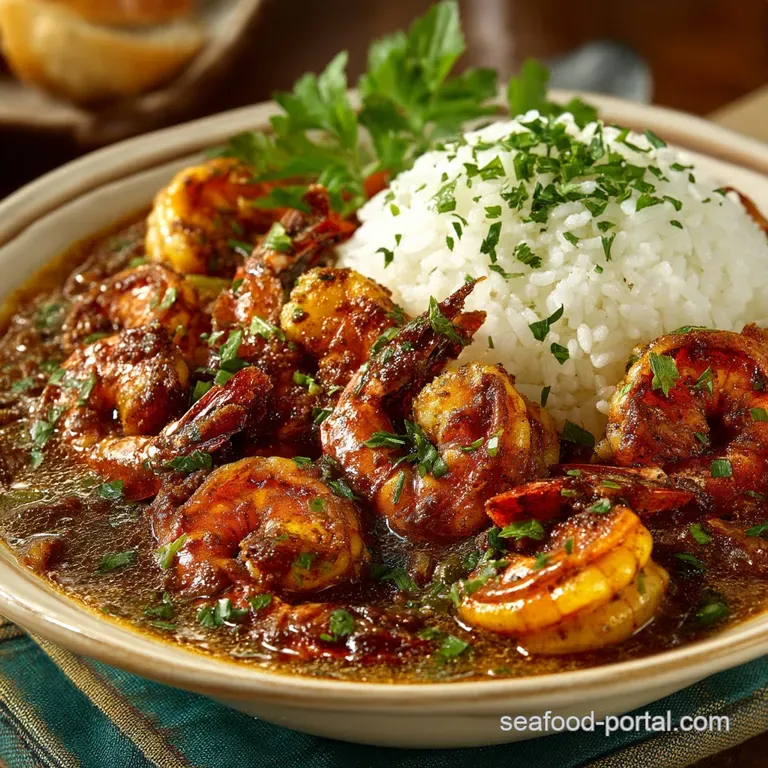
Creating something as nuanced as a Best New Orleans Shrimp Etouffee requires thoughtful sourcing of ingredients. While many components are standard pantry fare, the freshness and quality of the foundational elements directly impact the final result.
We are looking for layers of flavour that harmonize rather than compete.
The Holy Trinity and Beyond: Flavor Building Aromatics
The bedrock of virtually all great Louisiana cooking is the "Holy Trinity" onion, celery, and green bell pepper. These vegetables, finely diced and sautéed after the roux is developed, release their essential oils and sweetness, building the complex aromatic scaffolding.
Alongside them, four cloves of fresh garlic provide necessary pungency, while tomato paste is incorporated to deepen the colour and add a necessary tang that balances the richness of the butter and flour.
Selecting Superior Shrimp: Freshness vs. Frozen Considerations
For a premier New Orleans Shrimp Etouffee Recipe , 1.5 pounds of large shrimp are necessary. While fresh is always ideal, high-quality, previously frozen shrimp (thawed slowly in the refrigerator overnight) work perfectly well, provided they are impeccably fresh upon purchase.
It is vital that the shrimp are peeled and deveined but can be cooked tail-on for presentation, if preferred. Remember, they are added at the very end to prevent toughness.
Procuring the Perfect Dark Roux Ingredients
The roux requires equal parts unsalted butter (1/2 cup) and all-purpose flour (1/2 cup). Using unsalted butter allows you complete control over the final seasoning. Precision is key here; too much flour results in a gummy texture, and too little fat makes consistent stirring difficult.
Essential Kitchenware for Seamless Etouffee Construction
The choice of cooking vessel is not trivial. You absolutely need a heavy bottomed Dutch oven or a very deep, sturdy skillet. This weight ensures that heat distributes evenly across the base, which is critical for achieving that deep brown colour in the roux without scorching the flour in one spot.
A reliable whisk is also non-negotiable for incorporating the stock smoothly.
Stock Secrets: Maximizing Flavor with Shrimp Shell Broth (Optional)
While four cups of good quality, low-sodium chicken or shrimp stock are specified, the ultimate flavour upgrade comes from using homemade shrimp stock. If you have the shells from your raw shrimp, quickly simmer them with water, an onion end, and a bay leaf for 20 minutes.
Straining this liquid and using it as your stock base ensures the Etouffee sings with genuine oceanic depth, elevating your Cajun Shrimp Etouffee experience.
Related Recipes Worth Trying
- UltraCreamy Shrimp Salad Recipe with Dill Celery — Forget sad desk lunches This is the benchmark creamy shrimp salad recipe made luxurious with fresh dill and perfect crunch Find out how to make the ultimate...
- Authentic Shrimp Etouffee Recipe with Flavourful Roux — Learn to make rich authentic Cajun Shrimp Etouffee This recipe breaks down making the perfect mahogany roux for incredible depth of flavour Get the recipe
- The Best Homemade Fried Shrimp Po Boy Recipe Crispy Authentic — Tired of soggy sandwiches Master the Authentic Fried Shrimp Po Boy with our foolproof doubledredge technique and zesty remoulade Your new favourite shrimp...
The Art of Transformation: step-by-step Culinary Journey
Transforming simple flour, fat, and vegetables into a legendary New Orleans Shrimp Etouffee is a process of patience and precise timing. Follow these phases sequentially, paying close attention to the visual cues at each stage.
Mastering the Roux: From Pale to Pecan Brown
This is the crucible of the recipe. Melt the 1/2 cup of butter over medium low heat in your Dutch oven. Once shimmering, gradually whisk in the 1/2 cup of flour until smooth. Now, the wait begins. Maintain the heat so it sizzles gently but never smokes violently.
Stir constantly use a figure eight motion to ensure the entire bottom surface of the pan is scraped for 25 to 35 minutes. You are aiming for a colour resembling dark copper or milk chocolate.
If black flecks appear, you have burned it, and you must start over; this foundational flavour cannot be faked.
Building the Base: Sautéing the Mirepoix (The Trinity)
The moment the roux reaches perfection, immediately drop the heat slightly and add the diced onion, celery, and green pepper. The cooler vegetables will stop the roux from darkening further. Stir them vigorously into the hot fat mixture.
Cook for about five to seven minutes until these vegetables have softened and become translucent, integrating their sweetness into the nutty base. Next, stir in the minced garlic and the two tablespoons of tomato paste, cooking for just one minute more until the paste darkens slightly and becomes aromatic.
Slow Simmer Secrets: Developing Depth in the Sauce
Now we transition to building the sauce structure. Gradually introduce the four cups of stock, whisking vigorously as you pour to eliminate any lumps from the roux base. Once smooth, stir in the can of diced tomatoes (liquid included), dried thyme, oregano, cayenne pepper (start with 1/4 teaspoon), bay leaf, and Worcestershire sauce.
Bring this mixture up to a gentle simmer, reduce the heat to low, partially cover, and allow it to cook undisturbed for 30 minutes. This simmering period allows the flour to fully cook out and the flavour layers to meld into the rich body characteristic of a Louisiana Ettouffe Recipe .
The Final Fold: Incorporating Shrimp Without Overcooking
After the 30-minute simmer, the sauce should have thickened substantially. Taste the sauce base and adjust your salt and pepper levels now this is crucial before the shrimp go in. Raise the heat slightly to maintain a gentle, lazy simmer. Add the prepared, seasoned shrimp to the liquid.
They only require about 5 to 8 minutes. Watch them closely; as soon as they turn uniformly pink and curl slightly, they are done. Overcooked shrimp are the downfall of many a hopeful home cook.
Resting and Finishing Touches for Optimal Texture
Once the shrimp are cooked, immediately remove the pot from the heat. Fish out and discard the bay leaf. Allow the New Orleans Seafood Etouffee to rest, uncovered, for five minutes.
This brief rest allows the sauce to settle into its final, luxurious consistency and ensures residual heat finishes tenderizing the shrimp perfectly. Garnish liberally with fresh parsley and sliced scallions just before serving.
Elevating Your Plate: The Best Pairings for New Orleans Shrimp Etouffee
A dish as flavour forward as this demands simple, absorbent companions to carry its weight. The plate is not complete without the proper accompaniments that invite you to soak up every last, precious spoonful of that beautiful sauce.
Serving Suggestions: Traditional Sides That Complement the Richness
The undisputed champion pairing for any Etouffee is perfectly cooked, long grain white rice. The plain, fluffy grains act as the ideal neutral canvas to absorb the intense flavour profile of the Shrimp Ettouffe Recipe New Orleans demands.
Beyond rice, a basket of warm, crusty French bread is a must have for mopping the bowl clean. For a fresh counterpoint, consider a simple, brightly acidic side salad dressed lightly with lemon and olive oil to cut through the richness.
Spice Adjustment Guide: Customizing Heat Levels to Your Palate
The recipe calls for 1/4 to 1/2 teaspoon of cayenne, but New Orleans heat levels vary wildly. If you prefer a milder experience, use just a pinch of cayenne or substitute it entirely with a dash of milder paprika in the simmering stage.
If you crave fire, reserve some additional cayenne to sprinkle over individual servings, or even float a few drops of high-quality Louisiana hot sauce on top just before eating.
Optimal Reheating Techniques for Leftover Etouffee
This dish improves overnight, as the flavours marry further. To reheat, place the Etouffee in a saucepan over medium low heat. Add a splash (1/4 cup) of water or stock per serving to prevent sticking and thin the sauce back to its original consistency. Heat slowly, stirring gently until warm throughout.
Avoid microwaving, as it tends to create uneven pockets of heat that can overcook the shrimp if they remain in the sauce.
Nutritional Snapshot: Understanding the Heartiness of This Classic Dish
While deeply satisfying, the New Orleans Shrimp Etouffee is undeniably rich due to the roux base. It provides excellent lean protein from the generous serving of shrimp. Be aware that the fat content is significant, originating from the necessary butter used to build that flavour base.
Balancing this richness with a smaller portion of rice and plenty of fresh vegetables as sides helps create a more rounded meal.
Recipe FAQs
What is the secret to getting the perfect colour and flavour in the roux for this New Orleans Shrimp Etouffee?
The secret is patience, mate! You need to cook the flour and butter over medium low heat for at least 25 35 minutes until it hits that deep, rich peanut butter or milk chocolate colour. If you rush it, you'll burn it, which will make the whole dish bitter start low and slow, or you'll be starting over!
My Etouffee seems a bit thin after adding the stock. Should I thicken it before adding the shrimp?
Don't panic; that's quite common! The roux provides the base, but the stew needs a good 30-minute simmer to truly develop its velvety body. If it's still too thin after simmering, remove the shrimp, then whisk in a small cornstarch slurry (1 tbsp cornstarch mixed with 2 tbsp cold water) until it reaches your desired thickness before adding the shrimp back in.
I’m worried about overcooking the shrimp how long do they actually need in the sauce?
That's a brilliant culinary instinct to have! Shrimp are tiny, delicate things and cook in a flash. Add them only after the sauce has fully simmered and is holding a low bubble. They only need about 5 to 8 minutes until they turn perfectly pink and opaque; any longer and they’ll be tough as old boots!
Can I make a big batch of this and save some for later in the week?
Absolutely, Etouffee is often even better the next day once those flavours have properly married! Cool any leftovers completely, store them in an airtight container in the fridge for up to three days, and reheat gently on the stovetop, stirring often.
You may need to add a splash of stock or water to loosen it up a bit upon reheating.
How can I adjust the spice level? I like it hot, but my partner prefers it mild.
The cayenne pepper controls the heat, so treat it like a slider control. Start with the minimum amount (1/4 tsp) for a mild flavour, and taste before serving. If you want a proper kick, you can stir in a dash of your favourite hot sauce right at the end, allowing those who prefer less heat to stick to the base flavour.
What if I can't find any shrimp? What's a good substitute protein for this dish?
While shrimp are the star, you can easily use other ingredients for a cracking good stew! If you want a heartier, traditional Louisiana flavour, use sliced smoked Andouille sausage, which you'd sauté with the vegetables.
Alternatively, firm white fish like cod or tilapia works well if added right at the end, just like the shrimp.
Classic New Orleans Shrimp Etouffee

