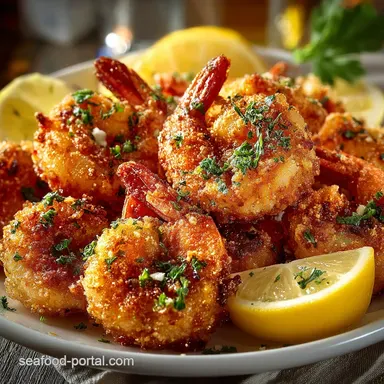
Crispy Fried Jumbo Shrimp Recipe the Secret to a Golden Crunch
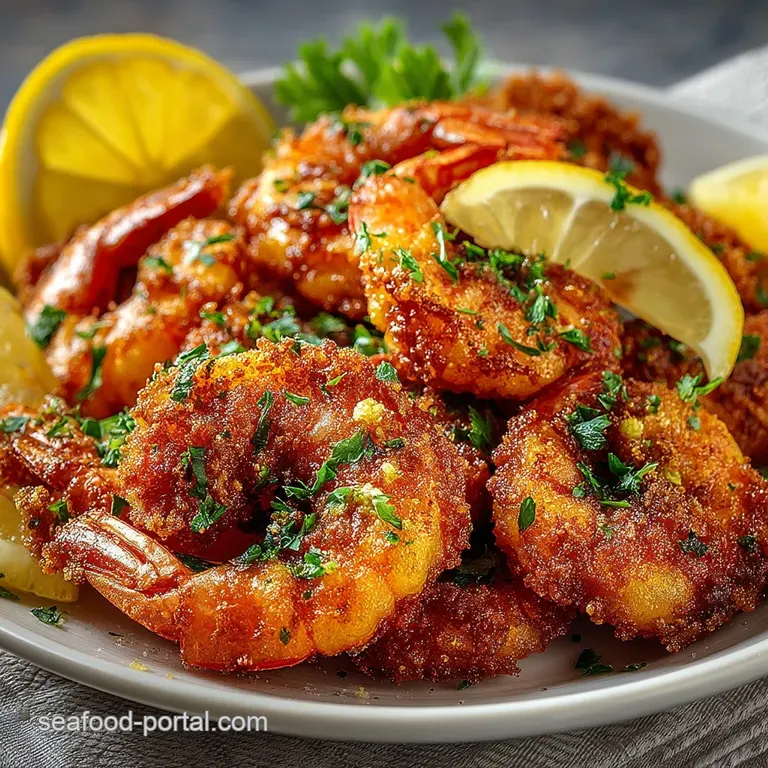
Achieving the Shatteringly Crisp Fried Jumbo Shrimp
The difference between mediocre seafood and truly magnificent Fried Jumbo Shrimp lies entirely in technique. We are not aiming for a thick, soft coating; we are aiming for armor a shield of golden crust that shatters audibly when bitten.
This level of textural perfection requires moving past standard deep frying habits and embracing a precise, triple dredging ritual combined with rigorous temperature control. By treating the coating as a protective layer rather than a simple dusting, we achieve the ultimate Crispy Fried Shrimp .
The Secret Weapon: Why Panko Beats Standard Breadcrumbs
The foundation of the Best Fried Shrimp Recipe hinges on the breading. Standard breadcrumbs are finely ground and behave similarly to flour when submerged in oil, resulting in a dense, often soggy crust that absorbs excessive grease.
Panko, conversely, is made from crustless bread and processed into large, airy, flaky shards. These flakes stand proud on the surface of the shrimp, creating significantly more surface area.
This texture allows oil to drain away quickly post fry, ensuring the finished product achieves that coveted, light, and shatteringly crisp bite while dramatically reducing oil absorption.
Essential Preparation Steps for Ultimate Adhesion
Moisture is the single greatest enemy of crispness. Before you even think about setting up your Fried Shrimp Batter Recipes , the shrimp must be meticulously patted dry after peeling and deveining.
Once they have been seasoned with salt, pepper, and fresh lemon zest, the next critical step is the chill period. After the shrimp has been fully coated in the multi stage dredge, placing it on a wire rack in the refrigerator for a minimum of 20 minutes allows the moisture in the egg wash to set and cement the coating, ensuring the Panko adheres perfectly and prevents the crust from sloughing off during the intense heat of frying.
Mastering the Oil Temperature for Zero Greasiness
The correct frying temperature is non-negotiable for achieving a flawless crust and guaranteeing that the interior cooks perfectly without drying out. If the oil is too cool (below 350° F or 175° C), the coating takes too long to crisp, giving the oil ample time to soak into the breading, resulting in a heavy, greasy product.
We target a steady temperature of 190° C ( 375° F) . This high heat quickly seals the exterior of the Jumbo Fried Shrimp , preventing the meat inside from overcooking and ensuring that the final bite is light and dry.
Securing Your Ingredients: Freshness and Flavor Essentials
A high-quality recipe starts with high-quality components. Given the simplicity of the preparation, the freshness of the seafood and the strategic layering of seasoning are paramount to the success of this dish.
Selecting the Perfect Jumbo Shrimp (Size Matters)
When making Jumbo Fried Shrimp Recipes , size truly matters for both aesthetic appeal and function. We specifically recommend the 16/20 count (meaning 16 to 20 shrimp per pound).
These large prawns have substantial meat, which stands up beautifully to the brief, hot frying process without shrinking excessively or becoming tough. Leaving the tail section of the shell intact provides a convenient handle for eating and dramatically improves the presentation.
Always opt for fresh or sustainably sourced frozen shrimp that has been properly thawed overnight.
Building the Flavor Profile: Lemon Zest and Old Bay Ratio
The flavor profile is developed in two distinct stages. First, the cleaned, raw shrimp are seasoned with a generous amount of finely grated lemon zest alongside salt and pepper. This step infuses the meat directly with a bright, aromatic lift, contrasting beautifully with the richness of the frying oil.
Second, the Shrimp Batter Recipe Fried itself is seasoned we integrate one full tablespoon of classic Old Bay seasoning (a delightful blend of celery salt, paprika, and peppers) directly into the all-purpose flour mixture.
This ensures every part of the crust is savoury and complex, amplifying the inherent sweetness of the seafood.
Essential Kitchen Tools for Deep Frying Success (Beyond the Pot)
Safety and precision are foundational to achieving professional level results. While a sturdy, deep, heavy bottomed pot or Dutch oven is obvious, the single most essential piece of equipment is a reliable deep fry thermometer. Guessing the temperature leads to inconsistency and potential disaster.
You will also need three wide, shallow dishes one for each station of the triple dredge and, crucially, a wire cooling rack placed over a sheet pan. Unlike common practice, freshly fried food should never drain directly onto paper towels, as this traps steam underneath the crust, immediately undermining all your hard work and leading to sogginess.
Related Recipes Worth Trying
- Authentic Shrimp Pad Thai Recipe StreetStyle Wok Hei at Home — Forget gluggy takeaways This authentic Shrimp Pad Thai recipe guarantees perfect Thai rice noodles Sweet sour and ready for a homemade dinner in 32 minutes
- The Bees Knees Hot Honey Shrimp Sticky Crispy and Perfectly Balanced — Achieve superior crunch with our Hot Honey Glazed Crispy Shrimp This easy recipe pairs spicy sweet honey chili sauce with perfectly golden jumbo prawns Stop...
- Best 30Minute Italian Shrimp Scampi Recipe with LemonGarlic Sauce — Make the Best Italian Shrimp Scampi in 30 minutes This simple recipe yields a velvety bright Italian Shrimp Scampi Sauce guaranteed to cling beautifully to...
Step-by-step Guide to Perfect Triple Dredged Fried Jumbo Shrimp
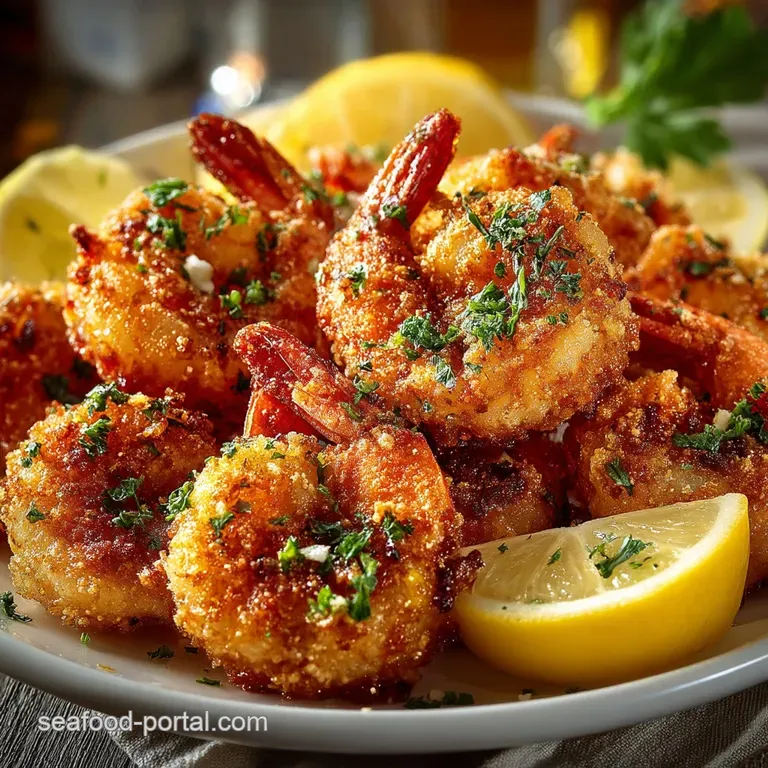
Executing the triple dredge is the bridge between seasoned shrimp and the ultimate crisp crust. Start with the dry, seasoned Jumbo Fried Shrimp . First, they are enveloped in the seasoned flour mix, shaking off any excess vigorously this establishes the foundational layer and absorbs residual moisture.
Next, they take a quick dip into the egg wash (thinned slightly with milk to ensure it isn't too heavy). Finally, they are pressed firmly into the Panko mixture. The key here is to apply firm pressure to ensure the entirety of the surface is covered and the large Panko flakes are physically adhered to the sticky egg wash.
After this rigorous coating, the shrimp must rest in the refrigerator for 20 minutes before frying.
The Final Fry and Resting Period
With the preparation complete and the coated shrimp thoroughly chilled, the final stages require focused attention to heat management and timing.
Setting Up the Dredging Stations: Flour, Egg, and Crumb Preparation
Before starting, ensure your three dishes are lined up in order: Flour (mixed with Old Bay) first, Egg Wash (whisked with milk) second, and Panko (mixed with dried parsley) last. This assembly line approach makes the process efficient, especially when dealing with the high volume of Jumbo Fried Shrimp .
The Triple Coat Technique: Ensuring Maximum Crust Adhesion
The systematic coating ensures structural integrity. Go quickly from flour to egg wash, letting the excess egg drip back into the dish, and then apply the Panko aggressively. Use your fingertips to gently press the flakes onto the shrimp so they are solidly bonded to the egg layer.
This painstaking adherence technique is what separates merely fried shrimp from restaurant quality Crispy Fried Shrimp .
Monitoring the Oil: Achieving the Ideal Frying Temperature
Fill your pot with enough high smoke point oil (like canola or peanut) to reach at least 5cm deep. Heat the oil slowly, constantly monitoring the thermometer until it registers exactly 190° C ( 375° F) .
Maintain this temperature rigorously throughout the entire process adjust the heat under the pot constantly if necessary.
Timing the Batches: Preventing Oil Temperature Drop
To maintain that crucial 375° F temperature, you must fry the Fried Jumbo Shrimp in small batches, typically 4 to 6 pieces at a time. Dropping too many cold shrimp into the oil simultaneously will cause the temperature to plummet rapidly, resulting in greasy shrimp and a pale, dull crust.
Fry each batch for a maximum of 2 to 3 minutes, turning once, until they achieve a deep, rich golden color.
Draining the Excess: Moving from Oil to the Cooling Rack
Immediately upon removing the cooked shrimp with tongs or a spider skimmer, transfer them directly to the wire cooling rack. This allows air circulation on all sides, instantly draining the excess oil and preventing the crust from steaming against a solid surface.
This is the moment to season immediately with flaky sea salt; the heat and residual oil ensure the salt adheres perfectly.
Serving Suggestions: Garnish and Dipping Sauce Pairings
The classic Fried Shrimp Recipe demands a tangy, creamy counterpoint. A vibrant homemade tartar sauce or a rich garlic aioli are ideal dipping companions. Garnish the finished plate simply with extra wedges of fresh lemon and a dusting of chopped fresh parsley to echo the flavors built into the seasoning.
Troubleshooting and Advanced Tips for Crispy Results
Even experienced cooks encounter issues when deep frying. Here are solutions to common problems that arise when preparing Jumbo Fried Shrimp .
Why Is My Shrimp Soggy? Common Mistakes to Avoid
Sogginess is primarily attributable to one of three factors: inadequate drying of the shrimp prior to coating, skipping the essential 20-minute chill time, or most frequently, frying at a temperature below 375° F ( 190° C).
If the oil is too cool, the coating immediately begins absorbing fat. On top of that,, never overcrowd the pot, which lowers the heat, and never allow the freshly cooked shrimp to sit directly on paper towels.
Reheating Leftovers: Restoring the Crunch Factor
Microwaving leftover Crispy Fried Shrimp is strictly forbidden, as it guarantees a rubbery texture and a soggy crust. To revive the desired crunch, preheat your oven or air fryer to a high setting ( 200° C or 400° F).
Spread the shrimp in a single layer and heat for 4 to 6 minutes, checking periodically. The dry, high heat will evaporate residual moisture and re-crisp the Panko.
Making It gluten-free: Substitutions for Flour and Panko
This recipe is easily adaptable for a gluten-free diet without compromising texture. Simply substitute the all-purpose flour with rice flour or a quality GF flour blend, and ensure you use certified gluten-free Panko breadcrumbs, which are now widely available and offer comparable crunch to the traditional variety.
Nutritional Snapshot: Calories and Protein Content
While deep fried, Jumbo Fried Shrimp remains an excellent source of lean protein, delivering an estimated 35 40 grams per serving. Due to the high heat frying process and minimal oil absorption achieved using Panko and proper technique, the estimated calorie count remains reasonable, typically falling between 500 and 550 calories per main serving (excluding sauces).
Alternative Cooking Method: Air Fryer Jumbo Shrimp Adaptation
For a significantly lighter option, the air fryer offers a solid adaptation of this Fried Shrimp Recipe . Follow all preparation and dredging steps exactly, ensuring the shrimp is well chilled. Preheat the air fryer to 200° C ( 400° F).
Lightly spritz the coated shrimp with oil spray and cook for 8 to 10 minutes, flipping halfway. While the result is wonderfully crisp, it will be closer to baked rather than the true "shatteringly crisp" texture only deep frying can provide.
Flavor Twists: Switching Up the Spice Rubs (Cajun vs. Italian)
The beauty of this Fried Shrimp Batter Recipes structure is its versatility. While the Old Bay seasoning creates a classic Mid-Atlantic American profile, you can easily swap it for bolder or milder notes.
For a Cajun twist, replace the Old Bay in the flour with a potent mix of paprika, cayenne, garlic powder, and oregano. Alternatively, for an Italian take, use dried basil, oregano, and a pinch of fennel seed in the Panko mixture for a herbal, savory finish.
Recipe FAQs
Crikey, how do I stop my fried shrimp from being soggy and greasy?
The secret lies in controlling moisture and temperature, much like perfecting a Yorkshire pudding. Make sure the raw shrimp are patted bone dry before coating moisture is the enemy of crispiness.
Crucially, maintain your oil temperature at a steady 190°C (375°F), because if the oil drops too low, the coating acts like a sponge, soaking up fat faster than a thirsty tourist on holiday.
Can I prepare these ahead of time for a dinner party, and how long will the leftovers last?
Yes, efficiency is key! You can coat the shrimp entirely (the triple dredge method) and keep them chilled on the wire rack for up to four hours before frying. For leftovers, they keep well in the fridge for up to three days.
For the best crunch, always reheat them in an air fryer or hot oven (around 180°C/350°F), never the microwave nobody wants rubbery seafood!
I love that shatteringly crisp texture, but is there a less oily way to make these Fried Jumbo Shrimp?
Absolutely! For a lighter take on these Fried Jumbo Shrimp, the air fryer is a brilliant bit of kit. Cook them at 200°C (400°F) for about 8 to 10 minutes, lightly spritzed with oil, flipping halfway through.
They’ll come out beautifully golden and crisp, though perhaps not quite that full, deep fried 'chippy style' crunch.
I haven't got Old Bay Seasoning in my cupboard what else works well?
No worries at all, it's easily substituted! A fantastic British pantry alternative is a blend of paprika, celery salt, a little mustard powder, and a pinch of cayenne pepper, which mimics that classic seafood flavour.
Alternatively, try adding dried oregano and a little grated Parmesan to the Panko crumbs for an easy Italian twist that pairs beautifully with garlic aioli.
What is the single most important cooking tip I need to know to nail this recipe?
Temperature control is the absolute champion here you simply must use a thermometer. Keeping the oil steady at 190°C (375°F) ensures quick, clean cooking and minimal oil absorption.
Furthermore, always fry in small batches; overcrowding the pan will drop the oil temperature instantly, turning your glorious crisp coating into a sad, oily mess.
Crispy Fried Jumbo Shrimp With Panko Batter