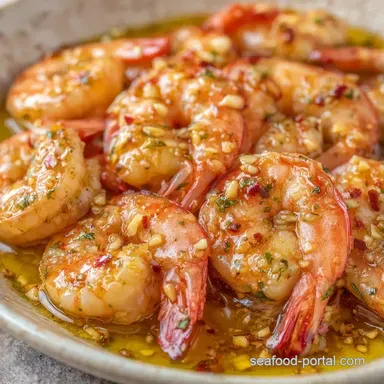
Poached Olive Oil Shrimp: Velvety and Garlic-Infused
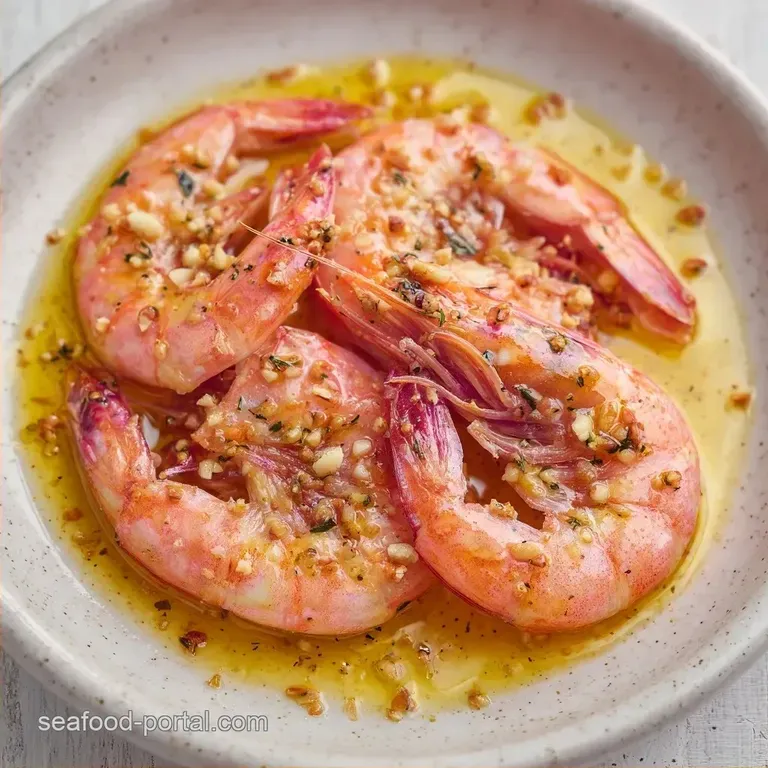
- Time: 5 min active + 10 min cook
- Flavor/Texture Hook: Velvety texture with a garlic infused finish
- Perfect for: Elegant gatherings, low carb appetizers, or a fresh dinner party starter
The smell of garlic hitting warm olive oil is one of those scents that immediately makes a house feel like a home in Southern Italy. I remember the first time I tried this, I was convinced that the only way to get "restaurant quality" shrimp was to sear them on high heat until they got those dark, charred spots.
I thought low heat was just for boiling eggs or poaching fish.
But I was wrong. High heat often pushes shrimp into that rubbery, bouncy territory where you're fighting the protein with every chew. When you switch to a gentle poach, the shrimp stay tender and snap perfectly. This Poached Olive Oil Shrimp recipe is all about patience and temperature control, ensuring the shrimp absorb the garlic and red pepper without ever getting tough.
You can expect a dish that feels sophisticated but takes almost no effort. It's a celebratory plate that works just as well for a quiet Tuesday as it does for a crowded holiday table. Let's get into how to get that silky texture every single time.
Poached Olive Oil Shrimp
The secret here is the temperature of the oil. If the oil is screaming hot, you're just frying the shrimp, which changes the texture entirely. By keeping the oil at a simmer, you're essentially confitting the shrimp in a flavored fat.
This process protects the delicate proteins and allows the lemon and garlic to permeate the meat.
According to the techniques explored at Serious Eats, controlling the temperature of your cooking medium is the only way to prevent muscle fibers from tightening too aggressively. This is why the shrimp in this recipe feel velvety rather than chewy.
- Gentle Heat
- Low temperatures prevent the proteins from contracting too quickly, which stops the "rubber" effect.
- Lipid Infusion
- Garlic and red pepper flakes release their flavor into the oil, coating every inch of the shrimp.
- Acid Contrast
- Adding lemon juice at the end cuts through the richness of the olive oil, brightening the whole plate.
- Carryover Cooking
- The shrimp continue to cook for a minute after leaving the oil, so pulling them at the "C" shape is vital.
If you enjoy this gentle approach to seafood, you might also like my Easy Poached Cod, which uses a similar low temp philosophy to keep the fish flaky.
| Method | Time | Texture | Best For |
|---|---|---|---|
| Sauté | 3 mins | Seared/Firm | Quick weeknight meals |
| Poach | 4 mins | Velvety/Tender | Elegant appetizers |
| Boil | 2 mins | Rubbery/Clean | Classic shrimp cocktail |
Component Analysis
| Ingredient | Science Role | Pro Secret |
|---|---|---|
| Extra Virgin Olive Oil | Heat medium & flavor | Use a cold pressed oil for the best peppery finish |
| Garlic | Aromatic base | Slice paper thin to prevent burning |
| Large Shrimp | Main protein | Keep the tails on for better plating and flavor |
| Lemon Juice | pH balancer | Squeeze fresh; bottled juice is too metallic |
Shopping List Breakdown
For this recipe, the quality of your oil is everything. Since the oil is the primary cooking medium and a flavor component, don't reach for the "light" olive oil. You want a robust extra virgin olive oil that can stand up to the garlic.
- 1 cup extra virgin olive oil Why this? Provides the rich, fruity base for poaching
- 4 cloves garlic, thinly sliced Why this? Slices infuse better than minced garlic
- 1 tsp red pepper flakes Why this? Adds a gentle, warming heat
- 1 tsp kosher salt Why this? Coarse grains dissolve evenly in oil
- 1 tbsp lemon zest Why this? Adds aromatic citrus oils without the acid
- 1 lb large shrimp, peeled and deveined, tail on Why this? Large shrimp hold their shape better during poaching
- 1 tbsp fresh lemon juice Why this? Brightens the fat and cuts the richness
- 2 tbsp fresh parsley, chopped Why this? Adds a fresh, herbaceous contrast
- 1/4 tsp black pepper Why this? Provides a subtle, woody finish
| Original Ingredient | Substitute | Why It Works |
|---|---|---|
| Extra Virgin Olive Oil | Avocado Oil | Higher smoke point. Note: Lacks the Mediterranean fruitiness |
| Fresh Lemon Juice | White Wine | Adds acidity and depth. Note: Slightly more "boozy" profile |
| Red Pepper Flakes | Paprika | Milder, smokier flavor. Note: Less heat than flakes |
Essential Kitchen Tools
You don't need a fancy setup for this, but a few specific tools make it easier. A wide skillet is better than a deep pot because it allows the shrimp to lay in a single layer, ensuring they all cook at the same rate.
I recommend a stainless steel or cast iron skillet. Non stick works, but stainless steel handles the heat more consistently. You'll also want a slotted spoon. This is non negotiable. You need to lift the shrimp out of the oil without bringing a cup of fat with them.
Finally, a sharp chef's knife is key for the garlic. You want those slices to be translucent and thin. If the garlic is chunky, it won't infuse the oil as evenly, and you'll end up with some burnt bits and some raw bits.
The Cooking Process
Right then, let's get into the actual cooking. The most important part is the heat. We aren't frying these; we're bathing them.
Preparing the Infusion
- Slice the garlic cloves as thinly as you can. Note: Thin slices are less likely to burn than minced garlic
- Pour the extra virgin olive oil into a skillet.
- Add the sliced garlic, red pepper flakes, and kosher salt.
- Warm the mixture over medium low heat for 3-5 minutes until the garlic is fragrant and translucent. Note: Do not let the garlic turn brown, or it will taste bitter
Poaching the Shrimp
- Carefully slide the shrimp into the warm oil.
- Lower the heat to a simmer until the oil barely bubbles. Note: This is the "poaching" phase
- Poach for 2-4 minutes, turning them occasionally.
- Watch for the shape until they form a 'C' shape and are opaque. Note: If they curl into an 'O', they are overcooked
Finishing the Dish
- Use a slotted spoon to move the shrimp to a platter.
- Drizzle with fresh lemon juice and sprinkle with chopped parsley, lemon zest, and black pepper. Note: The residual heat will wake up the parsley and zest
Fixing Common Errors
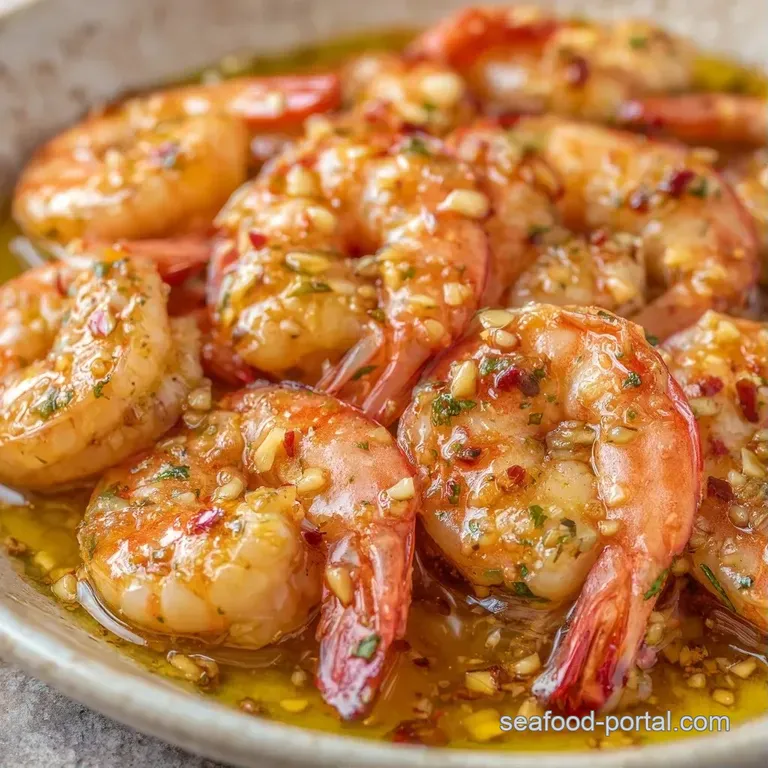
The biggest issue people run into with Poached Olive Oil Shrimp is the "rubber" effect. This happens when the internal temperature of the shrimp climbs too high, too fast. The protein fibers tighten like a rubber band, and no amount of sauce can fix that.
Another common slip up is the garlic. Because the oil is warm, the garlic can go from "golden" to "burnt" in about ten seconds. If you see the garlic turning dark brown, pull the pan off the heat immediately.
Managing the Texture
| Problem | Root Cause | Solution |
|---|---|---|
| Rubbery Shrimp | Overcooked | Remove from oil the moment they hit a 'C' shape |
| Bitter Oil | Burnt garlic | Keep heat at medium low; remove pan if garlic browns |
| Bland Flavor | Under salted | Ensure you salt the oil before adding the shrimp |
Quick Fix Checklist:
- ✓ Check oil temp with a spoon (should simmer, not splash)
- ✓ Slice garlic thin to ensure even infusion
- ✓ Use a slotted spoon to avoid oil logging the plate
- ✓ Pull shrimp when they are just opaque, not tightly curled
- ✓ Add lemon juice only after removing shrimp from heat
Creative Flavor Twists
If you want to change the vibe of this dish, you can easily swap the aromatics. For a more earthy tone, try adding a sprig of fresh rosemary or thyme to the oil alongside the garlic. The oil will carry those woody notes right into the shrimp.
For those who love a bit more kick, this dish pairs incredibly well with a side of Spicy Cajun Remoulade Sauce. The creaminess of the sauce balances the clean, oily finish of the poaching method.
Adjusting the Profile
- Mediterranean Style: Add a few kalamata olives and a pinch of oregano to the oil.
- Zesty Twist: Swap the lemon for lime and use cilantro instead of parsley.
- Low Sodium: Replace kosher salt with a splash of coconut aminos or extra lemon zest.
- Frozen Options: If using frozen shrimp, thaw them completely in the fridge and pat them bone dry with paper towels. Any excess water will cause the oil to splatter.
Scaling the Recipe
When you're making this for a crowd, the biggest mistake is crowding the pan. If you put 3 pounds of shrimp in a 12 inch skillet, the oil temperature will drop too low, and you'll end up steaming the shrimp instead of poaching them.
Scaling Down (1/2 batch): Use a smaller skillet to keep the oil depth consistent. Reduce the garlic to 2 cloves. The cooking time remains roughly the same, but keep a close eye on them as smaller batches can cook faster.
Scaling Up (2x-4x): Work in batches. Poach the shrimp in two or three rounds and keep the finished ones on a warm platter. When increasing the oil and spices, only increase the salt and red pepper flakes by 1.5x to avoid over seasoning.
| Level | Setup | Detail |
|---|---|---|
| Simple | Ceramic bowl | Garnish with fresh parsley and a lemon wedge |
| Polished | White platter | Arrange in a circle with sliced garlic and lemon rounds |
| Restaurant | Slate board | Drizzle a bit of the poaching oil and add micro greens |
Common Seafood Myths
There is a lingering idea that you need to "seal" seafood with high heat to keep the juices inside. This isn't true. High heat actually pushes moisture out of the shrimp, which is why they shrink and get tough. Poaching is actually the superior way to maintain moisture.
Another myth is that olive oil can't be used for "frying" or poaching because of its smoke point. While EVOO has a lower smoke point than canola, we are poaching at a simmer, not deep frying. The oil never reaches its smoke point in this recipe, so you get all the flavor without the smoke.
Storage and Waste
This dish is best served immediately, but you can store leftovers in an airtight container in the fridge for up to 2 days. To reheat, don't use a microwave, as that will turn the shrimp into rubber. Instead, gently warm them in a pan with a tablespoon of the original poaching oil for 1-2 minutes.
Freezing: I don't recommend freezing the poached shrimp. The texture of the oil and the delicate proteins doesn't hold up well in the freezer, and they often become mushy upon thawing.
Zero Waste: Don't toss that leftover garlic infused oil! It's liquid gold. Strain out the garlic bits and keep the oil in a jar in the fridge. Use it as a base for sautéing vegetables, drizzling over pasta, or as a dip for crusty sourdough bread.
Serving Suggestions
Because the flavor profile is so clean, this dish needs sides that provide a bit of crunch or acidity. A crisp arugula salad with a light vinaigrette is the perfect companion. The peppery greens cut through the richness of the oil.
If you're looking for something heartier, serve the shrimp over a bed of garlicky sautéed spinach or with a side of grilled polenta. For a true Mediterranean experience, provide a bowl of warm, toasted baguette slices to soak up the leftover lemon garlic oil from the platter.
This Poached Olive Oil Shrimp recipe is all about celebrating the ingredients. When you have great shrimp and a bottle of high end oil, you don't need to hide them under heavy sauces. Keep it fresh, keep the heat low, and enjoy the velvety result.
Recipe FAQs
How do you poach shrimp in olive oil?
Warm olive oil, sliced garlic, red pepper flakes, and salt over medium-low heat for 3–5 minutes. Slide in the shrimp and simmer for 2–4 minutes until they are opaque and form a 'C' shape.
Should you cook your shrimp in olive oil?
Yes, it is highly recommended. Poaching in olive oil preserves the delicate texture of the seafood while infusing it with a rich, aromatic flavor.
How do you cook shrimp for diabetics?
Prioritize heart-healthy fats and fresh aromatics. This method uses extra virgin olive oil, fresh garlic, and lemon, avoiding the sugars and refined carbohydrates found in breaded or glazed recipes.
How do you make cooked frozen shrimp taste better?
Thaw and pat the shrimp completely dry before poaching. Removing surface moisture prevents the oil from splattering and ensures the shrimp poach properly rather than steaming.
What are some delicious shrimp dishes for parties?
Serve a mix of warm and chilled options. These poached shrimp are a great elegant choice, and they pair well with fresh summer rolls for a diverse appetizer platter.
Is it true that shrimp must be cooked at very high heat to stay tender?
No, this is a common misconception. Gentle poaching at a simmer prevents the proteins from tightening too quickly, which keeps the shrimp succulent instead of rubbery.
How do you store and reheat leftover poached shrimp?
Store in an airtight container in the fridge for up to 2 days. Reheat them in a pan with a tablespoon of the original poaching oil for 1–2 minutes to maintain the correct texture.
Poached Olive Oil Shrimp in 15 Minutes