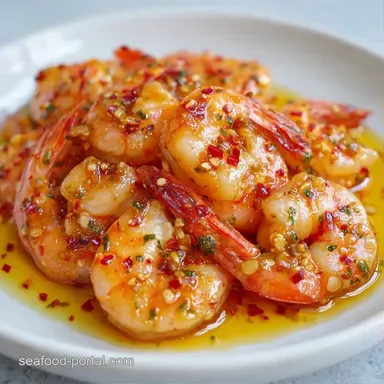
Spanish Garlic Shrimp: Classic Gambas Al Ajillo
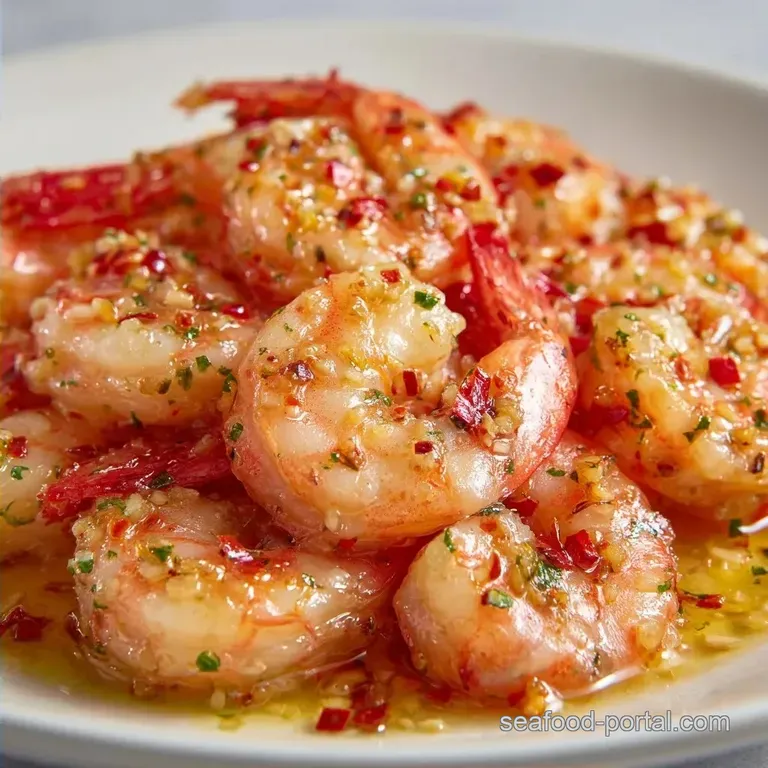
- Time: 5 min active + 10 min cook
- Flavor/Texture Hook: Nutty, sizzling garlic oil with a snap of fresh lemon
- Perfect for: Impressive appetizers or a fast Mediterranean dinner
The sound of garlic hitting hot olive oil is the only alarm clock I need. I remember the first time I had Gambas al Ajillo in a tiny, loud bar in Madrid. The clay pot was still bubbling when it hit the table, and the aroma of toasted garlic and chili was so intense it practically woke up every sense I had.
I spent a few months trying to replicate that exact "sizzle" at home, often ending up with burnt garlic that tasted like charcoal.
The secret is all in the temperature of the pan. Most people throw oil in, let it smoke, then drop in the garlic, which is a one way ticket to bitterness. This Spanish Garlic Shrimp approach is different because we start cold. It lets the garlic gently steep in the oil, pulling out those sweet, nutty notes before we crank the heat for the shrimp.
You can expect a dish that's vibrant and bold. It's a shareable plate that feels like a celebration, whether you're hosting a big crowd or just treating yourself on a Tuesday. We're going for a texture that's snappy and a sauce that's velvety, finished with a hit of lemon to cut through the richness.
Authentic Spanish Garlic Shrimp Recipe
Getting this right means focusing on the oil. In a traditional tapas setting, the oil isn't just for cooking, it's a sauce you mop up with crusty bread. If you use a cheap vegetable oil, you'll miss that characteristic Mediterranean depth.
I always reach for a decent extra virgin olive oil because it stands up to the heat and adds a peppery finish that complements the seafood.
When you're preparing your Spanish Garlic Shrimp, don't rush the garlic. Slicing it thinly instead of mincing it is a deliberate move. Thin slices brown more evenly and don't burn as quickly as tiny minced bits. It also gives you those lovely golden shards of garlic that you can eat along with the shrimp.
The timing on the heat is where most people trip up. You want the oil to be shimmering, almost dancing, before the shrimp hit the pan. If the pan is too cool, the shrimp will stew in their own juices and turn grey. If it's too hot, they'll toughen up before they even get a golden crust.
It's a narrow window, but the reward is a shrimp that's opaque and tender.
Making the Garlic Pop
The goal here is to infuse the oil without scorching the aromatics. Garlic has a lot of natural sugars that caramelize quickly, which is why the temperature ramp is so important.
- Cold Start Infusion: Starting the garlic in cold oil allows the flavor to migrate into the fat slowly, creating a fragrant base.
- Capsaicin Release: Adding chili flakes at the end of the garlic phase prevents the pepper from burning, which would otherwise make the oil taste acrid.
- Protein Searing: High heat creates a quick crust on the shrimp, locking in moisture while providing a textural contrast.
- Acid Balancing: Adding lemon juice after removing the pan from the heat prevents the acid from curdling the oil or overcooking the seafood.
| Method | Time | Texture | Best For |
|---|---|---|---|
| Stovetop | 15 mins | Snappy & Sizzling | Immediate serving, tapas style |
| Oven Baked | 20 mins | Softer, Poached | Larger batches, hands off prep |
Component Analysis
Understanding the role of each ingredient helps you adjust the flavor profile without ruining the dish.
| Ingredient | Science Role | Pro Secret |
|---|---|---|
| Extra Virgin Olive Oil | Heat Medium | Use a Spanish style oil for a more authentic, fruity taste |
| Sliced Garlic | Flavor Base | Slice with a mandoline for perfectly uniform browning |
| Lemon Juice | Brightener | Squeeze fresh; bottled juice lacks the volatile oils needed |
| Smoked Paprika | Earthy Finish | Add at the very end so the powder doesn't burn in the oil |
Ingredients
For this recipe, quality is everything. Don't settle for frozen shrimp that have been treated with phosphates, as they'll leak water and prevent the sear.
- 1 lb (450g) large shrimp, peeled and deveined Why this? Large shrimp hold their shape and don't overcook as fast
- 1/2 tsp (3g) kosher salt
- 1/4 tsp (1g) black pepper
- 1/3 cup (80ml) extra virgin olive oil Why this? Provides the essential Mediterranean fat base
- 6 cloves (24g) garlic, thinly sliced
- 1 tsp (2g) dried red chili flakes
- 1 tbsp (15ml) fresh lemon juice Why this? Cuts through the richness of the olive oil
- 2 tbsp (8g) fresh parsley, finely chopped
- 1 pinch (0.5g) smoked paprika
Substitution Options
| Original Ingredient | Substitute | Why It Works |
|---|---|---|
| Large Shrimp | Prawns | Similar texture. Note: May require 1 extra minute of cooking |
| Extra Virgin Olive Oil | Avocado Oil | High smoke point. Note: Lacks the distinct olive flavor |
| Smoked Paprika | Sweet Paprika | Adds color. Note: Loses the wood fired depth |
| Fresh Parsley | Fresh Cilantro | Bright herbal note. Note: Shifts the flavor toward a Latin profile |
Equipment Needed
You don't need a fancy kitchen to make Spanish Garlic Shrimp, but the pan choice matters. I highly recommend a stainless steel or cast iron skillet. Non stick pans are fine, but they don't develop the same sear on the shrimp. If you have a traditional clay cazuela, that's the gold standard for heat retention.
A sharp chef's knife or a mandoline is your best friend for the garlic. You want those slices to be almost translucent. If the garlic is too thick, it won't brown evenly. Also, have a slotted spoon ready if you want to control how much oil ends up on the plating dish.
Bringing It Together
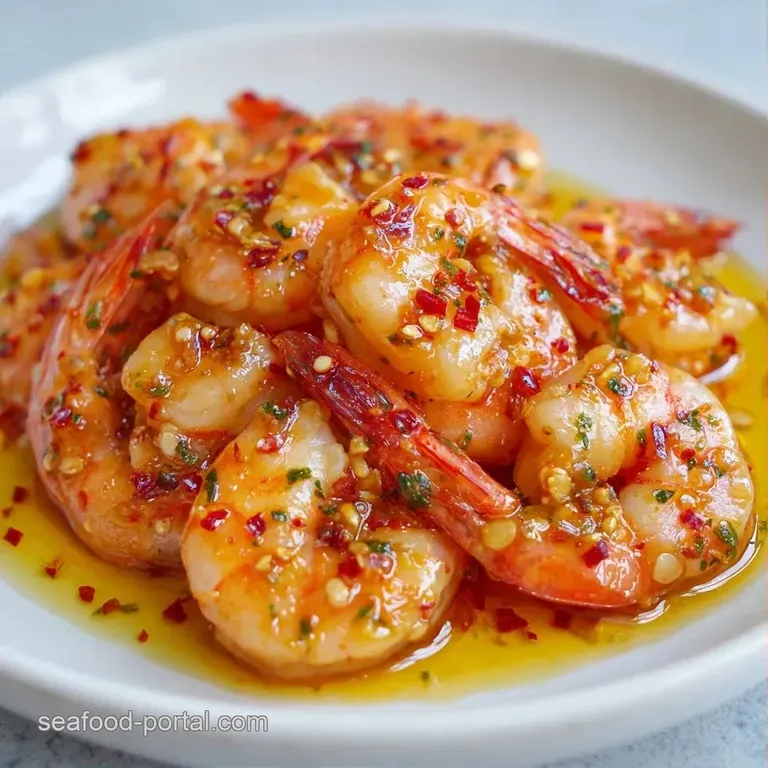
Right then, let's get to the cooking. Follow these steps closely, and keep an eye on the garlic.
- Add the olive oil and sliced garlic to a cold skillet. Note: Starting cold prevents the garlic from burning instantly.
- Turn the heat to medium. Cook slowly, stirring occasionally, until the garlic turns a pale golden brown and smells nutty.
- Stir in the chili flakes during the last 30 seconds of the garlic infusion process to avoid scorching.
- Increase the heat to medium high until the oil is shimmering.
- Add the shrimp in a single layer and sear for 2 minutes without moving them to develop a golden crust.
- Flip the shrimp and cook for another 1-2 minutes until they curl into a 'C' shape and turn opaque pink.
- Immediately remove the pan from the heat. Note: Shrimp carryover heat will continue to cook them.
- Stir in the lemon juice and fresh parsley.
- Sprinkle with smoked paprika just before serving.
Chef's Note: If you see the garlic turning dark brown too quickly, slide the pan off the heat for 10 seconds. It's a fine line between "nutty" and "bitter."
Fixing Common Problems
Most issues with this dish come down to temperature control. Whether it's the garlic or the shrimp, heat is the main culprit.
Troubleshooting Common Issues
| Issue | Solution |
|---|---|
| Why Your Garlic Is Bitter | This happens when the garlic reaches its smoke point and burns. Burnt garlic is impossible to fix; you'll have to start over. |
| Why Your Shrimp Are Rubbery | Overcooking is the enemy here. If the shrimp curl into a tight 'O' shape, they've gone too far. Pull them off the heat the second they hit that 'C' curve. |
| Why Your Oil Is Splattering | This usually happens if the shrimp are damp when they hit the oil. Use a paper towel to pat them bone dry before seasoning. |
Common Mistakes Checklist
- ✓ Patting shrimp dry with paper towels.
- ✓ Slicing garlic thinly, not mincing.
- ✓ Using a single layer in the pan (don't crowd).
- ✓ Adding lemon juice AFTER removing from heat.
- ✓ Monitoring the garlic color every 30 seconds.
Customizing Your Plate
Once you've got the basics down, you can take this in a few directions. If you're feeling hungry, you can toss with pasta for a full meal. The garlic oil acts as a built in sauce that clings to the noodles.
For a heartier version, try creating Spanish Garlic Shrimp and Rice. I like to serve it over a bed of saffron infused basmati or a simple garlic fried rice. The grains soak up all that leftover gold oil from the pan.
If you want something different but love the seafood vibe, you might enjoy a Prawn Creole recipe which uses a more tomato based sauce. But for those who love the purity of garlic and oil, this recipe is the way to go.
Adjustment Guide
- Scaling Down (1/2 batch): Use a smaller 8 inch skillet. Reduce the cooking time for the garlic by about 20% as it will heat up faster in a smaller volume of oil.
- Scaling Up (2x-4x): Do NOT crowd the pan. Work in batches. If you put too many shrimp in at once, the temperature drops and they will steam instead of sear. Increase spices to 1.5x only; don't double the salt or chili flakes or they may overpower the dish.
Garlic Myths
There's a lot of noise about how to cook garlic. Let's clear some of it up.
Myth: You must mince garlic for maximum flavor. Actually, for this dish, slicing is better. Mincing creates more surface area, which means the garlic burns faster. Slices provide a more controlled release of flavor and a better texture.
Myth: Searing shrimp "seals in" the juices. Searing is about flavor, not sealing. The golden crust is purely for taste and texture. The juices stay in based on how long you cook them, not the sear itself.
Preservation Secrets
Since this is a over high heat, fresh seared dish, it's best eaten immediately. However, if you have leftovers, here is how to handle them.
Fridge Storage Store in an airtight container for up to 2 days. The shrimp will firm up in the fridge, so you'll need to be careful when reheating.
Reheating for Texture Avoid the microwave; it will turn the shrimp into rubber. Instead, heat a small amount of olive oil in a pan over medium heat. Toss the shrimp in for just 60-90 seconds, enough to warm them through without cooking them further.
Zero Waste Tip Don't throw away the leftover garlic oil! Strain it through a fine mesh sieve and keep it in a jar in the fridge for 3 days. Use it to sauté spinach, roast potatoes, or drizzle over toasted sourdough.
Serving Suggestions
This dish is all about the presentation. Depending on the vibe of your gathering, you can change how it hits the table.
Simple Level Serve directly in a wide bowl. Pile the shrimp in the center and pour the remaining garlic oil over the top. Garnish with a handful of parsley.
Polished Level Use a cast iron skillet or a clay pot. Keep the pan on a wooden trivet to maintain heat. Arrange the shrimp in a circular pattern with the sliced garlic concentrated in the center.
Restaurant Level Plate 3-4 shrimp on a white rectangular platter. Dot the plate with small droplets of the garlic oil. Garnish with a single micro green leaf and a thin slice of lemon on the side.
| Plating Level | Vessel | Garnish | Vibe |
|---|---|---|---|
| Simple | Ceramic Bowl | Rough Parsley | Casual |
| Polished | Cast Iron | Lemon Wedges | Rustic/Tapas |
| Restaurant | Platter | Micro greens | Upscale |
Recipe FAQs
What are delicious shrimp dishes for parties?
Spanish Garlic Shrimp is a top choice. It takes only 15 minutes total to prepare and provides a bold, aromatic flavor that works well as an appetizer for 4 people.
When you fry shrimp in flour, do you keep the shell on or off?
Keep the shells off and omit the flour. This specific recipe uses peeled and deveined shrimp to allow the garlic-infused olive oil to penetrate the meat directly.
How to make cooked frozen shrimp taste better?
Pat the shrimp bone dry with paper towels before seasoning. Removing excess moisture prevents the oil from splattering and helps the shrimp develop a golden crust.
What are some recipes to cook shrimps?
Try Spanish Garlic Shrimp for a quick, high-heat sear. If you prefer a heartier, slow-simmered meal, our shrimp creole is another excellent option.
How to saute shrimp in butter and garlic powder?
Sauté using olive oil and sliced garlic instead for a more authentic taste. Add them to a cold skillet and heat on medium until the garlic turns pale golden-brown.
How to make Spanish garlic shrimp?
Infuse olive oil with sliced garlic on medium heat. Once nutty, increase heat to medium-high and sear the shrimp for 2 minutes per side until they curl into a 'C' shape.
Is it true that shrimp are perfectly cooked when they form an 'O' shape?
No, this is a common misconception. Shrimp that curl into a tight 'O' are overcooked and rubbery; they should be removed from heat the moment they hit a 'C' curve.
Spanish Garlic Shrimp in 15 Minutes