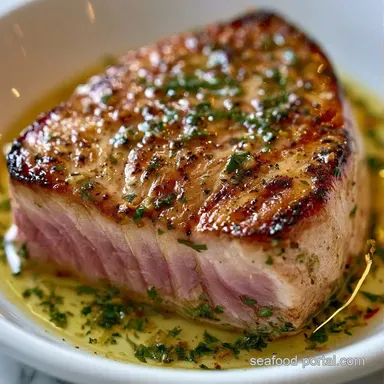
Oven Baked Tuna Steak with Garlic Lemon
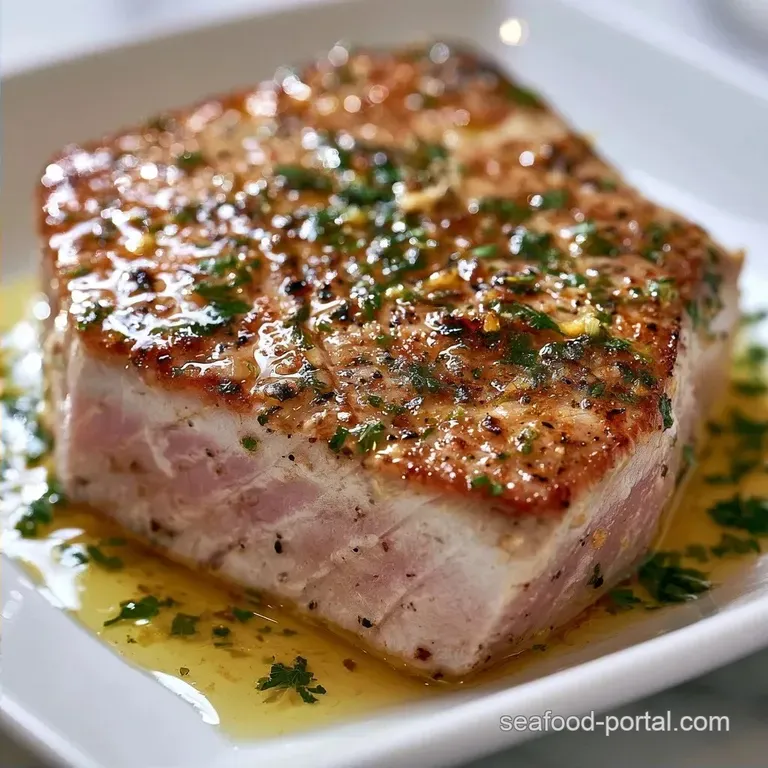
- Time: 5 min active + 12 min cooking
- Flavor/Texture Hook: Garlic lemon aroma with a tender, pink center
- Perfect for: A fast, healthy weeknight dinner
Simple Oven Baked Tuna Steak
The aroma of lemon and garlic wafting from a hot oven is an instant appetite stimulant. For a long time, I avoided preparing tuna at home; the window between a perfect medium-rare and a rubbery mess is incredibly small.
I wasted too many meals on dry fish by attempting to recreate high-heat restaurant sears without professional-grade burners.
That is why I adopted this technique. Rather than dealing with greasy splatters on the stovetop, I let the oven handle the work. The consistent temperature ensures the steak cooks uniformly from the edges toward the center.
You'll enjoy a sophisticated dish that requires very little work. Because this Oven Baked Tuna Steak retains its natural juices, you won't need piles of sauce to keep it moist.
Why the Texture Stays
Controlled Heat: The oven prevents the extreme temperature spikes of a pan, which stops the outside from overcooking before the center is ready.
Acid Balance: A small amount of lemon juice breaks down tough fibers without "cooking" the fish like a ceviche would.
For a faster sear: increase heat to 425°F (220°C) and reduce time by 2 minutes.
For a more rare center: pull the fish at 115°F (46°C).
For a firmer bite: cook until the center hits 135°F (57°C).
Choosing the right tuna makes a huge difference in the final result. Fresh, sushi grade steaks are the gold standard, but frozen options work if handled right.
| Source | Prep Effort | Texture | Best For |
|---|---|---|---|
| Fresh Steaks | Low | Tender/Buttery | Gourmet dinners |
| Frozen Steaks | Medium | Slightly Firmer | Weeknight meals |
The Shopping List
Garlic and oregano blend to create a Mediterranean flavor profile that complements the fish without masking its essence.
| Component | Purpose | Substitute Notes |
|---|---|---|
| Tuna Steaks | Primary Protein | Salmon steaks are an option; add 3 mins to cooking |
| Olive Oil | Searing Medium | Avocado oil: Neutral flavor with a higher smoke point |
| Lemon Juice | Acidic Balance | Lime juice: Offers a zesty, tropical twist |
| Garlic | Flavor Base | Garlic powder: Swap for 1/4 tsp if fresh is missing |
- 2 (6 oz) fresh tuna steaks Why this? Thick cuts stay juicy during cooking
- 2 tbsp extra virgin olive oil Why this? Provides a rich base for herbs to cling to
- 1 tbsp fresh lemon juice Why this? Balances the oils and richness of the tuna
- 1 clove garlic, minced Why this? Creates a bold, savory foundation
- 1/2 tsp kosher salt Why this? Brings out the best in every ingredient
- 1/4 tsp cracked black pepper Why this? Introduces a hint of spice
- 1/2 tsp dried oregano Why this? Imparts a fragrant, woody aroma
Gear You'll Need
A few basic kitchen tools are all you'll need for this.
- Baking sheet
- Parchment paper or aluminum foil
- Small whisk or fork
- Instant read meat thermometer (essential for tuna)
- Paper towels
The Cooking Process
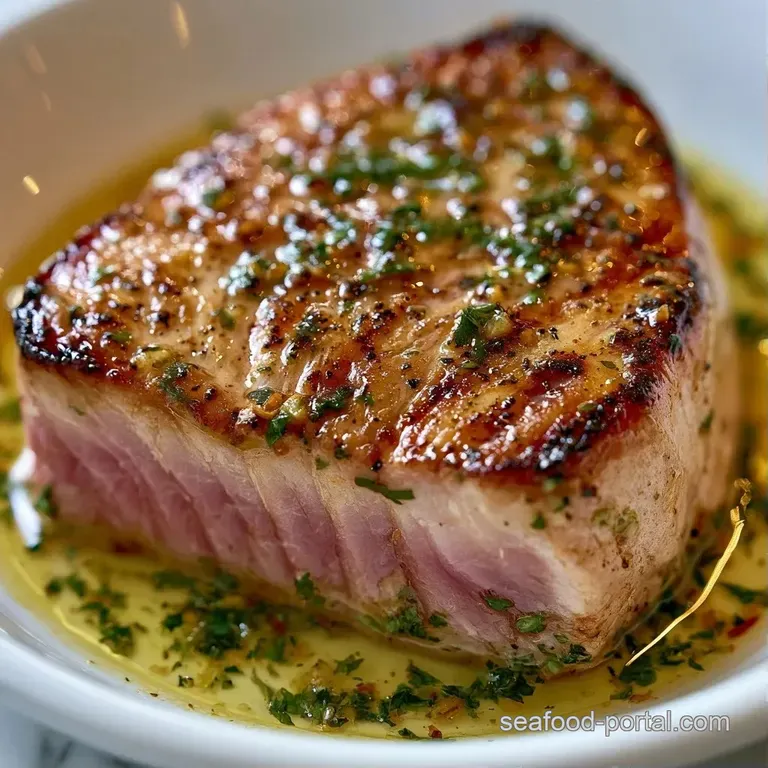
Time to start cooking. Watch for the scent of roasting garlic, which signals that the crust is forming.
- Pat the tuna steaks dry with paper towels. Note: Excess moisture creates steam, which prevents a crust from forming.
- In a small bowl, whisk together olive oil, lemon juice, minced garlic, salt, pepper, and dried oregano.
- Coat all sides of the tuna evenly with the marinade. Let the fish temper at room temperature for 10 minutes.
- Heat the oven to 400°F (200°C), lining a baking tray with aluminum foil or parchment paper.
- Arrange the marinated tuna steaks on the prepared sheet for your Oven Baked Tuna Steak.
- Bake for 5 to 7 minutes per side. Wait until the edges look opaque and the aroma is nutty.
- Use a thermometer to ensure the center hits 125°F (52°C) for a medium rare result.
- Move the steaks to a warm plate and let them rest for 5 minutes to redistribute juices.
- Squeeze a fresh lemon wedge over the fish before serving.
Solving Common Issues
The biggest hurdle with this dish is timing. Because tuna is so lean, a couple of minutes too long can change the texture completely.
Fixing Dry Fish
If the tuna comes out grey and dry, it stayed in the oven too long. According to Serious Eats, carryover cooking is real, so you must pull the meat before it hits the final target temp.
Stopping Stickiness
Tuna can sometimes cling to the pan. If you aren't using parchment, make sure your oil coating is thick enough to create a barrier.
Handling Frozen Steaks
If you're making an Oven Baked Tuna Steak from frozen, thaw them completely in the fridge first. Cooking from frozen leads to uneven temperatures and a mushy exterior.
| Problem | Fix |
|---|---|
| Tuna is too raw | Return to oven for 2 mins per side |
| Fish sticks to pan | Use parchment paper or more oil |
| Rub falls off | Pat fish drier before marinating |
Different Taste Profiles
After mastering the core method, you can experiment with different seasonings to completely alter the flavor profile.
Asian Style: Substitute the lemon and oregano with a combination of soy sauce, grated ginger, and a touch of toasted sesame oil to achieve a savory, umami crust.
Spicy Kick: Stir 1/2 tsp smoked paprika or a bit of cayenne pepper into your marinade. It tastes wonderful alongside a refreshing cucumber salad.
If you appreciate this roasting technique, you may also enjoy my Quick Baked Trout Recipe, which uses a similar high-heat method for a different type of fish.
Saving and Storing
While it tastes freshest right away, you can store any remaining portions for later meals.
Refrigeration: Keep your cooked tuna in a glass container for up to 2 days. Drizzle on a bit of olive oil before closing the lid to maintain moisture.
Freezing: Avoid freezing your cooked tuna. Doing so often results in a grainy texture and removes its natural silkiness.
Zero Waste: Instead of discarding leftover marinade, repurpose it as a salad dressing or a glaze for roasted asparagus. Any extra cooked tuna can be flaked into a Classic Tuna Casserole to boost the protein content.
Perfect Pairing Ideas
Since the Oven Baked Tuna Steak is quite lean and savory, it needs sides that provide contrast.
The Low Carb Plate: Serve it alongside steamed broccolini and a dollop of garlic aioli. The bitterness of the greens cuts through the rich tuna.
The Hearty Dinner: Pair the fish with roasted fingerling potatoes and a crisp arugula salad. The peppery greens and salty potatoes balance the lemon garlic notes.
The Bistro Style: Serve over a bed of sautéed spinach with a side of quinoa. This keeps the meal light but filling.
A Quick Word on Myths
You'll often hear that searing fish "seals in the juices." This isn't actually true. Moisture leaves the fish regardless of how you start the cook. The crust is about flavor and texture, not about trapping liquid inside.
Another myth is that tuna must be cooked at extremely high temperatures to taste good. While a sear is nice, the Oven Baked Tuna Steak proves that steady, medium high heat can produce a result that's just as flavorful and much more consistent.
Recipe FAQs
How do you bake tuna steaks in the oven?
Brush with marinade and bake at 400°F for 5 to 7 minutes per side.
Tip: use an instant-read thermometer to hit 125°F for medium-rare.
Is it true that 350 degrees is the ideal temperature for tuna?
Surprisingly, no. 400°F is necessary to create a light crust without overcooking the center.
Tip: line your tray with parchment paper for easier cleanup.
How to cook tuna steak well done in the oven?
Bake until the internal temperature reaches 135°F.
Tip: avoid going beyond this temperature or the fish will become dry.
Why pat the fish dry before cooking?
Patting removes surface moisture that otherwise prevents browning.
Tip: use heavy-duty paper towels to ensure the surface is completely dry.
What sides pair well with this dish?
Serve with steamed asparagus or a light garden salad.
Tip: if you enjoyed this high-protein meal, try our crispy tuna cakes for a different texture.
Oven Baked Tuna Steak in 17 Minutes