Oven Baked Haddock: Crispy and Flaky
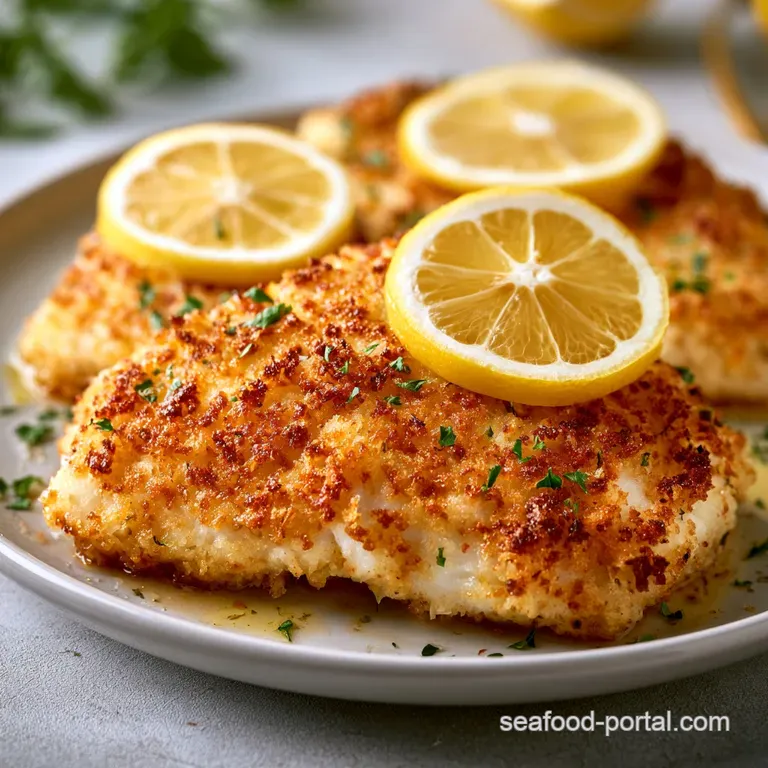
- Time:10 minutes active + 15 minutes cooking = Total 25 minutes
- Flavor/Texture Hook: Zesty, buttery crust with flaky, tender fish
- Perfect for: A fast weeknight dinner that feels fancy
- Easy Oven Baked Haddock Tips
- The Secret to Success
- Ingredient Deep Dive
- Shopping List Breakdown
- Equipment Needed
- The Cooking Process
- What Can Go Wrong (and How to Fix It)
- Make It Your Own
- Adjusting the Portion Size
- Fish Cooking Truths
- Storage and Zero Waste
- Serving Suggestions
- High in Sodium
- Recipe FAQs
- 📝 Recipe Card
Easy Oven Baked Haddock Tips
That sharp, zesty scent of searing lemon and toasted garlic hitting the air is honestly the best part of my Tuesday nights. I remember the first time I tried baking white fish, I just tossed it on a tray with some butter and hoped for the best.
I ended up with something that had the texture of a wet sponge on the bottom and was somehow dry on top. It was a total disaster.
The trick isn't in the heat, it's in the barrier. Once I started using lemon slices as a "rack" for the fish, everything changed. It stops the fillets from poaching in their own juices, which is how you avoid that dreaded soggy bottom.
If you're looking for a reliable Oven Baked Haddock that actually tastes like something from a bistro, you're in the right place. We're going for a contrast here: a crust that actually shatters when you bite into it and fish that flakes apart with zero effort.
The Secret to Success
Ever wonder why some fish comes out rubbery while others stay silky? It's all about the moisture and the temperature. Most people overcook fish because they wait for it to "look" done, but by then, the proteins have tightened up too much.
The Lemon Bed: Slicing lemons and placing the fish on top creates a physical gap between the fillet and the pan. This lets hot air circulate underneath and prevents the fish from sticking.
The Panko Shield: Using panko instead of standard breadcrumbs creates a larger surface area for the oil to cling to. This leads to a crunchier finish, similar to how breaded fish achieves those ultra crispy results.
Internal Temp: Pulling the fish at 140°F is the real pro move. Carryover cooking will bring it up to the safe limit while it rests, keeping the center velvety.
| Method | Time | Texture | Best For |
|---|---|---|---|
| Fast Oven Bake | 15 mins | Crispy top, tender center | Weeknights |
| Classic Poach | 20 mins | Soft, uniform, moist | Light lunches |
| Pan Sear | 8 mins | Browned edges, firm | Gourmet feel |
Ingredient Deep Dive
Not all ingredients do the same job. In this recipe, some are for flavor, but others are purely functional to ensure the Oven Baked Haddock doesn't fall apart.
| Ingredient | Science Role | Pro Secret |
|---|---|---|
| Panko Crumbs | Structural Crisp | Toss with oil first for even browning |
| Lemon Slices | Thermal Barrier | Use thin slices to avoid burning |
| Olive Oil | Heat Conductor | Pat fish bone dry before applying |
| Garlic Powder | Flavor Anchor | Better than fresh garlic for over high heat bakes |
Shopping List Breakdown
When you're picking up your fillets, look for "boneless, skinless" to keep things simple. Haddock is a bit leaner than cod, which makes it a great canvas for the buttery panko crust.
For the Haddock Fillets
- 1.5 lb boneless, skinless haddock filletsWhy this? Mild flavor and holds shape well
- 1 tbsp olive oilWhy this? High smoke point for the oven
- 1/2 tsp sea saltWhy this? Pulls out surface moisture
- 1/4 tsp black pepperWhy this? Basic heat for balance
- 1 lemon (half sliced into rounds, half juiced)Why this? Adds acid and prevents sticking
For the Healthy Golden Crust
- 1/2 cup panko breadcrumbsWhy this? Larger flakes for more crunch
- 2 tbsp extra virgin olive oilWhy this? Adds a richer, fruity flavor
- 1 tsp garlic powderWhy this? Even distribution of savory taste
- 1 tbsp fresh parsley, finely choppedWhy this? Freshness to cut the richness
- 1/4 tsp paprikaWhy this? Gives that golden brown glow
| Original Ingredient | Substitute | Why It Works |
|---|---|---|
| Haddock Fillets | Cod Fillets | Very similar flavor. Note: Cod is slightly thicker, may need 2 extra mins |
| Panko Crumbs | Almond Flour | gluten-free option. Note: Denser crunch, nuttier flavor |
| Parsley | Fresh Dill | Classic pairing. Note: More "herbal" and punchy |
| Olive Oil | Melted Butter | Richer taste. Note: Browns faster, watch for burning |
Right then, before we get into the steps, make sure your oven is actually preheated. Putting fish in a lukewarm oven is the fastest way to end up with a gummy texture.
Equipment Needed
You don't need a fancy kitchen for this. A standard rimmed baking sheet is your best friend here. I always use parchment paper because scrubbing baked on fish proteins off a pan is a nightmare I wouldn't wish on anyone.
A small mixing bowl is necessary for the panko mixture. If you try to mix the crumbs directly on the fish, you'll get clumps and uneven coverage. Also, if you have an instant read thermometer, use it. It's the only way to be 100% sure your Oven Baked Haddock is cooked through without being overdone.
The Cooking Process
Let's crack on. The goal here is speed and precision. Since we're cooking at 400°F, things happen quickly, so have everything prepped and ready.
1. Prepping the Protein
Preheat your oven to 400°F (200°C) and line a large rimmed baking sheet with parchment paper. Now, here is the most important part: pat the haddock fillets thoroughly with paper towels. If the fish is wet, the oil won't stick, and the fish will steam instead of bake.
Brush each fillet with olive oil and season evenly with salt and pepper.
2. Building the Crust
Place lemon slices on the baking sheet and set the fish fillets directly on top of them. In a small mixing bowl, combine panko breadcrumbs, extra virgin olive oil, garlic powder, paprika, and chopped parsley. Mix until it looks like wet sand. Press a generous layer of this mixture onto the top of each fillet.
Press lightly so it adheres, but don't smash it down into a hard cake.
3. The Precision Bake
Bake on the center rack for 12–15 minutes. You're looking for the crumbs to be golden and the fish to be opaque. Remove the fish when the thickest part reaches an internal temperature of 140°F (60°C).
Squeeze fresh lemon juice over the top of the fillets immediately after removing them from the oven. This adds a final hit of brightness that cuts through the oil.
Chef Note: Don't be afraid to pull the fish out "early." According to foodsafety.gov, fish is safe when it reaches 145°F, but carryover heat will finish the job while the fish rests for 2-3 minutes.
What Can Go Wrong (and How to Fix It)
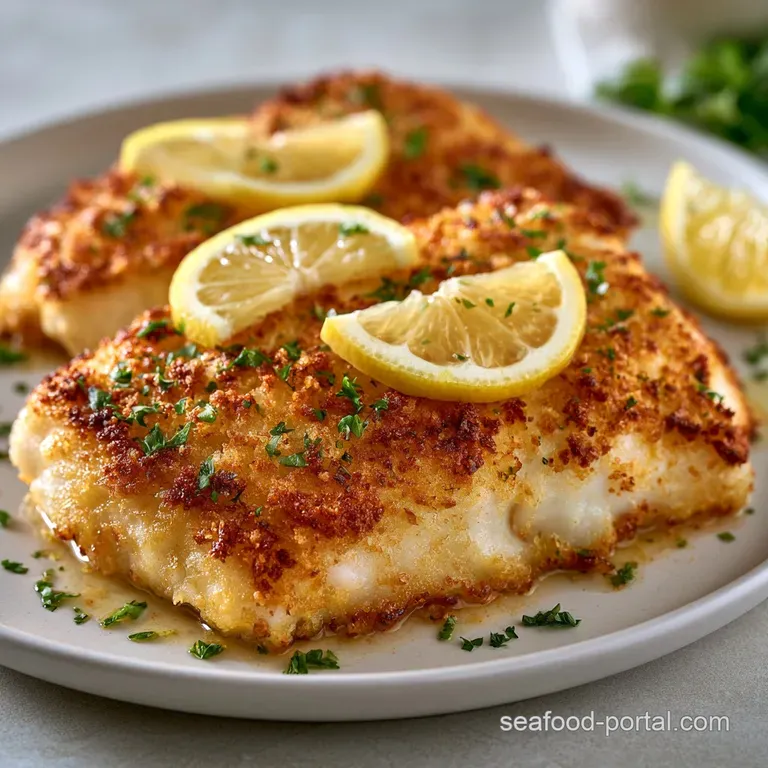
Even the best of us mess up. Usually, it's a matter of moisture or timing.
Why Your Fish is Soggy
This usually happens if you skip the paper towel step or forget the lemon slices. When moisture gets trapped between the fish and the pan, it creates steam. This steams the bottom of the fillet, leaving it mushy.
Rubbery Texture
This is a classic sign of overcooking. Once the proteins in the fish contract too much, they squeeze out all the moisture. The fish becomes tight and rubbery rather than flaky.
Burnt Crumbs, Raw Fish
If your oven runs hot or your fillets are very thin, the breadcrumbs might brown before the center is cooked. If this happens, tent the fish loosely with foil to protect the top while the inside finishes.
| Problem | Root Cause | Solution |
|---|---|---|
| Crust falls off | Fish was too wet | Pat fillets dry with more pressure |
| Fish sticks to pan | No barrier used | Use lemon slices or parchment |
| Bland flavor | Under seasoned | Salt the fish before adding crumbs |
Common Mistakes Checklist
- ✓ Forgot to pat fish dry (results in steaming)
- ✓ Overcooked past 145°F (results in rubbery fish)
- ✓ Used fresh garlic (burns at 400°F)
- ✓ Skipped the lemon bed (fish sticks to pan)
- ✓ Pressed crumbs too hard (prevents air flow)
Make It Your Own
Once you've nailed the basic Oven Baked Haddock, you can start playing with the flavors. This base recipe is really just a vehicle for whatever you're craving.
The Mediterranean Twist
Swap the paprika for dried oregano and add a pinch of red pepper flakes to the panko. Serve this with some olives and cherry tomatoes roasted on the same tray.
Parmesan Punch
Mix 2 tablespoons of finely grated Parmesan cheese into your panko mixture. The cheese melts into the breadcrumbs, creating a salty, savory crust that's absolutely addictive.
The gluten-free Swap
Use almond meal or crushed gluten-free crackers. Keep in mind that almond meal doesn't brown as quickly as panko, so you might need to leave the fish in for an extra 2 minutes. For more variety in white fish, you can try a baked white fish approach with different herbs.
Low Sodium Adaptation
Replace the sea salt with a squeeze of extra lemon juice and a touch of onion powder. The acidity of the lemon mimics the "pop" of salt without the sodium.
| Goal | Modification | Impact |
|---|---|---|
| More Spice | Add 1/4 tsp Cayenne | Warm, tingling heat |
| Richer Taste | Use Butter instead of Oil | Velvety, buttery finish |
| Nutty Flavor | Use Panko + Toasted Sesame | Earthy, aromatic crust |
Adjusting the Portion Size
Cooking for one is different than cooking for a crowd.
Scaling Down (1-2 people) Use a smaller baking sheet. If you're only doing two fillets, reduce the bake time by about 20% because there's more air circulating around the fish. If the recipe calls for an egg (though this one doesn't), beat it in a cup first and use half.
Scaling Up (4-8 people) Don't crowd the pan. If the fillets are touching, they'll steam instead of bake. Work in batches or use two separate trays. For the seasoning, increase the salt and paprika to about 1.5x rather than 2x to avoid it becoming overpowering.
Baking Large Quantities If you're using a very large tray, lower the temperature to 375°F (190°C) and extend the time by 5 minutes. This ensures the fillets in the middle of the tray cook at the same rate as the ones on the edges.
Fish Cooking Truths
There are a few things people always say about fish that just aren't true. Let's clear the air.
The "Seal the Juices" Myth You'll hear people say that searing fish "seals in" the moisture. It doesn't. Moisture loss happens throughout the cooking process. The crust is for flavor and texture, not for locking in water.
The "Frozen is Inferior" Myth Many believe frozen fillets are tasteless. Actually, most "fresh" fish at the store was frozen on the boat. As long as you thaw your Oven Baked Haddock slowly in the fridge, the quality is nearly identical.
The "Wait for Flaking" Myth Waiting for the fish to flake to tell if it's done is risky. By the time it flakes easily with a fork, it's often already overcooked. Trust your thermometer.
Storage and Zero Waste
If you have leftovers, store them in an airtight container in the fridge for up to 2 days. When reheating, avoid the microwave, which makes fish rubbery. Instead, put them back in the oven at 300°F (150°C) for 5-5 minutes just to warm through.
Freezing Guidelines I don't recommend freezing the fish after it's been baked, as the texture of the panko becomes soggy. However, you can prep the fillets with the lemon slices and freeze them raw, then bake from frozen.
If baking from frozen, add about 5-8 minutes to the cook time.
Zero Waste Tips Don't throw away those lemon rinds! After you've juiced the lemon, zest the peel and freeze it in a small jar for future recipes. You can also toss the leftover lemon slices from the pan into a pot of simmering water with some vinegar to create a natural kitchen deodorizer.
Serving Suggestions
Oven Baked Haddock is lean, so it loves a side dish with a bit of richness or a bright, fresh crunch.
The Lean Green Pairing Steam some asparagus or sauté some spinach with a bit of garlic. The earthy greens balance the zesty lemon and salty panko perfectly. A side of quinoa or wild rice also adds a nice nutty contrast to the velvety fish.
The Complex Carb Base I love serving this over a bed of creamy mashed cauliflower or a light lemon parsley risotto. The creaminess of the base catches the lemon juice from the fish, creating a built in sauce.
If you want something heartier, some roasted fingerling potatoes with rosemary are the way to go.
The Fresh Salad Route A crisp arugula salad with shaved Parmesan and a simple balsamic vinaigrette is the best way to keep the meal light. The peppery greens cut through the olive oil in the crust, making every bite feel fresh.
High in Sodium
980 mg 980 mg of sodium per serving (43% 43% of daily value)
The American Heart Association recommends a daily limit of 2,300mg, with an ideal limit of 1,500mg for most adults to reduce cardiovascular risk.
Tips to Reduce Sodium
-
Eliminate Added Salt-25%
Remove the 1/2 tsp of sea salt completely. The natural flavors of the fish and lemon are sufficient when combined with other aromatics.
-
Swap Panko Breadcrumbs-15%
Replace store-bought panko with homemade salt free breadcrumbs or crushed unsalted almonds to eliminate hidden processing salts.
-
Increase Citrus Zest-5%
Add fresh lemon zest to the breadcrumb mixture; the bright, acidic flavor tricks the palate into needing less salt.
-
Maximize Fresh Herbs
Double the amount of fresh parsley or add fresh dill to provide a robust, savory flavor profile without adding any sodium.
Recipe FAQs
What is the best cooking technique for haddock in the oven?
Bake fillets topped with seasoned panko and rested on lemon slices. This method prevents the fish from sticking and infuses it with citrus flavor while creating a crisp crust.
What temperature does haddock need to be cooked at?
Set your oven to 400°F (200°C). This high heat is essential for browning the panko breadcrumbs quickly without overcooking the delicate fillets.
How long to cook haddock in the oven at 350 degrees?
Avoid 350°F and use 400°F (200°C) instead. Bake for 12 15 minutes at the higher temperature to ensure the fish reaches an internal temperature of 140°F (60°C) while maintaining a crunchy topping.
How do you cook haddock fillets in the oven?
Pat fillets dry, season with salt and pepper, and place them atop lemon rounds. Press a mixture of panko, olive oil, garlic powder, paprika, and parsley onto the fish before baking for 12 15 minutes.
What cooking method can enhance the haddock flavor?
Layer the fillets on fresh lemon slices and use a seasoned panko crust. If you enjoyed using lemon to brighten the flavor here, see how the same acid technique works in our zesty baked tilapia.
Can I bake haddock fillets directly from frozen?
Yes, you can. Increase the total cooking time by 5 8 minutes to ensure the thickest part of the fillet reaches 140°F (60°C).
How do I reheat leftover baked haddock?
Warm in the oven at 300°F (150°C) for 5 minutes. Avoid using a microwave, as it makes the fish rubbery and the panko topping soggy.
Oven Baked Haddock Fillets