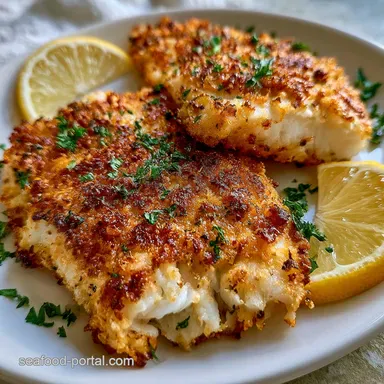
Crispy Pan Fried Haddock Fillets
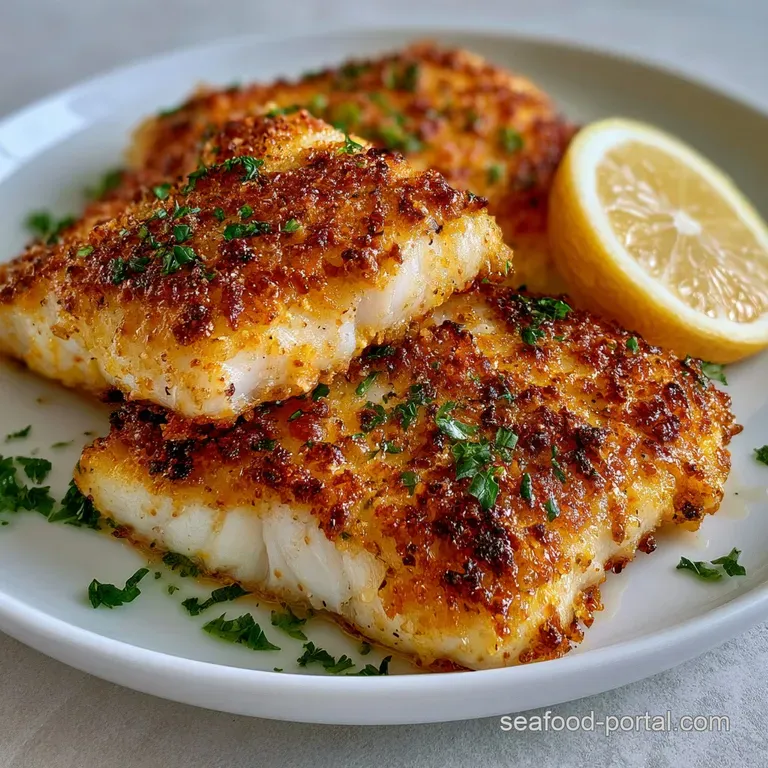
- Time: 10 min active + 10 min cook = 20 min total
- Flavor/Texture Hook: Shatter crisp Panko crust with a zesty, buttery finish
- Perfect for: A fast, impressive weeknight dinner
- The Secret to Better Pan Fried Haddock
- The Logic Behind the Crunch
- Essential Ingredients and Swaps
- Must Have Cooking Tools
- Step by Step Frying Process
- Fixing Common Frying Problems
- Troubleshooting Common Issues
- Flavor Tweaks and Substitutions
- Storage and Zero Waste
- The Best Side Pairings
- Recipe FAQs
- 📝 Recipe Card
The Secret to Better pan fried Haddock
That first loud sizzle when the fillet hits the hot oil is the sound of a dinner win. I remember the first time I tried this, I was too impatient and threw the fish into a pan that wasn't nearly hot enough.
Instead of a golden crust, I got a pale, soggy coating that slid right off the fish the moment I touched it with a spatula. It was a total mess, and I ended up with something that tasted more like steamed fish with wet bread on it.
Since then, I've learned that the magic is all in the moisture control and the heat. You can't just toss the fish in and hope for the best. You need a specific sequence of dredging and a pan that is shimmering with heat to get that contrast between the crunchy shell and the flaky interior.
This pan fried Haddock recipe is the result of those lessons, focusing on a triple coat method that locks in the juices.
Trust me on this, once you get the hang of the "shimmer" in the oil, you'll never go back to baking your fish. This method gives you a restaurant style finish in about 20 minutes. It's all about that contrast: the bright, acidic hit of lemon against the rich, savory crunch of garlic infused Panko.
The Logic Behind the Crunch
I used to think any breadcrumb would do, but there's actually a reason we use a specific mix here. It's not just about taste, it's about how the ingredients interact with the heat.
Moisture Barrier: The flour layer absorbs surface moisture and gives the egg something to grip, which prevents the coating from peeling off.
The Binder: Beaten eggs create a protein bridge between the flour and the crumbs, acting like a culinary glue.
Air Pockets: Panko crumbs are larger and more jagged than standard breadcrumbs, which creates tiny air pockets that fry up into a shatter crisp texture. According to Serious Eats, these larger flakes allow for more oil contact and faster browning.
High Smoke Point: Avocado oil can handle the medium high heat needed for a sear without breaking down or adding a burnt taste to the fish.
| Method | Time | Texture | Best For |
|---|---|---|---|
| Stovetop | 10 mins | Shattering Crust | Small batches, maximum crunch |
| Oven | 15-20 mins | Evenly Golden | Large crowds, less mess |
Essential Ingredients and Swaps
For the best results, get the freshest haddock you can find. Haddock is a fantastic choice because it's milder than cod and has a slightly firmer flake, which makes it easier to handle in a pan.
Component Analysis
| Ingredient | Science Role | Pro Secret |
|---|---|---|
| Panko | Structural Crunch | Press firmly into the fish to avoid gaps |
| Avocado Oil | Heat Conductor | Ensure it shimmers before adding fish |
| Lemon Juice | Acid Balance | Apply before flour to tenderize the flesh |
| Egg | Emulsion Binder | Beat until completely smooth to avoid clumps |
The Grocery List
- 3 haddock fillets (approx. 6 oz / 170g each) Why this? Balanced size for even cooking.
- 1/2 tsp Kosher salt
- 1/4 tsp cracked black pepper
- 1 tbsp lemon juice Why this? Cuts through the richness of the oil.
- 1/2 cup all purpose flour
- 1 large egg, beaten
- 1/2 cup Panko bread crumbs Why this? Provides a lighter, airier crunch.
- 1/4 cup Italian seasoned bread crumbs Why this? Adds a layer of herb flavor.
- 1/2 tsp garlic powder
- 3 tbsp avocado oil Why this? High smoke point prevents burning.
Ingredient Swaps
| Original Ingredient | Substitute | Why It Works |
|---|---|---|
| Avocado Oil | Grapeseed Oil | Similarly high smoke point. Note: Neutral flavor profile |
| Panko | Crushed Cornflakes | Extreme crunch. Note: Adds a slight sweetness |
| Haddock | Cod Fillets | Very similar texture. Note: Slightly milder flavor |
| Italian Crumbs | Plain Crumbs + Dried Oregano | Same flavor profile. Note: Control your own herb levels |
Must Have Cooking Tools
You don't need a professional kitchen for this, but a few specific tools make it much easier. I highly recommend a heavy bottomed skillet. Stainless steel is great, but if you're nervous about sticking, a high-quality non stick pan is a lifesaver.
I also suggest using three separate shallow bowls for the dredging station. Trying to use one plate for everything usually leads to "cross contamination," where your flour gets egg in it, and your crumbs get soggy. Keep them separate, and the process flows much faster.
Finally, have a wire cooling rack and some paper towels ready. If you put your freshly fried fish directly onto a flat plate, the bottom will steam and lose its crunch within minutes. Letting it breathe on a rack keeps that shatter crisp texture intact.
Step by step Frying Process
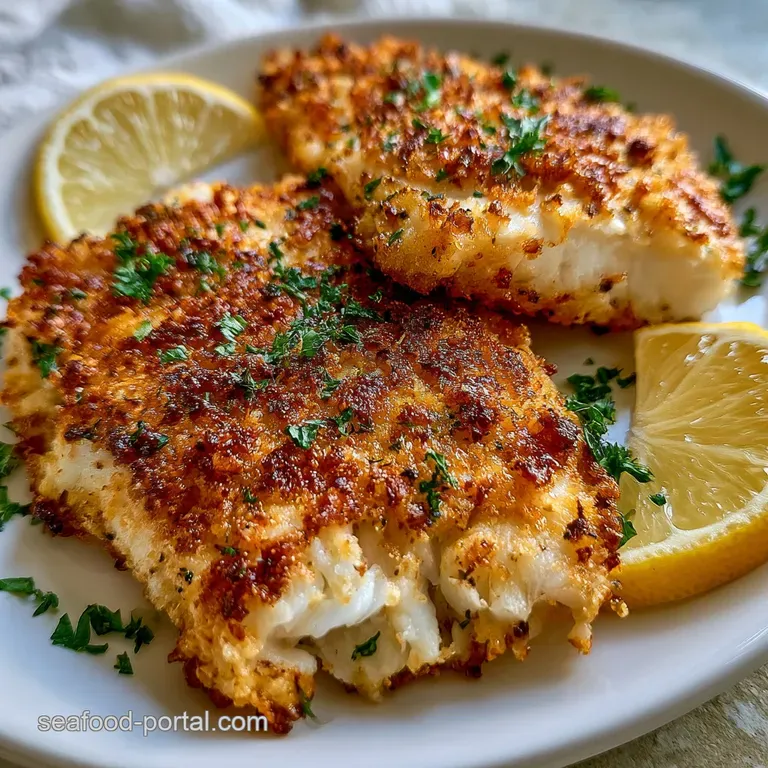
Right then, let's get into the actual cooking. Keep a close eye on your oil, as that's where most people go wrong.
Phase 1: The Rapid Prep
- Pat the haddock fillets completely dry with paper towels. Note: Excess water creates steam, which ruins the crust.
- Drizzle the fillets with lemon juice and season both sides with salt and pepper.
Phase 2: The Precision Bread
- Set up your dredging station: one bowl with flour, one with beaten egg, and one with the Panko, Italian crumbs, and garlic powder mixture.
- Press each fillet into the flour and shake off all excess. Note: Too much flour creates a thick, doughy layer.
- Submerge the floured fish into the beaten egg until fully coated.
- Press the fish firmly into the breadcrumb mixture, ensuring the edges are well covered for a uniform crust.
Phase 3: The over High heat Sear
- Heat avocado oil in a large skillet over medium high heat until it shimmers.
- Carefully lay the fillets in the pan.
- Cook for 3–4 minutes per side until the crust is deep golden brown and the fish flakes easily with a fork.
Chef's Tip: For an even deeper flavor, add a pinch of smoked paprika to your flour. It gives the fish a subtle wood fired aroma without needing a grill.
Fixing Common Frying Problems
Even the best of us have those days where the fish just won't cooperate. Usually, it comes down to temperature or moisture.
Troubleshooting Common Issues
| Issue | Solution |
|---|---|
| Why Your Coating Slid Off | This usually happens because the fish was too wet when it hit the flour, or you didn't press the crumbs in firmly enough. If the egg layer is too thick, it can create a "slip zone" between the fish an |
| Why the Fish is Soggy | Sogginess is almost always caused by overcrowding the pan. When you put too many fillets in at once, the pan temperature drops, and the fish releases moisture that can't evaporate quickly. Instead of |
| Why the Coating Burned | If your crumbs are dark brown but the fish is still raw in the middle, your heat is too high. Avocado oil is great for heat, but the fine crumbs in the Italian mix can burn quickly. Keep it at a stead |
Common Mistakes Checklist
- ✓ Did you pat the fish dry?
- ✓ Is the oil shimmering before the fish goes in?
- ✓ Did you leave space between the fillets in the pan?
- ✓ Did you avoid moving the fish too early?
- ✓ Is the heat steady at medium high?
Flavor Tweaks and Substitutions
Depending on what's in your pantry, you can take this recipe in a few different directions. If you want something a bit more refined, you can skip the breading entirely for a pan fried Haddock no breading style, simply seasoning with salt and pepper and searing in butter.
For those who love a bit of a kick, try adding a teaspoon of cayenne pepper or crushed red pepper to the crumb mixture. If you're looking for a lighter alternative, my Easy Poached Cod is a great option that skips the frying altogether.
If your breading is acting up or you're worried about the oil, you might find it easier to Bake Breaded Fish for a more forgiving result, though you'll lose a bit of that stovetop shatter.
Decision Shortcut:
- If you want maximum crunch, use only Panko.
- If you want a Mediterranean vibe, swap Italian crumbs for Panko and lemon zest.
- If you're feeding a crowd, work in small batches to keep the oil hot.
Storage and Zero Waste
If you happen to have leftovers, store the fillets in an airtight container in the fridge for up to 2 days. Don't put them in while they're still hot, or you'll trap steam and make the crust soggy.
To reheat, avoid the microwave at all costs. It will turn your crispy fish into a rubbery sponge. Instead, use an air fryer at 350°F for about 3-5 minutes, or pop them back in a dry skillet over medium heat for a couple of minutes per side.
For zero waste, don't throw away the leftover breadcrumb mixture. If it hasn't touched raw egg yet, keep it in a jar for your next batch of fish or use it as a binder for homemade meatballs. Any leftover lemon wedges can be frozen in an ice cube tray with a bit of water and used later in a fish stew.
The Best Side Pairings
Because this dish is rich and crunchy, you need something bright and fresh to balance it out. A simple arugula salad with a lemon vinaigrette is my go to, as the peppery greens cut through the oil.
For something heartier, a side of garlic sautéed spinach or roasted asparagus works brilliantly. If you're going for a classic vibe, some smashed baby potatoes with plenty of parsley and butter provide a velvety contrast to the shattering crust of the fish.
Honestly, a simple dollop of tartar sauce or a squeeze of fresh lemon is all you really need to make the flavors pop. Just keep the sides light so the fish remains the star of the show.
Recipe FAQs
How long do you pan fry haddock?
Cook for 3 4 minutes per side. Use medium high heat until the crust is deep golden brown and the fish flakes easily with a fork.
What should I put on the haddock before frying?
Drizzle with lemon juice and season with salt and pepper. This adds brightness and essential seasoning before you begin the dredging process.
How to prevent the breading from sliding off the fish?
Pat the fillets completely dry with paper towels. Removing surface moisture ensures the flour adheres, while pressing the crumbs firmly into the egg prevents a "slip zone."
Is it true that overcrowding the pan doesn't affect the crispiness?
No, this is a common misconception. Adding too many fillets at once drops the oil temperature and traps steam, which results in soggy fish.
How to reheat leftover pan fried haddock without making it soggy?
Use an air fryer at 350°F for 3 5 minutes. You can also use a dry skillet over medium heat for a few minutes per side to restore the crunch.
Can I substitute haddock with other white fish?
Yes, most firm white fish work perfectly. If you enjoyed the dredging technique here, see how the same principle works in our pan fried basa recipe.
How to ensure the fish is cooked through?
Press the thickest part of the fillet with a fork. The fish is done when the flesh is opaque and flakes easily apart.
Crispy pan fried Haddock 2