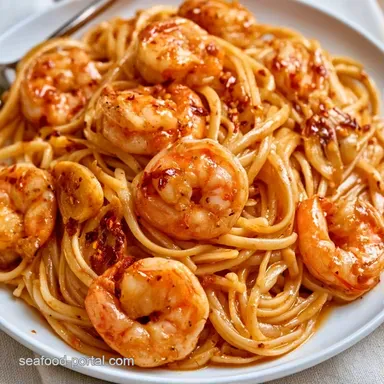
Olive Oil Langostino Pasta with Garlic
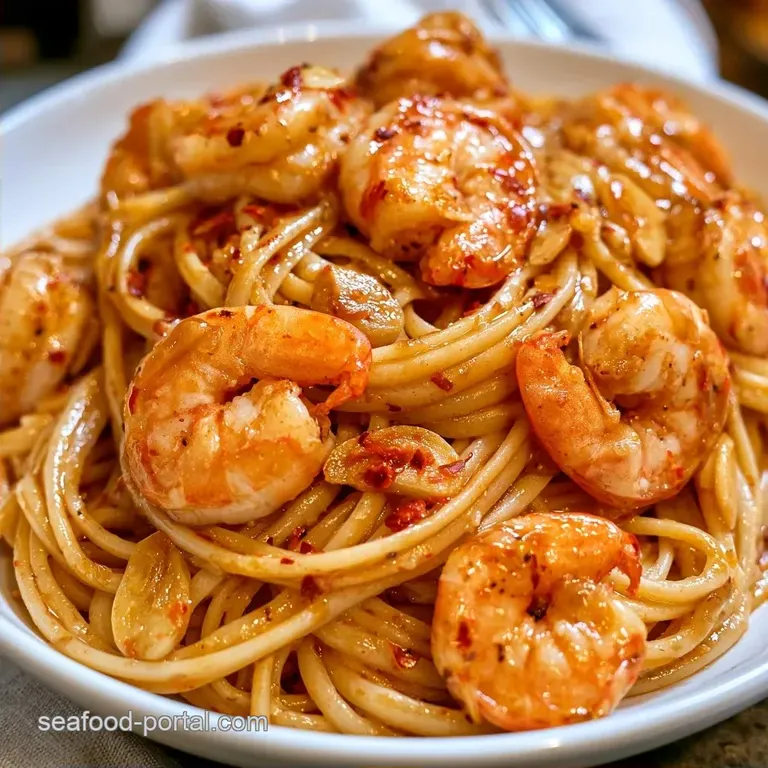
- Duration: 5 min active / 15 min cook
- Taste Profile: Bright citrus paired with a velvety emulsion
- Best for: Sophisticated dinner gatherings or a romantic date night
Olive Oil Langostino Pasta
Few scents are as inviting as garlic sizzling in glistening olive oil. It's a sure sign that something delicious is brewing, especially when hosting close friends on a balmy evening. I love this dish for creating a Mediterranean atmosphere, paired with white linens and a chilled bottle of Vermentino.
This Olive Oil Langostino Pasta is an ideal choice for those evenings because it's wonderfully light. The dish centers on the vibrant contrast between the sweet langostinos and the zesty punch of fresh lemon.
Expect a meal that looks gourmet but is ready in roughly 20 minutes. Success depends on the timing, which ensures the seafood remains tender as the sauce transforms into a cohesive glaze.
Recipe Specs
This dish focuses on high-quality fats and fresh aromatics to create a celebratory feel. Since it relies on a few key ingredients, the quality of your olive oil really makes a difference here.
| Goal | What to change |
|---|---|
| Extra Heat | Add more red pepper flakes |
| More Zest | Double the lemon zest |
| Heartier Meal | Add sautéed spinach |
Essential Ingredients
I typically use frozen langostino tails from Aldi for the seafood. Ensure they are completely thawed and patted dry; otherwise, they will steam in the pan rather than searing.
| Original Ingredient | Substitute | Why It Works |
|---|---|---|
| Linguine (1 lb) | Spaghetti | Similar shape, clings to the oil well |
| Langostinos (1 lb) | Small Shrimp | Comparable sweetness, slightly firmer texture |
| Fresh Parsley | Fresh Basil | Offers a different but still bright herbal note |
- 1 lb linguine or spaghetti Why this? Long strands provide more surface area for the oil glaze
- 1 tbsp salt (for pasta water)
- 1 lb langostinos, thawed and drained Why this? Lobster like flavor but with a more tender bite
- 4 cloves garlic, thinly sliced
- 1 tsp red pepper flakes
- 2 tbsp extra virgin olive oil (for searing)
- 1/3 cup extra virgin olive oil (for emulsion)
- 1/2 cup reserved pasta water Why this? The starch helps the oil bind to the pasta
- 1 whole lemon, juiced and zested
- 1/4 cup fresh Italian parsley, chopped
- 1/2 tsp kosher salt
- 1/4 tsp cracked black pepper
The Tool Kit
You don't need a massive arsenal for this, just a few basics. A wide skillet is your best friend here because it gives the langostinos room to sear without crowding, which prevents them from boiling in their own juices.
- Large pot (for pasta)
- Wide stainless steel or cast iron skillet
- Tongs or a pasta fork
- Microplane or fine grater (for the lemon zest)
- Fine mesh strainer (for draining seafood)
Bringing It Together
Phase 1: The Al Dente Foundation
Start by boiling a large pot of well salted water. Add the pasta and cook it for 1-2 minutes less than the package suggests. Save at least 1 cup of the starchy cooking water before straining the pasta.
Phase 2: The Aromatic Infusion
Heat 2 tbsp of olive oil in a skillet over medium. Once shimmering, sauté the sliced garlic and red pepper flakes for 60-90 seconds until translucent and nutty, but not brown.
Phase 3: The Langostino Flash Sear
Bump the heat to medium high. Arrange the thawed langostinos in the pan and brown for 1-2 minutes on each side until opaque and pink. Immediately transfer the langostinos to a separate plate.
Phase 4: The Emulsion Finish
Reduce the heat to medium. Pour in the saved pasta water and the remaining 1/3 cup of extra virgin olive oil. Whisk for 2 minutes until a cohesive emulsion forms.
Phase 5: The Final Toss
Add the pasta and seared langostinos back into the skillet. Toss continuously for 1-2 minutes until the sauce glazes the noodles. Remove from heat and fold in the lemon juice, zest, and chopped parsley.
How This Recipe Works
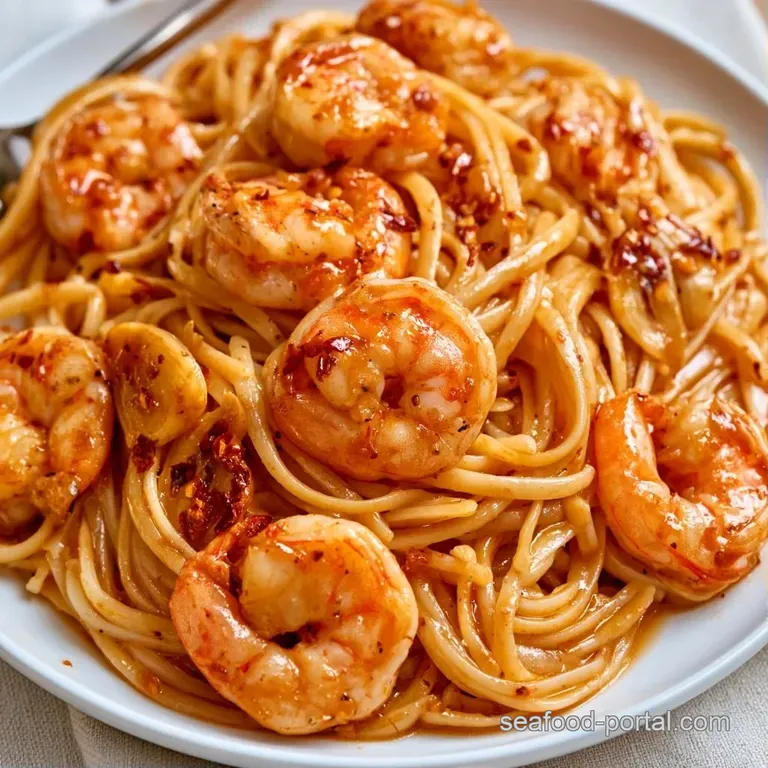
The secret is whisking the starchy pasta water into the oil. The starch serves as a binder, fusing the oil and water into a sauce that coats the pasta perfectly instead of settling at the bottom of the dish.
To keep the seafood tender, I use a flash sear method. Taking the langostinos out of the pan while you develop the emulsion prevents them from overcooking, which avoids that rubbery texture.
Fixing Common Issues
Greasy Sauce Fix
If the oil separates and looks greasy, you likely didn't have enough starch or didn't toss the pasta enough. Add another splash of reserved pasta water and toss the noodles vigorously over medium heat. The agitation helps the emulsion stabilize.
Bitter Garlic Fix
Garlic turns bitter the second it browns. If your garlic looks dark brown, it's best to wipe the pan and start the aromatics over. The goal is a pale gold color that smells sweet and nutty.
Rubbery Langostinos Fix
This happens when the seafood stays in the pan too long. To avoid this, only sear for about 2 minutes per side. If they're already overcooked, you can't reverse it, but adding a bit more lemon juice can sometimes brighten the flavor to distract from the texture.
Adjusting the Portion Size
For a dinner for two, simply cut the ingredients in half. Opt for a smaller pan to keep the oil concentrated, and shave about 30 seconds off the pasta cooking time to maintain an al dente texture.
When feeding a crowd, I suggest searing the langostinos in stages. Overcrowding the pan with 2 or 3 pounds of seafood will cause the temperature to drop, leading them to release too much moisture. Brown them in two separate batches, then combine everything in the pan for the final toss.
While you can scale the oil and pasta water proportionally, only increase the red pepper flakes by 1.5x to keep the heat balanced.
Debunking Kitchen Myths
Many believe that searing seafood "locks in the juices," but that's a misconception. While browning adds depth and flavor, moisture escapes regardless of how you start. The real objective is quick cooking, not creating a seal.
Similarly, some people add oil to their pasta water to stop noodles from sticking. In truth, the oil forms a film that prevents the sauce from adhering to the pasta. Save the oil for the sauté pan rather than the boiling pot.
Freshness and Waste Tips
This Olive Oil Langostino Pasta is best served immediately. If you must store it, place it in a glass container with a tight lid for up to 2 days in the fridge.
To reheat, avoid the microwave, which will make the langostinos rubbery. Instead, add a splash of water to a skillet over medium heat and toss the pasta until warmed through.
For zero waste, don't toss your lemon halves. After juicing, you can scrub your cutting board with the leftover lemon flesh and salt to remove seafood smells. Also, freeze any extra langostino tails in small portions for a quick addition to a seafood stew later.
Customizing the Flavors
If you want a different vibe, try adding a handful of halved cherry tomatoes during the garlic phase. They'll burst and add a sweet acidity that complements the seafood. For a more salty, briny kick, stir in a tablespoon of capers right at the end.
If you're craving something richer, you might prefer a creamy langostino sauce instead of this oil based version. For those who love a deep red hue, a tomato shrimp sauce provides a great contrast to the lightness of this recipe.
| Version | Change | Result |
|---|---|---|
| Fresh vs Shortcut | Use fresh langostinos | Brighter, sweeter flavor |
| Fresh vs Shortcut | Use frozen/thawed | More convenient, easier prep |
Perfect Serving Pairings
I love serving this with a side of charred broccolini or a simple arugula salad with a sharp vinaigrette. The bitterness of the greens cuts through the richness of the olive oil.
A piece of toasted sourdough or a warm ciabatta loaf is mandatory here. You'll want something to mop up every last drop of that garlic lemon emulsion from the plate. For drinks, a crisp white wine like Pinot Grigio or a sparkling mineral water with a lime wedge keeps the meal feeling light and vibrant.
Recipe FAQs
How to sear langostinos without steaming them?
Pat the thawed tails completely dry with paper towels before adding them to the pan. This prevents excess moisture from creating steam, allowing the meat to brown quickly in the shimmering oil.
Which pasta shapes work best as a substitute for linguine?
Use spaghetti as a direct replacement. Both shapes have a similar surface area that holds the olive oil glaze effectively.
Is it true that langostinos must be pre-boiled before adding them to the pan?
That's a myth. Searing thawed langostinos directly in a skillet for 1 2 minutes per side ensures they stay tender and sweet.
Why does the olive oil sauce sometimes separate?
This happens when the oil and pasta water aren't fully emulsified. Whisk the liquids vigorously for two minutes over medium heat to create a cohesive glaze. If you mastered this technique here, the same principle creates the base for our garlic shrimp scampi.
What other seasonings complement langostinos?
Lemon zest and red pepper flakes provide a bright, spicy contrast to the sweet meat. Fresh Italian parsley adds a clean, herbal finish that cuts through the richness of the oil.
Olive Oil Langostino Pasta