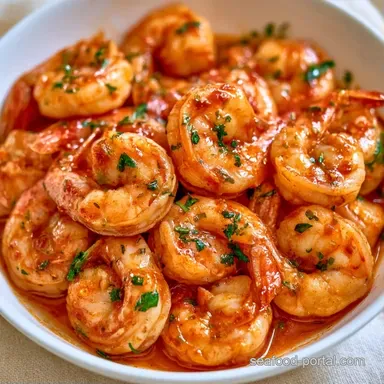
Spanish Shrimp Tomato Sauce in 25 Minutes
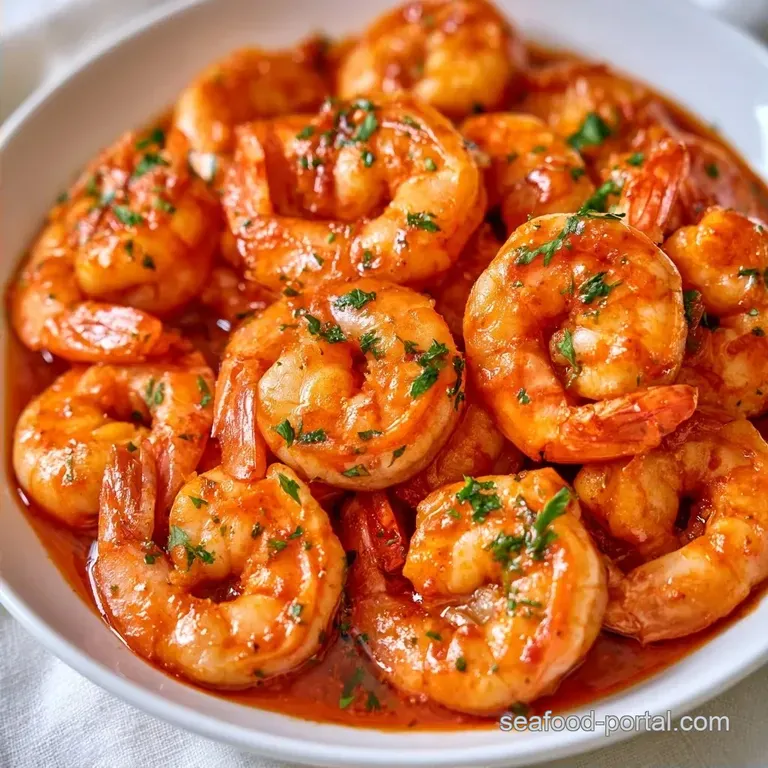
- Time: 10 min prep + 15 min cook
- Flavor/Texture Hook: Smoky, rich, and bold
- Perfect for: Mediterranean dinner parties or quick weeknight meals
Have you noticed how restaurant shrimp often have a subtle wood-fired quality that’s missing from home cooking, which can sometimes feel flat? The secret typically lies in the paprika choice and the technique used for the shrimp.
Instead of simmering everything together, the real trick is to prepare the seafood and the sauce as distinct steps.
I first discovered this approach at a cozy tapas spot in Seville. I was struck by a deep, earthy flavor in the sauce that turned out to be Pimentón de la Vera. That experience completely redefined my approach to tomato-based seafood.
The result is a dense, savory sauce that coats the shrimp perfectly rather than overwhelming them. Creating this Spanish Shrimp Tomato Sauce involves layering tastes, starting with the caramelized sear and finishing with a concentrated wine reduction.
What Nobody Tells You
- The Pimentón Effect: Unlike standard paprika, smoked Spanish paprika is dried over oak fires. This adds a charred, woody depth that makes the Spanish Shrimp Tomato Sauce hits a different note than a standard marinara.
- Dry Searing: Serious Eats' testing confirms that patting shrimp completely dry ensures a better sear. This creates a brown crust that tastes toasted rather than steamed.
- The Deglaze: White wine doesn't just add acidity, it lifts the caramelized shrimp proteins from the pan, folding those flavors back into the sauce for a velvety finish.
| Method | Time | Texture | Best For |
|---|---|---|---|
| Stovetop | 15 min | Charred & Snappy | Quick weeknight dinner |
| Oven | 30 min | Tender & Uniform | Large gatherings |
The contrast between the over high heat sear and the slow simmer of the tomatoes is what creates that professional depth. It ensures the shrimp stay plump while the sauce becomes concentrated.
Must Have Ingredient List
| Ingredient | Role | If You Don't Have It |
|---|---|---|
| Smoked Paprika | Woodsy depth | Regular paprika + a drop of liquid smoke |
| Dry White Wine | Acidity & Deglazing | Chicken broth with a squeeze of lemon |
| Crushed Tomatoes | Body & Sweetness | Tomato purée or blended canned tomatoes |
| Garlic | Sharp aromatic | Garlic powder (use 1/4 tsp) |
Using fresh, sliced garlic rather than minced gives you a milder, more buttery flavor that doesn't burn as quickly. Trust me on this, it makes the base much smoother.
Detailed Recipe Specs
- 1. The Sear
- 1-2 minutes per side until opaque pink.
- 2. The Wine
- Reduce by half in exactly 2 minutes.
- 3. The Simmer
- 5-8 minutes until the sauce thickens.
| Original Ingredient | Substitute | Why It Works |
|---|---|---|
| Large Shrimp (1 lb) | Prawns | Similar texture, slightly sweeter flavor |
| Dry White Wine | Sauvignon Blanc | High acidity cuts through the olive oil |
| Fresh Parsley | Fresh Cilantro | Adds a citrusy note, though less traditional |
Avoid using low-fat olive oil here. You need the higher smoke point and the rich Mediterranean flavor of extra virgin oil to carry the paprika.
Necessary Kitchen Tools
A 12-inch pan made of cast iron or stainless steel is ideal for this recipe. You can use non-stick cookware, but it won't create the savory browned bits (fond) that give this Spanish Shrimp Tomato Sauce its complex depth. Be sure to have a wooden spoon handy for scraping the pan as you deglaze.
Chef Note: If using frozen shrimp, let them defrost slowly in the refrigerator for a full night. Thawing them in the microwave releases too much moisture, making it difficult to get a proper golden sear.
The Cooking Process
The Sear Phase
Use paper towels to dry the shrimp thoroughly and season them with kosher salt and cracked black pepper. Set a 12-inch skillet over medium-high heat and warm 2 tablespoons of olive oil until it glimmers.
Arrange the shrimp in a single layer and brown for 1-2 minutes on each side until opaque pink with golden edges. Quickly transfer the shrimp to a plate.
The Base Phase
Reduce the temperature to medium. Pour the remaining 2 tablespoons of olive oil into the same skillet. Allow the sliced garlic to sauté for 30-60 seconds until fragrant but not brown. Stir in the smoked Spanish paprika and toast for 10 seconds to release the aromatic oils.
The Reduction Phase
Pour in the dry white wine, stirring to loosen the caramelized bits from the pan's floor. Let the liquid simmer and reduce by half (roughly 2 minutes). Mix in the granulated sugar and crushed tomatoes. Simmer for 5-8 minutes until the sauce thickens and concentrates.
The Final Step
Put the seared shrimp back into the pan and stir to coat them in the sauce. Sprinkle with fresh chopped parsley before serving.
Fixing Common Issues
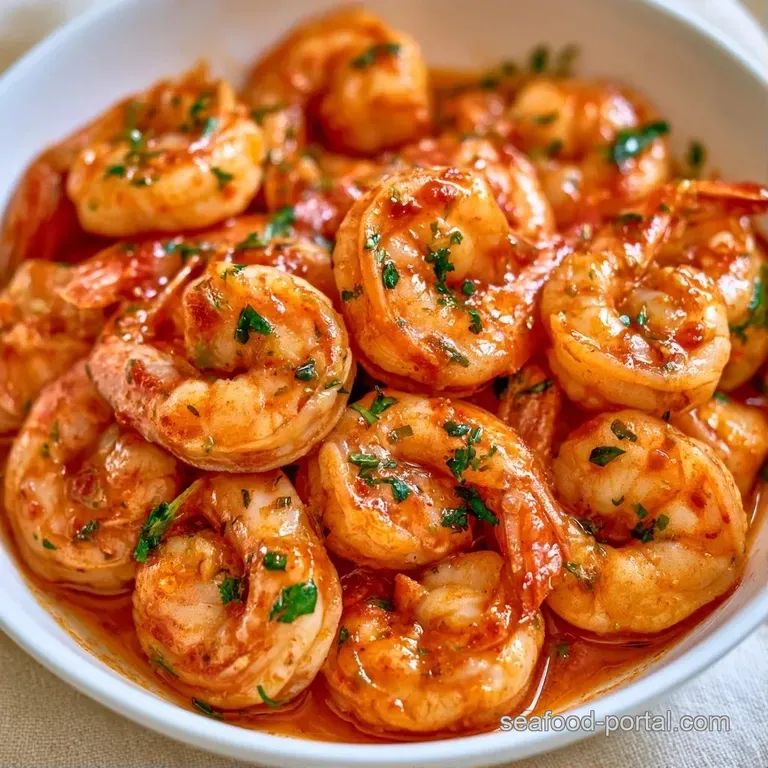
If the sauce feels too sharp, the acidity of the canned tomatoes is usually to blame. Avoid extending the simmering time, otherwise the shrimp will overcook and become rubbery. A bit of sugar or fat can help neutralize the pH.
Shrimp that are too tough were likely left in the pan for too long during the initial sear. They cook very rapidly; they are ready once they just start to bend. If they tighten into a small loop, they are overdone.
Handling High Acidity
Stir in 1 tablespoon of unsalted butter at the very end. The fat coats the palate, softening the sharp acidity of the tomatoes.
Rubbery Shrimp
Monitor your pan temperature. If the oil is not shimmering, the shrimp will steam instead of searing, resulting in a gummy texture.
Sauce Too Thin
Allow the sauce to simmer for another 2-3 minutes before stirring the shrimp back in. This evaporates excess water and concentrates the tomato sugars.
| Problem | Root Cause | Solution |
|---|---|---|
| Bitter Sauce | Burnt Paprika | Toast paprika for 10 seconds max |
| Rubbery Shrimp | Overcooked | Remove shrimp as soon as they turn pink |
| Watery Sauce | Too much liquid | Simmer 3 minutes longer |
Scaling the Portions
When scaling this Spanish Shrimp Tomato Sauce down to a half batch, use a smaller 8 inch skillet. If you use the large pan, the sauce will spread too thin and evaporate too quickly, leaving you with a paste instead of a sauce. Reduce the simmer time by about 20%.
For doubling or tripling the recipe, work in batches for the shrimp. Crowding the pan drops the temperature, meaning you'll get grey, steamed shrimp instead of golden ones. Increase the salt and paprika to only 1.5x the original amount to avoid overpowering the dish.
Kitchen Myths Debunked
Searing shrimp doesn't "seal in the juices." Moisture loss happens regardless of the heat. The sear is purely for flavor, creating complex browned notes that a simmer can't produce.
Using "fresh" tomatoes is always better. Not necessarily. For this specific dish, high-quality canned crushed tomatoes often provide a more consistent, concentrated base than fresh summer tomatoes, which can be too watery.
Storage and Waste Tips
Keep extra Spanish Shrimp Tomato Sauce in a closed glass jar in the fridge for up to 72 hours. Reheat it in a small pan over low heat, adding a dash of water or wine to loosen the consistency. Skip the microwave to ensure the shrimp don't become rubbery.
If you have head-on shrimp, don't throw away the shells. Simmer them with a garlic clove and a bit of water for 20 minutes to create a fast seafood stock. This stock is a great substitute for the white wine if you want a more intense ocean flavor.
Serving and Plating
This dish is all about the Mediterranean vibe, so the presentation should feel generous and shareable.
Decision Shortcut: Extra heat? → add 1/2 tsp red pepper flakes. Too acidic? → add 1 tbsp unsalted butter. Brighter finish? → fold in 1 tsp lemon zest.
| Plating Level | Vessel | Garnish | Best For |
|---|---|---|---|
| Simple | Shallow bowl | Sprinkled parsley | Quick lunch |
| Polished | Large platter | Lemon wedges & crusty bread | Family dinner |
| Restaurant | Ring mold/Stacked | Micro greens & olive oil drizzle | Date night |
Creative Recipe Twists
For a spicy kick, stir in a teaspoon of crushed red pepper flakes when you add the garlic. This gives the Spanish Shrimp Tomato Sauce a southern Spanish heat that pairs great with a cold glass of Albariño.
If you prefer a creamy texture, you can stir in a tablespoon of heavy cream or mascarpone at the very end. This transforms the dish into something closer to a shrimp bisque, though it remains a main course.
For those who enjoy a different regional approach, you might try a shrimp creole, which uses a similar tomato base but swaps the paprika for the "holy trinity" of celery, onions, and peppers.
Finally, for a low carb option, serve this over sautéed spinach or cauliflower rice. The richness of the sauce is enough to carry the dish without needing pasta or bread.
Recipe FAQs
How to prevent the shrimp from becoming rubbery?
Sear the shrimp for only 1-2 minutes per side until opaque pink.
Tip: Remove them from the pan immediately after searing to avoid overcooking.
Which white wine is best for this recipe?
Use a crisp, dry white wine like Sauvignon Blanc or Pinot Grigio.
Tip: If you enjoyed the flavor balance here, see how the same acid technique works in lemon caper sauce.
Is it true that shrimp shells are useless waste?
That's a myth.
Tip: Simmer shells with water and garlic for 20 minutes to create a homemade seafood stock.
Can I substitute the smoked Spanish paprika?
Use sweet paprika for a milder taste, though you lose the characteristic smokiness.
Tip: Toast the spice for 10 seconds in oil to unlock its full aroma.
What is the best way to store leftovers?
Keep the sauce in a sealed glass jar in the refrigerator for 72 hours.
Tip: Reheat in a small pan over low heat with a splash of water to loosen the texture.
Why add sugar to the tomato sauce?
The sugar balances the natural acidity of the crushed tomatoes.
Tip: Add it during the simmering stage for the most cohesive flavor.
How do I ensure the sauce thickens correctly?
Simmer the crushed tomatoes for 5-8 minutes until the liquid concentrates.
Tip: Use medium heat to prevent the sauce from splashing while it reduces.
Spanish Shrimp Tomato Sauce for 4 Servings