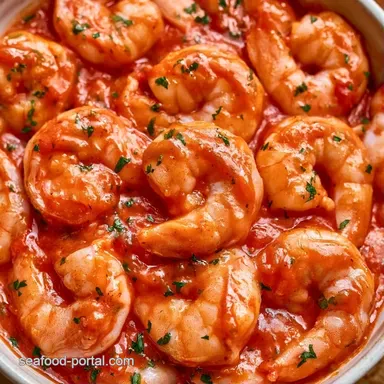
Savory Filipino Shrimp Tomato Sauce
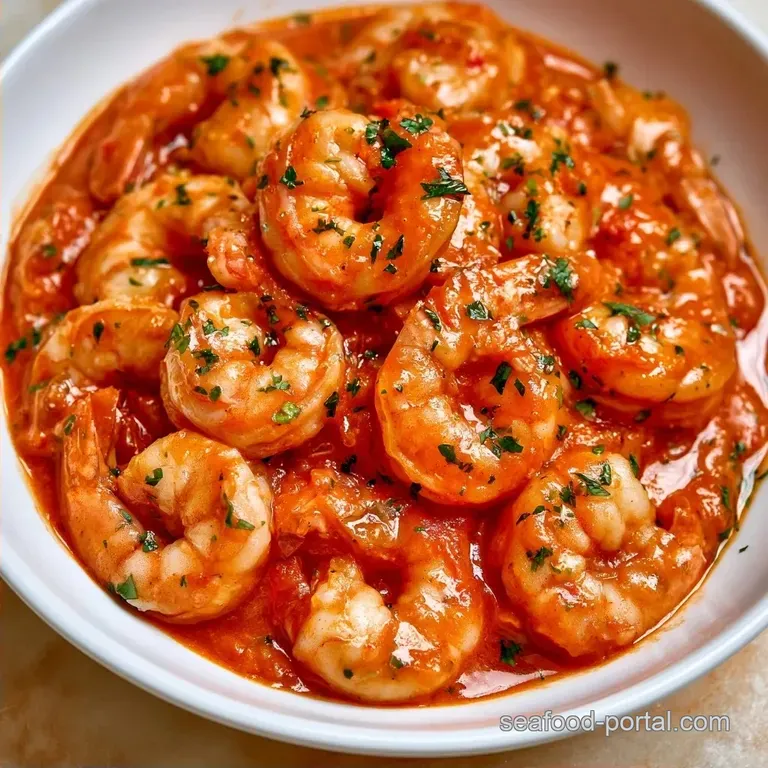
- Time: 10 min prep + 15 min cook
- Key Profile: Vibrant, tangy sauce with succulent, tender shrimp
- Great for: Rapid weekday meals or a zesty appetizer
The aroma of garlic sizzling in hot oil is a nostalgic trigger for anyone raised on Filipino home cooking. That pungent, sharp scent is the first sign that something bold is being prepared in the kitchen.
In the Philippines, this Shrimp Tomato Sauce is a beloved staple, offering a bright, acidic counterpoint to steamed white rice.
I recall my first attempt at this dish, where I overcooked the shrimp until they had the consistency of rubber bands. That experience taught me that timing is critical. The magic lies in the contrast between the thick, savory sauce and the slight snap of the shrimp.
This dish is all about a street-food inspiration. Rather than elegance, the focus is on making those vibrant, intense flavors pop. This Shrimp Tomato Sauce is built to be quick, punchy, and bold.
Shrimp Tomato Sauce for Easy Dinners
The goal here is to hit that sweet and savory note. We use fish sauce for a deep, fermented saltiness and a touch of sugar to round out the acidity of the tomatoes. It's a classic Filipino shrimp recipe approach.
Since we aren't simmering this for hours, the flavor comes from how we treat the aromatics. Sautéing the onion and garlic until they're just right creates the foundation. Then, the tomato paste does the heavy lifting.
Whether you call it Filipino Shrimp Tomato Sauce or just a quick seafood sauté, the result is the same: a bright, savory dish that feels like a treat but takes less than 30 minutes.
What Makes This So Good
- The Tomato Fry: Cooking the paste for a couple of minutes before adding liquids removes the raw, metallic taste. This creates a deeper, more concentrated flavor in the Shrimp Tomato Sauce.
- Acid Balance: The lemon juice on the raw shrimp and the vinegar like tang of the tomato sauce keep the dish from feeling too heavy.
- Umami Punch: Fish sauce adds a layer of saltiness that plain salt can't touch, giving it that signature Filipino food with tomato sauce profile.
Ingredient Deep Dive
| Ingredient | What It Does | Best Swap |
|---|---|---|
| Tomato Paste | Adds depth and thickens the sauce | Tomato puree (increase quantity) |
| Fish Sauce | Delivers a salty, fermented umami punch | Soy sauce or Worcestershire |
| Lemon Juice | Cuts through richness and tenderizes the shrimp | Lime juice or white vinegar |
| Sugar | Offsets the acidity of the tomatoes | Honey or brown sugar |
Here is everything you will need for this recipe.
- 1 lb medium shrimp, peeled and deveined Why this? This size maintains its form without cooking too quickly
- 1/2 tsp salt
- 1/4 tsp ground black pepper
- 1 tbsp lemon juice Why this? Lifts the overall flavor of the seafood
- 2 tbsp vegetable oil
- 1 medium yellow onion, finely diced
- 4 cloves garlic, minced
- 1 small tomato, diced
- 1 cup tomato sauce Why this? Gives the dish its body and smooth finish
- 2 tbsp tomato paste
- 1 tbsp fish sauce Why this? Vital for achieving an authentic savory Filipino taste
- 1 tsp granulated sugar
- 1/4 cup water
- 1 tbsp fresh parsley, chopped
If you're looking for a cheaper option, frozen shrimp work well, just be certain they are entirely thawed and patted dry before beginning.
Tools for the Job
This recipe doesn't require a sprawling kitchen. A wide sauté pan or a large non-stick skillet is ideal here. Ensure there is plenty of surface area so the shrimp can stay in a single layer; if they are crowded, they will steam instead of searing.
You'll need a small mixing bowl for the shrimp marinade. For the aromatics, a cutting board and a sharp chef's knife are the only must-haves. If your pan comes with a lid, keep it nearby, though you'll only use it briefly.
From Prep to Plate
Seasoning the Shrimp
In a small bowl, combine the peeled shrimp with salt, pepper, and lemon juice. Let them rest for 5 minutes to tenderize and absorb the seasoning. This helps the flavors penetrate deep into the meat rather than staying only on the surface.
Sautéing the Aromatics
Warm some oil in a pan using medium heat. Cook the diced onion until soft and translucent. Add the minced garlic, stirring for 60 seconds until a nutty aroma develops. Be careful not to let the garlic brown too much, as it can become bitter.
Reducing the Tomato Base
Mix in the tomato paste and diced tomato, cooking for 2 minutes until the paste deepens in color. Stir in the tomato sauce, fish sauce, sugar, and water. Lower the heat to medium-low and simmer for 5 minutes until the liquid bubbles slowly and thickens.
Finishing the Dish
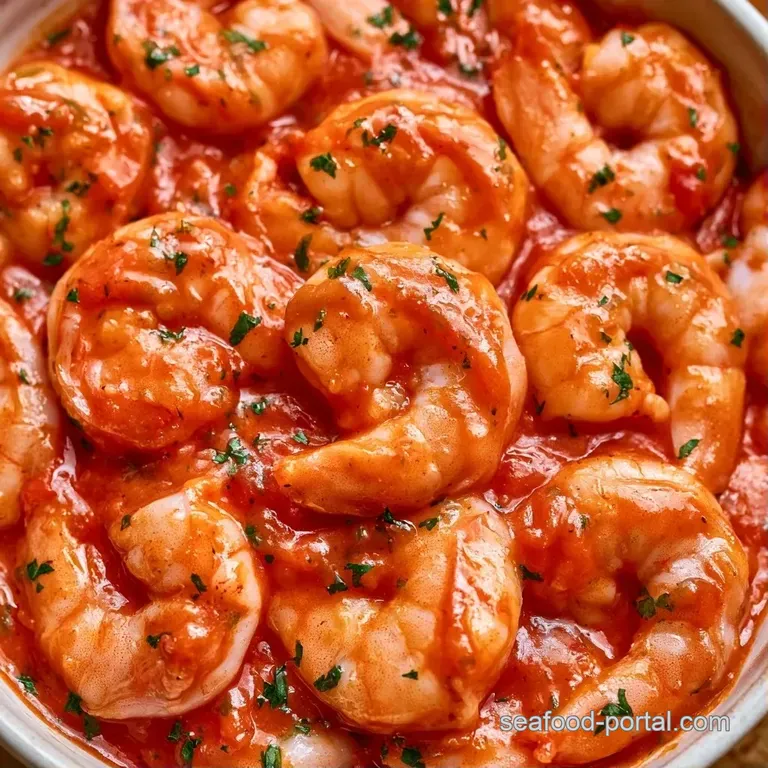
Turn the heat up to medium-high and arrange the shrimp in one layer. Sear for 2–3 minutes on each side until opaque and bright pink. Timing is key here.
Take the pan off the heat right away, fold in the fresh parsley, and serve while hot.
Common Mistakes & Troubleshooting
Avoiding Rubbery Shrimp
The most common mistake with Shrimp Tomato Sauce is overcooking. Shrimp require very little time. Once they turn opaque and form a gentle curve, they are ready. If they shrink into a tight circle, they have overcooked.
Fixing Overly Acidic Sauce
Canned tomato sauces can occasionally be too sharp. If the flavor is overly sour, stir in an extra pinch of sugar or a small knob of unsalted butter. The butter's fat balances the acidity without making the dish taste like a dessert.
Preventing Sauce Separation
If you notice oil pooling on the surface, the temperature was likely too aggressive or the sauce didn't simmer long enough to emulsify. A quick whisk or a splash of water typically brings the mixture back together.
| Problem | Fix |
|---|---|
| Shrimp are tough | Reduce cook time; pull off heat sooner |
| Sauce is too thin | Simmer 2-3 mins longer before adding shrimp |
| Garlic tastes burnt | Start over or dilute with more tomato sauce |
Storage & Reheating
Store any remaining sauce in an airtight glass jar. These leftovers will remain fresh in the refrigerator for roughly 2 days. After that, the shrimp may become too soft or lose their firmness.
To warm it up, avoid high microwave settings. Instead, transfer the mixture to a skillet over a gentle flame and stir in a teaspoon of water. Warm it only until it starts to simmer. Excessive heat will cause the shrimp to tighten and become rubbery.
To avoid waste, save the shells if you peeled the shrimp yourself. Place them in a saucepan with water, a slice of onion, and a stalk of celery. Simmer for 20 minutes to create a simple seafood base for your next soup.
Variations & Substitutions
If you want to switch things up, try adding a pinch of red chili flakes with the garlic for a spicy kick. For a richer vibe, you could try a creamy shrimp sauce by stirring in a tablespoon of heavy cream at the very end.
For those who prefer a faster version, my 20 minute tomato shrimp uses a slightly different reduction method to save time. You can also swap the fish sauce for soy sauce if you're not a fan of the pungent aroma, though it changes the Filipino shrimp tomato sauce flavor profile slightly.
| Goal | What to change |
|---|---|
| More Heat | Add 1 tsp red chili flakes |
| Creamier Texture | Stir in 1 tbsp cream or butter |
| Lower Sodium | Use low sodium fish sauce |
Pairing Ideas
This dish is all about the contrast. Because the Shrimp Tomato Sauce is so bold and tangy, you need something neutral to balance it. Steamed jasmine rice is the gold standard here. The rice soaks up that rich red sauce and calms the palate.
If you're skipping the rice, a crusty piece of toasted sourdough is brilliant for mopping up the leftovers. For a vegetable side, something crisp and green like sautéed bok choy or steamed broccoli works well.
You could also serve this over a bed of angel hair pasta or linguine. Just toss the noodles in a bit of olive oil first so they don't clump together before the sauce hits them.
Final Tips for the Best Result
Trust your eyes and nose more than the timer. If the garlic smells fragrant and the shrimp look pink, you're golden. Don't be afraid to taste the sauce before adding the shrimp, it should be a punchy mix of salty, sweet, and tangy.
This homemade Filipino shrimp recipe is a great way to bring some vibrant, street style energy to your dinner table. Once you get the hang of the timing, this Shrimp Tomato Sauce will become a regular in your rotation. Enjoy the bold flavors!
High in Sodium
840 mg 840 mg of sodium per serving (37% 37% of daily value)
The American Heart Association recommends a daily sodium limit of no more than 2,300 mg, with an ideal limit of 1,500 mg for most adults.
Tips to Reduce Sodium
-
Swap the Fish Sauce-30%
Replace the fish sauce with coconut aminos or a low-sodium alternative to significantly reduce salt intake.
-
Omit Added Salt-25%
Remove the 1/2 tsp of salt entirely; the natural sodium in the shrimp and tomato products is often sufficient.
-
Use No-Salt-Added Tomato Sauce-20%
Switch to a "no salt added" variety of tomato sauce to avoid hidden processed sodium.
-
Select Low-Sodium Tomato Paste-15%
Opt for a low-sodium or salt-free tomato paste to further lower the overall sodium content.
-
Boost Fresh Aromatics
Increase the fresh parsley or add extra minced garlic and lemon zest to enhance flavor without adding salt.
Recipe FAQs
When should I add sugar to the sauce?
Add it during the simmering stage. A small amount, like the 1 tsp used here, balances the natural acidity of the tomato sauce and paste.
Which wine pairs best with this dish?
Choose a crisp white wine. A Sauvignon Blanc or Pinot Grigio complements the lemon juice and tomato acidity perfectly.
Is it true that butter is required for a smooth shrimp sauce?
No, and here's why. Vegetable oil provides the necessary heat for sautéing the aromatics without adding a heavy dairy taste that masks the fish sauce.
What is the secret to avoiding rubbery shrimp?
Cook for only 2–3 minutes per side. Remove the pan from heat immediately once they turn bright pink and opaque to prevent toughening.
Can I replace the fish sauce with soy sauce?
Yes, it is a great alternative. It provides a similar salty, umami depth; if you enjoyed balancing these bold flavors, see how the same principle works in my classic shrimp creole.
Why do my shrimp lose texture after refrigerating?
Overexposure to moisture and time. The proteins break down over time, so the dish is best enjoyed within 2 days.
How to reheat the sauce without overcooking the seafood?
Warm in a small pan over low heat. Add a teaspoon of water and heat only until it bubbles to keep the shrimp tender.
Should I blend the sauce for a smoother consistency?
This one's false: stirring in tomato sauce and paste creates a rustic texture that holds the shrimp and minced garlic better than a puree.
Shrimp Tomato Sauce for 4 Servings