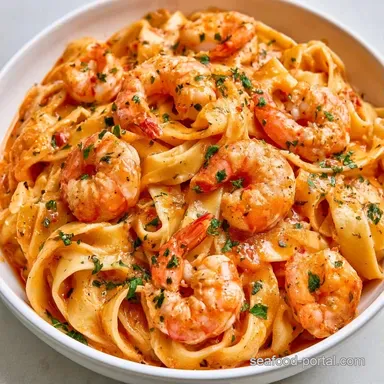
Langostino Pappardelle: Lightened Seafood Pasta
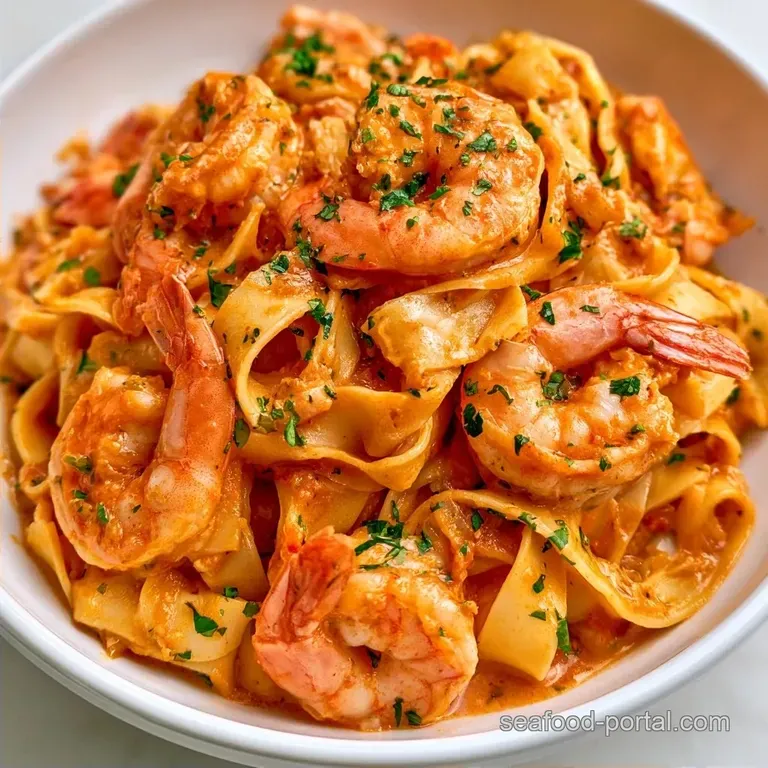
- Active: 5 min + Cooking: 15 min
- Taste Profile: Zesty lemon and garlic with tender, snappy seafood
- Ideal for: Lively dinner parties or a romantic date night
A coastal Italian kitchen typically carries the scent of garlic, sea salt, and simmering seafood. In Tuscany, wide pasta ribbons are a cherished tradition. Though pappardelle are often reserved for rustic, heavy sauces, their broad surface area makes them an ideal canvas for the sweet, delicate notes of the ocean.
I recall my first attempt at this recipe. I treated the seafood like a slow simmered stew for ten minutes, which turned the langostinos into rubbery pebbles. It was a total disaster. That experience taught me that great seafood pasta is achieved through precise layering, not by cooking everything together.
This Langostino Pappardelle is built on that principle. We flash sear the seafood to seal in the juices and create a pan sauce that clings tightly to the pasta. The result is a dish that feels elegant and bright, yet remains entirely achievable in a home kitchen.
The Best Langostino Pappardelle
Flash Searing: Searing the seafood rapidly over high heat prevents the proteins from contracting. This keeps the langostinos succulent and avoids a rubbery texture.
Starch Emulsion: Using the saved pasta water helps bind the ingredients. The natural starches emulsify the butter's fat and the broth's liquid, creating a silky, lustrous sauce.
For a richer alternative, try my Langostino Tail Pasta Sauce recipe, which features a different base for a more indulgent consistency.
| Method | Time | Texture | Best For |
|---|---|---|---|
| Stovetop | 20 mins | Glossy & Tender | Weeknight Luxury |
| Oven Finish | 30 mins | Browned & Firm | Dinner Parties |
Ingredient Deep Dive
Success here depends on the contrast between sweet langostinos and zesty lemon. Using too much cheese masks the seaside flavor, while omitting the broth leaves the sauce without its characteristic depth.
| Ingredient | What It Does | Best Swap |
|---|---|---|
| Langostino Tails | Provides sweet, tender protein | Chopped lobster tails |
| Pappardelle | Broad surface for better sauce cling | Fettuccine (more common) |
| Seafood Broth | Adds a savory, briny depth | Chicken broth (milder) |
| Unsalted Butter | Forms the base of the emulsion | Ghee (nuttier flavor) |
Recipe Specs
To ensure the best results, keep these key measurements in mind. First, make sure the water is at a vigorous boil before adding the pasta. Second, sear the seafood for exactly 1-2 minutes. Third, reduce the broth by half before stirring in the butter to prevent the sauce from becoming watery.
For the ingredients, we're using: - 12 oz (340g) dried pappardelle pasta - 4 quarts (3.8L) water - 2 tbsp (30g) sea salt - 1 lb (450g) langostino tails, patted dry after thawing Why this? Leaner than lobster while remaining just as sweet - 2 tbsp (30ml) extra virgin olive oil - 4 cloves
(20g) garlic, sliced thin Why this? Slices brown more uniformly than minced garlic - 1/2 tsp (3g) crushed red pepper flakes - 1/2 cup (120ml) low sodium seafood or chicken broth - 2 tbsp (30g) unsalted butter, chilled and cubed Why this? Cold butter creates a
Better emulsion - 1 tbsp (15ml) fresh lemon juice - 1 tsp (5ml) lemon zest - 1/4 cup (25g) freshly grated Parmesan cheese - 1/4 cup (15g) chopped fresh Italian parsley - salt, to taste - black pepper, to taste
Essential Kitchen Gear
While you don't need specialized tools, a wide skillet is essential. Using a deep, narrow pot will cause the langostinos to crowd and steam rather than sear. A 12 inch pan, preferably cast iron or stainless steel, works best.
You will also need a large pasta pot that comfortably holds 4 quarts of water. While a fine mesh strainer is useful, a spider strainer or tongs are better for transferring the pappardelle directly from the water into the pan to preserve the starch.
Step-by-step Instructions
Boiling the Pasta
Bring the salted water to a rolling boil. Cook the pappardelle until al dente, which is typically 1-2 minutes less than the package instructions. Note: Reserve 1 cup (240ml) of the starchy pasta water before draining.
Searing the Langostinos
Warm the olive oil in a wide pan over medium high heat until it shimmers. Arrange the langostino tails in a single layer. Sear for 1-2 minutes until they turn opaque and smell sweet>. Immediately remove the langostinos from the pan and set them aside on a plate.
Creating the Emulsion
Reduce the heat to medium in the same pan. Add the sliced garlic and red pepper flakes, sautéing for 30 seconds until fragrant but not brown>. Pour in the seafood broth, scraping the bottom of the pan to release the browned bits. Simmer for 2-3 minutes to reduce slightly.
Finishing the Dish
Whisk in the reserved pasta water, lemon juice, and lemon zest. Gradually stir in the chilled cubed butter and Parmesan cheese, whisking constantly to create a stable, silky emulsion.
Folding and Garnishing
Toss the cooked pappardelle and seared langostinos back into the sauce. Gently fold the ribbons until they are evenly coated>. Garnish with fresh parsley, salt, and black pepper.
Pro Tips & Pitfalls
Fixing a Broken Sauce
If the sauce looks oily or separated, don't panic. This happens if the pan gets too hot or the butter is added too quickly. Whisk in another 2 tablespoons of the reserved pasta water over medium low heat. The starch helps bind the fat and liquid back together.
Preventing Overcooked Seafood
The biggest mistake people make with Langostino Pappardelle is leaving the seafood in the pan while the sauce reduces. Seafood continues to cook even after you remove it from the heat. By setting the tails aside on a plate, you prevent them from turning into rubber.
Managing Pasta Texture
Pappardelle can go from al dente to mushy very quickly because of their width. Always undercook them slightly. They will finish cooking during the final tossing phase in the sauce, absorbing the flavors without losing their bite.
| Goal | What to change |
|---|---|
| Lighter feel | More lemon, less butter |
| Richer taste | Double the Parmesan |
| Extra spice | 1/2 tsp more red pepper |
Freezing and Reheating Guide
Pasta with a butter based emulsion doesn't freeze well. The sauce will likely split upon reheating, leaving you with an oily mess. If you must store it, keep the Langostino Pappardelle in a sealed glass container in the cold for 2 days.
To reheat, avoid the microwave. Place the pasta in a pan over medium low heat and add a splash of water or broth. Toss gently to loosen the sauce and warm the seafood through without overcooking it.
For zero waste, don't toss your langostino shells if you bought them whole. Simmer the shells with an onion, carrot, and celery for an hour to make a quick seafood stock. You can freeze this stock in ice cube trays and use it for future seafood recipes.
Scaling Your Batch
When making a half batch, use a smaller 8 inch skillet. Reduce the cooking time for the sauce reduction by about 20% since there is less liquid to evaporate.
If you're scaling up to 8 servings, do not double the garlic or red pepper flakes. Use about 1.5x the amount of spices to avoid overpowering the seafood. Work in batches when searing the langostinos; if you crowd the pan, they will boil in their own juices instead of searing.
Debunking Seafood Myths
Some people think you need to "seal" seafood to keep it juicy. This isn't true. Searing is about creating flavor and color on the surface, not creating a waterproof barrier. The real key to juicy langostinos is simply not overcooking them.
Another myth is that you must use heavy cream to get a thick sauce. As we've seen with this Langostino Pappardelle, the combination of pasta starch and cold butter creates a professional emulsion that is lighter and lets the fresh seafood flavor shine.
Presentation Tips
The way you plate this dish changes the whole vibe. Because the ribbons are so wide, they can easily look like a heap of noodles if you aren't careful.
Simple Home Style
Use a wide pasta bowl. Twirl the pappardelle into a nest using a carving fork and spoon the langostinos over the top. Finish with a sprinkle of fresh parsley and a wedge of lemon on the side.
Polished Dinner Party
Use a shallow rimmed plate. Arrange the pasta in a tight circle in the center. Place the langostinos strategically around the edges of the nest. Drizzle a tiny bit of extra virgin olive oil over the top for a glossy finish.
Restaurant Style
Use a large white plate with plenty of negative space. Use a long tweezer to swirl the pasta into a high, vertical tower. Perch the langostinos on top of the tower and garnish with micro greens or a single curl of lemon zest.
Flavor Variations to Try
If you want to lean into a more Mediterranean profile, add a handful of halved cherry tomatoes during the garlic sauté. The acidity of the tomatoes pairs beautifully with the buttery sauce of the Langostino Pappardelle.
For an earthy twist, stir in some sautéed baby spinach or asparagus tips at the very end. These greens add color and a crisp texture that cuts through the richness of the Parmesan.
If you're craving something different, you can try an Olive Oil Langostino Pasta for a lighter, garlic forward experience.
For a spicy kick, swap the crushed red pepper for a teaspoon of Calabrian chili paste. This adds a fermented, fruity heat that transforms the Langostino Pappardelle into something more bold and rustic.
Right then, you've got everything you need to pull this off. Just remember to keep that butter cold and your pan hot. Trust me, once you see that sauce emulsify into a glossy coating on those wide ribbons, you'll never go back to heavy cream sauces. Enjoy your Langostino Pappardelle!
High in Sodium
840 mg 840 mg of sodium per serving (37% 37% of daily value)
The American Heart Association recommends limiting daily sodium intake to 2,300 mg or less to help maintain healthy blood pressure.
Tips to Reduce Sodium
-
Swap the Broth-30%
Replace the low-sodium seafood or chicken broth with unsalted broth or water enhanced with a pinch of turmeric or extra lemon juice.
-
Reduce Pasta Water Salt-25%
Cut the 2 tbsp of sea salt used for boiling the pasta in half; you can still achieve seasoned pasta with significantly less salt.
-
Moderate the Parmesan-15%
Reduce the freshly grated Parmesan cheese by half or use a small amount of a sharper, aged cheese to maintain a bold flavor with less volume.
-
Omit Final Seasoning Salt-10%
Remove the 'salt to taste' step and instead use extra cracked black pepper or a splash of lemon juice to brighten the dish.
-
Enhance with Aromatics
Increase the amount of fresh Italian parsley and lemon zest to add a burst of fresh flavor without adding any sodium.
Recipe FAQs
What is langostino meat exactly?
Langostinos are small crustaceans similar to a cross between a shrimp and a lobster. They have a sweet, delicate flavor that pairs naturally with lemon and butter.
How to prepare this pasta?
Boil pappardelle until al dente and sear langostinos in olive oil for 1-2 minutes. Combine them in a skillet with a reduced seafood broth and a butter cheese emulsion.
Does langostino taste like lobster?
Yes, the taste is very similar to lobster but with a slightly milder and sweeter profile. It has a tender texture that absorbs the garlic and lemon sauce perfectly.
Which method ensures the tails stay tender?
Sear them in a single layer over medium high heat until just opaque. Remove them from the pan immediately to prevent them from becoming rubbery.
Can I use a different pasta shape?
You can use any wide noodle like fettuccine if pappardelle is unavailable. This works similarly to how we handle wide noodles in our baked langostino macaroni.
Why does the sauce need chilled butter?
Whisk chilled cubed butter in gradually to create a stable, silky emulsion. This prevents the fat from separating and ensures the sauce clings to the pasta.
Is it true that langostinos must be boiled before searing?
Surprisingly, no. Searing thawed, patted dry tails directly in olive oil preserves their sweetness and provides a superior texture.
Langostino Pappardelle