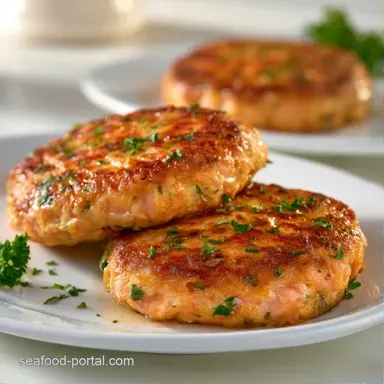
Egg-Free Salmon Burgers: Crispy and Fresh
- Time: 10 min active + 20 min chilling = Total 40 mins
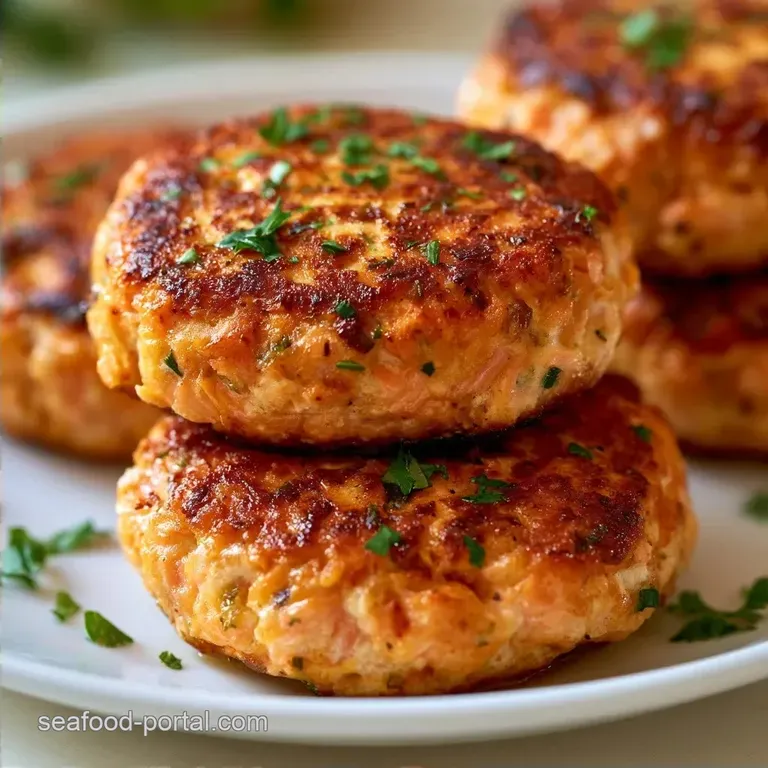
- Flavor/Texture Hook: Shatter crisp golden crust with a velvety, tender center
- Perfect for: A high protein weeknight dinner or a light weekend lunch
- The Secret to Juicy Salmon Burgers
- Why These Patties Win Every Time
- The Flavor Components
- Necessary Kitchen Tools
- From Prep to Plate
- Avoiding Kitchen Disasters
- Dietary Tweaks and Swaps
- Adjusting the Batch Size
- Clearing Up Common Myths
- Storage Guidelines
- Perfect Side Dish Pairings
- Recipe FAQs
- 📝 Recipe Card
The Secret to Juicy Salmon Burgers
That first sizzle when the patty hits the hot oil is everything. You know the smell, right? That rich, salty aroma of searing fish mixed with the sharp, bright hit of lemon and garlic. It's the kind of scent that makes everyone in the house wander into the kitchen asking, "What's for dinner?"
I used to be terrified of making these. I'd always end up with "salmon mush" that crumbled the second I tried to flip it. I thought I needed a gallon of breadcrumbs or a dozen eggs to keep them together, but honestly, that just masks the taste of the fish.
I wanted something that tasted like the ocean, not a loaf of bread.
Then I discovered the "paste trick." By pulsing just a small bit of the fish, you create a natural glue. These Salmon Burgers are a total shift in how I think about seafood patties. They're light, they're fresh, and they have this incredible contrast between the crispy exterior and the tender inside.
Trust me on this, once you go egg free, you won't go back.
Why These Patties Win Every Time
I spent way too much time wondering why some patties feel like sponges while others feel like actual steaks. It comes down to how we handle the protein.
- Natural Binding: Pulsing a third of the fish breaks down the cellular structure, releasing proteins that act as a sticky adhesive for the rest of the chunks.
- Moisture Control: Almond flour absorbs just enough lemon juice and mustard to prevent the patties from leaking liquid in the pan.
- Temperature Shock: Chilling the patties for 20 minutes firms up the fats, so they don't flatten out the moment they touch the heat.
- Controlled Searing: Using a medium high heat allows the exterior to brown quickly before the center overcooks, keeping the fish succulent.
| Style | Texture | Prep Effort | Best For |
|---|---|---|---|
| Fresh (Classic) | Chunky & Velvety | Medium | Special dinner |
| Canned (Fast) | Uniform & Soft | Low | Quick lunch |
| air-fried | Lean & Matte | Low | Health kick |
The Flavor Components
Right then, let's look at what's actually happening in the bowl. I don't call these "ingredients" so much as "layers." We're building a profile that cuts through the richness of the salmon.
| Ingredient | Science Role | Pro Secret |
|---|---|---|
| Fresh Salmon | Main structure | Keep it cold until the last second |
| Almond Flour | Texture stabilizer | Use super fine for a smoother feel |
| Dijon Mustard | Flavor emulsifier | Adds a vinegary tang that brightens the fish |
| Capers | Salt contrast | Mince them tiny for "pops" of salt |
Necessary Kitchen Tools
You don't need a professional kitchen for this, but a few things make it way easier. I use a standard food processor, but you could technically mince the "paste" part with a very sharp knife if you're feeling athletic.
- Food Processor: Essential for that sticky binding paste.
- Cast Iron Skillet: This is my go to because it holds heat better than anything else, giving you that shatter crispy crust.
- Parchment Paper: Keeps the patties from sticking to the tray while they chill.
- Instant Read Thermometer: The only way to be 100% sure you've hit 63°C without overcooking.
From Prep to Plate
Let's crack on. The goal here is to be gentle. If you overwork the fish, you'll lose those lovely chunks and end up with a pastey texture.
- Pulse roughly one third of the diced salmon in a food processor until it forms a thick, sticky paste.Note: Don't over process or it becomes mush.
- In a large bowl, combine the salmon paste with the remaining hand diced salmon chunks. Fold in the mustard, lemon juice, garlic, herbs, and seasonings. Mix gently with a spatula.
- Form the mixture into 6 equal patties, approximately 1 inch thick.
- Place patties on a parchment lined baking sheet and chill in the refrigerator for 20 minutes. Note: This prevents them from falling apart.
- Heat 2 tbsp of oil in a non stick skillet or cast iron pan over medium high heat until shimmering.
- Sear the patties for 4-5 minutes per side without moving them, until a deep golden brown crust forms and the internal temperature reaches 145°F (63°C).
Chef's Tip: If you're struggling to shape them, wet your hands with a bit of water. The salmon won't stick to your palms, and you'll get a much smoother surface on the burger.
Avoiding Kitchen Disasters
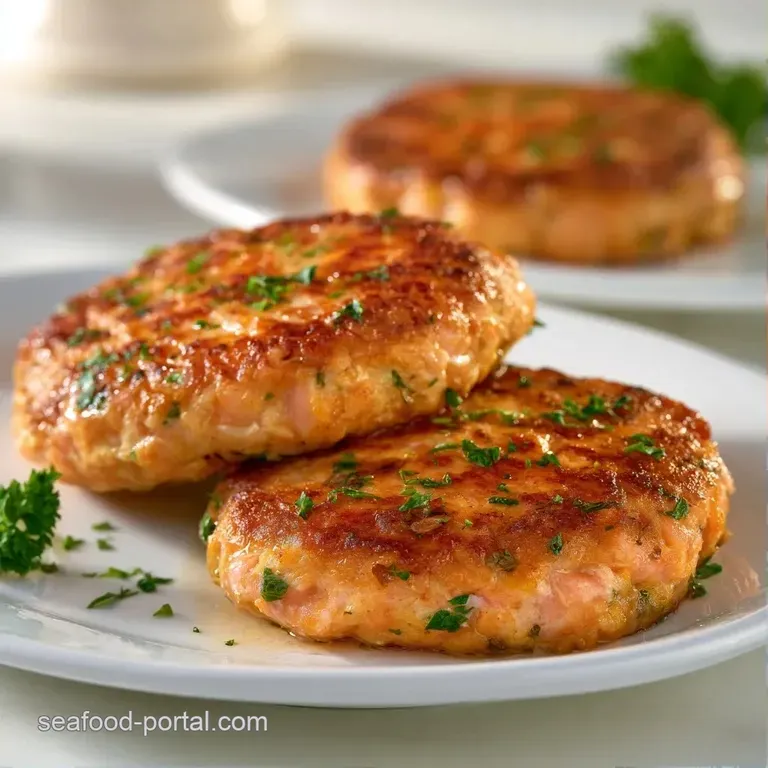
The most common complaint I hear about Salmon Burgers is that they "fell apart." Usually, this isn't a recipe problem, it's a patience problem. If you skip the chill or flip too early, you're asking for trouble.
Why Your Patties Crumble
If the burger breaks during the flip, you likely didn't create enough of that "sticky paste" or you tried to flip them before the crust had fully set. The sear is what locks everything in place.
Why the Fish Tastes Dry
Overcooking is the enemy here. Salmon goes from velvety to chalky in about 60 seconds. Stop cooking the moment you hit 63°C.
| Problem | Root Cause | Solution |
|---|---|---|
| Patties sticking to pan | Pan not hot enough | Wait for oil to shimmer |
| Mushy interior | Too much food processor use | Hand dice 2/3 of the fish |
| Bland flavor | Under seasoning | Taste a tiny bit of paste first |
Common Mistakes Checklist:
- ✓ Did I chill the patties for at least 20 minutes?
- ✓ Did I avoid moving the patties for the first 4 minutes of searing?
- ✓ Is my oil shimmering before the fish hits the pan?
- ✓ Did I use a gentle fold instead of stirring vigorously?
Dietary Tweaks and Swaps
I love the almond flour version because it's low carb, but I've played around with this. If you're making No Egg Salmon Burgers, you've already got the base covered, but you can still pivot the binder.
For those who want something more traditional, Egg Salmon Burgers are a thing, though I find they can be a bit too "spongy." If you prefer a classic crunch, you can swap the almond flour for Panko breadcrumbs, but keep in mind it will make the burger denser.
| Original Ingredient | Substitute | Why It Works |
|---|---|---|
| Almond Flour (2 tbsp) | Panko Breadcrumbs (2 tbsp) | Classic binder. Note: Adds gluten and a crunchier, denser feel |
| Dijon Mustard (1 tbsp) | Mayo (1 tbsp) | Similar creaminess. Note: Loses the vinegary "bite" |
| Fresh Parsley (2 tbsp) | Fresh Dill (2 tbsp) | Similar herbal profile. Note: Dill is more traditional for salmon |
If you want a more "Healthy No Egg Salmon Burgers" vibe, you can swap the oil for a light spray of avocado oil. Just be careful, as you need enough fat to get that golden crust. For those craving something different, you can try these as Salmon Patties Without Eggs or even as Egg Free Salmon Cakes by adding a bit of zest from the lemon.
Adjusting the Batch Size
Scaling these is pretty straightforward, but you can't just multiply everything by four and hope for the best.
Going Smaller (Half Batch): When making 3 patties, use a smaller skillet. If you use a huge pan for a small batch, the oil spreads too thin and you won't get that deep sear. Reduce your cook time by about 20% since the pan maintains heat differently.
Going Larger (Double/Triple Batch): If you're feeding a crowd, work in batches. Do not crowd the pan, or the salmon will steam instead of sear, and you'll lose the crust. Also, don't quadruple the salt, start with 1.5x the seasoning and taste the mix.
Chef's Tip: If you're making a massive batch, freeze your almond flour for 10 minutes before adding it. This keeps the mixture colder while you're handling it, which is crucial for keeping the patties firm.
Clearing Up Common Myths
There are a few things people tell you about fish burgers that are just plain wrong.
Myth: You must use eggs to stop patties from crumbling. Not true. As we've seen with these No Egg Salmon Patties, using the fish's own proteins by pulsing a small portion is actually more effective and tastes cleaner.
Myth: Searing "locks in" the juices. This is an old wives' tale. Searing creates flavor through browning, but it doesn't create a waterproof seal. The real secret to juiciness is simply not overcooking the internal temperature.
Storage Guidelines
If you have leftovers, don't just throw them in a container. Let them cool slightly first so they don't steam themselves into mush.
- Fridge
- Store cooked Salmon Burgers in an airtight container for up to 3 days.
- Freezer
- You can actually freeze these before cooking. Shape them, freeze them on a tray, and then toss them in a bag for up to 2 months. Just cook them from frozen, just add 2 minutes per side.
- Reheating
- Use a skillet over medium heat or an air fryer. Avoid the microwave, or you'll end up with a rubbery texture.
Zero Waste Tip: Don't throw away the parsley stems! Finely chop them and add them to a homemade pesto or toss them into a soup for an extra hit of greenery. Also, use the leftover lemon rinds to zest into your morning yogurt.
Perfect Side Dish Pairings
Since these have a rich, savory profile, you need something to cut through that fat. I usually go for something bright or creamy.
A really great move is to serve these with a spicy aioli sauce on a toasted brioche bun. The creaminess of the aioli plays perfectly against the acidity of the capers in the burger. If you're looking for something a bit more traditional, a dollop of creamy dill sauce is the gold standard for any salmon dish.
For a side, I love a simple arugula salad with a lemon vinaigrette or some roasted asparagus. If you want to go all out, some thin sliced cucumbers with rice vinegar provide a cooling contrast to the seared fish. Right then, you've got yourself a full meal. Enjoy!
Recipe FAQs
Can you make salmon burgers without eggs?
Yes, these are egg-free. This recipe uses almond flour and a portion of salmon pulsed into a sticky paste to bind the patties.
What is a good binder for salmon burgers?
Use almond flour and salmon paste. Pulsing one-third of the salmon creates a natural adhesive that holds the remaining chunks together.
How can I tell when my salmon burgers are cooked through?
Check for an internal temperature of 145°F (63°C). The exterior should be deep golden-brown and firm to the touch.
Can I make the patties ahead of time?
Yes, shape them and store them in the refrigerator. Chilling the patties for at least 20 minutes is actually required to prevent them from spreading.
Can I cook these burgers from frozen?
Yes, simply add 2 minutes per side. Sear them in a skillet over medium-high heat until the center reaches 145°F.
Why are my salmon burgers falling apart?
The patties were likely not chilled long enough. Ensure they spend at least 20 minutes in the fridge to firm up the binders before searing.
How to make salmon patties with canned salmon?
Substitute drained canned salmon for the fresh fillet. Follow the same mixing and chilling steps and serve with a creamy fish taco sauce for a zesty finish.
Salmon Burgers: Crispy and Golden