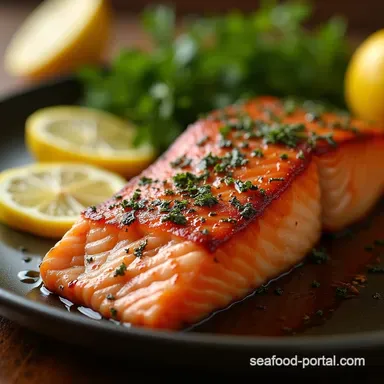
The Weeknight Wonder Foolproof Lemonherb Roasted Salmon with Crispy Skin
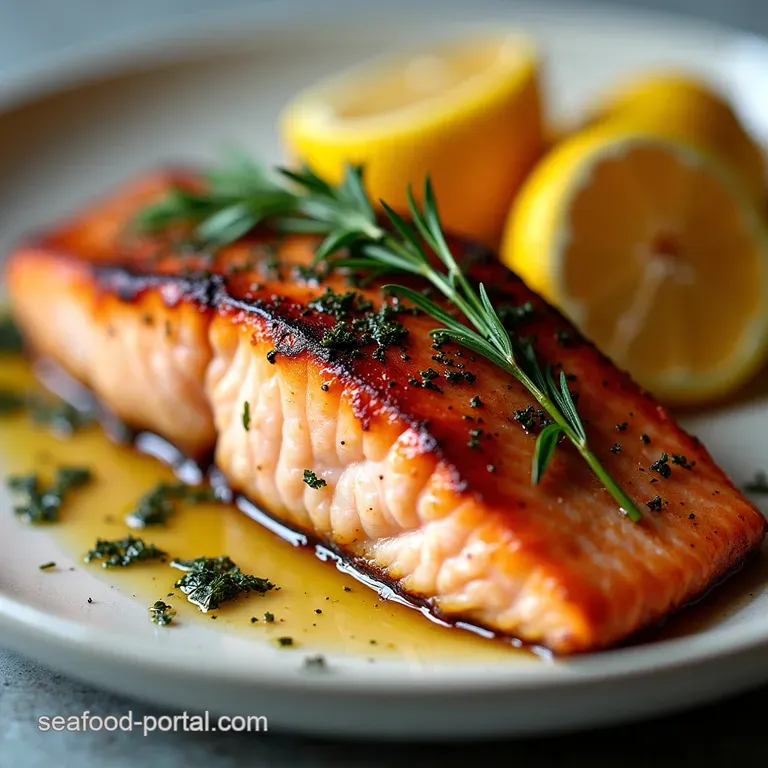
- Unlocking Restaurant-Quality Flavor in Minutes: Why This Roasted Salmon Recipe Wins
- The Secret to Succulent Centers and Snappy Skin
- Gathering Your Zesty Arsenal: Essential Components
- The Step-by-Step Mastery of Perfect Roasting
- Elevating the Meal: Serving Companions for Your Fish
- Troubleshooting and Storage Wisdom for Leftovers
- Recipe FAQs
- 📝 Recipe Card
Unlocking Restaurant Quality Flavor in Minutes: Why This Roasted Salmon Recipe Wins
There’s a misconception that truly exceptional fish requires complex techniques, long marination times, or specialized restaurant equipment. I'm here to dispel that myth immediately.
The oven roasted Salmon presented here is the gold standard for home cooks who demand maximum flavor with minimal effort. This approach transforms humble salmon fillets into a centerpiece dish, utilizing the dry, consistent heat of the oven to cook the fish evenly while locking in the luxurious moisture.
It’s genuinely the epitome of Simple Oven Baked Salmon . Forget standing over a sputtering pan; this method delivers beautifully flaky texture every time, making it your new weeknight staple.
The Secret to Succulent Centers and Snappy Skin
The magic behind this oven roasted Salmon Recipe isn't just the high heat; it’s the protective, flavourful blanket we apply before it ever sees the oven. Dryness is the enemy of good salmon, and our vibrant herb crust acts as both insulation and seasoning delivery system.
We are aiming for that perfect textural contrast: a tender, meltingly moist interior complemented by either a satisfyingly crisp skin (if you leave it on) or a beautiful golden crust on the flesh side.
Why This Lemon Herb Marinade is a Game Changer
The heart of this dish lies in what we use to coat the fillets. Instead of a simple sprinkle of salt, we create a dynamic paste using fresh garlic, bright lemon zest, tangy Dijon mustard, fresh parsley, and thyme. This combination cuts through the richness of the salmon beautifully.
The acidity from the lemon juice helps tenderize the very top layer slightly, while the mustard acts as an emulsifier, helping the oils bind to the fish and caramelize slightly during the roast. This Lemon Garlic oven roasted Salmon profile is universally loved.
Time Commitment: From Prep to Plate Snapshot
One of the best attributes of this preparation is its speed. With only about 15 minutes of active preparation, you can have the fillets seasoned, coated, and ready for the oven.
Once that tray is in, the actual cooking time for standard 6-ounce fillets is often under 18 minutes. This makes it an incredibly Quick oven roasted Salmon solution for busy evenings.
Addressing Common oven roasted Salmon Failures
What usually goes wrong? Overcooking is the primary culprit, leading to a dry, chalky texture. The second common error is skipping the initial drying step. Moisture on the surface of the fish turns to steam in the oven, preventing the seasoning from adhering properly and inhibiting that desirable texture development.
For this oven roasted Salmon Fillet , patting the fish aggressively dry with paper towels is non-negotiable for success.
Gathering Your Zesty Arsenal: Essential Components
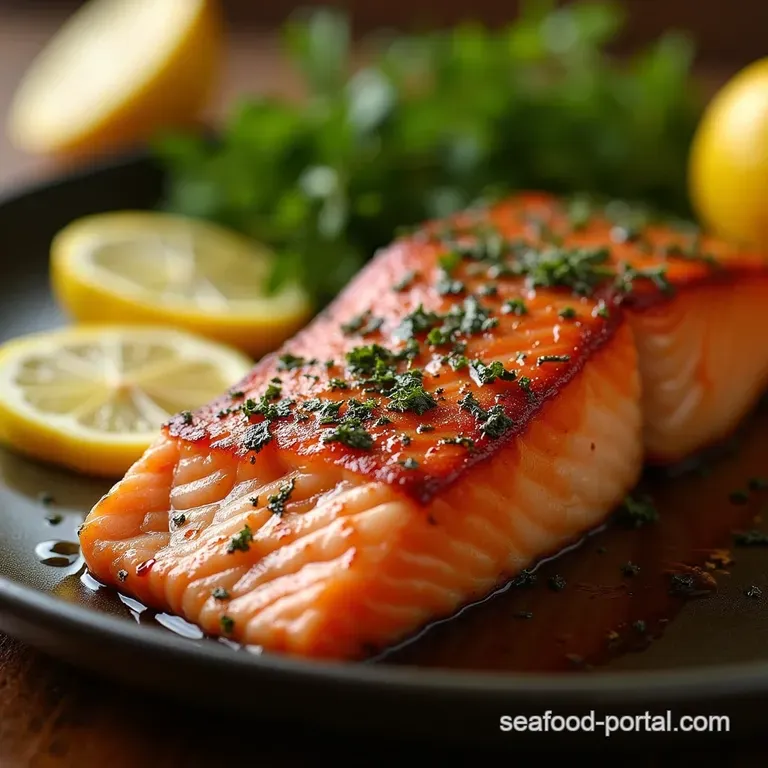
To achieve this delightful outcome, we need quality components, but nothing too exotic. The ingredients are straightforward, focusing on fresh, vibrant tastes that complement, rather than overpower, the natural flavor of the fish. We are planning for a generous serving of four, so plan your fillets accordingly.
The Primary Protein: Selecting Premium Salmon Fillets
For the best results, aim for four substantial salmon fillets, roughly 6 ounces each. Centre cut portions are ideal as they are uniform in thickness, which aids in even cooking. Whether you opt for skin-on or skin off is a personal choice; keep the skin on if you enjoy that textural element, as the skin protects the flesh from the direct heat of the baking sheet.
Crafting the Signature Herb Paste Ingredients
Our flavour paste requires three tablespoons of good quality extra virgin olive oil to carry the fat-soluble flavours. We need two cloves of garlic, pressed or minced as finely as possible, along with the zest of one large lemon remember, the zest holds the essential oils and flavour, not just the juice.
To that, we add two tablespoons of fresh lemon juice, a spoonful of smooth Dijon mustard, and a combination of finely chopped fresh parsley and thyme. A balanced ½ teaspoon of kosher salt and ¼ teaspoon of black pepper ties this profile together.
Why High Heat Roasting Requires Specific Fats
The olive oil in our mixture serves a dual purpose: flavour delivery and heat management. Roasting at 400° F ( 200° C) requires a fat that can handle the heat without smoking excessively.
Extra virgin olive oil provides a clean, peppery backbone, ensuring the delicate herbs don't burn before the fish is cooked through.
Related Recipes Worth Trying
- Crispy Skin Magic 10Minute Air Fryer Salmon Recipe — Need a quick healthy dinner This air fryer salmon recipe guarantees flaky fish and crackling skin in just 10 minutes Simple seasoning included
- The Posh Fishcake Salmon Patties with Creamy LemonGarlic Sauce — Elevate your weeknight dinner with these crispy Salmon Patties Paired with a luscious simple Lemon Garlic Sauce recipe this comfort food is utterly foolproof
- Tender HotSmoked Salmon with MapleDill Cure — Forget storebought Learn the foolproof way to make luscious flaky hotsmoked salmon at home using a simple dry cure and your BBQ Perfect for bagels
The step-by-step Mastery of Perfect Roasting
This process moves quickly, so ensure your oven is preheated before you start mixing your marinade. This structured approach ensures every step contributes optimally to the final texture and taste.
Prepping the Pan: Setting the Stage for Non-Stick Magic
The first action is setting the temperature to 400° F ( 200° C). Next, take your large baking sheet and line it generously with parchment paper.
This is the best insurance policy against sticking, ensuring that when the fish is done, it lifts right off, leaving minimal cleanup behind.
Building and Applying the Flavor Crust Evenly
In a small bowl, whisk together all the components of the lemon herb crust until they form a cohesive, slightly thick dressing. On the baking sheet, place your patted dry salmon fillets skin side down.
Give the fillets a very light drizzle of plain olive oil and a minimal sprinkle of plain salt and pepper most of your seasoning comes from the crust. Now, spoon that brilliant herb mixture generously over the flesh side of each piece, spreading it edge-to-edge.
The Crucial Timing for Flakiness in Your oven roasted Salmon
Place the prepared tray into the hot oven. The cooking window is tight: plan for 12 to 18 minutes. This variation is entirely dependent on how thick your specific oven roasted Salmon Fillet happens to be.
Keep an eye on it; the edges should look opaque, and the centre should just begin to lose its translucency.
The Final Rest: Don't Skip This Post Bake Step
Once you remove the fish from the oven, resist the urge to serve immediately. Allowing the salmon to rest on the pan for about three minutes is vital. This resting period allows the internal juices, which have been pushed toward the centre by the heat, to redistribute evenly throughout the flesh, resulting in a significantly moister final product.
Elevating the Meal: Serving Companions for Your Fish
This beautiful oven roasted Salmon with Vegetables is robust enough to stand up to hearty sides, yet light enough for a clean meal. The bright flavours mean you don't need heavy sauces to compensate.
Troubleshooting and Storage Wisdom for Leftovers
While this fish is best enjoyed fresh, life happens, and sometimes there are leftovers. Knowing how to store and how to adapt the recipe ensures consistent quality moving forward.
Creative Twists: Flavor Variations on the Base Recipe
If you find yourself making this Easy oven roasted Salmon weekly, don't let it get monotonous! For a different profile, try substituting the thyme and parsley with ground cumin and smoked paprika for a Tex-Mex flair, or perhaps add a teaspoon of soy sauce and grated fresh ginger to the marinade for an Asian inspired glaze.
You can easily incorporate seasonal vegetables alongside the fish; roasting broccoli or slender carrots on the same pan with a light drizzle of oil makes for a perfect oven roasted Salmon and Asparagus integrated meal.
How Long Can This oven roasted Salmon Last in the Fridge?
Properly cooled and stored leftovers of this fantastic oven roasted Salmon will maintain excellent quality for up to three days when kept in an airtight container in the refrigerator.
The texture will soften slightly upon reheating, so consider gently reheating it in a low oven or serving cold over a salad the next day.
Pairing Suggestions: Wine and Side Dish Harmony
To complement the lemon and herbs, a crisp, unoaked Sauvignon Blanc or a dry Pinot Grigio works beautifully. On the plate, pairing it with roasted fingerling potatoes or a simple pilaf will soak up any delicious pan juices. For a truly healthy option, consider serving it over quinoa tossed with toasted pine nuts.
Nutritional Highlights of This Lean Protein Source
Salmon is a nutritional powerhouse, renowned globally for its high content of heart healthy Omega-3 fatty acids (EPA and DHA). This recipe keeps things exceptionally lean; the minimal fats come primarily from the quality olive oil and the natural fats within the fish itself.
It’s a fantastic source of high-quality lean protein, making this a powerhouse meal perfect for fueling any active lifestyle.
Recipe FAQs
How do I stop my oven roasted Salmon from going dry? It always seems to turn out a bit tough!
That’s a common kitchen woe, but it's usually down to timing! For perfectly moist salmon, pull it out of the oven when an instant read thermometer hits 140°F (60°C); the internal temperature will rise to a safe 145°F (63°C) while it rests.
Also, ensure you aggressively pat the fillets dry before adding the crust moisture steams the fish, leading to dryness.
What’s the best temperature to roast the salmon at for that nice lemon herb crust?
We recommend a good, hot blast at 400°F (200°C). This higher temperature ensures the topping cooks nicely and develops flavour without drying out the fish inside, especially if you leave the skin on.
If you prefer an extra crispy skin, move your rack to the lower middle position in the oven for the final few minutes.
Can I roast frozen salmon fillets? Or do I need to defrost them first?
While fresh or fully defrosted is always ideal, you can roast from frozen in a pinch! Just add about 50% more cooking time so if the recipe says 15 minutes, plan for closer to 22 25 minutes.
Don’t worry about the crust in the initial stage; just ensure you are checking the internal temperature for doneness.
If I don't have parsley and thyme, what herbs work well with this oven roasted Salmon?
Don't fret if your herb rack is looking sparse! Fresh dill is an absolute classic partner for salmon and would work brilliantly as a substitute for both parsley and thyme. Alternatively, dried Italian seasoning or even fresh rosemary (used sparingly) can give it a lovely, rustic flavour profile.
How long does leftover roasted salmon keep in the fridge, and what’s the best way to reheat it?
Leftovers are fantastic for lunch the next day! Store your cooked salmon in an airtight container in the fridge for up to 3 days. To reheat, the microwave is often too aggressive; instead, use a low oven (around 275°F / 135°C) with a splash of water or white wine added to the dish to help steam it gently back to life without drying it out.
Lemon Herb Roasted Salmon