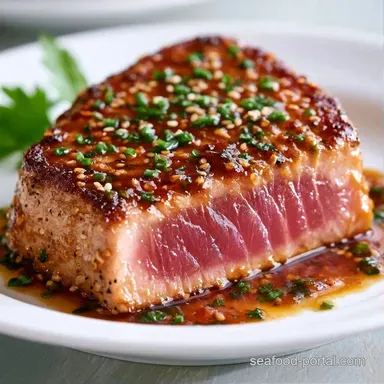
Pan-Seared Ginger Soy Tuna Steak
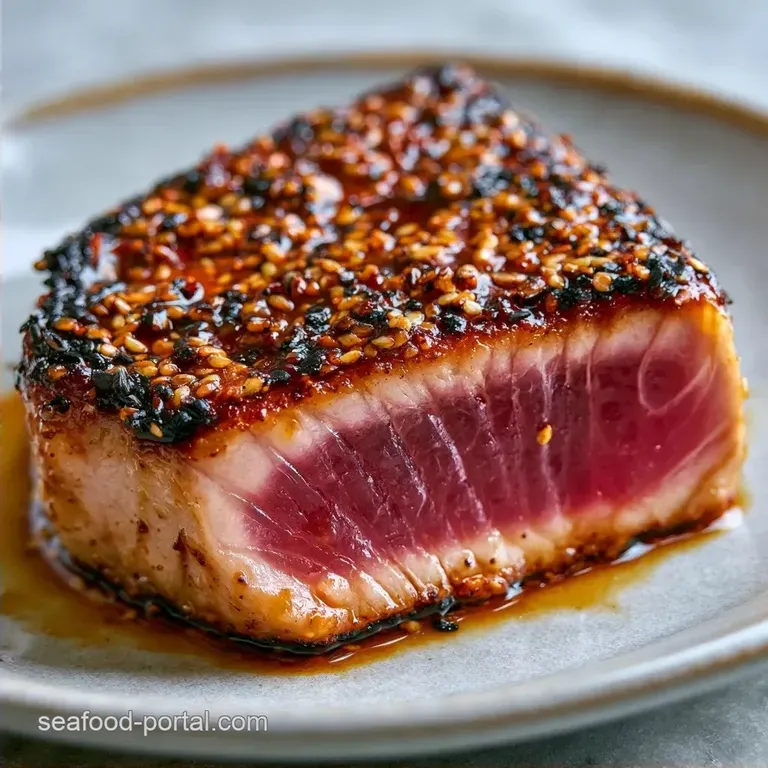
- Time: 15 min active + 30 min marinating
- Flavor/Texture Hook: Mahogany crust with a velvety, pink center
- Perfect for: Fast weeknight dinner or a high end date night
The scent of searing tuna is unmistakable a fragrant blend of salty soy and toasted sesame that instantly fills the room. It's a mouthwatering aroma that signals a successful meal is on the way.
I recall turning two pricey Ahi steaks into rubbery, gray slabs of disappointment because I was too afraid to leave the middle raw. After spending months mastering the "sear and rest" timing, I learned that carry over heat is what truly finishes the dish. Now, I can relax and trust the process.
The magic of this dish is the contrast. You're aiming for a deep, charred outer layer paired with a center that resembles fresh sashimi. It's a rapid, punchy meal that looks far more luxurious than the effort required.
Ginger Soy Tuna Steak Specs
Right then, let's get the numbers out of the way. This is a high speed recipe once the fish is marinated.
For the best results, you'll need exactly 30 minutes for the marinade. Don't skip this, but don't go over two hours, or the vinegar starts to "cook" the fish. The actual cooking time is just 5 minutes. Total time comes to 50 minutes.
The result is two servings of protein packed fish. Each steak should be about 6 oz for the best thickness. If they're too thin, they'll overcook before you even get a crust.
Shopping List Breakdown
This recipe relies on layering flavors. We begin with a salty foundation, then introduce sweet and tart elements to balance the fatty nature of the fish.
To create the marinade, use soy sauce to bring a deep umami quality. Blend it with honey for a tacky glaze and rice vinegar for a zesty lift. Minced garlic and freshly grated ginger add aromatic heat, while red pepper flakes provide a touch of street style spice.
For the fish, select Ahi (yellowfin) steaks. Avocado oil is ideal for searing because it remains stable at high temperatures. Garnish with toasted sesame seeds and sliced scallions for a colorful, crunchy touch.
| Original Ingredient | Substitute | Why It Works |
|---|---|---|
| Honey (1 tbsp) | Maple Syrup (1 tbsp) | Comparable sweetness. Note: Adds a slightly woodsy flavor |
| Rice Vinegar (1 tbsp) | Apple Cider Vinegar (1 tbsp) | Comparable acidity level. Note: Slightly fruitier taste |
| Avocado Oil (1 tbsp) | Grapeseed Oil (1 tbsp) | Both have high smoke points. Note: Neutral flavor |
Stick with fresh ginger the powdered variety simply lacks the same punch.
Equipment Needed
While you don't need specialized gear, your choice of pan is important. A cast iron skillet is the best option here; its excellent heat retention ensures a mahogany crust without overcooking the center.
Alternatively, a grill pan on the stovetop works quite well. Just be sure to preheat it until the oil starts to shimmer.
For marinating, use a glass bowl. Avoid using metal, as the vinegar in the marinade can react with the surface. A basic whisk and paper towels for drying the fish are the only other tools required.
From Prep to Plate
The aim is a swift sear.
Building the Umami Base
Add the soy sauce, sesame oil, rice vinegar, honey, grated ginger, minced garlic, and red pepper flakes to a glass bowl. Whisk vigorously until the honey dissolves and the sauce becomes smooth.
Marinating the Tuna
Set the tuna steaks in the marinade, making sure they are completely covered. Cover the bowl and refrigerate for 30 minutes. Note: This gives the salt time to enter the fish without curing it.
Creating the Crust
Take the Ginger Soy Tuna Steak out of the marinade. Gently blot the surfaces with paper towels. Note: Excess moisture causes the fish to steam rather than sear. Warm the avocado oil in a cast iron skillet on high, stopping when it starts to smoke.
Lower the tuna carefully into the pan. Sear for exactly 60-90 seconds per side. Wait for a dark brown crust to develop before turning.
Resting for Precision
Move the steaks onto a warm plate. Allow them to rest for 3-5 minutes. Note: This gives the heat time to move toward the center without overcooking the edges. Finish with sesame seeds and scallions.
How to Fix Common Problems
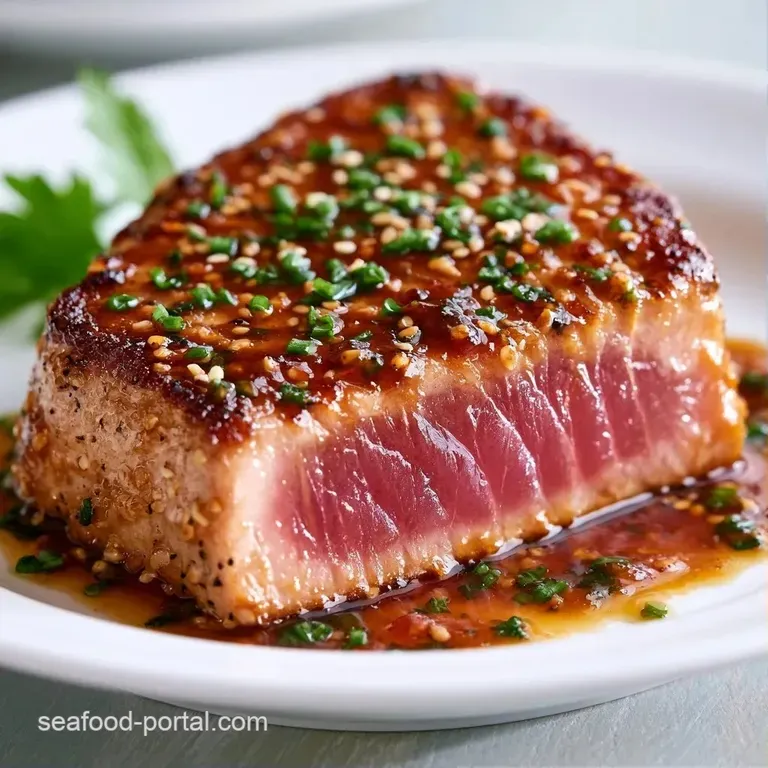
Tuna is temperamental. If you miss the window by 30 seconds, the texture changes.
Preventing the Gray Ring
If you see a thick band of gray meat around the pink center, your pan wasn't hot enough. This means the fish spent too much time in the pan. Ensure the oil is shimmering and almost smoking before the fish hits the metal.
Stopping Sauce Burning
The honey in the marinade can burn if the pan is too hot for too long. To avoid this, pat the tuna dry. You want the flavor on the fish, but you don't want a pool of sugar burning in the oil.
Managing Stickiness
If the tuna sticks to the pan, leave it alone. Give the crust time to finish developing before attempting to turn it. Forcing it to flip too early will tear the surface and ruin the look.
Handling Too Much Moisture
If the tuna doesn't brown and looks "boiled," you likely didn't pat it dry enough. Use more paper towels next time. Moisture is the enemy of the sear.
Variations & Substitutions
You can easily customize your Ginger Soy Tuna Steak. For a brighter citrus note, add a squeeze of lime juice to the marinade. The result is a Soy Ginger Lime Tuna Steak with a lighter, more summery feel.
For a gluten-free option, use tamari or coconut aminos instead. Tamari maintains the same salt level, while coconut aminos are slightly sweeter and lower in salt.
To put this fish to another use, try this ahi tuna poke recipe. It features similar flavors while leaving the fish raw for a refreshing contrast.
For alternative cooking methods, compare the pan with the oven:
| Method | Crust Quality | Center Temp | Cook Time |
|---|---|---|---|
| Stovetop | Dark & Crispy | Rare/Cool | 5 mins |
| Oven | Light Brown | Medium/Warm | 15-20 mins |
- For a firmer set
- sear for 120 seconds per side.
- For a spicier kick
- double the red pepper flakes.
- For a deeper sear
- pat the tuna drier with more paper towels.
How to Store and Keep Fresh
Seared tuna tastes best right after cooking. If any remains, place it in a sealed glass jar and use it within 2 days.
For another serving, skip the microwave, which can turn rare tuna rubbery. Let the tuna reach room temperature, or flash sear it in a hot pan for 30 seconds.
To prevent waste, reserve any extra marinade. Simmer it in a small pan for 3-5 minutes, until it thickens into a glaze. Drizzle it over steamed broccoli or rice to bring the meal together.
Pairing Ideas
This dish is bold, so you need sides that can balance the salt. Steamed bok choy or a simple cucumber salad with rice vinegar works perfectly. If you want a heartier base, serve it over jasmine rice.
If you want a more comforting meal, a classic tuna casserole is a great alternative for a different night of the week.
For a drink, a crisp glass of Sauvignon Blanc or a chilled sake complements the ginger and soy beautifully.
Why You'll Love This Recipe
The balance of honey and rice vinegar breaks down surface proteins just enough to let the soy soak in. This creates a deep flavor profile without ruining the texture.
The over high heat sear creates a savory crust that contrasts with the cool, rare center. It's a restaurant style result with very little active effort.
Debunking the Searing Myth
Searing meat does not "seal in juices." Moisture loss occurs regardless. The crust adds flavor through Maillard reaction.
Scaling the Dish
When scaling the Ginger Soy Tuna Steak for more people, work in batches. If you crowd the pan, the temperature drops, and you'll end up with steamed fish instead of seared steaks. For the marinade, you can double the liquid, but only increase the salt and spices to 1.5x to keep the flavor balanced.
Very High in Sodium
1620 mg 1,620 mg of sodium per serving (70% 70% of the daily value)
The American Heart Association recommends limiting sodium to no more than 2,300 mg per day, with an ideal limit of 1,500 mg for most adults.
Tips to Reduce Sodium
-
Use Less, Low-Sodium Soy Sauce-30%
Replace the 1/4 cup regular soy sauce with 2 tablespoons of low-sodium soy sauce plus 2 tablespoons of water or rice vinegar. Soy sauce is the recipe's main sodium source.
-
Dilute the Marinade-15%
Stretch the soy-based mixture with extra rice vinegar, water, ginger, garlic, and red pepper flakes so it remains flavorful without adding more soy sauce.
-
Use Only Some of the Sauce-10%
Reserve part of the marinade before adding the tuna, and use only a small amount to finish the cooked fish. Discard any marinade that contacted the raw tuna rather than serving it as a sauce.
-
Choose Plain Fresh Tuna-5%
Select unseasoned, fresh Ahi tuna steaks and check the package for added salt or sodium containing brines. Avoid pre-marinated or seasoned tuna.
-
Boost Flavor with Herbs and Spices
Emphasize the recipe's fresh ginger, garlic, red pepper flakes, toasted sesame oil, and rice vinegar to make the dish satisfying without adding salt or extra soy sauce.
Recipe FAQs
Do ginger and soy sauce go together?
Yes, they create a classic savory sweet balance. The pungent ginger cuts through the saltiness of the soy sauce perfectly.
Is soy sauce a good match for tuna steak?
It is a great pairing because the salty umami flavor enhances the richness of the fish. This combination is a staple in many Asian inspired seafood dishes.
What makes a great marinade for tuna steak?
A balance of salt, acid, and sweetness works best. Combining soy sauce, rice vinegar, and honey provides a well rounded flavor profile that penetrates the fish quickly.
How do you sear fresh tuna steaks?
Heat avocado oil in a cast iron skillet over high heat until it just begins to smoke. Sear for exactly 60 90 seconds per side to keep the center rare.
How to prepare tuna steaks in the oven?
Place the steaks on a lined tray and broil on high for a few minutes per side. Pan-searing remains the best method to achieve the specific crust required for this recipe.
Which sides pair best with this tuna?
Steamed bok choy or jasmine rice complement the ginger soy flavors. If you enjoyed balancing the salt and acid here, see how the same principle works in our poached mahi mahi.
Is it true that tuna needs to marinate for hours to be flavorful?
No, and here's why. A short 30-minute soak is enough to infuse the surface without over curing the meat like ceviche.
Should I skip patting the tuna dry before searing?
This one's false: skipping the pat-down leads to steaming instead of searing. Using paper towels ensures a proper crust forms on the surface.
Ginger Soy Tuna Steak