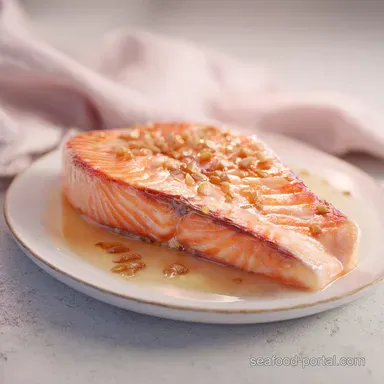
Baking Salmon Recipe: Garlic Butter and Flaky
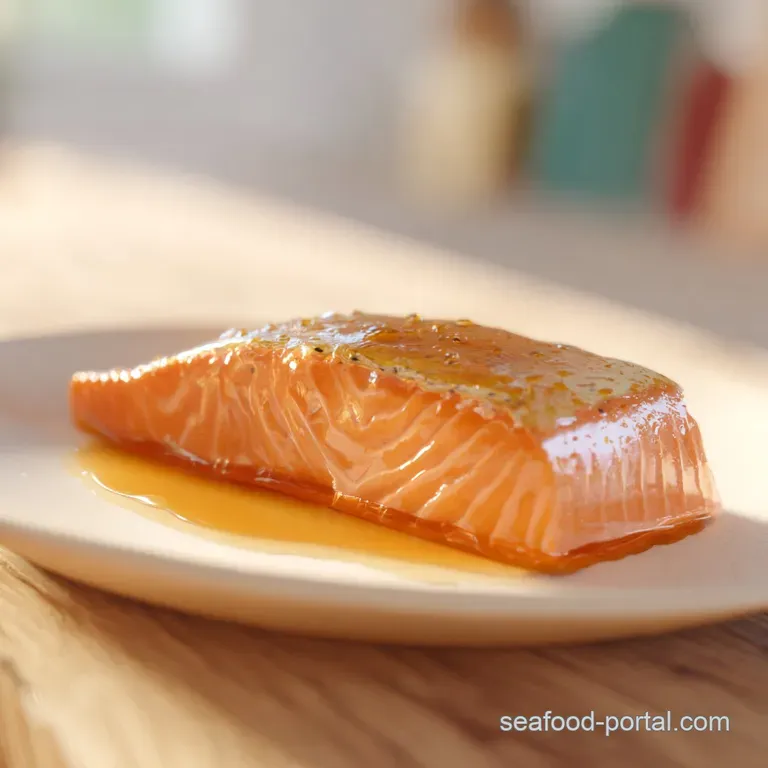
- Time: 5 min active + 15 min bake = Total 20 min
- Flavor/Texture Hook: Silky garlic butter with a tender, flaky finish
- Perfect for: Stress free weeknight dinners or beginner cooks
The smell of garlic and lemon hitting a hot oven is one of those things that just makes a house feel like a home. I remember the first time I tried to make a "fancy" fish dinner for my partner. I was so terrified of overcooking it that I kept opening the oven door every two minutes to peek.
I ended up with something that had the texture of a dry sponge, and the dreaded "white stuff" was oozing out of every side.
It was a disaster, but it taught me that salmon is all about the exit strategy. You don't cook it until it looks "done" - you cook it until it's almost done and let the residual heat do the heavy lifting.
Since then, I've tweaked my method to focus on moisture retention and temperature precision, and this is the version that actually works every single time.
You can expect a dish that is bright, zesty, and incredibly juicy. This baking salmon recipe isn't about complex techniques or expensive gadgets, just a few smart moves with butter and a thermometer.
Whether you're feeding a picky family or just treating yourself, this is the most reliable way to get that restaurant style flake without the restaurant style stress.
The Easiest Baking Salmon Recipe
Right then, let's get into the a to z of this dish. The goal here is a fillet that is opaque and tender, not rubbery or chalky. Most people make the mistake of baking salmon until it's 145°F, but by the time it hits the table, it's way overdone.
We're aiming for a pull temp of 135°F, which allows the fish to coast up to a safe and succulent temperature while it rests.
Trust me on this: the prep is minimal, but the results are huge. By using a parchment lined sheet, we avoid the nightmare of salmon sticking to the pan, which usually results in the fish breaking apart when you try to serve it. It's all about keeping the process smooth and the textures clean.
But what about the flavor? We're building it in layers. First, the salt and pepper penetrate the flesh, then the garlic butter creates a savory seal, and finally, the fresh lemon and parsley add a hit of acidity that cuts through the richness of the omega-3 fats.
It's a classic combination for a reason, and when done this way, it's absolutely brilliant.
Why This Salmon Stays Juicy
I used to think the "white stuff" (albumin) was just part of the fish, but it's actually a protein that gets pushed out when the muscle fibers contract too tightly from high heat. To stop that, we have to manage how the heat hits the fillet.
The Butter Shield: Melted butter creates a thin lipid layer on the surface, which slows down moisture evaporation and keeps the top from drying out.
Acidic Tenderizing: The lemon juice doesn't just taste great, it helps break down some of the tougher proteins on the surface for a more velvety mouthfeel.
Carryover Cooking: Removing the fish at 135°F prevents the internal proteins from tightening too much, ensuring the flakes stay moist and separate easily.
Surface Drying: Patting the salmon dry with paper towels is the one step most people skip, but it's what allows the butter to cling instead of sliding off in a watery mess.
| Method | Time | Texture | Best For |
|---|---|---|---|
| Oven Bake | 15 mins | Uniform, velvety | Large fillets, beginners |
| Pan Sear | 8 mins | Crispy skin, moist center | Single portions, fast prep |
| Air Fryer | 10 mins | Slightly firmer, charred | Extra crispiness, small batches |
Component Analysis
Before we start mixing, it's worth looking at what each ingredient is actually doing. It's not just about taste, it's about how the components interact under heat.
| Ingredient | Science Role | Pro Secret |
|---|---|---|
| Unsalted Butter | Heat Distributor | Use butter over oil for a richer, silkier coating |
| Fresh Lemon | pH Balancer | Zest provides the aroma, juice provides the tang |
| Kosher Salt | Moisture Binder | Salt draws out surface moisture for a better sear |
| Garlic | Flavor Base | Mince finely to avoid burnt, bitter chunks |
Gear For The Job
You don't need a professional kitchen for this, but a few specific tools make it way easier. A digital meat thermometer is non negotiable. If you're guessing the doneness of salmon, you're gambling with your dinner. I use a simple instant read probe to hit that 135°F mark exactly.
For the pan, a standard rimmed baking sheet works best. I always use parchment paper because cleaning baked on fish proteins from a metal pan is a chore I'd rather avoid. A small whisk or a fork for the glaze and a pastry brush (or just a spoon) to apply the butter is all you need.
If you're looking to expand your seafood repertoire, you might also enjoy a Baked Scallop recipe which uses a similar oven roasting logic to keep shellfish tender.
Ingredients & Substitutes
Stick to these measurements for the best result. I've used a 1.5 lb fillet, which usually feeds four people comfortably.
- 1.5 lb salmon fillets Why this? Balanced fat content for moisture
- 1/2 tsp kosher salt Why this? Coarser grains for even seasoning
- 1/4 tsp black pepper Why this? Adds a subtle heat contrast
- 3 tbsp unsalted butter, melted Why this? Provides the velvety mouthfeel
- 3 cloves garlic, minced Why this? Fresh garlic has more punch than powder
- 1 tbsp fresh lemon juice Why this? Brightens the fatty flavor
- 1 tsp lemon zest Why this? Concentrated citrus oils for aroma
- 1 tbsp fresh parsley, chopped Why this? Adds a fresh, herbal finish
| Original Ingredient | Substitute | Why It Works |
|---|---|---|
| Unsalted Butter | Olive Oil | Similar heat distribution. Note: Lacks the creamy flavor of butter |
| Fresh Lemon Juice | Lime Juice | Similar acidity. Note: Shifts the flavor profile toward a zestier, tropical vibe |
| Fresh Parsley | Fresh Dill | Classic pairing with salmon. Note: Stronger, more traditional "fishy" herb flavor |
| Kosher Salt | Sea Salt | Similar mineral content. Note: Use slightly less as fine sea salt is saltier by volume |
Step by step Guide
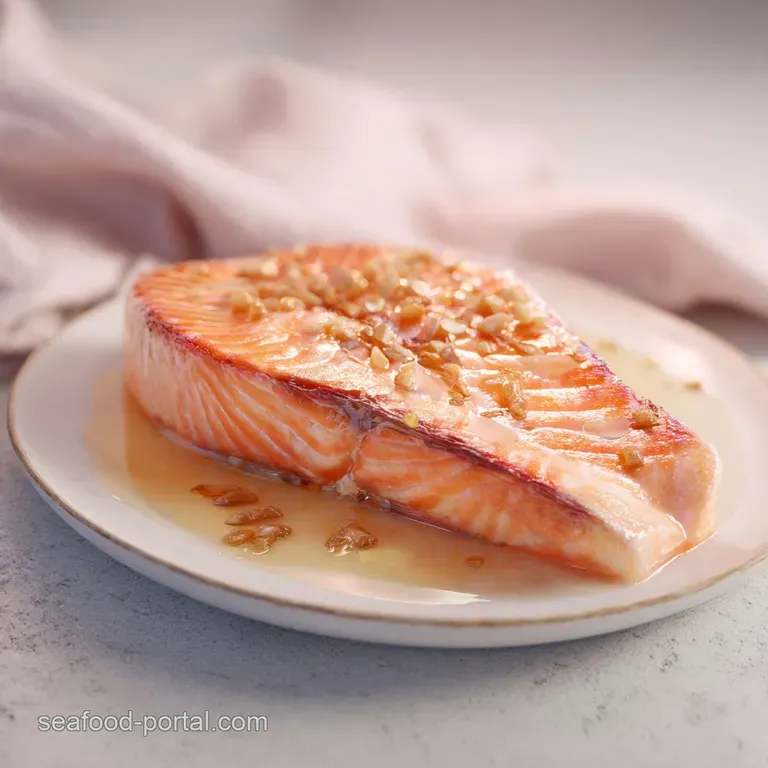
Let's crack on with the actual cooking. Follow these steps, and don't be tempted to overcook it just because it "looks" like it needs more time.
- Preheat the oven to 400°F (200°C) and line a baking sheet with parchment paper. Note: A hot oven ensures the butter sizzles immediately.
- Pat the salmon fillets dry with paper towels. Note: Moisture on the surface creates steam, which prevents a good crust.
- Season both sides of the fillets generously with salt and pepper.
- In a small bowl, whisk together the melted butter, minced garlic, lemon juice, and lemon zest.
- Generously brush the garlic butter mixture over the top of each fillet. Note: Make sure the edges are coated to prevent drying.
- Bake for 12–15 minutes. Until the flesh turns opaque and the butter is bubbling.
- Check the internal temperature. Remove the fish when the thickest part reaches 135°F (57°C). Note: According to Serious Eats, this temperature allows for perfect medium doneness after resting.
- Remove from the oven and garnish with chopped parsley.
- Let the fillets rest for 5 minutes before serving. Until the juices redistribute for a silky texture.
Fixing Common Salmon Errors
Even with a great baking salmon recipe, things can go sideways. Most issues stem from temperature or moisture.
Dry Salmon Issues
If your fish feels like cardboard, it's almost certainly overcooked. Salmon continues to cook after it leaves the oven, so if you wait until it's 145°F in the pan, it'll be 155°F on the plate. Always pull it early.
The Albumin Problem
Those white beads of protein appear when the fish is cooked too fast or too long. While they are safe to eat, they aren't pretty. To avoid them, stick to the 400°F temperature and don't exceed 15 minutes.
Sticky Fillets
If the fish is sticking to the pan, you've likely skipped the parchment paper or didn't use enough butter. The butter acts as a lubricant, but the paper is your true insurance policy.
| Problem | Root Cause | Solution |
|---|---|---|
| Rubbery Texture | Overcooked | Pull from oven at 135°F (57°C) |
| Bland Taste | Under salted | Season both sides immediately after patting dry |
| Burnt Garlic | Oven too hot | Ensure garlic is minced finely and mixed into butter |
Salmon Success Checklist:
- ✓ Fillets were patted bone dry before seasoning.
- ✓ Oven was fully preheated to 400°F.
- ✓ Internal temperature was checked with a probe.
- ✓ Fish rested for at least 5 minutes before plating.
- ✓ Used parchment paper to prevent sticking.
Customizing Your Fillets
Once you've mastered this baking salmon recipe, you can start playing with the flavors. I love swapping the garlic for a bit of honey to make a honey garlic salmon twist. Just add 1 tbsp of honey to the butter mixture. The sugars will caramelize in the oven, giving you a sticky, sweet glaze that's incredible.
For something a bit more Mediterranean, you can replace the butter with a dollop of pesto and a sprinkle of Parmesan cheese. This creates a crusty top that contrasts beautifully with the tender fish.
If you're avoiding dairy, use melted coconut oil or a high-quality vegan butter; the fat content is similar enough that the texture remains velvety.
If you're in the mood for something even more classic, you might try an Almondine Fish recipe which uses brown butter and toasted almonds for a nuttier finish.
| Goal | Action | Impact |
|---|---|---|
| Extra Sweet | Add 1 tbsp Honey | Caramelized, sticky glaze |
| Nutty Crunch | Add Sliced Almonds | Added texture and richness |
| Spicy Kick | Add 1/2 tsp Red Pepper Flakes | Warm, tingling heat |
| Zesty Punch | Double the Lemon Zest | More intense citrus aroma |
Salmon Cooking Myths
Let's clear up a few things. First, the idea that searing salmon "seals in the juices" is a total myth. Searing adds flavor and texture, but it doesn't create a waterproof barrier. Moisture loss happens regardless of how you start the cook.
Second, some people insist that salmon must be room temperature before it hits the oven. In reality, cooking it straight from the fridge can actually be an advantage. It gives you a wider window of safety before the center overcooks, allowing you to get a better exterior color without drying out the middle.
Finally, don't believe that you have to use expensive wild caught salmon for this baking salmon recipe to work. While flavor profiles differ, farmed Atlantic salmon often has a higher fat content, which actually makes it more forgiving in the oven.
Storage And Scrap Tips
If you have leftovers, store them in an airtight container in the fridge for up to 3 days. When reheating, avoid the microwave if you can. Instead, put the fillet in a 275°F (135°C) oven for about 5-8 minutes.
This gently warms the fish without pushing it into the "rubbery" zone. This recipe doesn't freeze well after cooking, so if you want to freeze it, do so before you bake it.
As for zero waste, don't toss those lemon rinds. After you've zested and juiced your lemon, you can put the spent rinds in a jar with some salt or sugar to create an infused seasoning. Even the salmon skin, if you've removed it, can be crisped up in a pan with a little oil to make a salty, crunchy snack.
Perfect Side Dish Pairs
Because this baking salmon recipe is so buttery and bright, you want sides that can either cut through that richness or complement the lemon. I usually go for something green and crisp. Roasted asparagus or steamed broccolini with a squeeze of lime works a treat.
For a heartier meal, a bed of quinoa or wild rice is the way to go. The grains soak up the extra garlic butter from the pan, so nothing goes to waste. If you're feeling fancy, a light cucumber salad with a dill vinaigrette adds a cool, refreshing contrast to the warm fish.
For another elegant seafood option to serve alongside, you might consider a Baked Scallop recipe for a full on seafood feast.
Right then, you've got everything you need. This baking salmon recipe is all about confidence and a thermometer. Stop guessing, start probing, and enjoy that silky, flaky goodness. Let's get cooking!
Recipe FAQs
Is it better to cook salmon at 350 or 400 in the oven?
400°F (200°C) is best. This higher temperature ensures the butter sizzles immediately and prevents the fish from drying out.
How to bake salmon for gastritis?
Bake using the lemon and garlic butter provided. These light ingredients are generally easier on the stomach than heavy creams or spicy seasonings.
How long should you oven bake salmon for?
Bake for 12 15 minutes. The fillets are done when the thickest part reaches an internal temperature of 135°F (57°C).
How to cook salmon for a diabetic?
Season with the garlic, lemon, and herbs provided. This preparation is naturally low-carb; you can apply a similar focus on fresh aromatics in our homemade fish cakes.
Is it true that salmon must be cooked until it flakes easily to be safe?
No, this is a common misconception. Relying on flaking often leads to overcooking; use a thermometer to hit exactly 135°F for the best texture.
How to tell when the salmon is perfectly cooked?
Insert a meat thermometer into the thickest part. Remove the fillets from the oven once the reading hits 135°F (57°C).
What should I do with leftover baked salmon?
Store in an airtight container in the fridge for up to 3 days. Reheat in a 275°F oven for 5-8 minutes to avoid the rubbery texture caused by microwaves.
Garlic Butter Baked Salmon