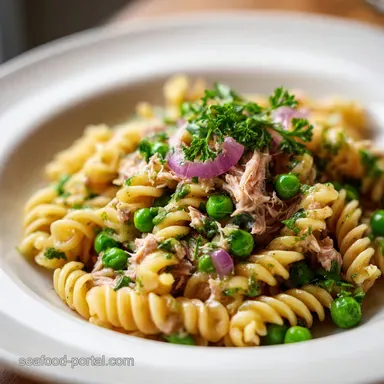
Easy Tuna Pasta Salad: Zesty and Creamy
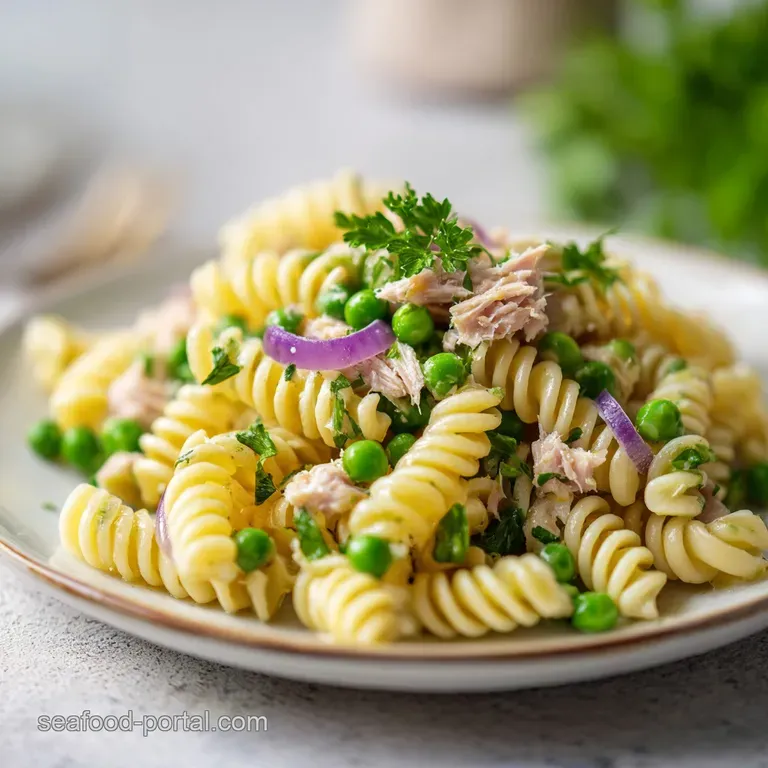
- Time:15 minutes active + 10 minutes cook = Total 25 minutes
- Flavor/Texture Hook: Zesty, creamy, and punchy with a fresh celery snap
- Perfect for: Quick weeknight lunches, beach picnics, or easy meal prep
- Tuna salad recipe with pasta
- How to Actually Nail This
- Quick Recipe Specifications
- The Full Ingredient List
- Essential Kitchen Tools
- Why This Works
- The Step by Step Process
- Fixing Common Pasta Mistakes
- Fun Flavor Variations
- Storage and Reheating Guide
- Best Side Dish Pairings
- Recipe FAQs
- 📝 Recipe Card
The smell of fresh lemon zest and chopped parsley always takes me back to my aunt's backyard parties. I remember the first time I tried to make a pasta salad, and it was a total disaster - the noodles were gummy, and the whole thing tasted like a salty sponge.
I had just dumped the dressing over hot pasta and hoped for the best.
Right then, I realized that timing and temperature are everything. After a few years of trial and error, I learned that the secret isn't in the ingredients, but in how you treat the pasta. Once I started rinsing my noodles in ice cold water, everything changed.
You're going to love this version. It's a tuna salad recipe with pasta that actually stays creamy without becoming a soggy mess. We're balancing the richness of mayo with a bit of Greek yogurt to give it a bright, velvety finish that doesn't weigh you down.
Tuna salad recipe with pasta
Let's crack on with the details. This isn't your average deli side; it's a full flavored meal that hits all the right notes. We're looking for a contrast between the soft, chewy pasta and the crisp, sharp bite of red onion and celery.
The key here is the "fold." If you stir this like you're mixing cake batter, you'll smash the tuna into a paste. We want those distinct flakes of fish to stay intact, providing a meaty texture against the smooth sauce. Trust me, the difference is huge.
But what about the starch? If you don't rinse the pasta, the sauce just disappears into the noodles, leaving you with a dry salad. We'll get into the "why" in a second, but just know that the cold rinse is non negotiable.
How to Actually Nail This
To get this right, you have to focus on the pasta's "bite." You want it al dente - meaning it still has a slight resistance when you chew it. If you overcook it, the pasta will break apart when you fold in the tuna, and you'll end up with a mushy heap.
I once made the mistake of using spaghetti for this, and it was a nightmare to eat. Always go for a short, twisted shape like rotini or fusilli. These shapes act like little screws that lock the dressing and the tiny peas into every bite.
Another pro move is to let your tuna drain completely. I'm talking really drain it. Press it against the lid of the can. If there's too much water left, it will thin out your dressing and make the salad watery by the time you're ready to eat.
Chef's Note: For an extra punch, let your diced red onion soak in the lemon juice for 5 minutes before adding it to the mix. This "quick pickles" the onion, removing that harsh raw sting and replacing it with a bright, tangy flavor.
Quick Recipe Specifications
Before we dive into the gear, let's talk about the basics. This recipe is designed for a standard family meal or a few days of lunches. It's accessible, budget friendly, and doesn't require any fancy equipment.
The timing is tight - only 25 minutes from start to finish. The most "difficult" part is simply waiting for the pasta water to boil. Since this is a cold dish, it's a fantastic way to cool down the kitchen in the summer.
The Decision Shortcut
- If you want more zing: Double the lemon juice and add a pinch of paprika.
- If you want it lighter: Swap all the mayonnaise for full fat Greek yogurt.
- If you want more crunch: Double the celery and add diced cucumber.
The Full Ingredient List
Stick to these measurements to keep the balance of fat and acid just right. I've found that using both mayo and yogurt gives you the best of both worlds: the classic flavor of a deli salad with a modern, lighter twist.
- 8 oz (225g) rotini or fusilli pasta Why this? Twists hold the dressing and peas better
- 1 cup (150g) frozen peas, thawed Why this? Adds a pop of sweetness and color
- 2 cans (5 oz/142g each) tuna in water, drained well Why this? Leaner than oil packed tuna
- 1/2 cup (60g) celery, finely diced Why this? Essential for that fresh, watery crunch
- 1/4 cup (40g) red onion, minced Why this? Provides a sharp, peppery contrast
- 2 tbsp (30g) fresh parsley, chopped Why this? Cuts through the richness of the mayo
- 1/2 cup (120g) mayonnaise Why this? Gives the salad its velvety body
- 1/4 cup (60g) Greek yogurt Why this? Adds a tangy, protein rich lift
- 1 tbsp (15ml) lemon juice Why this? Brightens the tuna and prevents oxidation
- 1 tsp (5ml) Dijon mustard Why this? Adds a subtle, sophisticated depth
- 1/2 tsp (3g) salt
- 1/4 tsp (1g) black pepper
Ingredient Swaps
| Original Ingredient | Substitute | Why It Works |
|---|---|---|
| Rotini Pasta | Penne or Macaroni | Similar shapes. Note: Penne is smoother, so it holds slightly less sauce |
| Greek Yogurt | Sour Cream | Similar tang and fat. Note: Slightly heavier feel than yogurt |
| Red Onion | Green Onions | Milder flavor. Note: Best for those who dislike the "burn" of red onion |
| Frozen Peas | Diced Cucumber | Fresh crunch. Note: Removes sweetness; adds more water content |
Essential Kitchen Tools
You don't need a professional setup for this. A few basic tools will do the trick. I prefer using a large mixing bowl because it gives me plenty of room to fold the ingredients without splashing dressing all over the counter.
A rubber spatula is my secret weapon here. Unlike a metal spoon, the spatula is gentle on the pasta and the tuna flakes, ensuring you don't accidentally mash everything into a paste.
Finally,, a fine mesh strainer is a must. You need to be able to rinse the pasta quickly and thoroughly. If you're using a colander with huge holes, you might lose a few pieces of pasta, but a mesh strainer keeps everything secure.
Why This Works
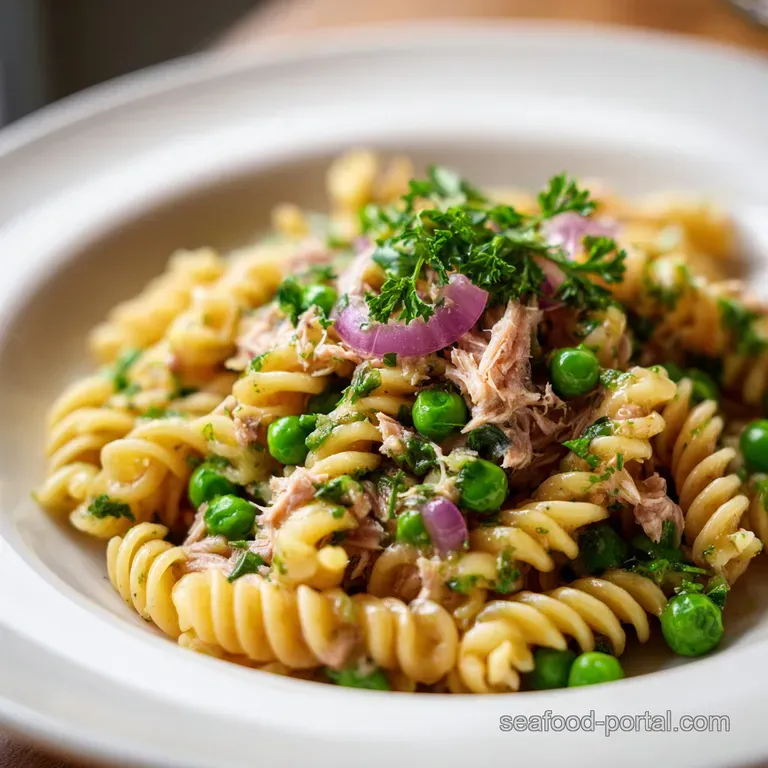
I'm not a scientist, but after a lot of kitchen experiments, I've noticed a few things that make this recipe actually work. It's all about managing the textures and the way the sauce clings to the food.
- Cold Shock: Rinsing pasta in cold water stops the cooking process immediately and washes away surface starch, preventing the noodles from sticking together.
- Fat Balancing: Mixing mayo with yogurt creates a lighter emulsion that doesn't coat the tongue as heavily, allowing the lemon and mustard to shine.
- Structural Integrity: Using rotini provides "nooks and crannies" that trap the peas and diced celery, ensuring every forkful is balanced.
- Acidity Control: The lemon juice breaks down the "fishy" notes of the canned tuna, making the overall flavor profile feel fresh and bright.
Method Comparison
| Feature | Stovetop Boiling (This Recipe) | Oven Baking (Tuna Casserole) |
|---|---|---|
| Temperature | Chilled / Cold | Hot / Bubbling |
| Texture | Crisp & Fresh | Soft & Cheesy |
| Best For | Summer Lunches | Winter Comfort |
| Time | 25 minutes | 45-60 minutes |
If you're in the mood for something warm and cozy, you might prefer my classic tuna casserole, which uses a totally different approach to texture.
Component Analysis
| Ingredient | Science Role | Pro Secret |
|---|---|---|
| Rotini | Surface Area | Use "al dente" to avoid mushiness |
| Greek Yogurt | PH Balance | Use full fat for a smoother mouthfeel |
| Lemon Juice | Flavor Brightener | Fresh squeezed is 10x better than bottled |
| Dijon Mustard | Emulsifier | Whisk it in first to bind the mayo and yogurt |
The step by step Process
Let's get cooking. Remember to keep an eye on that pasta - it can go from perfect to overcooked in about 60 seconds.
- Boil the pasta in salted water according to package directions until al dente (usually 8-10 minutes). Note: Use 1 tbsp of salt per gallon of water for better flavor
- Drain the pasta and immediately rinse under cold running water until the pasta feels chilled to the touch.
- In a small bowl, whisk the mayonnaise, Greek yogurt, lemon juice, and mustard for 1 minute until the mixture is completely smooth.
- Stir the salt and black pepper into the dressing.
- In a large mixing bowl, combine the chilled pasta, thawed peas, drained tuna, diced celery, and minced red onion.
- Pour the dressing over the mixture.
- Gently fold the ingredients using a rubber spatula until everything is evenly coated. Note: Do not stir vigorously; we want to keep the tuna in flakes
- Fold in the fresh parsley as the final touch.
Fixing Common Pasta Mistakes
The most common complaint with any tuna salad recipe with pasta is that it ends up either too dry or too mushy. Both are easy to fix if you know what to look for.
Why Your Salad Feels Dry
Pasta is like a sponge; it continues to absorb liquid even after it's cooked. If you make this a few hours in advance, the noodles will drink up the dressing. This happens because the starch in the pasta pulls moisture from the mayo.
Preventing Mushy Pasta
Mushiness usually comes from two things: overcooking the pasta or not rinsing it. If the pasta is too soft, it can't hold the weight of the tuna and veggies, and it collapses into a porridge like consistency.
Balancing Bland Flavors
If the salad tastes "flat," it's usually a lack of acid. Tuna and mayo are both heavy flavors. Without enough lemon or mustard, the dish feels one dimensional.
| Problem | Root Cause | Solution |
|---|---|---|
| Dry Pasta | Starch absorption | Stir in 1 tbsp of Greek yogurt or lemon juice |
| Mushy Texture | Overcooked pasta | Boil for 1-2 mins less than the box says |
| Bland Taste | Low acidity | Add a pinch more salt and a squeeze of fresh lemon |
Common Mistakes Checklist:
- ✓ Did you rinse the pasta in cold water?
- ✓ Is the tuna drained until completely dry?
- ✓ Did you fold instead of stir?
- ✓ Is the pasta al dente?
- ✓ Did you use fresh parsley instead of dried?
Fun Flavor Variations
Once you've got the base down, you can really play around with this. This recipe is like a blank canvas. I've tried a few versions that my friends absolutely love.
Mediterranean Twist
Swap the peas for halved cherry tomatoes and kalamata olives. Replace the Dijon mustard with a teaspoon of dried oregano. This version feels lighter and more sophisticated, almost like something you'd find at a Greek bistro. According to Serious Eats, adding high acid ingredients like olives helps cut through the creaminess of the dressing.
Zesty Buffalo Version
Stir 2 tablespoons of buffalo hot sauce into the mayo and yogurt mixture. Add some diced carrots and top the whole thing with crumbled blue cheese. It's a punchy, spicy take that turns a simple lunch into something way more exciting.
The Mayo Free Route
If you're looking for a healthy tuna salad, you can ditch the mayo entirely. Use 3/4 cup of Greek yogurt and a tablespoon of olive oil. It's a bit tangier and has a cleaner finish, though you lose a bit of that classic "comfort food" richness.
Asian Inspired Fusion
Replace the lemon juice with rice vinegar and add a teaspoon of toasted sesame oil to the dressing. Swap the parsley for chopped cilantro and add some shredded carrots. It's a total flavor flip that works surprisingly well with the tuna.
Storage and Reheating Guide
This salad is best served cold. In fact, I think it's better after it's sat in the fridge for an hour, as the flavors have a chance to meld together.
Store it in an airtight container in the fridge for up to 3-4 days. If you notice it getting dry on day three, just stir in a tiny bit of Greek yogurt or a splash of lemon juice to bring it back to life.
Do not freeze this. The mayonnaise and yogurt will break (separate) once thawed, leaving you with a curdled, oily mess. Similarly, don't reheat it in the microwave. Warm tuna salad is... well, let's just say it's not a vibe.
For zero waste, don't throw away those empty tuna cans. Once they're scrubbed clean, they're the perfect size for holding paperclips, pushpins, or even small seedlings for your herb garden.
Best Side Dish Pairings
Since this tuna salad recipe with pasta is quite filling, you want sides that provide a contrast in texture and temperature. Something light and crisp is the way to go.
A simple side of sliced cucumbers with a vinegar dressing works wonders. The acidity cleanses the palate between bites of the creamy pasta. I also love serving it with a few saltine crackers or some toasted sourdough for extra crunch.
If you're serving this as a main course for a crowd, a bowl of fresh watermelon or a light arugula salad with a lemon vinaigrette is the perfect match. It keeps the meal feeling fresh and summer ready.
Recipe FAQs
How to make the best tuna pasta salad?
Cook pasta al dente and rinse it under cold water to remove excess starch. Whisk the dressing separately and gently fold it into the chilled pasta and vegetables using a rubber spatula to keep the tuna flakes intact.
What is the secret ingredient in tuna salad?
Greek yogurt and Dijon mustard. These add a creamy tang and a subtle sharp depth that balances the richness of the mayonnaise.
Can a diabetic eat tuna salad?
Yes, but monitor the portion of pasta. While the tuna and vegetables are nutrient dense, the pasta adds carbohydrates, so adjusting the ratio can help manage blood sugar levels.
Can I make a warm version of this salad?
No, this recipe is designed specifically to be served cold. If you are craving a hot, comforting seafood meal, try our tuna casserole instead.
Can I freeze tuna pasta salad?
No, do not freeze this dish. The mayonnaise and Greek yogurt will separate and break upon thawing, leaving the salad with a curdled, oily texture.
Is it true that I should add the dressing while the pasta is still hot?
No, this is a common misconception. You must chill the pasta under running water first, otherwise the heat will break the emulsion of the dressing and make the salad greasy.
How to refresh tuna pasta salad if it gets dry in the fridge?
Stir in a small amount of Greek yogurt or a splash of lemon juice. This restores the necessary moisture and acidity to bring the flavors back to life.
Tuna Salad With Pasta