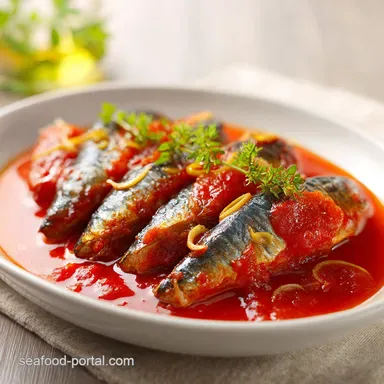
Filipino-Style Canned Mackerel: Failure-Proof
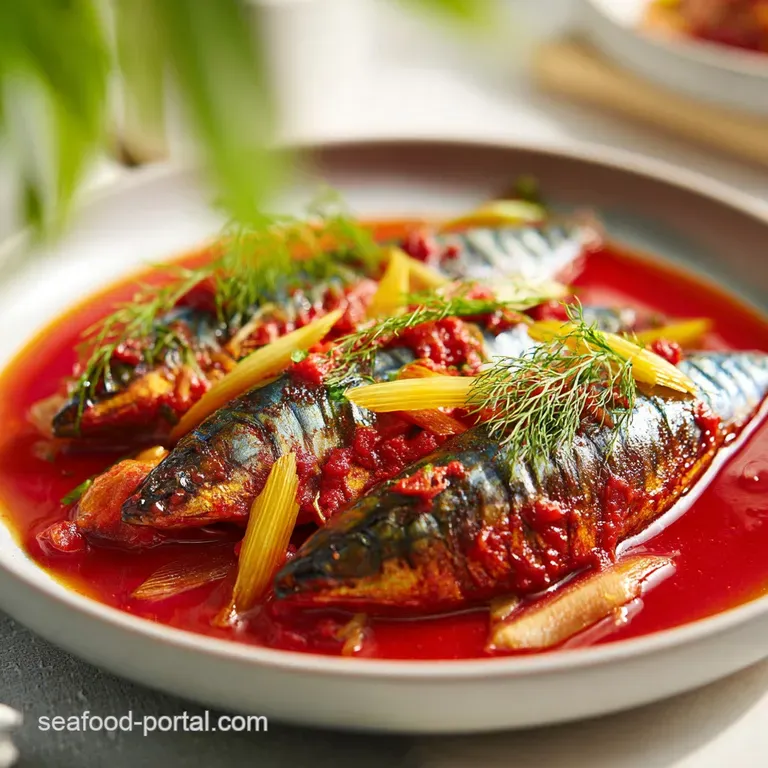
- Time: 5 min active + 15 min cook = Total 20 minutes
- Flavor/Texture Hook: Savory umami with velvety eggs and jammy tomatoes
- Perfect for: Quick weeknight dinners, budget-friendly meals, beginner cooks
- Easy Canned Mackerel Recipe for Dinner
- Why Most Recipes Fail
- Component Analysis
- Gathering Your Essentials
- Necessary Kitchen Tools
- Step by Step Cooking
- Fixes for Common Issues
- Bold Flavor Variations
- Adjusting Batch Sizes
- Dispelling Fishy Myths
- Preservation Secrets
- Best Serving Pairings
- High in Sodium
- Recipe FAQs
- 📝 Recipe Card
Easy Canned Mackerel Recipe for Dinner
That first sizzle of julienned ginger hitting hot oil is where the magic starts. It's a sharp, peppery aroma that immediately cuts through the heavy scent of canned fish. I remember the first time I tried this style of cooking; it was a rainy Tuesday and I had nothing in the fridge but a few lonely cans of mackerel and some wilting green onions.
I was tired of the bland, cold salads people usually make with this stuff.
In many Filipino homes, a canned mackerel recipe isn't just a backup plan, it's a comforting staple. It's about taking something humble and humble priced and turning it into a vibrant, street style feast.
The contrast between the rich, oily fish and the bright acidity of fresh Roma tomatoes makes it feel like a proper meal rather than a "pantry emergency."
You can expect a dish that's salty, tangy, and silky. We aren't just heating up a can here; we're building layers of flavor. By the time the eggs set into a velvety blanket over the fish, you've got a meal that feels far more sophisticated than the five minute prep time suggests.
Trust me, once you see those tomatoes break down into a thick sauce, you'll never go back to eating mackerel straight from the tin.
Why Most Recipes Fail
Most people just dump the can in a pan and heat it up. That's a mistake. Mackerel is a bold, oily fish, and if you don't balance that richness with acidity and aromatics, it tastes one dimensional and overly "fishy." The key is the order of operations.
Aromatic Foundation: Sautéing ginger and garlic first creates a fragrant base that neutralizes the metallic edge of the can.
Tomato Reduction: Cooking the Roma tomatoes until they're jammy creates a natural thickener and adds a bright, tart contrast to the fat.
Egg Insulation: Pouring the eggs over the fish at the end protects the fillets from overcooking while adding a soft, creamy texture.
Controlled Heat: Using a non stick pan on medium heat prevents the mackerel from shattering into mush, keeping those chunky fillets intact.
| Feature | Fresh Mackerel | Canned Shortcut | Impact |
|---|---|---|---|
| Prep Time | 20-30 mins | 5 mins | Canned is significantly faster |
| Texture | Firm, flaky | Soft, tender | Canned is more velvety |
| Flavor | Clean, oceanic | Rich, concentrated | Canned has deeper umami |
Right then, let's look at why these specific ingredients matter. It's not just about following a list; it's about how they interact.
Component Analysis
| Ingredient | Science Role | Pro Secret |
|---|---|---|
| Ginger | Enzyme Inhibitor | Use julienned strips for a punchier bite |
| Roma Tomatoes | Acidic Balance | Press them with a spatula to release juices |
| Soy Sauce | Umami Depth | Use a splash of dark soy for a richer color |
| Beaten Eggs | Texture Binder | Lower heat before pouring to avoid browning |
Gathering Your Essentials
Don't bother with fancy oils here; a simple neutral oil works best so the fish stays the star of the show. If you're using mackerel in tomato sauce, you've already got a head start on flavor, but don't skip the fresh tomatoes. The fresh ones add a brightness that canned sauce just can't mimic.
- 2 tbsp neutral oil Why this? High smoke point, doesn't clash with fish
- 3 cloves garlic, minced Why this? Classic aromatic base
- 1 medium yellow onion, diced Why this? Adds subtle sweetness when sautéed
- 1 tbsp fresh ginger, julienned Why this? Essential for cutting through fish oils
- 1 can (12.5 oz) mackerel fillets in tomato sauce or oil, drained slightly Why this? Rich in Omega-3s according to USDA FoodData
- 2 medium Roma tomatoes, diced Why this? Low moisture, creates a better jam
- 1 tbsp soy sauce Why this? Salt and depth
- 1/4 tsp cracked black pepper Why this? Sharp heat
- 2 large eggs, lightly beaten Why this? Creates a velvety finish
- 2 stalks green onions, sliced Why this? Fresh, peppery garnish
- 1/2 tsp salt Why this? Enhances all other flavors
Substitution Guide
| Original Ingredient | Substitute | Why It Works |
|---|---|---|
| Canned Mackerel | Canned Sardines | Similar oil content. Note: Smaller fillets, more fragile |
| Soy Sauce | Fish Sauce | Similar saltiness. Note: Much punchier, more "fishy" aroma |
| Roma Tomatoes | Canned Crushed Tomatoes | Same acidity. Note: More liquid, requires longer reduction |
| Ginger | Ginger Powder (1/2 tsp) | Similar flavor. Note: Lacks the fresh, zingy bite |
Since we're working with canned proteins, you don't need a massive kitchen setup. A simple skillet is your best friend here.
Necessary Kitchen Tools
You'll want a 10 inch non stick skillet. Trust me on this, the eggs and the tomato reduction can stick to stainless steel if you aren't careful, and we want a smooth slide out experience. A sturdy spatula for pressing the tomatoes and a sharp knife for the julienned ginger are the only other essentials.
If you have a lid for your pan, keep it handy. Covering the pan during the final egg stage creates a mini oven effect, ensuring the eggs set on top without the bottom of the fish burning.
Step by step Cooking
Let's crack on. The goal here is to build the flavor in stages. If you rush the aromatics, the whole canned mackerel recipe will taste flat.
- Heat the neutral oil over medium heat in a 10 inch non stick skillet. Add the julienned ginger and sauté until fragrant and slightly browned. Note: Don't burn the ginger or it turns bitter.
- Add the diced onions and minced garlic to the pan, stirring until the onions are translucent and the garlic is fragrant.
- Stir in the diced Roma tomatoes and cook for 3–4 minutes, pressing down with a spatula until they reach a jammy consistency.
- Add the soy sauce and black pepper, allowing the mixture to bubble and reduce by half until the sauce is thick and glossy. Note: This concentrates the umami.
- Carefully slide the mackerel fillets into the skillet. Use a fold and slide technique until the fish is evenly coated without breaking the fillets.
- Pour the lightly beaten eggs evenly over the mackerel. Lower the heat and cover the pan, cooking for 2 minutes until the eggs are set but still velvety.
- Garnish with sliced green onions and remove from heat immediately.
Chef's Tip: To keep the mackerel fillets whole, don't stir them. Just gently shake the pan in a circular motion to move the sauce around them.
Fixes for Common Issues
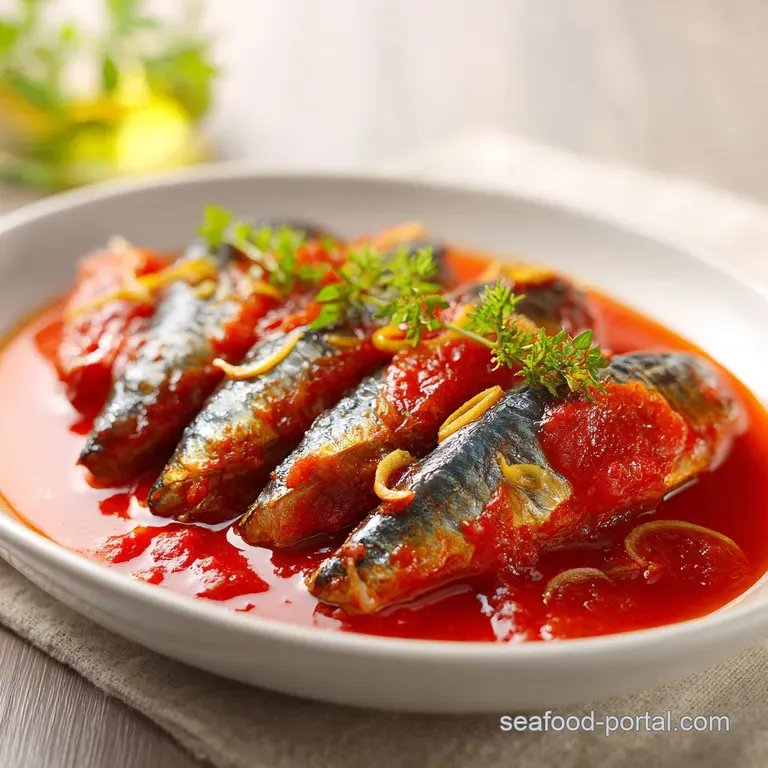
One of the biggest complaints with canned fish is the texture. If you're too aggressive with the spatula, you'll end up with a fish porridge instead of distinct fillets. The trick is patience and a light touch.
Why Your Fish Is Mushy
This usually happens if you stir the mackerel too much after adding it to the pan. Once those fillets hit the heat, they're already cooked, so you're just warming them through. Treat them like delicate pieces of tofu.
Why the Sauce Is Watery
If your tomatoes were too juicy or you didn't let the soy sauce reduction bubble down, the dish will be soupy. You want that sauce to cling to the fish, not swim in it.
Managing the Fishy Scent
Some people find the smell of canned mackerel overpowering. The secret is in the ginger. If it still feels too strong, add a tiny squeeze of lime juice right before serving to brighten the profile.
| Problem | Root Cause | Solution |
|---|---|---|
| Fillets breaking | Over stirring | Use the shake pan method |
| Bland taste | Under reduced sauce | Simmer sauce 2 mins longer |
| Rubbery eggs | Heat too high | Lower heat before adding eggs |
Common Mistakes Checklist
- ✓ Did you julienne the ginger instead of mincing it? (Better texture)
- ✓ Did the tomatoes reach a "jammy" state before adding fish?
- ✓ Did you drain the excess oil from the can? (Prevents greasiness)
- ✓ Did you cover the pan when cooking the eggs?
- ✓ Did you remove it from heat the second the eggs set?
Bold Flavor Variations
If you want to push this canned mackerel recipe further, don't be afraid to get adventurous. This base is incredibly flexible. For a spicy kick, add a tablespoon of Sriracha or chopped bird's eye chilies during the garlic stage. It turns the dish into something that feels like authentic street food.
For those who want something creamy, you can swap the soy sauce for a dollop of cream cheese or a splash of coconut milk. This creates a rich, velvety sauce that pairs beautifully with the acidity of the tomatoes. If you love other seafood textures, you might enjoy my Fish Cakes recipe for a different way to use canned fish.
Decision Shortcut
- If you want it spicy: Add chopped chilies with the garlic.
- If you want it Keto: Skip the onion and serve over cauliflower rice.
- If you want it extra rich: Add a knob of butter to the tomato reduction.
Adjusting Batch Sizes
Scaling this recipe is pretty straightforward, but you can't just double everything blindly, especially the seasonings.
Scaling Down (1-2 Servings) Use a smaller 8 inch skillet. Reduce the oil to 1 tablespoon. Since you can't easily half an egg, beat one egg in a bowl and use only half of the mixture, or just use one small egg. Reduce the cooking time for the tomatoes by about 20% since there's less volume to evaporate.
Scaling Up (6+ Servings) Work in batches. If you crowd a 10 inch pan with two cans of mackerel, the fish will inevitably break, and the tomatoes will steam instead of sautéing.
If you must use one giant pan, increase the salt and soy sauce to only 1.5x the original amount too much salt in a large batch can become overwhelming.
| Method | Time Adjustment | Texture Risk | Best For |
|---|---|---|---|
| Small Batch | -2 mins reduction | Too dry | Single lunch |
| Large Batch | +5 mins reduction | Mushy fish | Family dinner |
Dispelling Fishy Myths
There's a lot of misinformation about canned fish. First, some people think canned mackerel is "low quality" compared to fresh. In reality, many canned varieties are flash frozen at sea, preserving the nutrients and omega-3s perfectly.
Another myth is that you need to wash the fish under water to remove the "can taste." Don't do this! You'll wash away the flavor and the healthy oils. Instead, rely on the ginger and tomato acidity to balance the flavor. According to Serious Eats, the key to handling strong smelling proteins is utilizing aromatic offsets, not rinsing the food.
Preservation Secrets
This dish is best eaten immediately, but it keeps surprisingly well. Store any leftovers in an airtight glass container in the fridge for up to 3 days.
To reheat, avoid the microwave if possible, as it can make the eggs rubbery. Instead, gently warm it in a skillet over low heat with a teaspoon of water or butter to bring back that velvety texture.
For zero waste, if you have leftover tomato ginger sauce but no fish, use it as a base for a poached egg breakfast or stir it into some steamed rice. If you have the oil from the mackerel can, don't toss it! It's packed with flavor and can be used to sauté vegetables for a different meal.
Best Serving Pairings
To truly honor this canned mackerel recipe, you need a side that can handle the bold, salty flavors. A steaming bowl of jasmine rice is the gold standard here, as it absorbs the jammy tomato sauce. Alternatively, a side of sautéed bok choy or steamed cabbage adds a fresh, crunchy contrast.
If you're feeling fancy, serve it with a slice of toasted sourdough rubbed with a raw garlic clove. For an extra layer of richness, a side of Creamy Dill Sauce provides a cool, herby counterpoint to the warm, savory fish.
Whether you're cooking this as a budget friendly dinner or a quick snack, the beauty of this dish is in the contrast. You get the richness of the fish, the zing of the ginger, the tartness of the tomatoes, and the softness of the eggs all in one bite. Right then, get your pan hot and let's get cooking!
High in Sodium
880 mg 880 mg of sodium per serving (38% 38% of daily value)
The American Heart Association recommends a daily sodium limit of no more than 2,300 mg for most adults to maintain heart health.
Tips to Reduce Sodium
-
Choose Low-Sodium Mackerel-20%
Swap the standard canned mackerel for a low-sodium version or rinse the fillets thoroughly under cold water to remove excess brine.
-
Swap the Soy Sauce-20%
Replace the soy sauce with low-sodium soy sauce or coconut aminos, which contains significantly less sodium.
-
Boost Fresh Produce-5%
Add an extra Roma tomato to increase the natural volume and acidity, reducing the reliance on salty sauces for flavor.
-
Enhance with Aromatics
Add a squeeze of fresh lime juice or extra cracked black pepper to brighten the dish without adding any salt.
Recipe FAQs
What do you do with canned mackerel?
Sauté it with aromatics and eggs. For this recipe, combine the fillets with ginger, garlic, and soy sauce to transform a pantry staple into a savory meal.
How should I eat canned mackerel?
Serve it hot over steamed rice or with crusty bread. The velvety eggs and jammy tomatoes create a rich sauce that pairs perfectly with starches.
Is it healthy to eat canned mackerel?
Yes, it is highly nutritious. Mackerel is packed with omega-3 fatty acids and high-quality protein, making it a heart healthy choice.
How to make tinned mackerel taste nice?
Layer the flavors by sautéing ginger and garlic first. Reducing the soy sauce and tomato mixture by half before adding the fish concentrates the savoriness.
Can I substitute mackerel with other tinned fish?
Yes, sardines or tuna work well. If you enjoy the savory profile of sautéed sardines, those are an excellent alternative in this pan-fry method.
How to keep mackerel fillets from breaking in the pan?
Use a fold and-slide technique. Gently shake the pan to coat the fish in the sauce rather than stirring them aggressively with a spatula.
Is it true that you must deep fry canned mackerel to remove the fishy taste?
No, this is a common misconception. Sautéing with fresh ginger and soy sauce effectively balances the natural oils of the fish without needing deep frying.
Filipino Canned Mackerel Recipe