Homemade Salmon Sushi Bowl Recipe
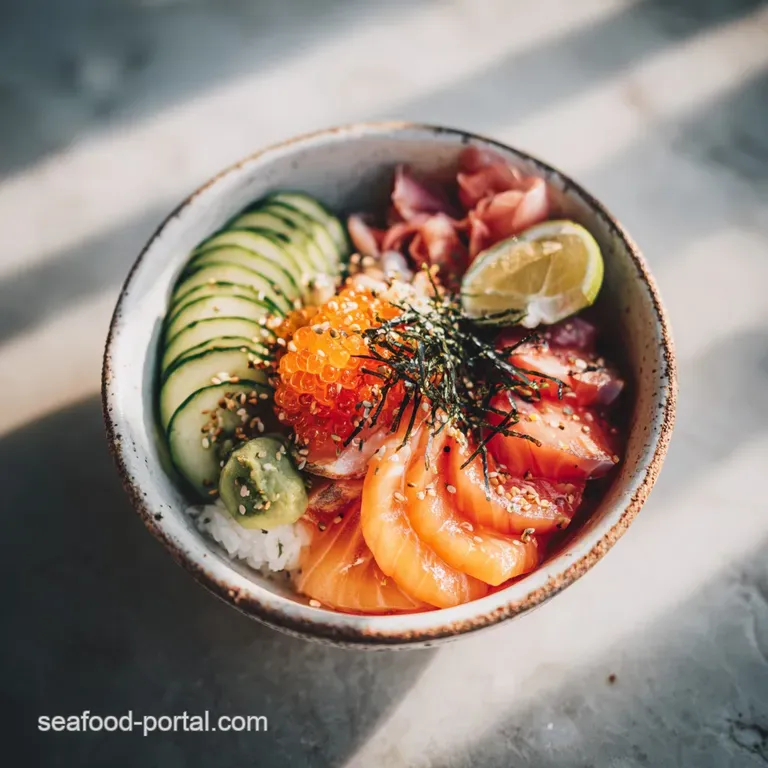
- Time: Active 15 minutes, Passive 15 minutes, Total 30 minutes
- Flavor/Texture Hook: Silky raw salmon paired with crisp, julienned cucumber and creamy mayo
- Perfect for: A healthy weeknight dinner or high protein meal prep
- Master this Vibrant Sushi Bowl Recipe
- The Unique Appeal of This Bowl
- Key Specifications for Best Results
- The Science Behind Fresh Ingredients
- Essential Tools for Sushi Preparation
- A Detailed Guide to the Preparation
- Fixing Your Sushi Bowl Preparation Issues
- Exciting Flavor Variations for Every Palate
- Storage and Preservation for Maximum Freshness
- Best Practices for Serving and Plating
- High in Sodium
- Sushi Bowl Recipe FAQs
- 📝 Recipe Card
Master this Vibrant Sushi Bowl Recipe
The sharp, bright tang of rice vinegar hitting warm, steaming grains always takes me back to my first attempt at making sushi. I remember hovering over a bamboo mat, sweating as I tried to keep the rice from sticking to my fingers, only to have the whole thing collapse into a sad, lopsided cylinder.
It was a mess, but the flavor was there that hit of salt, sugar, and ocean fresh fish.
Eventually, I realized that the "roll" was actually the hardest part of the process, but the bowl was where the magic really happened. By deconstructing the meal, you allow the individual textures to shine.
You get a bit of everything in every bite: the snap of the cucumber, the velvety richness of the avocado, and the subtle heat of the spicy mayo.
This sushi bowl recipe is my go to when I want something that feels fancy but takes less effort than a standard stir fry. We're going to focus on getting the rice texture just right shiny and slightly chewy and sourcing the freshest fish possible.
It’s about balance, contrast, and that clean finish that only Japanese inspired dishes can provide.
The Unique Appeal of This Bowl
The Physics of the Sticky Grain: Rinsing the rice removes excess surface starch, preventing the grains from turning into a gummy paste during steaming. The sugar and vinegar then create a thin, protective coating that keeps the rice moist and adds a brilliant shine.
| Method | Time | Texture | Best For |
|---|---|---|---|
| Stovetop | 25 minutes | Firm, distinct grains | Traditionalists |
| Rice Cooker | 20 minutes | Consistent, fluffy finish | Maximum convenience |
| Instant Pot | 12 minutes | Soft, sticky texture | Quick weeknight meals |
Choosing the right cooking method depends on how much you want to micromanage your stove. I personally love the rice cooker because it handles the delicate heat cycle perfectly while I prep the salmon. If you're looking for more guidance on the base, you can find techniques in this How to Make recipe.
Key Specifications for Best Results
This dish relies on thermal contrast the rice should be slightly warm or at room temperature, while the fish must be ice cold. If the rice is too hot, it will actually start to "cook" the edges of the raw salmon, ruining that buttery mouthfeel.
I always spread my rice out on a flat tray to cool it quickly and evenly.
| Ingredient | Science Role | Pro Secret |
|---|---|---|
| Sushi Rice | Starch foundation | Use only short grain for the right "cling" |
| Rice Vinegar | Acidic balance | Season while rice is hot to absorb deeply |
| Sashimi Salmon | Protein source | Pat dry to ensure the mayo sticks well |
| Japanese Mayo | Emulsified fat | Use Kewpie for the egg yolk richness |
When you're building a salmon sushi bowl recipe, the quality of the fat is everything. The Atlantic salmon provides a high omega-3 content that creates a melting sensation, which is why we pair it with the acidity of the seasoned rice.
The Science Behind Fresh Ingredients
Understanding your components helps you make smart swaps when the grocery store is out of your favorites. This homemade sushi bowl recipe is incredibly flexible once you master the basics of the rice to vinegar ratio.
- 2 cups sushi rice (short grain): Why this? Essential for the sticky, chewy texture that holds toppings together.
- 2 cups cold water: Why this? 1:1 ratio ensures grains are tender but never mushy.
- 1/4 cup rice vinegar: Why this? Provides the "sushi" flavor and preserves the rice.
- 2 tbsp granulated sugar: Why this? Balances the sharp acidity of the vinegar.
- 1 tsp fine sea salt: Why this? Sharpens all the other flavors in the bowl.
- 1 lb sashimi grade Atlantic salmon: Why this? The star protein; must be high-quality for raw consumption.
- 1 large avocado: Why this? Adds a necessary creamy counterpoint to the rice.
- 1 English cucumber: Why this? Provides the "shatter" crunch and freshness.
- 1/2 cup shelled edamame: Why this? Adds plant based protein and bright color.
- 2 sheets nori: Why this? Briny, toasted flavor that completes the sushi profile.
- 1/4 cup Japanese Kewpie mayo: Why this? Richer and sweeter than standard American mayo.
- 1 tbsp sriracha: Why this? Provides a controlled, vinegar based heat.
- 1 tsp toasted sesame oil: Why this? Adds a deep, nutty aroma to the dressing.
| Original Ingredient | Substitute | Why It Works |
|---|---|---|
| Sashimi Salmon | Smoked Salmon | Provides a salty, cured depth. Note: Much saltier than raw fish |
| Rice Vinegar | Apple Cider Vinegar | Similar acidity but adds a fruitier note |
| Sushi Rice | Quinoa | Healthy alternative. Note: Will not be sticky or hold together |
Essential Tools for Sushi Preparation
You don't need a professional sushi bar setup, but a few specific tools make this easy sushi bowl recipe much more successful. A wide, shallow bowl (or a traditional hangiri) is better for seasoning the rice because it allows more surface area for the vinegar to evaporate and the grains to cool.
Mastering Starch Retrogradation
When rice cools, the starch molecules begin to realign, a process called retrogradation. This is why "day old" rice feels hard. By adding vinegar and sugar while the rice is still steaming hot, we interrupt this process, keeping the grains soft and supple even as they come down to room temperature.
Achieving the Golden Umami Ratio
The dressing for this bowl is more than just heat; it's about the fat to acid balance. I use Kewpie mayo because it uses only egg yolks, which makes it much more velvety than standard mayo. Combining it with a dash of sesame oil creates a lingering savory note that ties the fish and rice together perfectly.
Optimizing Thermal Contrast
The most common mistake is serving ice cold fish on piping hot rice. You want the rice to be "body temperature" about 98°F (37°C). This allows the salmon to stay firm and fresh while the rice remains soft.
If the rice is too cold, it gets grainy; if it's too hot, the fish gets slimy.
A Detailed Guide to the Preparation
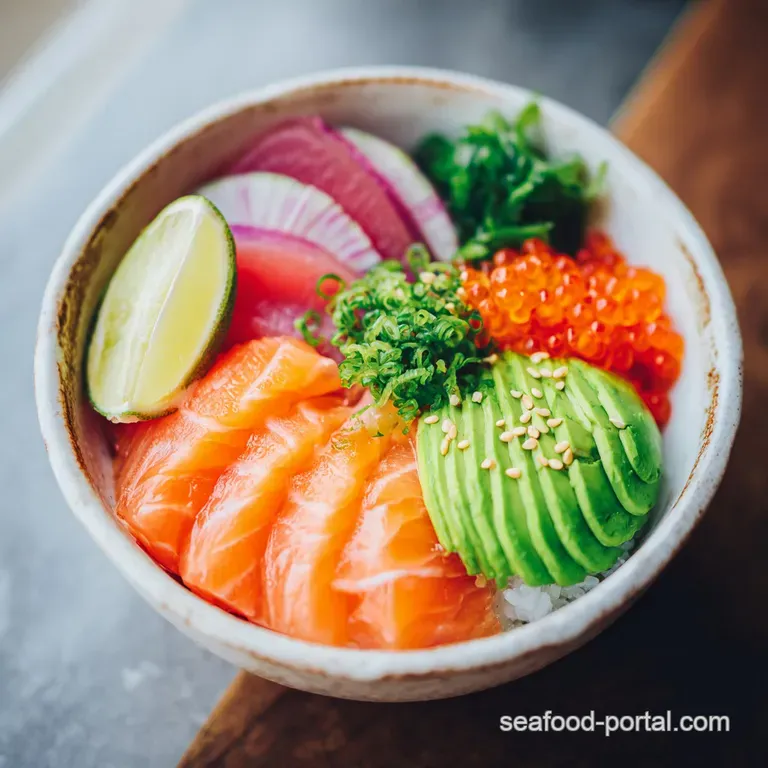
Let's get into the nitty gritty of the build. Follow these steps carefully, especially the rice rinsing, to ensure you don't end up with a bowl of mush.
For the Vinegared Rice Base
The rice is the foundation. If the rice isn't seasoned correctly, the whole bowl recipe feels flat.
- Rinse the rice. Place 2 cups sushi rice in a fine mesh sieve and run under cold water until the water runs clear. Note: This removes the surface starch that causes clumping.
- Cook the grains. Combine rinsed rice and 2 cups cold water in a pot. Bring to a boil, then simmer on low for 15 minutes until all liquid is absorbed.
- Steam and rest. Remove from heat and let sit, covered, for 10 minutes. Note: This "carryover" steaming finishes the core of the grain.
- Season the base. While rice rests, whisk 1/4 cup rice vinegar, 2 tbsp sugar, and 1 tsp salt. Fold this into the warm rice using a slicing motion with a spatula until the grains look shiny.
The Protein Selection
Whether you are making a salmon sushi bowl recipe or a tuna sushi bowl recipe, the prep is the same.
- Cube the salmon. Use a very sharp knife to cut 1 lb sashimi grade salmon into 1/2 inch cubes. Note: Keep the fish in the fridge until the exact moment you need it.
- Mix the spicy drizzle. In a small bowl, whisk 1/4 cup Kewpie mayo, 1 tbsp sriracha, and 1 tsp toasted sesame oil until smooth and pale orange.
The Signature Toppings
Texture is king here. We want a mix of soft, crunchy, and briny elements.
- Prep the veg. Slice 1 large avocado, julienne 1 English cucumber, and steam 1/2 cup edamame. Note: Julienning the cucumber provides more surface area for the sauce to cling to.
- Construct the layers. Divide the rice into four bowls. Top with the salmon, avocado, cucumber, and edamame.
- Add the crunch. Crumble 2 sheets of nori over the top and drizzle generously with the spicy mayo. Serve immediately while the rice is still slightly warm.
Fixing Your Sushi Bowl Preparation Issues
Even with the best intentions, sushi rice can be finicky. Most issues stem from the hydration of the grain or the temperature of the environment.
Why is my rice mushy?
This usually happens if you didn't rinse the rice enough or used too much water. If the grains have lost their individual shape and look like porridge, you can't really "fix" it for sushi, but it makes a great base for a savory rice porridge later. For your next attempt, stick to the 1:1 ratio by weight if possible.
The fish tastes "fishy"
Fresh, sashimi grade fish should smell like the ocean, not like "fish." If it has a strong odor, it’s likely not fresh enough for raw consumption. You can save the dish by quickly searing the salmon cubes in a pan with a little soy sauce and ginger. It changes the vibe, but it's much safer and still delicious.
| Problem | Root Cause | Solution |
|---|---|---|
| Grains are crunchy | Under hydration or old rice | Add 2 tbsp water and steam 5 mins more |
| Toppings sliding off | Too much mayo or wet veg | Pat salmon and cucumber dry before assembly |
| Rice is too sour | Uneven seasoning mix | Toss rice more thoroughly while it is warm |
Common Mistakes Checklist:
- ✓ Never skip the 10 minute rest after the rice finishes cooking.
- ✓ Use a plastic or wooden spoon to mix the rice; metal can react with vinegar.
- ✓ Ensure the salmon is "sashimi grade" or "sushi grade" to avoid illness.
- ✓ Don't over mix the rice once the vinegar is added, or it will become gummy.
- ✓ Keep your avocado pit in until the very last second to prevent browning.
Exciting Flavor Variations for Every Palate
Once you've mastered the basic salmon version, you can play with the ingredients to suit your mood. This is essentially a template for a healthy sushi bowl recipe that works with almost any seafood.
- The Sriracha Honey Tuna Twist: Swap the salmon for 1 lb of cubed ahi tuna. Add 1 tsp of honey to the spicy mayo for a sweet heat contrast that pairs beautifully with the leaner tuna.
- The Low Carb Keto Swap: Replace the sushi rice with cauliflower rice. Sauté the cauliflower rice for 3 minutes with a splash of rice vinegar and a pinch of monk fruit sweetener to mimic the sushi rice flavor profile.
- The Vegan Sushi Bowl Recipe: Use firm tofu pressed and cubed instead of fish. Swap the Kewpie for a vegan mayo and add extra pickled ginger and shredded carrots for more "bite."
| Feature | Fresh Preparation | Shortcut Version |
|---|---|---|
| Rice Base | Homemade seasoned sushi rice | Pre cooked frozen jasmine rice |
| Flavor Impact | Complex, tangy, and authentic | Neutral, slightly bland |
| Total Time | 30 minutes | 10 minutes |
Storage and Preservation for Maximum Freshness
Sushi bowls are best enjoyed immediately, but if you're into sushi bowl recipe meal prep, you just need a strategy. The biggest enemy is the refrigerator, which makes sushi rice hard and dry.
- Storage
- Store the rice, fish, and vegetables in separate airtight containers in the fridge. The salmon must be eaten within 24 hours of purchase. The rice will last 2 to 3 days.
- Reheating
- Do NOT microwave the whole bowl. If the rice has hardened, sprinkle it with a teaspoon of water and microwave it separately for 30 seconds to soften the starch. Let it cool back to room temperature before adding the cold fish.
- Zero Waste
- If you have leftover cucumber or nori, toss them into a quick salad with a splash of soy sauce and sesame oil for a side dish the next day.
Best Practices for Serving and Plating
Presentation matters when you're making a homemade sushi bowl recipe. I like to use wide, shallow bowls so that the toppings aren't buried. Arrange the ingredients in distinct sections color blocking rather than tossing them all together like a salad.
This keeps the textures separate until the moment you eat.
If you want to take the presentation even further, you could try making a Salmon Avocado Sushi Roll recipe as a side or for guests who prefer the traditional roll.
- If you want more crunch, add toasted tempura bits or crushed wasabi peas on top.
- If you want more umami, drizzle with a little "eel sauce" (soy, mirin, and sugar reduction).
- If you want it lighter, swap half the rice for a bed of mixed salad greens.
Searing the salmon is another great "precision checkpoint." If you prefer a cooked texture, sear the cubes for exactly 45 seconds per side in a screaming hot pan. This gives you a crispy exterior while keeping the center tender and rare.
Trust me, it’s a game changer for those who are still warming up to the idea of raw fish. Right then, let's get into the kitchen and make this happen!
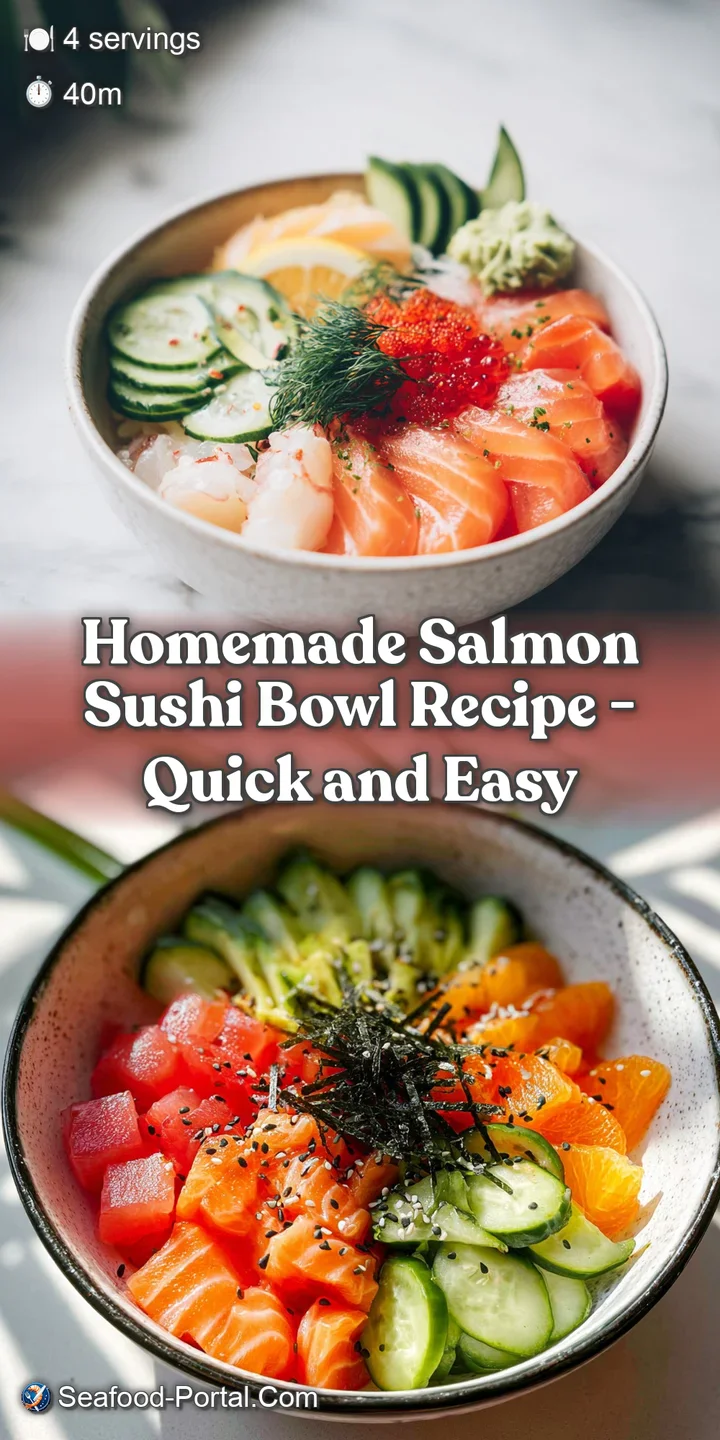
High in Sodium
875 mg mg of sodium per serving (38% of daily value)
The American Heart Association recommends limiting sodium intake to about 2,300mg per day for overall cardiovascular health.
Easy Ways to Reduce Sodium in Your Salmon Bowl
-
Reduce Added Salt-25%
The recipe uses 1 tsp of fine sea salt in the rice. Try reducing this by half or even omitting it entirely. You can always add a pinch later if needed. This change can significantly reduce the overall sodium content, especially because table salt is pure sodium chloride. Cut it or eliminate it.
-
Low-Sodium Rice Seasoning-15%
Prepare the sushi rice with a smaller amount of rice vinegar and sugar. The salt in the rice vinegar contributes to the overall sodium content. Reduce the rice vinegar by 1 tablespoon and balance flavor with a squeeze of lemon or lime.
-
DIY Sriracha Alternative-15%
Sriracha can be surprisingly high in sodium. Create your own version by blending fresh chilies with a touch of vinegar, garlic, and a tiny pinch of salt. Control the sodium level by using less salt.
-
Enhance with Healthy Fats-10%
Kewpie mayo contains sodium. Instead, use a little more avocado or a homemade avocado crema (avocado blended with lime juice and a splash of water) to add creaminess and healthy fats. Replace half of the Kewpie mayo with avocado.
-
Flavor with Herbs & Spices
Instead of relying on salt for flavor, experiment with fresh herbs like cilantro or mint, or spices such as ginger or garlic powder. Fresh herbs are a great alternative to salt.
Sushi Bowl Recipe FAQs
What do you put in a sushi bowl?
Seasoned sushi rice, raw sashimi grade fish (like salmon or tuna), avocado, cucumber, and edamame. The standard bowl is topped with a drizzle of spicy mayo, toasted sesame seeds, and crumbled nori for texture and flavor contrast.
What are some common sushi bowl mistakes?
Using rice that is too hot or too cold, and failing to rinse the rice sufficiently. Hot rice cooks the raw fish, while cold, unseasoned rice tastes grainy; ensure the rice is body temperature when serving.
What is the brown sauce on sushi bowls?
It is usually a sweetened soy reduction called "eel sauce" or Unagi sauce. It's a thick, dark syrup made by simmering soy sauce, mirin, and sugar until it coats the back of a spoon.
What's the crispy stuff they put on sushi?
The crispy elements are most often toasted sesame seeds or tempura flakes (tenkasu). Tempura flakes provide a satisfying crunch; mastering the light fry technique for these bits shares principles with making a good batter in recipes like our Shrimp Lo Mein Recipe.
How to make the spicy mayo topping?
Whisk together Japanese mayonnaise (like Kewpie), sriracha, and a touch of toasted sesame oil until homogenous. Aim for a pale orange color and taste for heat balance before drizzling liberally over the finished bowl.
Can I use pre-cooked shrimp instead of raw salmon?
Yes, cooked shrimp is an excellent, safe substitute for raw fish. If you use cooked shrimp, ensure it is chilled before adding it to the bowl to maintain the required thermal contrast with the rice.
Is it true that I must use short grain rice for this dish?
Yes, short grain rice is highly recommended for the proper texture. This specific grain releases enough starch to become sticky enough to hold the toppings together without being mushy, unlike long grain rice.
Easy Salmon Sushi Bowl Recipe
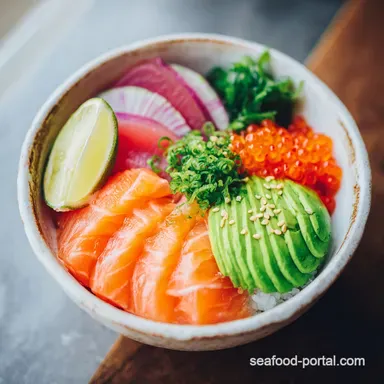
Ingredients:
Instructions:
Nutrition Facts:
| Calories | 853 kcal |
|---|---|
| Protein | 33.7 g |
| Fat | 35.7 g |
| Carbs | 96.3 g |
| Fiber | 5.1 g |
| Sugar | 8.2 g |
| Sodium | 875 mg |
