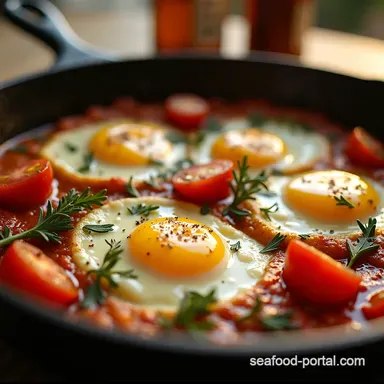
Sunshine in a Skillet Easy Baked Feta Eggs with Cherry Tomatoes Oregano
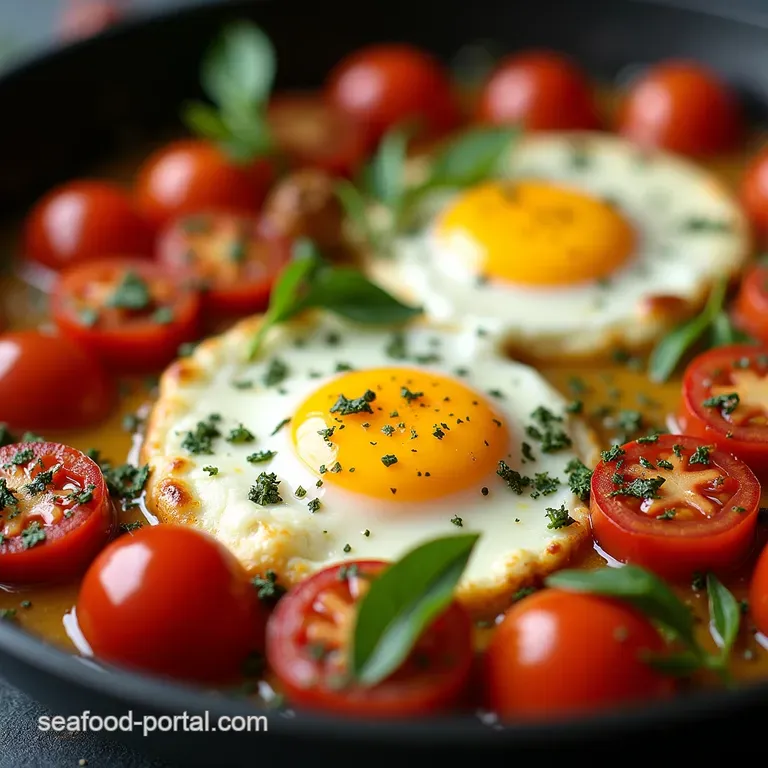
- Why This Mediterranean Baked Feta Eggs Recipe Steals the Show
- A Sun-Drenched Brunch Shortcut: Simplicity Meets Flavor
- Assembling the Core Components for Baked Feta Eggs
- Essential Produce and Pantry Staples for Authenticity
- Step-by-Step Guide to Perfect Mediterranean Baked Feta Eggs
- Achieving Golden Perfection in the Oven
- Elevating Your Mediterranean Baked Feta Eggs Experience
- Recipe FAQs
- 📝 Recipe Card
Why This Mediterranean Baked Feta Eggs Recipe Steals the Show
When you crave a meal that feels both luxurious and entirely effortless, look no further than Mediterranean Baked Feta Eggs . This dish is the culinary equivalent of a holiday on the Aegean coast rustic, intensely flavourful, and requiring minimal active time.
We take a beautiful block of salty, tangy feta, surround it with vibrant, sun-ripened cherry tomatoes, fragrant garlic, and sharp Kalamata olives, and then we crack fresh eggs directly into the sizzling mixture.
Baked until the whites are just set and the yolks remain wonderfully runny, this is rich, tangy perfection designed specifically for scooping up with crusty bread. If you’re looking for stunning Brunch Recipes Mediterranean style that minimize cleanup, this Baked Feta Breakfast is your new obsession.
A Sun-Drenched Brunch Shortcut: Simplicity Meets Flavor
This Mediterranean Feta Recipe proves that complex flavour doesn't demand complex technique. With only about 15 minutes of active preparation time, you assemble the ingredients in an oven safe skillet and let the oven do the heavy lifting.
This makes the Baked Feta Eggs Recipe ideal for relaxed weekend mornings or when unexpected guests drop by.
The Allure of Baked Feta: Creamy Texture Unlocked
The magic truly happens when the feta hits the heat. Unlike simply crumbling feta into a salad, baking transforms it. The edges caramelize slightly, while the center softens into a wonderfully creamy, spreadable texture that mixes beautifully with the juices released by the tomatoes and olive oil.
This creamy foundation is the perfect warm bed for the delicate Feta and Eggs .
Why This Dish is Perfect for Effortless Entertaining
This is inherently a communal dish. Serving it straight from the oven in the cast iron skillet instantly creates a focal point on the table. Guests can serve themselves, tearing off pieces of bread to dip into the savory juices surrounding the soft feta and perfectly cooked eggs.
It’s an impressive presentation that masks the fact that you barely needed to dirty more than one pan. This ease of service secures its place among the best Vegetarian Breakfast Dishes .
Setting the Stage for Your Mediterranean Masterpiece
To achieve the best results in this Easy Baked Feta Recipe , we need quality ingredients working in harmony. We are aiming for 40 minutes total time— 15 minutes for prep and 25 minutes for baking meaning speed doesn't compromise flavour.
We will use 7 ounces (about 200g) of good quality feta, ideally one solid block packed in brine, which lends the perfect saltiness and creaminess as it bakes.
Assembling the Core Components for Baked Feta Eggs
To build the flavour foundation for our Greek Feta Eggs , we rely on fresh produce and potent pantry staples that scream "Mediterranean sunshine." Beyond the star ingredient, the success of this dish hinges on the quality of the supporting cast.
Related Recipes Worth Trying
- Foolproof Baked Feta Eggs Recipe Easy Brunch Perfection — Master these simple Baked Feta Eggs in under 35 minutes A foolproof vegetarian breakfast bursting with sunripened tomatoes Get the creamy texture now
- Properly Decadent Creamy Baked Macaroni and Cheese — Discover the best cheese combination for a creamy baked macaroni and cheese with a crisp Panko crust This foolproof recipe delivers Southern comfort
- Easy Lemon Herb Crusted Baked Salmon Recipe Ready in 25 Mins — Stop overcooking your fish This foolproof baked salmon recipe delivers a bright herby crust that locks in moisture Perfect for a quick weeknight meal
Essential Produce and Pantry Staples for Authenticity
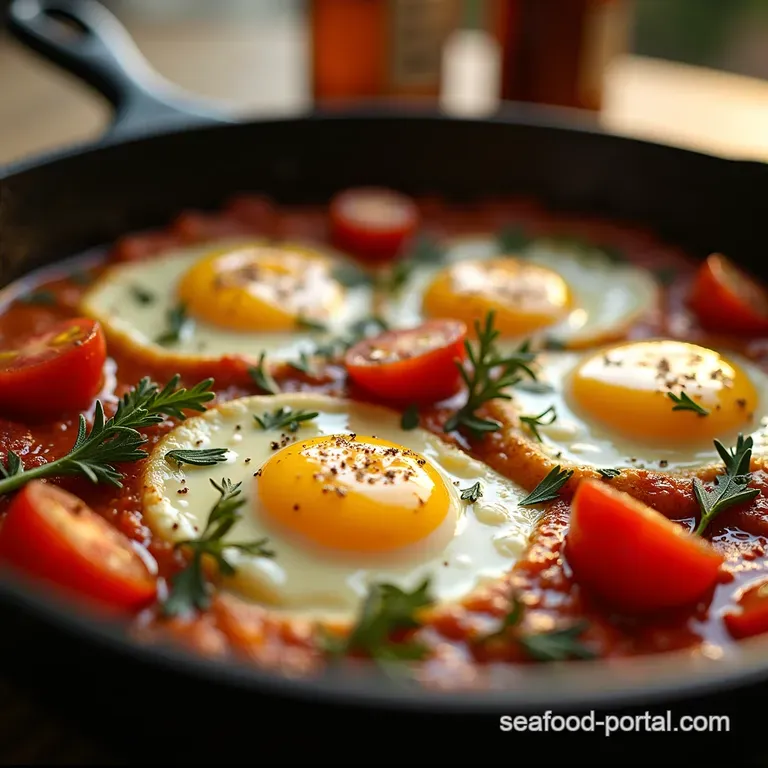
For this preparation, you will need to gather your ingredients before preheating the oven to 400° F ( 200° C). We’ll be using a standard 10 inch or 12 inch oven safe skillet, with cast iron being the absolute preference for even heat distribution.
Selecting the Ideal Feta Block (Hint: Avoid Crumbles!)
The texture of your final product directly correlates with your feta choice. Steer clear of pre-crumbled feta. Those pieces have lost moisture and tend to dry out quickly in the oven. Instead, seek out a high-quality block, preferably stored in brine. Drain it gently before placing it in your baking dish.
You will need one standard 7-ounce block for this recipe serving two to three people.
The Aromatic Trio: Garlic, Olives, and Herbs
The aromatic depth comes from thinly sliced garlic cloves about three large ones scattered around the cheese. Complement this with halved Kalamata olives (around a half cup) for a sharp, salty bite that cuts through the richness of the dairy.
The defining herb here is dried oregano; use a full teaspoon of good quality oregano, as this is signature to the region, along with a pinch of red pepper flakes if you desire a gentle underlying warmth.
Necessary Equipment: Choosing the Right Oven Safe Dish
As mentioned, an oven safe skillet is your best friend here. It serves as both the mixing bowl and the serving platter. While a ceramic baking dish works, the cast iron skillet provides superior searing for the tomatoes and holds heat beautifully, ensuring every bite remains warm at the table.
Step-by-step Guide to Perfect Mediterranean Baked Feta Eggs
Once your ingredients are gathered, the assembly is straightforward. Remember, this Baked Feta Breakfast is designed for minimum fuss. Start by placing the feta block directly in the center of your chosen skillet.
Then, artfully arrange approximately one pint of halved cherry or grape tomatoes, a half medium red onion thinly sliced, the sliced garlic, and the pitted, halved Kalamata olives all around the cheese.
Next comes the seasoning ritual. Drizzle everything generously with about three tablespoons of high-quality extra virgin olive oil. This oil is essential; it will emulsify with the tomato juices and feta to create a luscious sauce.
Sprinkle generously with the dried oregano and the optional red pepper flakes, finishing with freshly ground black pepper. Crucially, refrain from adding extra salt at this stage, as the feta and olives bring plenty of salinity to the party.
Achieving Golden Perfection in the Oven
The cooking process is split into two distinct phases to ensure both the base ingredients are cooked through and the eggs reach your desired consistency.
Preparing the Tomato Base and Seasoning Layers
Begin by sliding the skillet into the 400° F ( 200° C) oven. Allow this base mixture to bake undisturbed for about 15 minutes.
This initial bake accomplishes two things: it softens the tomatoes until they burst, releasing their sweet juices, and it begins the melting process for the feta, softening its sharp edges.
The Art of Nesting Your Eggs Within the Feta
When you carefully remove the skillet after 15 minutes, the base should be bubbling invitingly. Now, using the back of a spoon, gently create four small, distinct depressions or "wells" within the bubbling tomato and feta mixture one well for each of the four large eggs you plan to use.
If you have room for more, you can certainly add more eggs, but ensure the yolks aren't touching.
Baking Times and Visual Cues for Doneness
Gently crack one egg into each prepared well. Return the skillet to the oven for a final 5 to 10 minutes. The exact time depends entirely on your desired yolk runniness. For firmly set whites and perfectly liquid yolks, aim for 7 minutes.
If you prefer a slightly firmer, jammy yolk, extend this to 10 minutes. Look for the egg whites to be opaque, not translucent, while the yolks remain bright and jiggly.
Finishing Touches: Post Bake Drizzle and Garnish
Once removed from the oven, allow the skillet to rest on a trivet for about two minutes; this helps the residual heat finish setting the egg whites without overcooking the yolks. Do not skip the final flourish: garnish liberally with two tablespoons of freshly chopped parsley and a final, fresh grind of black pepper.
This adds necessary colour and freshness to contrast the rich baked elements.
Elevating Your Mediterranean Baked Feta Eggs Experience
While this recipe is stunningly complete as is, understanding how to adjust and serve it enhances the experience significantly.
Storage, Leftovers, and Serving Suggestions
This dish truly shines when eaten immediately, straight from the skillet. If you do have leftovers (though unlikely!), store them covered in the refrigerator for up to two days. Reheat gently on the stovetop over low heat, adding a small splash of water or olive oil to reintroduce moisture, being careful not to overcook the eggs when reheating.
Flavor Twists: Adding Spinach or Spice
To introduce more greens, try scattering a large handful of baby spinach or chopped kale over the tomato base just before the initial 15-minute bake. The leaves will wilt beautifully into the tomato juices.
For those who love heat, boosting the red pepper flakes or even slicing a small amount of fresh jalapeño alongside the garlic offers a pleasant, lingering spice.
The Best Dipping Companions (Crusty Bread is Mandatory)
I cannot stress this enough: crusty bread is not optional; it is mandatory. Thick slices of warm sourdough, crusty French bread, or fluffy pita bread are the perfect vehicles for soaking up the molten feta, savory tomato sauce, and runny egg yolk combination.
A simple side salad dressed with lemon juice and olive oil provides a welcome, bright counterpoint to the richness of the Baked Feta Breakfast .
Making Ahead: Prep Tips for Busy Mornings
While you cannot fully prepare this ahead due to the eggs, you can execute all the chopping tomatoes, onions, garlic, and olives the night before. Store the prepped vegetables in the refrigerator. In the morning, simply assemble the base in the skillet, add the feta, and proceed with the baking steps.
Nutritional Snapshot of This Rich Mediterranean Treat
This Mediterranean Baked Feta Eggs dish is protein packed and rich in healthy fats from the olive oil, offering substantial satiety. While the sodium content is inherently high due to the feta, the flavour profile is robust and satisfying, making it a fantastic choice for a hearty meal enjoyed any time of day.
Recipe FAQs
How do I make sure my eggs are perfectly runny when I make Mediterranean Baked Feta Eggs?
That's the million dollar question! For the best result, make sure your eggs are at room temperature before cracking them in; they cook more evenly that way. Also, stick rigidly to the timing: a quick 5 10 minutes bake after adding the eggs should leave the whites set and the yolks gloriously molten, like something you’d find at a proper taverna.
Can I prep this dish ahead of time, or does it need to be cooked right away?
You can certainly prep most of it ahead, which is brilliant for stress free entertaining. Assemble everything the tomatoes, garlic, olives, and feta in the skillet and cover it tightly.
Keep it in the fridge for up to 12 hours, but remember to let it sit on the counter for about 30 minutes before it goes into the oven so it cooks more evenly.
My feta block seems really salty; should I add extra salt to the tomatoes?
Absolutely not! Feta, especially the authentic block packed in brine, carries a good punch of salt already. You should skip adding any salt to the tomato mixture entirely. Instead, rely on the fresh black pepper and oregano for seasoning; you can always sprinkle a tiny pinch of sea salt on top at the very end if you think it needs it, but usually, the feta does all the heavy lifting!
What is the best bread to serve with Mediterranean Baked Feta Eggs for dipping?
You need something substantial enough to mop up all those beautiful juices! A thick cut, crusty sourdough loaf is perfect, or failing that, warm pita bread is a fantastic, authentic choice.
If you’re feeling fancy, brush the bread slices with a little olive oil and toast them lightly before serving alongside the skillet.
Can I substitute feta with another cheese if I don't have any on hand?
While feta is the star, halloumi makes a decent substitution if you're stuck; it offers a nice salty chewiness, though it won't melt quite as creamy. If you prefer a milder flavour, you could try using a firm goat’s cheese, but be aware it might soften faster and lose some of its structural integrity during baking.
Baked Feta Eggs Skillet