Crispy Sweet Potato Sushi Roll: a Vegetarian Feast
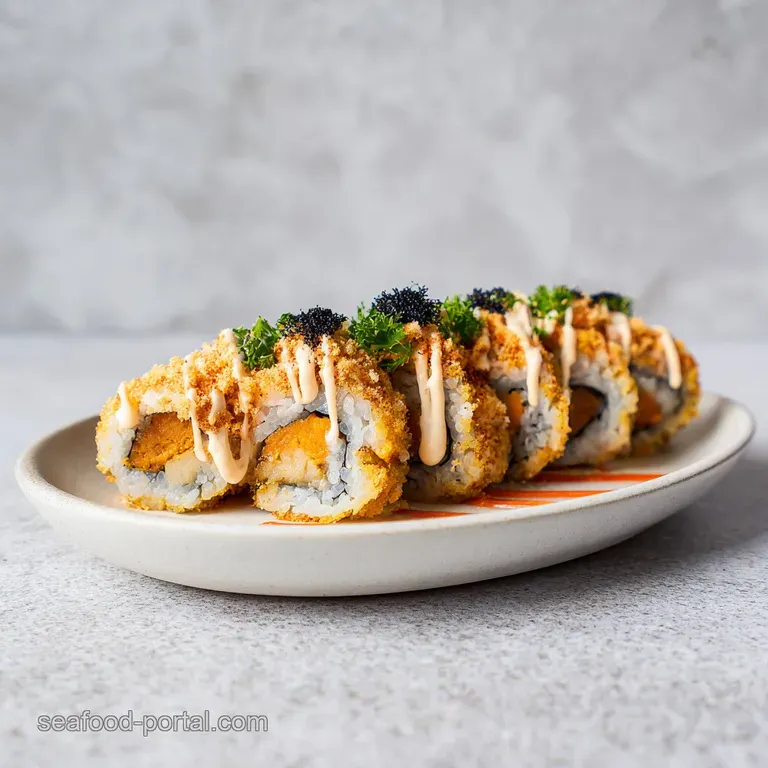
- Time: Active 25 minutes, Passive 20 minutes, Total 45 minutes
- Flavor/Texture Hook: Shatter crisp sweet potato paired with buttery avocado and tangy, seasoned rice.
- Perfect for: A bold weekend "sushi night" at home or an impressive vegetarian party platter.
- Mastering the Vibrant and Crispy Sweet Potato Sushi Roll
- Why the Double Starch Method Succeeds
- Essential Elements for Your Sushi Station
- Selecting the Right Tools for Precision
- Navigating the Step by Step Rolling Guide
- Avoiding the Most Common Rolling Pitfalls
- Bold Flavor Variations and Smart Substitutes
- Scaling the Recipe for Large Crowds
- Preservation Secrets
- Vibrant Side Dishes for a Complete Feast
- Recipe FAQs
- 📝 Recipe Card
Mastering the Vibrant and Crispy Sweet Potato Sushi Roll
Picture this: it is a rainy Friday night, the kind where you want the comfort of a home cooked meal but the excitement of something you’d find at a buzzing night market. You are gathered in the kitchen with a couple of friends, the air thick with the scent of toasted sesame and the sharp, clean tang of rice vinegar.
Instead of ordering the usual greasy takeout, you decide to break out the bamboo mats. There is something incredibly grounding about the ritual of fanning rice and slicing bright orange tubers into perfect little batons. This isn't just about eating; it's about the vibrant process of building flavors layer by layer.
I remember the first time I tried to make a Sweet Potato Sushi Roll. I honestly thought I could just boil the potatoes and roll them up. Big mistake. What I ended up with was a mushy, bland mess that lacked any soul.
I realized quickly that for a vegetable forward roll to work, it needs a serious hit of texture and a bold spice profile. That is why we are ditching the steamer and cranking up the oven. We want those potatoes to come out with a mahogany crust that actually makes a sound when you bite into it.
This recipe is designed to give you that high end restaurant experience without the pretension. We are using approachable ingredients like cornstarch and smoked paprika to give the sweet potato a "tempura like" vibe without the hassle of a deep fryer.
It’s a game changer for anyone who wants a healthy ish meal that doesn't compromise on that "crunch factor" we all crave. By the time you’re done, you’ll have a platter of professional looking maki that tastes like it came from a high end street food stall.
Why the Double Starch Method Succeeds
Surface Area Dehydration: Tossing the batons in cornstarch creates a microscopic barrier that absorbs surface moisture, allowing the exterior to crisp up rapidly at 425°F while the inside stays velvety.
Amylopectin Stabilization: Japanese short grain rice contains the perfect ratio of starches to stay sticky enough to hold the roll's shape without turning into a gummy paste when seasoned.
Acidic Structural Integrity: The rice vinegar does more than add tang; it helps separate the individual grains of rice so they don't crush together into a dense block during the rolling process.
Maillard Acceleration: The combination of high heat and a light coating of neutral oil triggers a rapid browning of the potato's natural sugars, resulting in that deep, smoky flavor profile.
| Preparation Method | Total Time | Resulting Texture | Best For |
|---|---|---|---|
| Oven Roasting | 20 minutes | Shatter crisp edges | Healthy home cooking |
| Air Frying | 15 minutes | Extra crunchy skin | Quick weeknight meals |
| Traditional Tempura | 5 minutes | Light and airy fluff | Authentic restaurant style |
When you are deciding which method to use for your Sweet Potato Sushi Roll, think about the texture you want to achieve. Oven roasting is my personal favorite because it allows the smoked paprika and garlic powder to really bake into the potato, creating a flavor that is bold and integrated.
It also lets you cook a larger batch of batons all at once, which is a lifesaver if you are feeding a hungry crowd.
Air frying is a fantastic shortcut if you are only making a couple of rolls for yourself. It moves the air so quickly that the cornstarch coating turns into a golden shell in almost no time. However, if you are looking for that classic, airy Japanese crunch, nothing beats the traditional tempura batter.
Just keep in mind that deep frying adds a lot more cleanup and a higher fat content to the dish. For most of us, the oven provides the perfect balance of ease and results.
Balancing Rice pH for Adhesion
Getting the rice right is half the battle. We use a specific ratio of vinegar, sugar, and salt to create a chemical environment where the rice grains want to cling to each other but also release cleanly from your hands (if they are damp!).
The sugar acts as a subtle binder, while the vinegar cuts through the starchiness of the grain.
Utilizing Double Starch Crispness
The secret to why this Sweet Potato Sushi Roll feels so substantial is the cornstarch. Unlike flour, cornstarch creates a thin, brittle layer that doesn't get soggy as it cools. This is crucial because sushi rice is served at room temperature; if your filling isn't prepared correctly, the moisture from the rice will ruin the crunch of the potato within minutes.
Essential Elements for Your Sushi Station
| Ingredient | Science Role | Pro Secret |
|---|---|---|
| Short Grain Rice | High amylose content for stickiness | Rinse until the water is crystal clear to prevent gumminess |
| Rice Vinegar | Denatures starches to keep grains distinct | Season the rice while it is still steaming hot for maximum absorption |
| Cornstarch | Creates a moisture resistant crisp barrier | Toss the potatoes twice to ensure every nook is covered |
For the sushi rice, you absolutely must use Japanese short grain rice. Don't even try using Basmati or Jasmine here; they are too "low starch" and won't hold together, leaving you with a pile of loose grains instead of a beautiful roll. The 2 cups of rice will need exactly 2 1/4 cups of water.
Trust the measurements precision is what keeps the rice from becoming a soggy swamp.
When it comes to the sweet potatoes, look for medium sized ones with smooth skin. You'll be cutting them into 1/2 inch batons. I like to keep them uniform so they roast at the same rate. The 1/2 cup of cornstarch might seem like a lot, but you need that full coverage to get the crunch.
We're also adding 1 tsp of garlic powder and 1/2 tsp of smoked paprika to the starch. This is where that bold, street style flavor comes from.
Finally, let's talk about the nori and avocado. Use high-quality nori sheets; they should feel crisp, not chewy. A dull or old nori sheet will tear when you try to roll it. For the avocado, you want it "just" ripe. If it’s too soft, it will turn into a smear when you slice the roll.
The 2 tbsp of toasted sesame seeds are the final touch, adding a nutty aroma that ties the whole Sweet Potato Sushi Roll together.
Selecting the Right Tools for Precision
If you want to avoid a kitchen disaster, your gear matters just as much as your ingredients. You don't need a professional sushi kit, but a few specific items will make your life a thousand times easier. First, a bamboo rolling mat (makisu) is non negotiable.
It provides the even pressure needed to get a tight, circular roll. Pro tip: wrap your mat in plastic wrap. It prevents the rice from sticking to the wood and makes cleanup a breeze.
A very sharp knife is your second most important tool. Slicing through seaweed and sticky rice is the ultimate test for a blade. If your knife is dull, it will crush the roll instead of cutting it, and all that beautiful avocado and crispy potato will squeeze out the sides.
I always keep a damp towel nearby to wipe the blade between every single cut. This keeps the rice from building up on the steel.
For the Sushi Rice
You'll need a heavy bottomed pot with a tight fitting lid or a reliable rice cooker. If you're using a pot, ensure the lid doesn't let too much steam escape, or your rice will end up undercooked and crunchy.
A wooden spatula (shamoji) is also great for folding in the vinegar seasoning without breaking the delicate grains of rice.
For the Crispy Filling
A large baking sheet is essential so the sweet potato batons aren't crowded. If they touch each other, they will steam instead of roasting, and you can say goodbye to that "shatter crisp" texture.
I also recommend using a large mixing bowl to toss the potatoes with the starch and spices you need enough space to give them a vigorous shake.
Assembly and Finishing Steps
Keep a small bowl of "Tezu" (a mixture of water and a splash of rice vinegar) on your workstation. Dipping your fingers in this before touching the rice prevents it from sticking to your skin. It sounds like a small detail, but it’s the difference between a fun cooking experience and a frustrating, sticky mess.
Navigating the step-by-step Rolling Guide
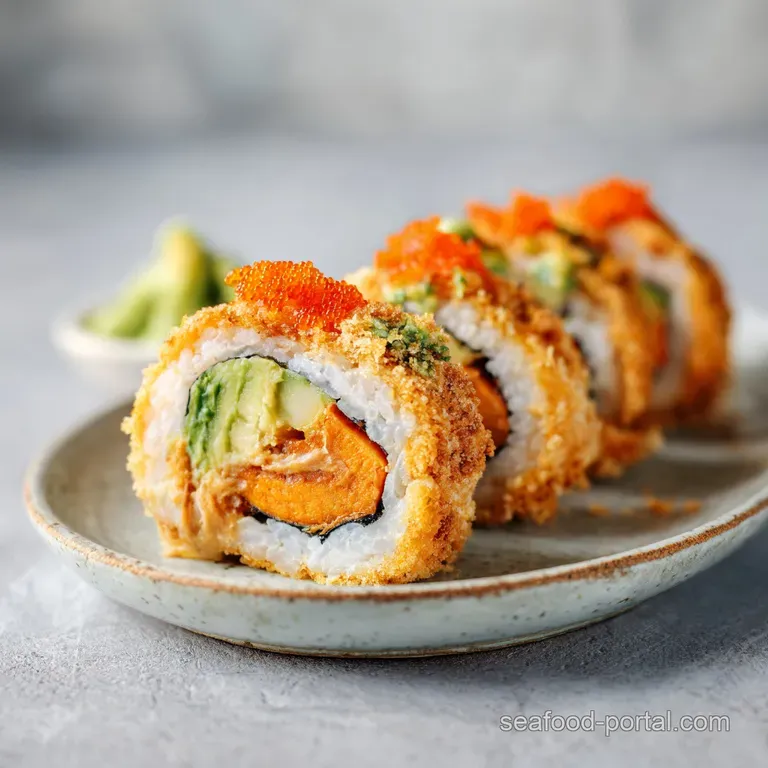
- Rinse the rice. Place your 2 cups of Japanese short grain rice in a bowl and rinse under cold water. Do this 4-5 times until the water runs clear. This removes excess surface starch that makes rice gummy.
- Cook and steam. Combine rice with 2 1/4 cups water. Cook in a rice cooker or pot. Wait 10 minutes after it finishes before opening the lid to let the steam finish the grains.
- Season the rice. While the rice is hot, fold in the mixture of 3 tbsp rice vinegar, 1 tbsp sugar, and 1 tsp sea salt. Use a slicing motion to avoid mashing the rice. Let it cool to room temp.
- Prep the potatoes. Preheat your oven to 425°F (220°C). Peel and cut 2 sweet potatoes into 1/2 inch batons. Toss them in a bag or bowl with 1/2 cup cornstarch, 1 tsp garlic powder, and 1/2 tsp smoked paprika.
- Roast until mahogany. Arrange potatoes on a sheet with 3 tbsp neutral oil. Roast for 20 minutes, flipping at the 10 minute mark until they are vibrant and crispy.
- Layer the nori. Place a sheet of nori on your plastic wrapped mat. Wet your hands with vinegar water and spread a thin layer of rice, leaving a 1 inch gap at the top.
- Add the fillings. Place the roasted sweet potato batons and sliced avocado in the lower third of the rice layer. Don't overstuff it, or the roll won't close.
- The first fold. Lift the edge of the mat closest to you and fold it over the filling. Tuck it in tightly to create the core of the cylinder.
- Complete the roll. Continue rolling with even pressure. Use a tiny bit of water to seal the 1 inch nori gap at the end.
- Slice and serve. Use a damp, sharp knife to cut the roll into 6-8 pieces. Sprinkle with 2 tbsp toasted sesame seeds and enjoy immediately.
Preparing the Seasoned Rice
When you're folding in the vinegar, try to do it near an open window or use a handheld fan. Cooling the rice quickly while you season it gives it a beautiful, glossy sheen. If the rice stays hot for too long, it can become overly soft. The goal is a grain that is tender but has a distinct "bite" to it.
Roasting the Golden Batons
The 425°F (220°C) temperature is critical. Any lower, and the potatoes will cook through before the starch coating has a chance to crisp up. You want that high heat to "fry" the cornstarch in the neutral oil.
Watch them closely in the last 5 minutes; the transition from golden to mahogany happens fast, and that's where the best flavor lives.
Constructing the Maki Roll
When spreading the rice, don't press down hard. You want to "tease" the rice into place. If you compress the rice onto the nori, the final Sweet Potato Sushi Roll will be dense and heavy. Aim for a layer that is only about 2-3 grains thick. You should almost be able to see the nori through the rice in some spots.
Slicing with Precision
This is the moment of truth. Do not saw back and forth with the knife. Instead, use one long, fluid pulling motion. Start with the heel of the blade and pull back towards you. The moisture on the blade acts as a lubricant, allowing the steel to glide through the sticky rice without tearing the seaweed.
Avoiding the Most Common Rolling Pitfalls
The biggest mistake I see people make with a Sweet Potato Sushi Roll is the "Soggy Tuber Syndrome." This happens when you let the roasted potatoes sit for too long before rolling. Even the best cornstarch crust will eventually soften if it sits in a pile.
For the best results, have your rice and avocado ready to go the moment the potatoes come out of the oven.
Another classic error is the "Exploding Roll." This is usually caused by overfilling. It’s tempting to pile in as much sweet potato and avocado as possible, but you need to leave enough room for the nori to actually wrap around the contents.
If you can't get the edges of the rice to meet when you fold the mat, you've got too much stuff in there!
Preventing Rice to Hand Sticking
If you find yourself covered in rice and getting frustrated, you're likely forgetting the vinegar water (Tezu). Keep your hands damp, not soaking wet. If your hands are too wet, the nori will become soggy the second you touch it. It’s a delicate balance, but once you find it, the rice will behave perfectly.
Fixing a Soggy Potato
If your potatoes came out of the oven a bit soft, don't panic. You can usually save them by turning the oven up to "Broil" for 1-2 minutes. Just stay right there and watch them they will go from soggy to burnt in thirty seconds.
This blast of intense heat can help evaporate any lingering moisture in the starch coating.
| Problem | Root Cause | Solution |
|---|---|---|
| Rice falls apart | Under seasoned or dry rice | Ensure you use the full 3 tbsp vinegar and 1 tbsp sugar |
| Nori is chewy | Moisture exposure | Roll and serve immediately; don't let the roll sit out |
| Roll won't seal | Rice is too close to the edge | Leave a full 1 inch gap of bare nori at the top |
Common Mistakes Checklist:
- ✓ Don't skip rinsing the rice; that extra starch is the enemy of good sushi.
- ✓ Ensure the oven is fully preheated to 425°F before the potatoes go in.
- ✓ Never use a dull knife to slice sharpen it or use a high-quality serrated blade in a pinch.
- ✓ Avoid over handling the rice; the more you mash it, the gummier it gets.
- ✓ Keep the avocado slices thin so they can curve with the shape of the roll.
Managing the Exploding Roll
If your roll does start to come apart, you can sometimes save it by wrapping it tightly in a piece of plastic wrap and letting it "set" for 5 minutes. The moisture from the rice will soften the nori just enough to make it more pliable, allowing it to conform to the shape of the fillings.
It’s a trick many professional chefs use when working with difficult ingredients.
Bold Flavor Variations and Smart Substitutes
While the classic Sweet Potato Sushi Roll is a masterpiece on its own, there is plenty of room to get adventurous. If you want to lean into those street food vibes, try adding a drizzle of spicy mayo or a splash of unagi sauce (which is usually vegan friendly!). The sweetness of the potato pairs beautifully with heat.
If you are looking for a different texture profile, consider trying a California Roll recipe if you have some imitation crab on hand. You can even combine the two a "California Sweet" roll is a bold move that works surprisingly well. The key is to keep the flavors balanced; if you add something salty, make sure there is enough acidity from the rice to cut through it.
| Original Ingredient | Substitute | Why It Works |
|---|---|---|
| Japanese Sushi Rice | Calrose Rice | A medium grain alternative that still provides decent stickiness |
| Rice Vinegar | Apple Cider Vinegar | Similar acidity. Note: Adds a fruitier, bolder punch |
| Cornstarch | Potato Starch | Even higher "crunch" factor; very common in Japanese frying |
Creating a gluten-free Version
To make this recipe completely gluten-free, the main thing you need to check is your rice vinegar and any sauces you serve with it. Most rice vinegars are fine, but some "seasoned" versions contain gluten based additives. Always use a certified GF tamari instead of regular soy sauce for dipping.
Adding a Spicy Kick
If you like things bold, mix a little Sriracha into the cornstarch before tossing the potatoes. This bakes the heat right into the crust. You can also add a thin strip of jalapeño inside the roll alongside the avocado for a fresh, vibrant snap of heat that contrasts the creamy fruit.
Implementing the Uramaki Style
For an "inside out" roll, spread the rice over the entire sheet of nori, sprinkle with sesame seeds, and then flip the whole thing over so the rice is facing down on the plastic wrap. Place your fillings on the nori side and roll.
This creates a beautiful, professional look where the rice is on the outside, though it does require a bit more confidence with the mat!
Scaling the Recipe for Large Crowds
If you are planning a massive sushi party, doubling this recipe is straightforward, but there are a few technical things to keep in mind. When you double the rice to 4 cups, you don't necessarily need to double the sugar and salt exactly start with 1.5x the seasonings and taste.
Sometimes full scaling can make the rice too sweet or salty.
For the sweet potatoes, do not try to double the batch on a single baking sheet. Crowding is the absolute death of crispiness. Use two separate sheets and rotate them between the top and bottom racks halfway through the 20 minute cooking time. This ensures even airflow and consistent browning for every single baton.
When working in batches, keep the already rolled sushi under a damp paper towel or in a sealed container. This prevents the rice from drying out while you finish the rest of the rolls. If you are scaling down to just one person, you can easily halve everything, but I recommend still making the full 2 cups of rice.
Leftover sushi rice is incredibly versatile and can be used for poke bowls the next day.
Preservation Secrets
Sushi is always best eaten the moment it is made, especially when it contains crispy elements like our roasted sweet potatoes. However, if you have leftovers, you can store them in an airtight container in the fridge for up to 2 days.
Be warned: the rice will harden in the cold, and the sweet potato will lose its crunch.
To revive leftover sushi, I actually recommend a quick "tempura fry." Dip the whole pieces in a light batter and fry them for 30 seconds. It sounds crazy, but it brings the texture back to life!
For the rice specifically, you can use any leftover seasoned rice to make "sushi rice cakes" just pan fry patties of the rice until golden and top with more avocado.
Zero Waste Tip: Don't throw away the sweet potato peels! Toss them with a little oil and salt and roast them alongside the batons. They turn into delicious, earthy chips that make a great snack while you are busy rolling your sushi.
Vibrant Side Dishes for a Complete Feast
To turn your Sweet Potato Sushi Roll into a full on feast, you need some bold sides. A simple miso soup is the classic choice, providing a warm, savory contrast to the cool rice. I also love serving these with a side of edamame tossed in chili oil and sea salt for that extra street food flair.
If you want to take the flavor over the top, you have to try making a homemade sushi sauce. A thick, sweet reduction of soy and mirin drizzled over the crispy potatoes is absolute perfection. It adds a layer of umami that ties the creamy avocado and smoky potato together in a way that regular soy sauce just can't match.
Myth: Searing is better than roasting for potatoes. Actually, searing sweet potatoes in a pan often leads to burnt outsides and raw insides because of their high sugar content.
Roasting at 425°F provides even, ambient heat that gelatinizes the starches inside while the cornstarch creates that perfect exterior crust.
Myth: You need to add oil to the rice water. Never do this! Oil will coat the rice grains and prevent the vinegar seasoning from soaking in. It will also make the rice "slippery," meaning your Sweet Potato Sushi Roll will fall apart the second you try to slice it. Stick to just water and a good rinse.
Myth: More sugar makes better sushi rice. While a little sugar is traditional, overdoing it makes the rice cloyingly sweet and distracts from the delicate flavor of the sweet potato.
The 1 tbsp of granulated sugar in this recipe is perfectly balanced to highlight the natural sweetness of the tubers without being overwhelming.
This recipe is all about that contrast between the bold, smoky crunch and the fresh, vibrant rice. It's approachable enough for a Tuesday but special enough for a Saturday night with friends. Grab your mat, put on some music, and get rolling you're going to love how this turns out!
Recipe FAQs
What is in a sweet potato roll sushi?
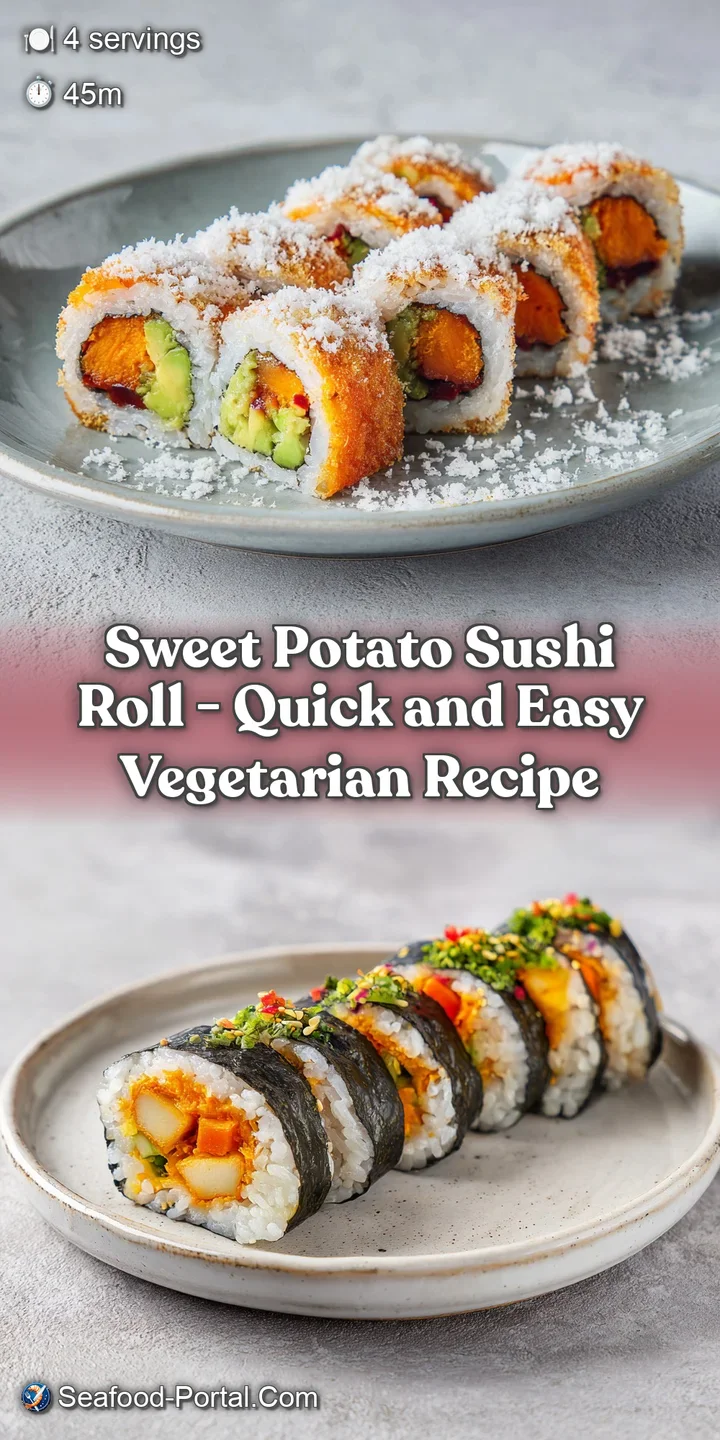
This roll features seasoned Japanese short grain rice, roasted sweet potato batons, and fresh avocado. The potatoes are coated in cornstarch, garlic powder, and smoked paprika before roasting to create a signature mahogany colored crunch.
Is sweet potato roll sushi healthy?
Yes, it provides a nutrient dense alternative to traditional rolls. The combination of fiber from sweet potatoes and healthy fats from avocado creates a satisfying meal that avoids the common additives found in processed rolls.
Is sushi ok for gestational diabetes?
Yes, provided you monitor your portion sizes and prioritize high fiber ingredients. Since sushi rice contains sugar and salt, eating it in moderation alongside fiber rich vegetables like sweet potatoes can help stabilize your blood sugar response.
Can type 2 diabetics eat sushi?
Yes, as long as you account for the carbohydrate content in the sushi rice. If you enjoyed mastering the precision of roasting here, apply the same attention to portioning your rice to maintain steady glucose levels.
How to ensure the sweet potatoes stay crispy?
Toss the batons thoroughly in cornstarch and roast at 425°F for 20 minutes. Turning them halfway through the cooking time is essential to ensure every edge becomes crispy and reaches that ideal mahogany color.
How to make the sushi rice texture perfect?
Rinse the grains under cold water until the runoff is completely clear to remove excess surface starch. After cooking, fold in the rice vinegar, sugar, and salt mixture using a gentle slicing motion with a wooden spatula to avoid mashing the grains.
Is it true the rice must be hot when adding the vinegar?
No, this is a common misconception. You should fold the vinegar mixture into the rice while it is still warm to help the seasoning absorb properly, but it must be cooled to room temperature before it touches the nori to keep the seaweed crisp.
Crispy Sweet Potato Sushi
Ingredients:
Instructions:
Nutrition Facts:
| Calories | 679 kcal |
|---|---|
| Protein | 10.2 g |
| Fat | 18.8 g |
| Carbs | 117.2 g |
| Fiber | 6.8 g |
| Sugar | 5.4 g |
| Sodium | 578 mg |
