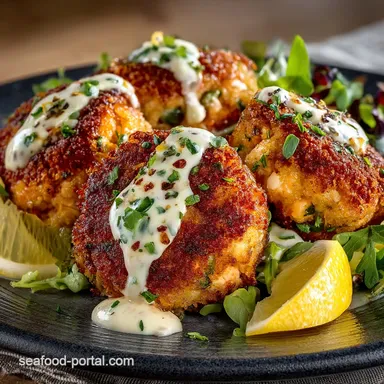
Crispy Corner Shop Salmon Croquettes with Zesty Lemon Aioli
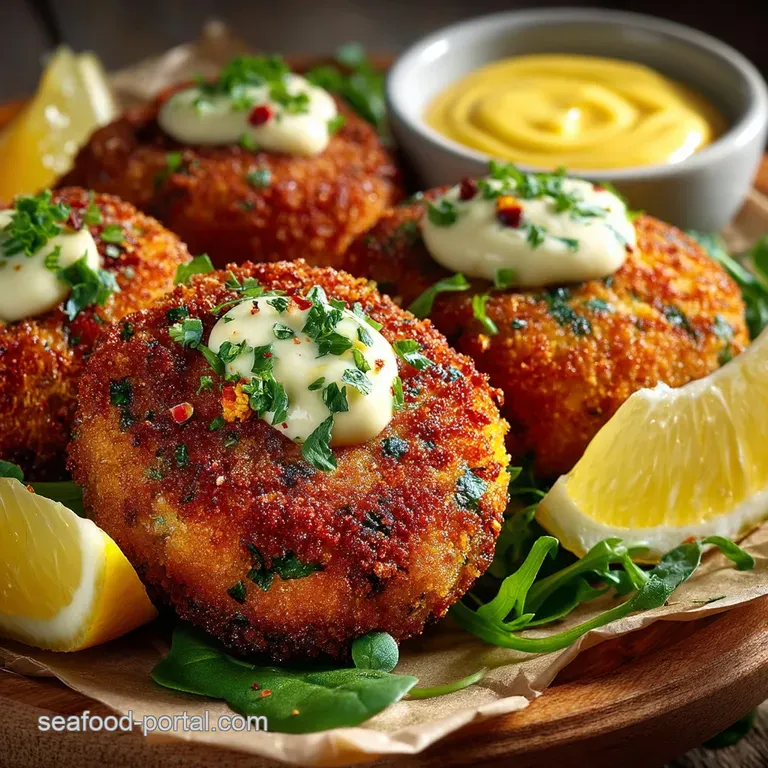
- Elevating the Classic: Why These Salmon Croquettes Are Different
- Assembling Your Kit: Ingredients and Necessary Kitchen Equipment
- The Method: Crafting Perfectly Golden-Crusted Salmon Croquettes
- Post-Cooking Essentials: Storing, Serving, and Troubleshooting
- Pairing Perfection and Nutritional Snapshot
- Recipe FAQs
- 📝 Recipe Card
Elevating the Classic: Why These Salmon Croquettes Are Different
We all have fond memories of comforting, homemade fish cakes, but often, the experience falls short resulting in dry, dense patties that rely too heavily on starches like potato.
This Salmon Croquettes Recipe moves past those common pitfalls by employing a classic technique that guarantees a creamy, moist interior, perfectly encased in a crunchy, golden shell.
While many recipes, especially those modeled after the traditional Salmon Croquettes Recipe Southern , use simple binders, we introduce a sophisticated twist that elevates this humble dish to gourmet status. The result is a weeknight wonder that serves equally well as a sophisticated starter.
Mastering the Panada: The Key to Creamy Interiors
The secret weapon in achieving truly exceptional texture is the panada . This is a classical French thickening base essentially a rich, stiff roux made from 2 tablespoons of butter, 3 tablespoons of flour, and 1/2 cup of warm whole milk.
Unlike simple mashed potatoes or breadcrumb binders, the panada cooks out the raw flour taste and binds the delicate salmon flakes without weighing them down. This method locks in the moisture from the salmon, ensuring the croquettes remain velvety and tender inside, resisting the common tendency to dry out during the frying process.
Mastery of this specific technique is the primary reason these are truly the best Salmon Croquettes .
From Canned to Gourmet: Maximizing Flavor on a Budget
When crafting our filling, we prioritize flavor and convenience. While this recipe provides options, high-quality canned salmon is the foundation of this particular Canned Salmon Croquettes Recipe .
Utilizing a 14-ounce can (approximately 400g) allows for incredible flavor depth while maintaining budget friendliness. The key is thorough draining and careful flaking, ensuring all skin and bones are removed, allowing the rich taste of the fish to come forward.
This approach proves that utilizing readily available pantry staples does not mean compromising on a complex, delicious finished product.
The Essential Herbs and Spices That Define This Dish
The flavor profile is completed by bright, fresh ingredients that perfectly complement the oiliness of the salmon. We rely on a generous hand of fresh flat leaf parsley (2 tablespoons) and the delicate anise notes of fresh dill (1 tablespoon), which provide an herbaceous lift.
Crucially, the zest of half a large lemon brings vital acidity and aroma. On top of that,, 1 teaspoon of Dijon mustard is whisked directly into the panada, adding a subtle, savory depth that prevents the filling from tasting flat, tying the whole flavor profile together beautifully.
Assembling Your Kit: Ingredients and Necessary Kitchen Equipment
The process of learning How To Make Salmon Croquettes requires both precision in measurement and efficiency in setup. Having your ingredients and tools prepared beforehand ensures a smooth flow, especially during the crucial breading stage.
Exact Measurements for the Flakiest Salmon Croquettes
Achieving the perfect consistency, which is vital for croquettes that hold their shape, relies on precise ratios, especially for the binder and coating. For the panada, the specific balance of 2 tablespoons of butter melted into 3 tablespoons of all-purpose flour, then thickened with 1/2 cup of warm milk, creates the stiff, cohesive base needed.
On the coating side, using 1 1/2 cups of panko breadcrumbs a non-negotiable step for maximum crunch is mandatory for forming the ideal golden crust. Following these exact proportions makes preparing these Salmon Croquettes Easy .
Fresh vs. Canned Salmon: Which Delivers the Best Texture?
While it is absolutely possible to create premium Salmon Croquettes with fresh salmon (using 400g of poached or baked fillets), many enthusiasts prefer the texture provided by canned fish for this classic dish.
Canned salmon is pre-cooked and flakes more readily into smaller, uniform pieces, integrating seamlessly into the panada binder without requiring excess mixing. If opting for fresh salmon, ensure it is fully cooked and cooled before flaking, but recognize that the canned variety often provides the nostalgic flakiness central to a great Canned Salmon Croquettes Recipe .
Must Have Tools for Uniform Shaping and Frying
A successful cooking session starts with the right equipment. You will need a medium, heavy bottomed saucepan for gently cooking the panada without scorching it. For the breading, set up an organized system using three shallow dishes for the flour, egg wash, and panko.
Finally, to ensure your finished croquettes are perfectly crispy and not greasy, a wire cooling rack is essential for draining excess oil after frying; never drain them on paper towels alone, as the steam will soften the bottom crust.
Related Recipes Worth Trying
- The Perfect Foolproof LemonHerb Oven Baked Salmon Recipe — Tired of dry fish This easy Oven Baked Salmon Recipe delivers incredibly moist fillets every time using simple lemon and herbs Your new goto healthy salmon...
- Quick Honey Glazed Salmon Bowls with Sesame Greens — Whip up these Healthy Honey Glazed Salmon Bowls in under 40 minutes Enjoy flaky salmon with a bright honeysoy glaze perfect for Easy Salmon Meal Prep Get...
- Cast Iron Charmer 20Minute Smoky Blackened Salmon Fillets — Say goodbye to bland fish This easy Blackened Salmon Recipe gives you a perfect flavourpacked crust in under 25 minutes A fantastic weeknight dinner solution
The Method: Crafting Perfectly Golden Crusted Salmon Croquettes
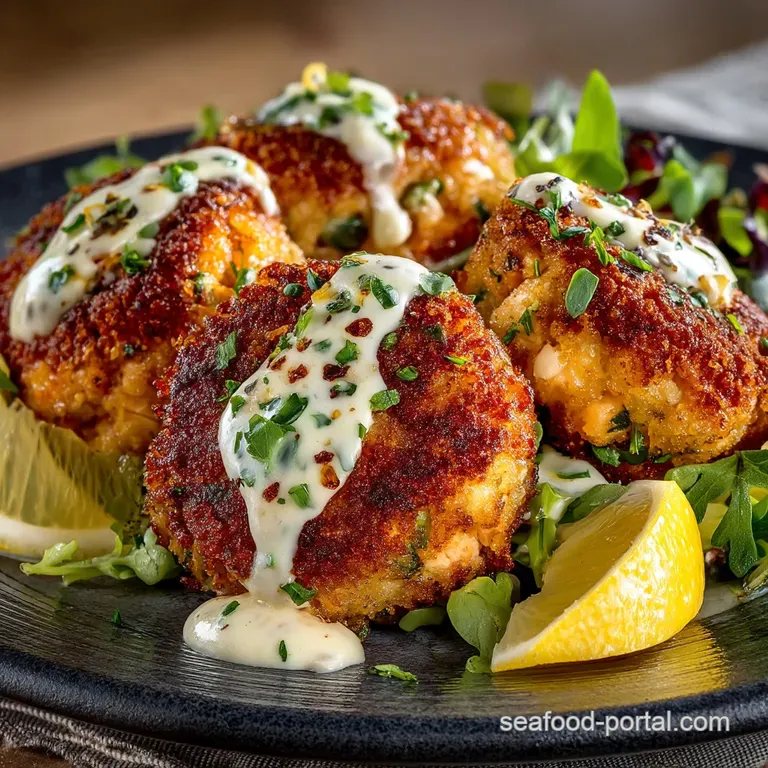
The process can be divided into three distinct phases: combining the filling, shaping the croquettes, and finally, achieving that definitive crisp crust.
Preparing the Velvety Panada Base (A step-by-step Guide)
Begin by thoroughly draining and flaking your 14 ounces of salmon. To start the binder, melt the butter in your saucepan, then whisk in the flour to create the roux. Cook this mixture for 60 seconds to eliminate the raw flour taste.
Immediately begin streaming in the warm milk, whisking vigorously until the mixture thickens into a dense, smooth paste that pulls cleanly away from the sides of the pan. Once off the heat, stir in the Dijon mustard, salt, pepper, herbs, and lemon zest.
Finally, gently fold this panada into the flaked salmon until just combined. Take care not to overmix, which can lead to a tough interior.
Achieving Uniformity: Tips for Shaping the Mix
This stage includes the most crucial rest period of the entire process. Once the panada and salmon are combined, the mixture must be covered and refrigerated for a minimum of 30 minutes, or until completely firm.
This chilling time is mandatory; it solidifies the binder and prevents the croquettes from falling apart during the delicate frying stage. Scoop the chilled mix into uniform portions about 2 ounces or 60 grams each and shape them into smooth, compact cylinders or patties. Uniform size ensures even cooking.
The Three Stage Dredge for Maximum Crispness
The breading procedure guarantees that thick, crunchy crust. First, lightly dust the shaped croquette in the seasoned all-purpose flour, shaking off the excess. Second, dip it into the beaten egg wash, allowing the excess to drip away.
Third, and most importantly, roll the croquette thoroughly in the panko breadcrumbs, pressing firmly on all sides to ensure a complete, thick coating. For an almost industrial strength crunch, you can double coat by dipping them back into the egg wash and then back into the panko.
Deep Fry vs. Air Fry: Achieving the Ideal Golden Crust
Our primary method uses shallow frying, which yields superior texture. Heat about 1/2 inch of high heat oil (like canola or sunflower) in a large frying pan to a temperature between 350° F and 365° F (175– 185° C).
Fry the croquettes in small batches (3 or 4 at a time) for 3– 4 minutes per side, until they are deeply golden brown. For a lighter approach, many home cooks now favor cooking Salmon Croquettes in air fryer .
To do this, spray the breaded croquettes liberally with cooking spray or oil, and cook at 400° F ( 200° C) for 18– 20 minutes, flipping halfway through.
Post Cooking Essentials: Storing, Serving, and Troubleshooting
Once your beautiful croquettes are cooked, ensuring they stay crisp and knowing how to handle leftovers is key to enjoying your hard work.
Common Croquette Mistakes and How to Fix Them
The most frequent complaint when making these fish cakes is that they disintegrate upon hitting the oil. This almost always means the mixture was not chilled long enough, or the panada binder was too loose (too much milk added).
If the mixture is still too sticky after chilling, stir in an extra tablespoon of dry breadcrumbs or flour. Another common issue is greasiness; this occurs when the oil temperature is too low, causing the croquettes to absorb the fat rather than crisp up.
Ensure your oil remains in the 350° F range throughout the process.
Best Practices for Freezing and Reheating Leftovers
If you plan on batch cooking, the best time to freeze Salmon Croquettes is after they have been shaped and fully breaded, but before frying. Arrange them on a baking sheet and flash freeze them. Once solid, transfer them to an airtight container or bag.
When you are ready to cook, fry or bake them directly from frozen, adding 3– 5 minutes to the total cooking time. To reheat cooked leftovers, avoid the microwave, which turns the crust soggy.
Instead, use a toaster oven or the air fryer at 350° F ( 175° C) until piping hot and re-crisped.
Sauces and Sides: What to Serve with Your Salmon Croquettes
The richness of the fried crust and the creamy filling are beautifully balanced by an acidic accompaniment. The suggested Zesty Lemon Aioli (a quick blend of 1/2 cup mayonnaise, 1 tablespoon of fresh lemon juice, and a finely minced small clove of garlic) is the ideal creamy, sharp counterpoint.
For full Salmon Croquettes Meal Ideas , serve them alongside a crisp side salad, such as peppery arugula and shaved fennel dressed simply with a bright vinaigrette, cutting through the richness perfectly.
Pairing Perfection and Nutritional Snapshot
These delicious fish cakes are hearty yet wholesome, providing excellent nutritional value alongside comforting flavor.
Quick Look at Caloric and Protein Content
These croquettes offer a balanced contribution to your meal plan. Based on two standard sized croquettes per serving, the nutritional estimate sits around 350 to 400 calories. They are a superb source of high-quality protein, providing roughly 24 grams per serving, thanks to the substantial salmon content.
Although the fat content is around 20 grams, much of this comes from the healthy Omega-3 fatty acids naturally present in the fish.
Recipe FAQs
Help! My Salmon Croquettes keep disintegrating in the pan. What have I done wrong?
The likely culprit is insufficient chilling time or a panada (the roux binder) that wasn't stiff enough. Treat the chilling step like a proper queue at the Post Office it’s absolutely mandatory! If the mixture is too soft when shaped, it will immediately collapse when it hits the hot oil.
Ensure your panada was very thick and pulled away from the saucepan walls before combining it with the salmon.
I’m trying to be good can I bake these instead of doing a full-on fry-up?
Absolutely, you can! For a lighter option, preheat your oven to 400°F (200°C). Lay the breaded croquettes on a baking tray, give them a generous spritz of cooking oil (like a proper chip shop drizzle), and bake for about 18 20 minutes.
Ensure you turn them halfway to achieve an even golden colour and the characteristic panko crunch.
The recipe calls for tinned salmon. Will using fresh fillets make them taste better?
High-quality tinned salmon is the classic, economical choice and works brilliantly because it’s softer and easier to bind smoothly into the panada. If you use freshly cooked fillets, they can offer a slightly cleaner flavour, but you must ensure they are very well flaked and completely dry before mixing them in.
If the fresh salmon is too moist, the mixture will be slack, and you’ll be back to square one with structural issues!
I'm hosting a knees-up; can I prepare the croquettes ahead of time?
Yes, indeed! These are fantastic for prepping ahead, which saves a lot of hassle when guests arrive. You can fully shape and bread the croquettes, then store them uncooked on a baking sheet in the fridge for up to 24 hours.
Alternatively, they freeze beautifully once breaded; simply fry them straight from frozen, adding a few extra minutes to the cooking time until they are piping hot in the centre.
How long do these last, and what’s the best way to reheat leftovers without losing the crunch?
Leftover croquettes can be stored in an airtight container in the fridge for up to 3 days treat them like any perishable fish cake. To reheat, avoid the microwave at all costs, as it makes the crust soggy.
A quick blast in the oven (350°F / 175°C) or an air fryer for about 5 8 minutes is the best way to revive that lovely crispy panko exterior and get them tasting fresh again.
Crispy Salmon Croquettes Recipe