Salmon Patties: Failure-Proof and Fast

- Time: 10 min active + 10 min cook = 20 min total
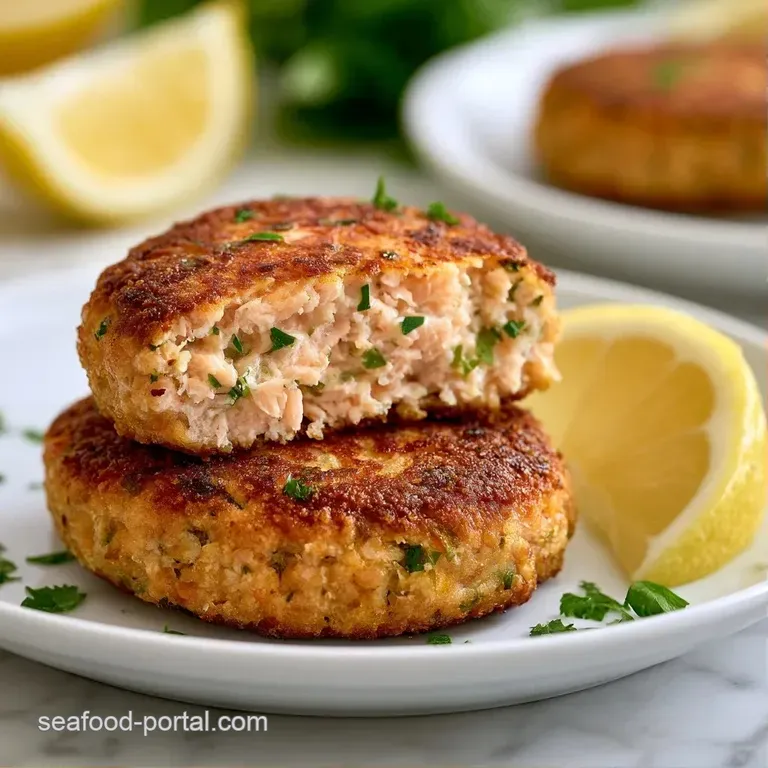
- Flavor/Texture Hook: Shatter crisp exterior with a velvety, flaky center
- Perfect for: A quick weeknight dinner or a high protein lunch
The sound of butter sizzling in a cast iron skillet is, for me, the sound of home. I remember my grandmother making these on rainy Tuesday afternoons. She didn't have a fancy cookbook, just a tin of canned salmon and a knack for getting that crust just right.
The house would fill with the sharp, clean scent of lemon and the savory aroma of searing fish.
For many families along the coast, this was the "budget fancy" meal. It took humble pantry staples and turned them into something that felt like a treat. But if you've tried making them and ended up with a mushy pile of fish in the pan, trust me, you're not alone.
I spent a few years fighting with the binder until I realized the secret isn't more breadcrumbs, it's how you handle the salmon.
Whether you're looking for a fast way to feed the kids or a nostalgic comfort dish, these Salmon Patties deliver. We're going for a mahogany colored crust and a center that's still tender and flaky. Let's crack on.
Searing the Best Salmon Patties
When you first dive into making these, you might wonder why some versions feel like fishy meatballs while others feel like a light seafood cake. It all comes down to the moisture. Canned salmon varies in water content, and if you don't account for that, your patties will steam instead of sear.
I've found that the best approach is to be gentle. If you overwork the mixture, you break down the natural structure of the fish, and you lose that lovely flake. You want to stir just until the ingredients are combined, then stop. It's a delicate balance, but once you get it, it's brilliant.
If you're in the mood for something slightly different, you might enjoy a salmon cakes recipe which often uses fresh fillets, but for a Tuesday night, the canned version is king.
Avoiding the Mushy Patty Trap
The key to a great result isn't magic, it's just a few basic principles of how ingredients behave under heat.
- The Binder Bond
- Beaten egg acts as a glue, but the panko absorbs excess moisture, creating a structural framework that prevents the patties from collapsing.
- Acidic Brightness
- Lemon juice and Dijon mustard break down the heavy oils of the fish, making the flavor feel lighter and more vibrant.
- The Heat Threshold
- Searing at medium heat allows the proteins to set and the exterior to brown without burning the delicate fish inside.
- Texture Preservation
- Minimal mixing keeps the salmon in larger flakes, which prevents the interior from feeling like a paste.
Since you might be choosing between a few different styles, here is a quick way to decide which route to take.
| Method | Time | Texture | Best For |
|---|---|---|---|
| Fast | 20 minutes | Crisp/Tender | Weeknights |
| Classic | 45 minutes | Dense/Firm | Sunday Dinner |
| Baked | 30 minutes | Softer/Uniform | Healthier option |
The Component Breakdown
Understanding what each ingredient actually does helps you fix the recipe on the fly. For instance, according to USDA FoodData, canned salmon is a powerhouse of omega-3s, but its texture can be inconsistent, which is why we need the following.
| Ingredient | Science Role | Pro Secret |
|---|---|---|
| Canned Salmon | Protein Base | Drain very well to avoid mush |
| Panko Breadcrumbs | Moisture Absorbent | Use panko for a lighter crunch |
| Beaten Egg | Emulsifying Binder | Room temp egg blends better |
| Lemon Juice | pH Balancer | Adds "lift" to the heavy fish flavor |
Ingredients
Here is everything you'll need. Honestly, don't even bother with low-fat substitutes here, as the fat is what carries the flavor and prevents sticking.
- 14.75 oz (418g) canned salmon, drained Why this? Consistent flavor and easy to prep
- 1 large egg, beaten Why this? Essential for structural integrity
- 1/3 cup (33g) panko or plain breadcrumbs Why this? Panko provides a superior "shatter" texture
- 1/4 cup (40g) yellow onion, finely diced Why this? Adds a necessary savory bite
- 1 tbsp (15ml) Dijon mustard Why this? Adds depth and helps the bind
- 1 tbsp (15ml) fresh lemon juice Why this? Cuts through the richness
- 1 tsp (2g) garlic powder Why this? Consistent flavor without burning fresh garlic
- 1/2 tsp (3g) salt Why this? Enhances all other flavors
- 1/4 tsp (1g) black pepper Why this? Subtle warmth
- 1 tbsp (4g) fresh parsley, minced Why this? Fresh, herbal finish
- 2 tbsp (28g) unsalted butter or neutral oil Why this? Butter adds a nutty flavor to the crust
Ingredient Swaps
If you're missing something or have dietary needs, use this table. Just remember that changing the binder can change the final texture.
| Original Ingredient | Substitute | Why It Works |
|---|---|---|
| Panko (1/3 cup) | Almond Flour (1/3 cup) | Low carb option. Note: Results in a denser, softer patty |
| Dijon Mustard (1 tbsp) | Mayonnaise (1 tbsp) | Adds creaminess. Note: Lacks the tangy "zing" of mustard |
| Butter (2 tbsp) | Avocado Oil (2 tbsp) | High smoke point. Note: Cleaner taste, less richness |
| Yellow Onion (1/4 cup) | Shallots (2 tbsp) | Milder, more sophisticated flavor |
Essential Kitchen Tools
You don't need a professional kitchen to make great Salmon Patties, but a few tools make a world of difference.
First, a non stick skillet or a well seasoned cast iron pan is non negotiable. Cast iron is my favorite because it holds heat better, ensuring the patties don't drop in temperature when they hit the pan. This is how you get that mahogany crust.
A medium mixing bowl and a sturdy fork are all you need for the prep. I avoid using a whisk or a food processor here because we want flakes, not a puree. Finally, have a plate with some parchment paper ready to hold your shaped patties before they go into the pan.
Step-by-step Searing Guide
Right then, let's get cooking. Follow these steps closely, and pay attention to the sensory cues.
- Drain the canned salmon thoroughly in a mesh strainer. Note: Excess water is the enemy of the sear
- Beat the egg in a small bowl until smooth.
- Combine the drained salmon, beaten egg, panko, and finely diced onion in your medium bowl.
- Stir in the Dijon mustard, lemon juice, garlic powder, salt, black pepper, and minced parsley.
- Use a fork to flake the salmon gently, stirring until the ingredients are just combined. Listen for the "squish" of the binder, but don't overmix.
- Divide the mixture into 6 equal portions.
- Gently shape each portion into a patty about 1 inch thick, pressing firmly with your palms to compact the mixture.
- Heat the butter or oil over medium heat in your skillet until it shimmers and begins to bubble slightly.
- Carefully place the Salmon Patties in the pan and sear for 4-5 minutes per side without moving them. Wait until the crust is mahogany colored and the patty releases easily from the pan.
- Transfer to a plate and let them rest for 2 minutes to allow the internal proteins to set.
Chef's Tip: Try freezing your butter for 10 minutes before adding it to the pan. It slows the melting process, giving you a more consistent browning.
Fixing Common Searing Issues
Even the best of us have a patty that falls apart or burns. Usually, it's just a matter of temperature or moisture.
The Falling Apart Problem
This usually happens if there isn't enough binder or if the patties were flipped too early. If you flip before the crust has formed, the patty will tear.
Burnt Crust Fixes
If the outside is black but the inside is cold, your heat is too high. Drop the temperature to medium low and use a bit more butter to distribute the heat.
Underdone Centers
Canned salmon is pre cooked, but the egg needs to set. If the middle feels "squishy," give them another minute on each side.
| Problem | Root Cause | Solution |
|---|---|---|
| Patties disintegrate | Too much moisture / flipped too early | Drain salmon better; wait for mahogany crust |
| Rubbery texture | Overmixing the salmon | Stir only until just combined |
| Bland flavor | Under seasoning | Add a pinch more salt or a squeeze of fresh lemon |
Common Mistakes Checklist
- ✓ Did you drain the salmon for at least 2 minutes?
- ✓ Did you avoid using a food processor?
- ✓ Did you wait for the butter to shimmer before adding fish?
- ✓ Did you resist the urge to move the patties for the first 4 minutes?
Easy Ingredient Swaps
If you're cooking for a crowd or a tiny apartment, adjusting the volume is simple.
For a smaller batch (½ recipe), use a smaller pan to keep the heat concentrated. Since you can't easily use half an egg, beat one egg in a cup and measure out 2 tablespoons. Reduce the cooking time by about 20% if the patties are thinner.
When doubling or tripling the recipe, work in batches. If you crowd the pan, the temperature drops, and you'll end up steaming the fish instead of searing it. Also, a pro tip: only increase the salt and garlic powder to 1.5x for a double batch. Spices can become overwhelming when scaled linearly.
If you want to add a punch of flavor, try using a homemade salmon seasoning blend instead of the basic salt and pepper. It adds a caramelized depth that's hard to beat.
Storage and Zero Waste
These Salmon Patties keep surprisingly well. Place them in an airtight container in the fridge for up to 3 days. When reheating, avoid the microwave if you can. Use a skillet over medium heat for 2 minutes per side to bring back that shatter crisp exterior.
For the freezer, freeze the patties raw on a baking sheet for an hour before transferring them to a freezer bag. They'll stay good for 2 months. You can fry them straight from frozen, just add 2 minutes to each side.
To avoid waste, don't throw away the lemon rinds after juicing. Zest them into your tartar sauce or save the zest in a small jar in the freezer for future recipes. If you have leftover diced onion, sauté it and keep it in the fridge for your next omelet.
Serving and Pairing Ideas
While these are great on their own, the right pairing makes the meal. I love serving these with a dollop of zesty tartar sauce or a simple squeeze of lemon. A side of steamed asparagus or a crisp cucumber salad balances the richness of the fish.
If you're feeling fancy, place each patty on a bed of arugula and drizzle with a balsamic glaze. The bitterness of the greens cuts through the butter perfectly. For a more filling meal, serve them alongside some fluffy wild rice.
Kitchen Myths
There are a few things people say about Salmon Patties that just aren't true.
First, the idea that searing "seals in the juices" is a myth. Heat causes moisture to leave the fish regardless of how you sear it. The crust is actually about flavor and texture, not moisture retention.
Second, some believe canned salmon is "low quality." In reality, it's often just as nutritious as fresh fillets, and because it's already cooked, it makes the binder process much more stable.
Finally,, don't believe that you need to flour the patties before frying. The panko in the mix provides all the surface area you need for a great sear, and extra flour can often lead to a gummy exterior.
Now that you've got the technique down, these Salmon Patties will likely become a staple in your house. They're fast, honest food that tastes like it took way more effort than it actually did. Trust me on this, the key is in the patience during the sear.
Just let them sit, wait for that mahogany color, and you're golden.
Once you've mastered these Salmon Patties, you can start experimenting with different herbs or spices. Maybe some smoked paprika for a woody flavor, or a pinch of cayenne for some heat. The beauty of this dish is its flexibility.
I hope you enjoy these Salmon Patties as much as my family does. It's a little piece of coastal history right in your own kitchen. Happy cooking!
Recipe FAQs
How to make salmon patties with canned salmon?
Combine drained salmon, beaten egg, breadcrumbs, onion, mustard, lemon juice, and seasonings. Flake the fish with a fork, shape into 1 inch thick patties, and sear in butter or oil over medium heat for 4 5 minutes per side.
What's the secret to flavorful salmon patties?
Balance acidity using both Dijon mustard and fresh lemon juice. Stir ingredients until just combined to maintain a flaky texture. If you enjoyed mastering this flavor balance, see how the same principle works in our homemade fish cakes.
Are salmon patties good for GERD?
Yes, generally. Salmon is a lean protein, though individuals should monitor their reaction to the onion, lemon juice, and mustard which can be triggers for some.
Can diabetics eat salmon patties?
Yes, in moderation. The main carbohydrate source is the panko or plain breadcrumbs, so keep an eye on portion sizes to manage glucose levels.
How to make salmon burgers with canned salmon?
Shape the salmon mixture into larger, wider patties rather than small cakes. Sear them in a non-stick skillet for 4 5 minutes per side until a mahogany colored crust forms.
What is the best way to cook canned salmon?
Sear it in a cast iron or non-stick skillet. Heating butter or oil over medium heat until it shimmers creates a shatter crisp exterior that contrasts perfectly with the tender interior.
Is it true that canned salmon patties always fall apart in the pan?
No, this is a common misconception. Pressing the mixture firmly with your palms to compact the patty and leaving it undisturbed for 4 5 minutes per side ensures it stays intact.
Crispy Salmon Patties 2