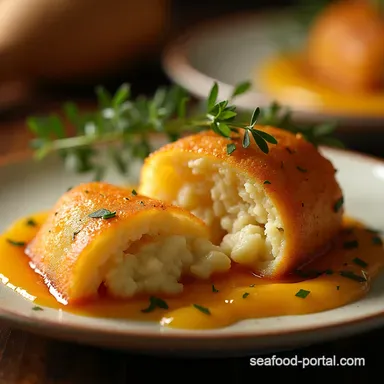
The Schmaltzy Secret Simply Sublime Homemade Gefilte Fish
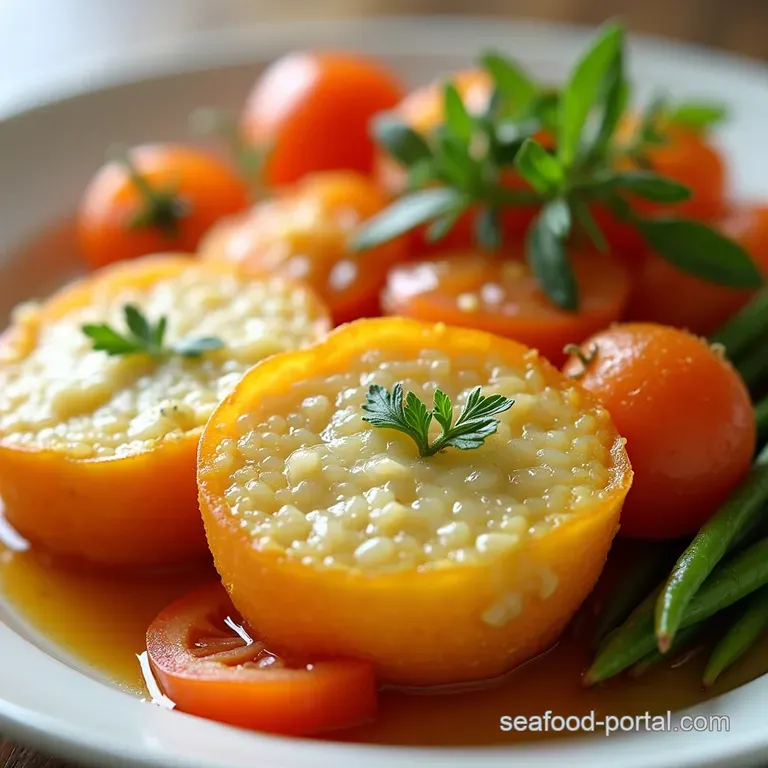
- Bidding Farewell to the Jar: Rediscovering True Gefilte Fish Flavor
- Why This Approach to Jewish Comfort Food Stands Apart
- Assembling the Cornerstone: Essential Components for Perfect Texture
- Mastering the Grind: Techniques for Optimal Fish Paste Consistency
- Poaching Perfection: Achieving Moist, Tender Morsels of Gefilte Fish
- Chilling and Serving: The Final Steps to Success
- Elevating Your Plate: Serving Suggestions Beyond the Classics
- Troubleshooting and Long-Term Preservation Secrets
- Recipe FAQs
- 📝 Recipe Card
Bidding Farewell to the Jar: Rediscovering True Gefilte Fish Flavor
For many, the mention of Gefilte Fish conjures images of perfectly uniform, somewhat rubbery ovals suspended in gelatinous liquid a holiday staple, perhaps, but rarely a culinary highlight. I’m here to challenge that perception.
This dish, steeped in Gefilte Fish Origin and Ashkenazi history, is meant to be tender, subtly sweet, deeply savoury, and utterly delightful. Forget the convenience of the jar; mastering this recipe for Homemade Gefilte Fish unlocks a textural marvel and a flavour profile that simply cannot be replicated by mass production.
We are embarking on making a truly Flavorful Gefilte Fish that respects the past while being perfectly achievable in a modern kitchen.
Why This Approach to Jewish Comfort Food Stands Apart
The secret to sublime fish preparation lies not just in the ingredients, but in the technique the slow, gentle combination of ground meat, binders, and aromatics, followed by a patient poaching.
This dedication ensures we achieve the sought after Moist Gefilte Fish texture that melts delicately on the tongue.
Setting the Stage: The Traditional Yet Accessible Vision
Our goal in crafting this Classic Gefilte Fish is to honor the heritage without being burdened by outdated, complicated methods. The Gefilte Fish Ingredients we use are straightforward primarily white fish, enriched with onion and carrot.
The difficulty level here is listed as Medium, but this only speaks to the necessity of precision in technique, particularly concerning temperature control during the final poaching stage.
We break down the process into manageable steps, ensuring that whether you are aiming for individual patties or a single impressive loaf, success is within reach.
What Makes Our Recipe Truly 'Sublime'?
The sublimity of this Gefilte Fish Recipe stems from two critical components: the richness of the poaching liquid and the careful hydration of the fish paste. By creating a flavourful broth first, the fish balls absorb aromatic depth as they cook, moving beyond mere steamed fish.
On top of that,, we rely on the inclusion of ice-cold liquid during mixing, which prevents the proteins from seizing up, guaranteeing that delicate, yielding bite we are aiming for.
A Culinary Bridge: Honoring Heritage with Modern Ease
While the preparation requires attention, this Traditional Gefilte Fish approach utilizes modern tools, such as a food processor, to achieve the necessary fine grind swiftly.
The process flows logically: first, building the flavour base in the broth; second, developing the perfect paste consistency; and third, slow cooking to perfection. This method creates a culinary bridge, allowing us to respect the time honoured techniques while embracing kitchen efficiency.
Assembling the Cornerstone: Essential Components for Perfect Texture
Before we dive into the How to Make Gefilte Fish , we must inventory our components. The final texture relies heavily on the balance between the protein, the binder, and the liquid. Too much binder yields toughness; too little, and the mixture falls apart.
For a yield that serves between 6 to 8 people generously, we begin with about 2 lbs of high-quality white fish fillets.
Selecting Your Catch: Fish Choices and Preparation Notes
The most Flavorful Gefilte Fish traditionally uses a combination of bony, flavourful fish like carp or pike, balanced with milder white fish like cod or haddock for texture. For simplicity, using skinless, boneless fillets of firm white fish yields excellent results.
Ensure all fish is thoroughly chilled, even slightly frozen at the edges, before processing; this cold temperature is your first defense against tough fish cakes.
The Essential Mix: Fish, Binder, and Aromatics Inventory
The Gefilte Fish Ingredients list balances richness and structure. Alongside the 2 lbs of fish, we incorporate aromatics that are first softened sautéed finely chopped onion until translucent (never browned!) and grated carrot for natural sweetness and moisture.
The binder is simple: two large eggs and about 1/2 cup of Matzo Meal (or fine dry breadcrumbs). The seasoning profile leans savory sweet, requiring salt, white pepper, and a measured amount of sugar to achieve that characteristic historical flavour balance.
Special Equipment Needed for Superior Results
While a sharp knife and good mixing bowls are essential, the food processor is invaluable here. It allows us to quickly grind the fish and then efficiently incorporate the binders without overworking the mixture by hand.
A large stockpot or Dutch oven is necessary for the poaching stage, as it must comfortably hold the fish while allowing for the slow, gentle simmer required for tender cooking.
The Importance of Ice Water and Cold Ingredients
This point cannot be overstated when striving for Moist Gefilte Fish : everything must be cold. The addition of about 1/4 cup of ice water or seltzer not only hydrates the mixture but the cold temperature helps keep the meat proteins from bonding too aggressively during the short processing time.
This cold environment is the key differentiator between a delicate patty and a rubbery one.
Mastering the Grind: Techniques for Optimal Fish Paste Consistency
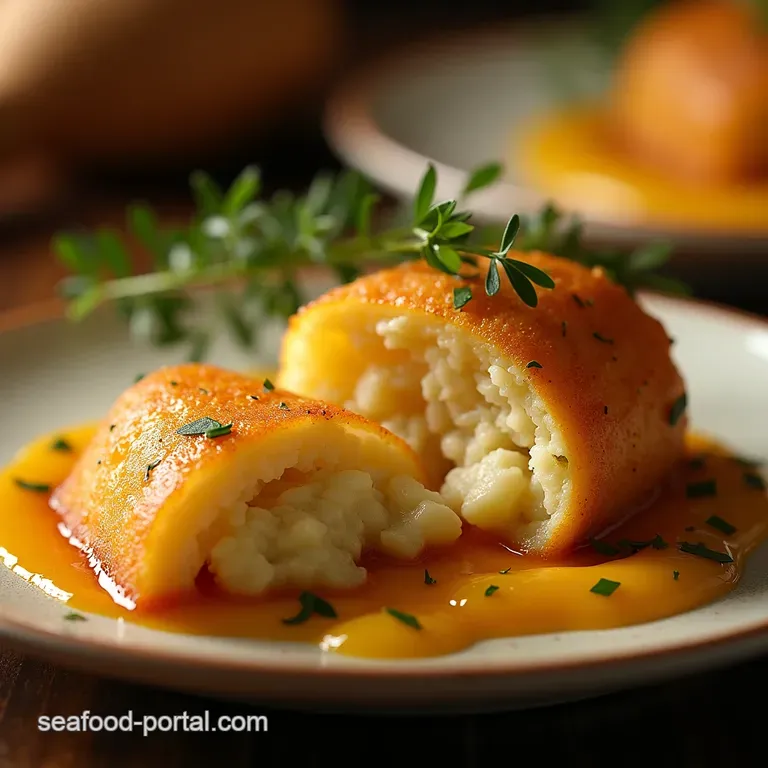
The journey to perfect texture is delicate. We start by pulsing the cold fish fillets until they are finely ground think coarse mince, not a smooth paste yet. Next, we introduce the cooled, softened onions, grated carrot, eggs, matzo meal, and seasonings.
Process this in short bursts only until the ingredients are just incorporated. Over processing generates heat and develops gluten like structures in the protein, leading to a tough result.
A final, quick stream of the ice water while pulsing a few more times ensures the mixture is hydrated but still holds its shape when handled. After mixing, the paste must rest, chilled for at least 30 minutes, allowing the matzo meal to fully absorb moisture and the flavours to meld before forming.
Related Recipes Worth Trying
- Easy Fish Tacos with Cilantro Lime Slaw 25Minute Dinner — Need a weeknight lifesaver These easy fish tacos use panseared cod and a bright zesty cilantro lime slaw Get that perfect crispy fish texture fast
- The Best Crispy Fish Tacos with Smoky Chipotle Crema — Achieve shatteringly crisp Panko Fish Tacos every time topped with a vibrant cilantro lime slaw This easy fish taco recipe is ready in 45 mins
- The Proper Crunch Cod Sandwich Crispy Fried Fish Sandwich — Ditch the soggy fillet This beerbattered fish sandwich recipe guarantees pubworthy crispness with a zingy homemade tartar sauce Ultimate comfort food awaits
Poaching Perfection: Achieving Moist, Tender Morsels of Gefilte Fish
Once the paste is chilled and firm, we turn our attention to the cooking medium. We are not baking or frying; we are poaching gently in a seasoned broth. This method infuses the flavour directly into the fish while ensuring the moisture content remains high throughout the cooking process.
Chilling and Serving: The Final Steps to Success
The transition from raw mixture to finished product involves forming, gentle cooking, and crucial cooling time.
Step-by-step Guide to Forming the Patties or Loaf
After chilling the mixture, wet your hands lightly with cold water this prevents sticking. Scoop roughly 1/4 cup portions of the mixture and gently roll them between your palms to form neat ovals or quenelles. If forming a loaf, press the entire mixture into a loaf pan lined with parchment paper.
Handle the mixture lightly; pressure equates to toughness in the final product.
Crafting the Broth: Flavor Infusion Without Overcooking
While the fish forms, ensure your poaching liquid is prepared. This broth starts with water, aromatics like rough cut carrots, onion, celery, bay leaves, and peppercorns. If you wish to maximize flavour, include fish heads or bones for the initial simmer.
This broth must be strained thoroughly and brought back to a point where it is barely shivering a very gentle simmer is the goal.
The Gentle Art of the Poach: Temperature Control Matters
Carefully slide the formed patties into the warm (not boiling!) poaching liquid. Overcrowding is detrimental, so work in batches if necessary to maintain the liquid’s temperature stability.
Once all the fish is submerged, cover the pot, reduce the heat to the lowest setting possible, and let them poach undisturbed for 40 to 50 minutes. You are looking for them to cook through gently, achieving that tender interior.
How Long to Chill for Maximum Sliceability
Once cooked, remove the patties carefully with a slotted spoon. For the very best flavour and a firm texture that allows for neat slicing, the Gefilte Fish must be cooled slowly.
Let them rest at room temperature within their broth for about an hour, then transfer the fish and liquid together to the refrigerator. Allow them to chill completely for a minimum of four hours, though overnight is truly superior for enhancing the Flavorful Gefilte Fish experience.
Elevating Your Plate: Serving Suggestions Beyond the Classics
While serving these chilled morsels alongside a powerful hit of horseradish is the traditional route, there are wonderful ways to present your Homemade Gefilte Fish .
You can slice the poached carrots that cooked alongside the fish and dress them lightly with a sharp vinaigrette to provide a bright counterpoint to the rich fish. Consider arranging them beautifully on a platter garnished with fresh dill or parsley for a vibrant presentation.
Troubleshooting and Long Term Preservation Secrets
Even with careful attention, sometimes adjustments are needed, or one might wish to preserve the fruits of their labour.
The Sweet vs. Savory Debate: Variation in Seasoning
The ideal ratio of sweet to savory is deeply personal. Taste your mixture before poaching! If it tastes too bland, add a touch more salt; if it tastes too heavy, balance it with a small pinch more sugar or a dash of lemon juice.
This final adjustment guarantees your Classic Gefilte Fish hits your personal preference perfectly.
Pairing Suggestions: Carrots, Horseradish, and Garnishes
The classic pairing remains the strongest: the heat of prepared horseradish cuts through the richness of the fish, while the sweetness of the poached carrots (removed from the broth and served alongside) offers a textural contrast.
A creamy side, perhaps a dollop of sour cream mixed with a little lemon zest, also works beautifully.
Freezing Your Handmade Gefilte Fish for Later Enjoyment
This Gefilte Fish freezes exceptionally well. After chilling overnight, remove the patties from the broth, pat them gently dry, and place them in a single layer on a parchment lined tray to freeze solid. Once frozen, transfer them to an airtight container, separated by wax paper.
When ready to serve, thaw them in the refrigerator overnight and allow them to warm slightly, or reheat them very gently in fresh, unsalted simmering water.
Adjusting Texture: When to Add More Binder or Ice
If, upon tasting your preliminary cooked sample, the mixture seems too loose or soft, mix in another tablespoon of matzo meal and perhaps a teaspoon of ice water before forming the rest.
Conversely, if the mixture feels overwhelmingly dense or dry, incorporate another lightly beaten egg white to bind and introduce subtle moisture back into the paste.
Recipe FAQs
Why is my homemade Gefilte Fish tough or rubbery? I followed the recipe exactly!
That’s a common sticking point, right? Usually, rubbery fish is down to over processing the mixture, which makes the protein seize up, or poaching it too vigorously. Remember, the mixture should just be combined, not turned into a paste.
Also, ensure your poaching liquid is at a bare simmer never a rolling boil to keep them tender as a church mouse.
Can I make Gefilte Fish ahead of time, and how should I store leftovers?
Absolutely! In fact, it’s best made a day ahead, as chilling overnight allows the flavours to properly marry and the patties to firm up nicely. Store the cooked fish submerged in its poaching liquid in an airtight container in the fridge for up to 4 days.
They are divine served cold the next day, perfect for a quick snack.
What’s the best accompaniment to serve with this Gefilte Fish?
The indispensable partner is sharp horseradish it cuts through the richness wonderfully. For a traditional setup, serve it chilled with thin slices of the poached carrots and onions from the broth. A simple dollop of sour cream mixed with a little lemon zest also hits the spot beautifully.
I don't like sweet fish; can I cut down on the sugar in this Gefilte Fish recipe?
You certainly can, although a touch of sweetness is traditional for balancing the flavour of the white fish. If you find the recipe too sweet, try reducing the added sugar by half and compensate by adding a pinch more salt or a splash more white pepper. Always taste a small cooked sample before rolling them all!
What kind of fish should I use if I can't find traditional carp or pike?
Don't despair if you can't find the Eastern European standards; a mix works splendidly. A combination of mild, flaky white fish like cod or haddock with something slightly richer like salmon provides great flavour and texture. Aim for about 2 lbs total, ensuring it is all boneless and skinless.
Is there a way to make this dish gluten-free without losing its texture?
Yes, swapping the Matzo Meal is straightforward. You can use finely ground almond flour or even regular dried breadcrumbs if you prefer, though almond flour often yields a slightly more moist result. Make sure whatever substitute you use is very finely ground so it binds correctly with the eggs and liquid.
Moist Homemade Gefilte Fish