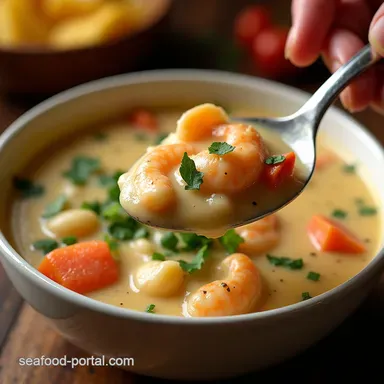
The Comfort King Rich Creamy Seafood Chowder Loaded with the Catch of the Day
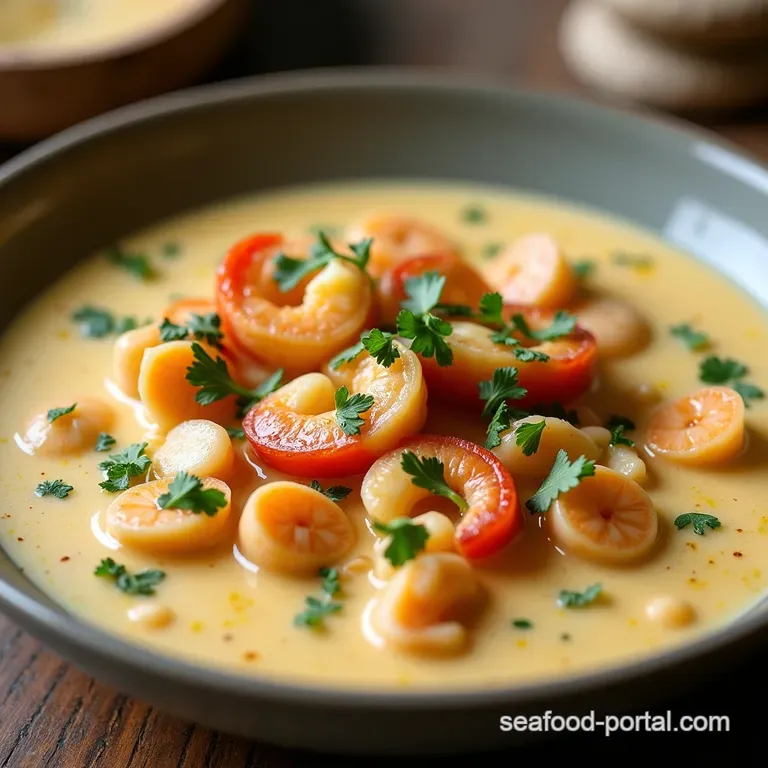
- The Definitive Guide to Homestyle Seafood Chowder Perfection
- Why This Creamy Recipe Outshines the Rest
- Essential Components for Spectacular Seafood Chowder
- Step-by-Step Mastery: Crafting Your Ultimate Seafood Chowder
- The Art of the Simmer: Techniques for Perfect Texture
- Elevating Your Bowl: Tips, Tricks, and Tasty Twists
- Storage Solutions: Keeping Your Chowder Fresh for Later
- Recipe FAQs
- 📝 Recipe Card
The Definitive Guide to Homestyle Seafood Chowder Perfection
There are certain dishes that instantly evoke comfort, warmth, and the satisfying abundance of the sea and at the pinnacle of that list sits a truly magnificent Seafood Chowder .
Forget thin, watery soups; we are diving deep into creating a rich, velvety classic, the kind of dish that deserves a moment of silence before the first spoonful. This recipe is designed to be the Best Seafood Chowder you’ve ever made at home, blending tender pieces of the freshest catch with a deeply flavourful, smoky base.
It is hearty, deeply satisfying, and far easier to achieve than you might think.
Why This Creamy Recipe Outshines the Rest
This particular iteration leans heavily into the traditional structure of a New England Seafood Chowder , focusing on layering flavour at every single stage.
What sets this Creamy Seafood Chowder apart is the commitment to building complexity we treat the foundation with as much respect as the final addition of premium seafood.
We want a chowder that coats the back of the spoon, yielding a flavour profile that whispers of salty sea air, smoky undertones, and the subtle sweetness of perfectly cooked vegetables.
Banish the Bland: Unlocking Deep, Savoury Flavours
The secret weapon in banishing blandness is twofold: starting with excellent smoked pork and mastering the gentle cooking of the vegetables. We begin by rendering thick cut bacon until perfectly crisp.
This rendered fat is liquid gold, providing the essential smoky backbone upon which every subsequent flavour note rests. On top of that,, the use of quality fish or seafood stock instead of plain water ensures that even the simmering liquid contributes profound savoury depth to the final result, moving this firmly into the category of truly great Seafood Soups and Stews .
A Warm Embrace in a Bowl: Setting the Scene for Chowder Night
Preparing this Seafood Chowder Recipe becomes an event in itself. With a prep time of about 30 minutes and a cook time of 40 minutes, this hearty meal comes together in just over an hour, making it perfect for a weekend gathering or a satisfying weeknight treat.
Imagine the aroma filling your kitchen: the gentle sizzle of aromatics mingling with herbs this is the essence of cozy, convivial dining. We are aiming for a generous yield of six ample servings, ensuring seconds are likely required!
The Foundation: Building an Unforgettable Velvety Base
The key to that luxurious texture lies in controlling the thickening agent. We develop a quick roux by cooking flour directly into the rendered fat and sautéed vegetables. This step ensures the flour cooks out any raw taste and creates a stable base.
Once the stock is incorporated and the potatoes have softened, we introduce the cream and butter off the highest heat. This careful management prevents the dairy from separating, guaranteeing that velvety mouthfeel crucial to a superior Creamy Seafood Chowder .
Essential Components for Spectacular Seafood Chowder
To craft this masterpiece, selecting the right Seafood Chowder Ingredients is paramount. Quality matters most here, as the seafood shines through the creamy base.
You’ll need about 1 pound of firm white fish, like cod or haddock, cut into uniform 1 inch chunks, alongside about half a pound of large shrimp. Keeping these pieces substantial ensures they hold their shape during the brief cooking time at the end.
Curating Your Catch: Seafood Selection Secrets
While this recipe easily supports a mixed bounty, remember that different types of seafood cook at varying rates. Firm white fish requires slightly longer than delicate shrimp. If you incorporate mollusks like mussels or clams, ensure they are cleaned meticulously.
The timing is crucial: the fish goes in first, followed very shortly by the shrimp, ensuring everything is cooked through just opaque and tender without becoming tough or rubbery.
The Aromatic Trinity: Vegetables and Smoked Lardons
The flavour workhorses here are simple yet vital. We use one large yellow onion and two medium celery stalks, diced finely, to meld beautifully into the background as they soften. The star supporting actor is the potato Russets or Yukon Golds work best cut into half inch cubes.
These starchier varieties break down just enough during simmering to lend natural body to the broth. And of course, we start with 6 ounces of thick cut bacon or salt pork for that inimitable smoky saltiness.
Dairy Dynamics: Choosing the Right Cream Consistency
For true richness, we specify 1.5 cups of heavy cream (35% fat). This high fat content ensures stability when heated and delivers the desired luxurious consistency. While some might try to lighten this Seafood Chowder Recipe using milk, we advise reserving lighter variations for when you’re making a simpler Shrimp Chowder Recipe ; for the full experience, stick to the heavy cream, finished with 2 tablespoons of unsalted butter for gloss and richness.
Must Have Kitchen Arsenal for Seamless Preparation
A large, heavy bottomed Dutch oven or stockpot is non-negotiable. Its thick base prevents scorching when we cook the initial fat and roux. Beyond that, you’ll need a reliable slotted spoon for reserving the crispy bacon, a whisk for smoothing out the stock into the roux, and sharp knives for prepping your vegetables and seafood accurately.
Related Recipes Worth Trying
- Ultimate Seafood Boil with Signature Garlic Butter Sauce — Whip up the ultimate Seafood Boil with Garlic Butter Sauce This authentic recipe delivers tender crab and shrimp smothered in Liquid Gold Easy steps inside
- Authentic Spanish Seafood Chicken Paella Recipe with Socarrat — Learn how to master a truly authentic Spanish paella recipe featuring chicken shrimp and saffron Get the tips to achieve that perfect crispy socarrat
- Authentic Spanish Seafood Paella Recipe with Perfect Socarrat — Master a true Spanish Paella This recipe delivers deep sofrito flavour and that essential crispy socarrat Learn how to make paella seafood beautifully
Step-by-step Mastery: Crafting Your Ultimate Seafood Chowder
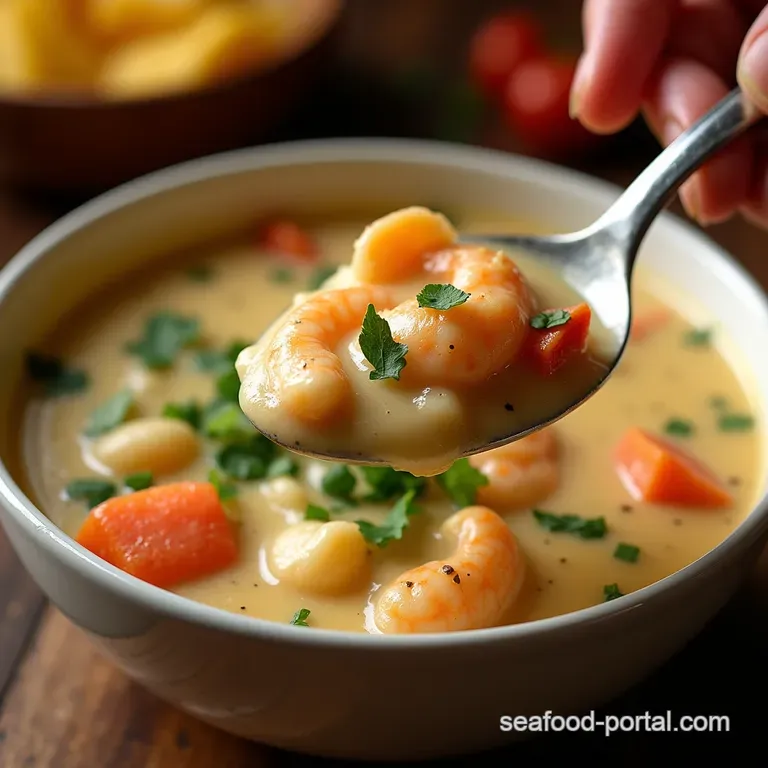
Achieving perfection in this Easy Seafood Chowder Recipe relies on diligent execution of the sequence. The process moves logically from rendering fat to simmering starch, and finally to gently poaching the delicate seafood.
Follow these steps closely, paying attention to temperature control, and you will succeed.
The Art of the Simmer: Techniques for Perfect Texture
Rendering the Bacon and Sautéing the Mirepoix
Begin by gently heating the diced bacon in your Dutch oven over medium heat. Allow the fat to render slowly until the bacon pieces are delightfully crisp. Remove the bacon bits with a slotted spoon, setting them aside for garnish they must retain their crunch! Keep the rendered fat in the pot.
Into this flavourful fat go the diced onion and celery. Sauté them patiently for about 5 to 7 minutes until they are soft and translucent, releasing their sweet perfume.
Building Body: Incorporating the Potato Starch and Stock
Next, sprinkle a quarter cup of all-purpose flour over the cooked vegetables and stir vigorously for one minute; this paste is your roux. If you are using it, now is the moment to pour in half a cup of dry white wine, scraping up any glorious browned bits stuck to the bottom of the pot this is called deglazing and extracts huge flavour.
Once the wine has reduced slightly, slowly whisk in the 4 cups of low-sodium seafood stock until the mixture is entirely smooth. Add your cubed potatoes, one bay leaf, and three sprigs of fresh thyme.
Bring this mixture to a boil, then immediately reduce the heat, cover partially, and simmer for about 15 to 20 minutes until the potatoes yield easily when pierced.
Gently Folding in the Tender Seafood: When to Add What
Once the potatoes are tender, retrieve and discard the bay leaf and thyme sprigs. Stir in the heavy cream and the final 2 tablespoons of butter until fully emulsified. Now, this is critical: reduce the heat to the lowest setting. Gently fold in the 1 pound of cubed white fish. After three minutes, introduce the shrimp.
Continue to simmer very gently do not allow the mixture to boil vigorously once the cream is added for just 3 to 5 more minutes, until the fish flakes easily and the shrimp have turned pink and curled.
The Final Flourish: Seasoning and Achieving Peak Creaminess
The last step before serving is seasoning. Taste the chowder now that all elements are cooked together. Add salt and freshly ground black pepper to your preference. If you find your chowder hasn't thickened quite enough, you can mash a small portion of the cooked potatoes against the side of the pot to release more starch, stirring well to incorporate.
Elevating Your Bowl: Tips, Tricks, and Tasty Twists
Variations: Adapting This Seafood Chowder for Different Tastes
To add an exciting dimension to this already superb Seafood Chowder , consider adding a teaspoon of smoked paprika alongside the flour in Step 3 for an even deeper, lingering smokiness.
If you prefer a less rich profile, substituting half the heavy cream with whole milk will lighten the texture, though it will slightly reduce the luxuriousness expected from this classic preparation.
For those avoiding alcohol, a splash of apple cider vinegar mixed into the stock effectively mimics the acidity of the wine.
The Next Day Phenomenon: Why Chowder Tastes Better Tomorrow
Like many stews and hearty soups, this Seafood Chowder truly blossoms overnight. The flavours meld, marry, and deepen as the components rest together in the refrigerator. If possible, intentionally make this a day ahead, cool it completely, and reheat gently on the stove the following day.
Just be vigilant when reheating to ensure you don’t bring it to a rolling boil once the dairy is reintroduced.
Serving Suggestions: Ideal Accompaniments to Your Hearty Meal
A bowl of this deeply satisfying Seafood Chowder demands sturdy support. Serve it piping hot alongside thick slices of crusty sourdough bread or a rustic baguette, perfect for soaking up every last drop of the creamy broth.
A simple, bright side salad dressed lightly with lemon vinaigrette offers a refreshing counterpoint to the chowder’s richness, balancing the meal beautifully.
Quick Fixes for Too-Thin or Too-Thick Results
Should your chowder end up slightly too liquid after simmering, mash a few more cooked potatoes against the side of the pot and stir them in until the desired thickness is reached.
Conversely, if you’ve over thickened, the solution is simple: gently whisk in extra warm seafood stock or a splash of whole milk, a little at a time, until you achieve that perfect, spoon coating consistency.
Storage Solutions: Keeping Your Chowder Fresh for Later
This rich chowder keeps wonderfully. Store leftovers in airtight containers in the refrigerator for up to three days. The fat content helps preserve the texture, though you may notice a slight thickening upon chilling.
When reheating, always do so slowly over low heat, stirring frequently, being mindful not to let the cream boil. This ensures your leftovers remain as comforting as the first serving.
Recipe FAQs
What’s the secret to making a truly creamy Seafood Chowder that doesn't taste thin?
The real trick lies in building a proper base, often called a roux, by cooking flour in the rendered bacon fat before adding the stock. Furthermore, using good quality, full fat heavy cream near the end, and simmering potatoes which naturally release starch, ensures that velvety texture that really sticks to your ribs.
I’m worried about overcooking the fish; how do I know when the seafood is done?
Seafood cooks very quickly, so it must go in last! The firm fish chunks are done when they turn opaque throughout and begin to flake easily when gently prodded, which usually takes just 3-5 minutes.
Shrimp are ready the moment they curl up into a "C" shape and turn fully pink any longer and they’ll be tougher than old boots!
Can I make this Seafood Chowder ahead of time, or should I only cook it fresh?
You can certainly prepare the base sautéing the veg and simmering the potatoes in stock a day ahead and refrigerate it. However, you should absolutely hold off on adding the heavy cream and all the seafood until just before serving.
Reheating cream based soups can sometimes cause separation, and you don't want rubbery shrimp when you serve it!
My recipe calls for white wine; what if I want to make this Seafood Chowder entirely non-alcoholic?
No problem at all, old bean! If you skip the wine, simply substitute it with an equal amount of your reserved fish stock. To mimic the brightness the wine brings, stir in about a teaspoon of apple cider vinegar or a squeeze of fresh lemon juice when you add the cream it keeps the flavour bright instead of flat.
What’s the best way to store leftovers, and can I freeze this chowder?
Leftovers keep wonderfully in the fridge for up to three days, but you must cool them down quickly. Unfortunately, freezing chowder with dairy and potatoes isn't ideal; the texture often becomes grainy or slightly broken upon thawing.
If you must freeze it, I suggest freezing the base without the cream and seafood, then adding those fresh when you reheat it later.
Creamy Seafood Chowder Recipe