The Sundrenched Kitchen Authentic Spanish Seafood Paella
- The Quest for True Socarrat: Mastering the Iconic Spanish Paella
- Why This Seafood Paella Deserves Your Weekend Attention
- Assembling Your Treasure Trove: Essential Components for Rich Flavor
- The Hardware Required: Choosing the Right Pan for Success
- The Ritual Unfolds: Step-by-Step Guide to Paella Perfection
- Achieving the Coveted Crust: Techniques for the Final Frying Stage
- Beyond the Pan: Serving Suggestions and Traditional Accompaniments
- Troubleshooting and Future Flavour Enhancements
- Recipe FAQs
- 📝 Recipe Card
The Quest for True Socarrat: Mastering the Iconic Spanish Paella
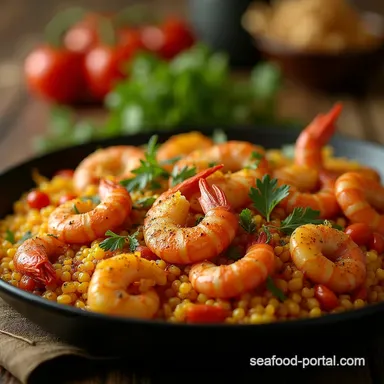
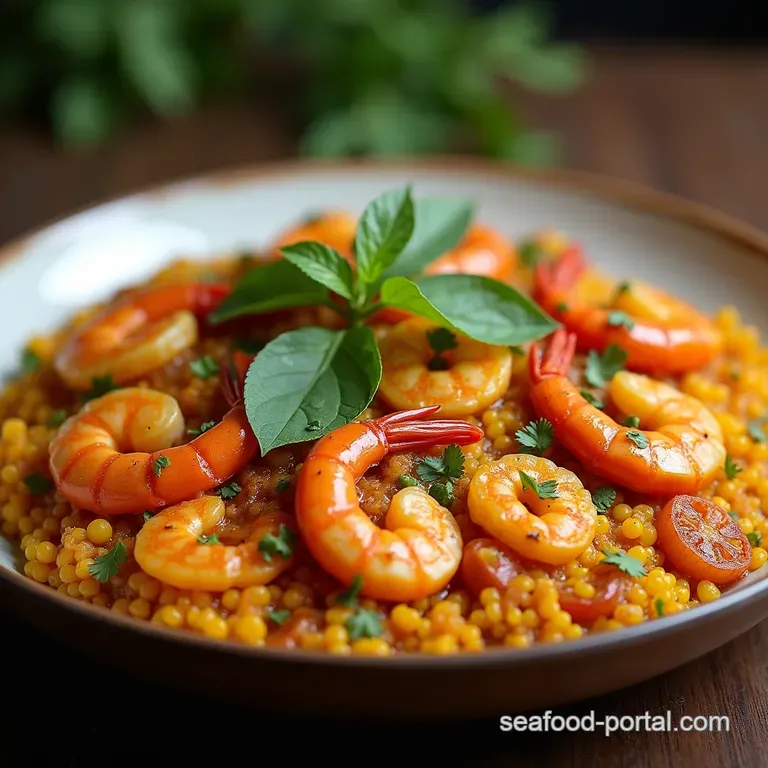
Transport yourself straight to Valencia with this stunning, vibrant Paella. This recipe focuses on building deep, layered flavour, starting with a rich sofrito and perfectly infused stock, culminating in tender seafood nestled amongst saffron tinted, short grain rice.
It’s a dish designed for sharing a true feast that promises a delightful contrast between aromatic broth and that essential, slightly charred socarrat .
Achieving this crispy, caramelized base is the hallmark of an Authentic Spanish Paella Recipe , and it requires patience and respect for the process. While the ingredients are straightforward, Paella demands timing and focus; you cannot rush the stock preparation or stir the rice once the liquid is introduced.
It’s a medium difficulty culinary adventure perfect for a weekend project that rewards you royally.
Why This Seafood Paella Deserves Your Weekend Attention
Cooking a Real Spanish Paella is less about following rigid rules and more about understanding the interplay of heat, evaporation, and texture. This Seafood Paella Recipe Authentic preparation guides you through creating a dish where every grain of Spanish Paella Rice is perfectly cooked, separate, and infused with sun-drenched Mediterranean flavour.
Preparing this meal, which takes about 1 hour and 20 minutes total, is an exercise in meditative cooking, culminating in a stunning presentation straight from the wide, shallow Spanish Paella Pan .
Setting the Stage: An Introduction to Valencia’s Pride
Paella originated as a humble farmers' and field workers' meal in Valencia, cooked outdoors over an open fire, often featuring local ingredients like rabbit, chicken, and beans. While this version leans into the popular How To Make Paella Seafood style common along the coastlines, the core technique remains the same: cooking the rice in a wide, shallow layer so the liquid evaporates evenly, preventing steam from making the rice heavy.
We are aiming for a texture where the rice is tender yet firm— al dente , never mushy.
Defining the Golden Hue: The Role of Saffron
The vibrant, golden colour synonymous with Paella comes exclusively from saffron threads, which are integral to the Spanish Paella Ingredients . Saffron imparts a subtle, earthy floral aroma that cannot be replicated by artificial colouring.
To extract its full potential, we gently steep a generous pinch of threads in about half a cup of hot fish or chicken stock before we begin cooking. This "blooming" process ensures the colour and flavour fully integrate into the final dish, making the rice a visual delight.
Is This a Quick Meal? Addressing the Art of Slow Paella Building
No, this is not a quick weeknight meal. True flavour in a Spanish Paella is built in layers, requiring about 35 minutes of thoughtful preparation before cooking even begins.
The foundation relies on developing a deep sofrito —a slow sauté of aromatics and ensuring your stock is hot and ready. These foundational steps are essential for achieving the depth of flavour expected from an Authentic Spanish Paella Recipe .
Assembling Your Treasure Trove: Essential Components for Rich Flavor
The success of any great Spanish Paella rests on using the right components, from the grain itself to the quality of the broth. For this 6-serving feast, we assemble 2 cups of Bomba rice, 1 pound each of chicken thighs and large shrimp, and about 6 cups of high-quality, low-sodium stock.
The Hardware Required: Choosing the Right Pan for Success
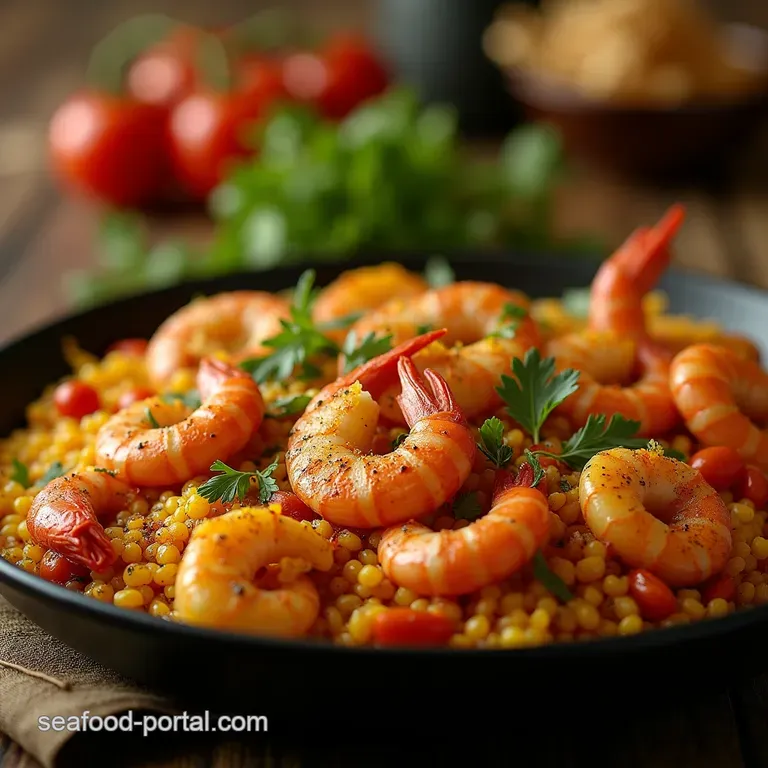
You absolutely need a Spanish Paella Pan (a paellera ), which is wide, shallow, and made of carbon steel. For a 6-person serving, aim for a pan between 15 and 18 inches in diameter.
The wide surface area is crucial because it ensures the rice cooks in a single, thin layer, facilitating even absorption and, most importantly, allowing the bottom layer to crisp up into that magical socarrat . If you lack this specialized equipment, use the widest, shallowest skillet you possess.
Selecting the Ideal Grain: Short Grain Rice That Absorbs Everything
The rice is the star. You must use a short grain Spanish rice like Bomba or Calasparra. These varieties are renowned for their capacity to absorb three times their volume in liquid and flavour without bursting or becoming sticky.
Resist the urge to use long grain rice like Basmati; it lacks the necessary starch structure to create the right texture for this Spanish Paella Rice .
Building the Flavor Foundation: Creating the Ultimate Sofrito Base
The sofrito is the soul of the dish. In the heated olive oil within the paella pan, we slowly soften one large diced onion and one red bell pepper. Once softened, we introduce four cloves of minced garlic, followed quickly by one cup of diced tomatoes and a tablespoon of smoked paprika.
This mixture must be cooked down until it deepens in colour and thickens about five minutes creating a concentrated base layer before the rice is added.
Marine Bounty: Sourcing and Preparing Your Seafood Selection
For this Seafood Paella Recipe Authentic , we use one pound each of large, peeled shrimp (tails on for presentation) and scrubbed mussels or clams. The seafood is introduced later in the process because it cooks quickly.
The shrimp and mussels will steam open atop the rice, infusing the top layer with brine while the bottom layer focuses on the socarrat .
Stock Secrets: Why Homemade Broth Elevates Your Spanish Paella
While store-bought stock can work in a pinch, homemade fish or chicken stock elevates this dish from good to unforgettable. You need about 6 cups of hot stock, kept simmering on a back burner throughout the cooking process.
Crucially, this stock must be low in sodium initially, as we will adjust seasoning later, after the rice has absorbed some of the flavour.
Related Recipes Worth Trying
- Sunny Day Delicious Chicken Paella Taste Spain at Home — Transport yourself This Delicious Chicken Paella Recipe captures Valencias authentic taste with saffroninfused rice tender chicken The perfect simple paella...
- Braised Octopus with Smoky Romesco My SpanishInspired Secret — Tender Braised Octopus with Smoky Romesco a taste of Spain at home Unlock the secrets to a perfect Octopus Recipe Ready to try
- Seafood Paella with The 9 Most Popular Types of Shellfish — Craving Spanish Seafood Paella My version stars the 9 Most Popular Types of shellfish Get the best rice for paella tips inside Its easier than you think
The Ritual Unfolds: step-by-step Guide to Paella Perfection
With all elements prepped, the cooking ritual begins. First, heat 1/2 cup of Spanish olive oil in the pan. If using the chicken component of a mixed Chicken Paella Recipe style, brown the 1 lb of cut chicken thighs until nicely coloured, then remove them and set aside.
Next, build the sofrito as described above. After the sofrito is rich and thick, return the chicken to the pan, add the 2 cups of Bomba rice, and stir constantly for two minutes to toast the grains and coat them completely in the flavour base.
Then, pour in the saffron infused stock, plus the remaining hot stock (approximately 5.5 cups more). Stir only once to evenly distribute the rice across the pan, and add a pinch of salt.
Infusing the Fat: Blooming the Saffron and Toasting the Rice
The saffron is bloomed in hot liquid beforehand, but the toasting phase is where the rice truly begins its flavour absorption journey. Stirring the rice for two minutes ensures the exterior starch seals slightly, helping the grains remain separate while maximizing their ability to soak up the rich sofrito flavour during simmering.
The Slow Marriage: Integrating the Sofrito and Stock Layers
Once the stock is added, bring the liquid rapidly to a boil. Immediately reduce the heat to maintain a steady, gentle simmer. This phase, lasting about 15 minutes, is where the rice begins to absorb the broth without scorching.
Timing is Everything: When and How to Introduce the Seafood
After those initial 15 minutes of gentle simmering, the liquid level should have dropped significantly. This is the moment to gently nestle the raw shrimp and the scrubbed mussels or clams into the top layer of the rice, ensuring they are partially submerged but not buried.
A half cup of frozen peas can be sprinkled over the top now for a final pop of colour.
The Non-Stir Rule: Allowing the Paella to Cook Undisturbed
The most vital rule in making Spanish Paella is the "No-Stir Rule" once the liquid is added. Any stirring releases starch, transforming your dish into a risotto.
The rice must settle and cook evenly through evaporation, which requires leaving it completely undisturbed for the final 10– 12 minutes.
Achieving the Coveted Crust: Techniques for the Final Frying Stage
The final 2 minutes are dedicated to achieving that signature crispy bottom layer the socarrat . Once you judge that almost all visible liquid has evaporated, carefully increase the heat to medium high for a final 90 to 120 seconds.
Listen closely; you should hear a slight crackling or frying sound coming from the bottom of the pan. This sound, rather than a visible burn, signals the Best Paella Recipe Socarrat is forming beneath the rice.
Beyond the Pan: Serving Suggestions and Traditional Accompaniments
When the crackling subsides, remove the Spanish Paella from the heat immediately. The dish must rest, covered tightly with foil or a clean tea towel, for exactly 10 minutes.
This resting period allows the residual steam to finish cooking the rice evenly across the entire pan. Serve the paella immediately, piping hot, directly from the pan at the table, garnished generously with fresh chopped parsley and accompanied by plenty of bright lemon wedges for squeezing over the top.
A side of homemade Alioli provides a fantastic creamy counterpoint to the smoky rice.
Troubleshooting and Future Flavour Enhancements
Even with care, things can go slightly awry. If your rice is still too watery after 25 minutes of cooking, you may need to turn the heat up slightly (if the bottom isn't scorching) or transfer the pan to a 350° F oven for 5 minutes to finish the evaporation.
Resting Before Reveal: The Critical Ten Minutes After Cooking
Do not skip the 10-minute rest. This pause allows the moisture trapped under the rice crust to redistribute, ensuring the grains are tender throughout while setting the socarrat firmly in place. Removing it from the heat stops the bottom from burning while the top finishes steaming.
Storing Leftovers: Preserving the Integrity of Your Flavorful Rice
Leftovers are delicious but should be cooled quickly. Store the paella in shallow, airtight containers, as deep storage can trap moisture and cause mushiness. Reheat gently on the stovetop with a tablespoon of water or stock, stirring very gently only when reheating.
Adaptations: Transforming This into a Chicken or Vegetarian Spanish Paella
This methodology easily adapts. For a pure Chicken Paella Recipe , omit all seafood and use high-quality chicken stock only, perhaps adding Spanish chorizo during the sofrito stage for smokiness.
For a vegetarian version, use rich vegetable stock, increase the quantity of peppers, add mushrooms, and use artichoke hearts or broad beans instead of meat and seafood.
Expert Insights: Common Pitfalls to Avoid When You Make Paella
The primary pitfalls involve stirring the rice once the liquid is added or using the wrong type of rice. Plus,, cooking on too low a heat prevents the evaporation needed for the socarrat , while cooking too high risks burning the bottom before the rice cooks through.
Maintain that consistent, steady simmer until the final high heat flourish for that perfect textural reward.
Recipe FAQs
What's the secret to getting that crispy bottom layer on the Spanish Paella?
Ah, you’re talking about the socarrat—the holy grail of paella making! The key is restraint and a final burst of heat. Once the liquid is nearly absorbed (Step 8), resist stirring and slightly increase the heat for the last minute or two until you hear a gentle crackling sound.
That crunch means you’ve nailed it!
Can I substitute the Bomba rice? I can never find it in my local shop.
It’s a bit of a sticking point, as Bomba rice is brilliant because it absorbs huge amounts of flavour without going sticky. If you absolutely can't get Bomba or Calasparra, Arborio (the risotto rice) is the closest runner-up.
Just be incredibly disciplined about not stirring it, otherwise, you might accidentally make a rice pudding!
I'm making this ahead of time; how should I store leftover Spanish Paella?
Like most rice dishes, paella is best eaten fresh, but leftovers can be stored. Allow it to cool completely, then cover tightly and refrigerate for up to three days. When reheating, use a very low heat on the stovetop, adding a tiny splash of water or stock to introduce moisture, ensuring you don't overcook the seafood!
My recipe calls for seafood, but I prefer a vegetarian version what changes do I need to make?
Not a bother at all; vegetarian paella is super popular! Swap out the chicken and seafood for hearty vegetables like artichoke hearts, robust mushrooms, and green beans, as suggested in the variations.
Crucially, ensure you use a high-quality vegetable stock infused with extra herbs and maybe a touch more smoked paprika to compensate for the depth lost from the meat/fish.
Why is keeping the stock hot so important throughout the cooking process?
Think of it like putting a damp log on a roaring fire versus a cold one; temperature stability is vital here. If you add cold stock, you shock the rice grains, stopping them from cooking evenly and dramatically affecting the final texture. Always keep that stock simmering gently on a back burner!
Authentic Seafood Paella