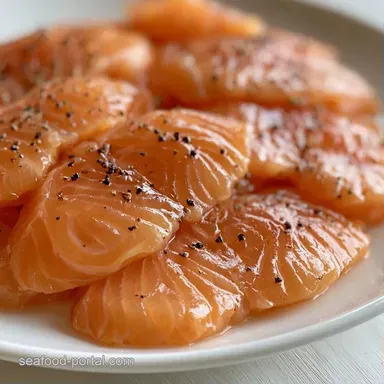
Homemade Cold Smoked Salmon
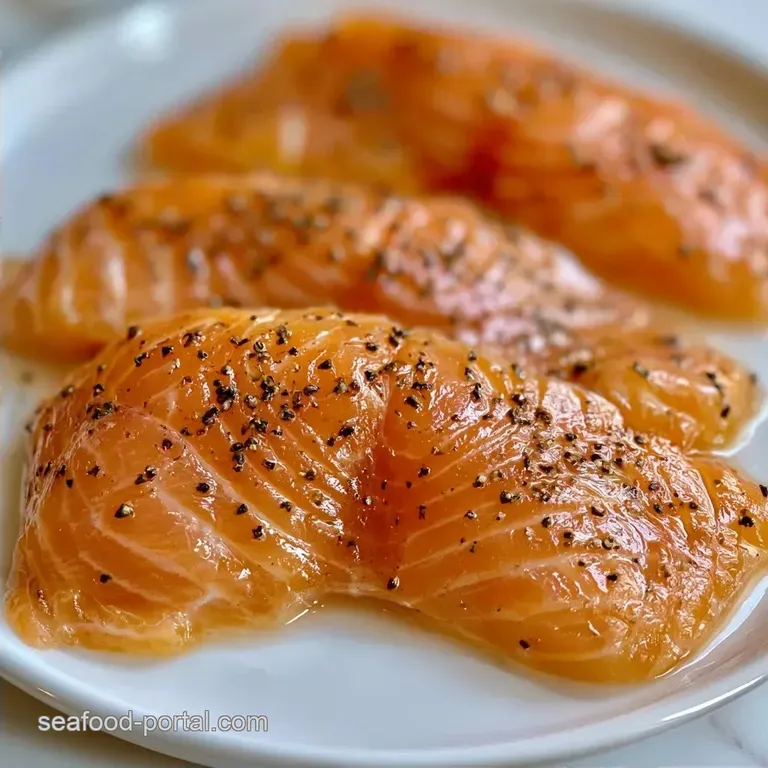
- Time: 20 min active + 3 days 3 hours total (including curing and pellicle drying)
- Flavor/Texture Hook: A salty-sweet balance with a silky interior and a tacky, mahogany finish
- Perfect for: Holiday appetizers, brunch spreads, or high-end meal prep
- Cold Smoked Salmon Recipe Guide
- Recipe Specs
- Why This Process Works
- The Shopping List
- Gear For The Job
- Bringing It Together
- Key Techniques Explained
- Avoiding Kitchen Disasters
- Dispelling Smokehouse Myths
- Preservation Guidelines
- New Flavors To Try
- How to Enjoy It
- Critical Sodium Level
- Recipe FAQs
- 📝 Recipe Card
Cold Smoked Salmon Recipe Guide
The most frustrating part of smoking fish at home is that rubbery, leathery texture. I've seen it happen way too often, usually because the fish was either over salted or the smoke temperature spiked, essentially "cooking" the salmon instead of curing it.
When the fish loses its translucency and turns opaque and tough, you've lost the window for a true cold smoke.
This Cold Smoked Salmon Recipe fixes that by focusing on the pellicle. That's the sticky layer that forms on the surface after the fish dries in the fridge. Without it, the smoke just slides off the fish, and you end up with an uneven color and a flat taste.
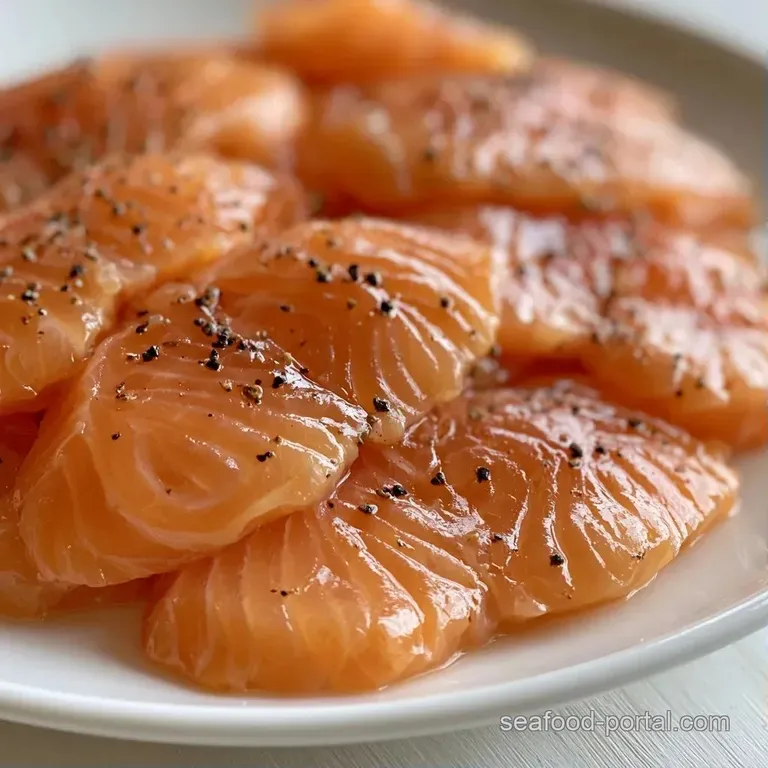
By following a strict temp ceiling and a specific rinsing process, you'll get those paper thin, translucent ribbons that melt on your tongue. It takes a few days, but the contrast between the deep mahogany exterior and the rich, orange center makes the wait worth it.
Recipe Specs
This process is a marathon, not a sprint. You're not looking for a "done" temperature like you would with a steak. Instead, you're looking for a chemical change in the proteins and a specific visual cue on the skin.
The total timeline spans over three days. Most of that is passive time in the refrigerator. The actual "work" is minimal, but the patience is where the quality happens. If you rush the curing or the drying phase, the smoke won't adhere, and the texture will feel "wet" rather than buttery.
The yield is 8 servings, which is plenty for a few different brunch gatherings. Because the salmon is cured, it holds its structure much better during slicing than raw sushi grade fish does.
Why This Process Works
- The Salt Sugar Balance: Salt pulls moisture out to prevent spoilage, while brown sugar keeps the fish from becoming a salt bomb. This creates the dense, concentrated flavor found in professional lox.
- Pellicle Development: Air drying the fish creates a tacky surface. Serious Eats' testing shows this layer is what allows smoke particles to stick, creating that deep color without needing high heat.
- Thermal Ceiling: Keeping the smoker under 80°F ensures the fats don't render. This keeps the salmon raw and translucent rather than turning it into a hot smoked fillet.
| Component | Fresh Method | Shortcut Method | Trade off |
|---|---|---|---|
| Curing | 24-48 hours salt/sugar | Quick brine (2 hours) | Brines are faster but the texture is softer and less concentrated |
| Smoking | 8-12 hours cold smoke | Liquid smoke/Hot smoke | Liquid smoke lacks depth; hot smoke changes the texture to "cooked" |
| Drying | 4-8 hours uncovered | Skip to smoking | Without the pellicle, the smoke doesn't stick, leaving the fish pale |
The Shopping List
Before you start, make sure your salmon is sushi grade. Since we aren't cooking this with high heat, the quality of the raw fish is everything. I prefer center cut fillets because they have a consistent thickness, which means the cure penetrates evenly.
What Each Ingredient Does
| Component | Purpose | Substitute Notes |
|---|---|---|
| Kosher Salt | Draws out water/preserves | Sea salt works, but avoid table salt (too salty) |
| Brown Sugar | Balances salt/adds color | Maple sugar adds a woodsy note |
| Alder Wood | Classic Pacific NW flavor | Maple chips are a great alternative for sweetness |
| Lemon Zest | Cuts through the fat | Orange zest for a citrusy, floral twist |
Full Ingredients List
- 2 lbs center cut, skin on, sushi grade salmon fillet Why this? Consistent thickness ensures even curing
- 1 cup kosher salt Why this? Coarser grains prevent over salting
- 1/2 cup brown sugar Why this? Adds a hint of molasses for color
- 1 tbsp coarsely cracked black peppercorns Why this? Adds a sharp bite to the finish
- 1 tsp lemon zest Why this? Brightens the heavy fats
- 2 cups alder or maple wood chips Why this? Low intensity smoke that doesn't overpower
- 1 cup water Why this? To keep the wood chips steaming
Gear For The Job
A professional smokehouse isn't necessary, provided you can produce smoke without adding heat. For the most consistent results, use a cold smoke generator powered by a small torch or an electric element. If you're using a Pit Boss or Traeger, utilize a cold smoke attachment or the "super smoke" setting.
A non-reactive baking dish is essential; stainless steel or glass are your best options. Avoid using aluminum or copper, as the salt and acid in the lemon zest can react with these materials and give your fish a metallic taste.
Lastly, make sure you have a sharp slicing knife, ideally a flexible filleting knife. You are aiming for ribbons that are nearly transparent, as a dull blade will tear the flesh and ruin the presentation of your Cold Smoked Salmon Recipe.
Bringing It Together
Preparing the Cure
- Stir together the kosher salt, brown sugar, and cracked peppercorns in a small bowl.
- Use paper towels to pat the salmon fillet thoroughly dry. Note: Any moisture left on the skin can cause uneven curing
- Line a non-reactive baking pan with parchment paper, place the salmon skin side down, and spread the salt mixture evenly over the flesh.
- Top with another piece of parchment and weigh it down with a plate in the refrigerator for 24 to 48 hours.
Rinsing and Developing the Pellicle
- Take the salmon out of the refrigerator and rinse the cure away under cold running water.
- Pat the fillet completely dry with a clean towel.
- Place the fish on a cooling rack over a baking tray and refrigerate uncovered for 4 to 8 hours until the surface feels tacky to the touch. Note: This is the pellicle forming
Executing the Cold Smoke
- Set up the cold smoke generator, making sure the temperature stays between 60°F and 80°F (15°C to 26°C).
- Place the salmon on the grates and smoke for 8 to 12 hours until the fish develops a deep, glossy mahogany color.
- Remove the salmon from the smoker and let it rest at room temperature for 30 minutes.
- Using a sharp slicing knife, cut the salmon against the grain into paper thin ribbons.
Key Techniques Explained
The trick to the texture is the "dry" phase. If you go straight from the rinse to the smoker, the fish is too wet. The smoke won't bond with the surface, and you'll get a pale, grayish color instead of that rich gold.
The temperature is the other critical factor. According to USDA FoodData Central, raw fish must be handled carefully to avoid bacterial growth, but in cold smoking, we rely on the salt cure to lower the water activity.
As long as you keep your smoker under 80°F, you aren't cooking the fish, but rather infusing it with flavor.
Chef's Tip: If you're using a pellet grill that runs too hot, place a large pan of ice water on the grate directly under the salmon. This acts as a heat sink and helps keep the ambient temp in the "cold zone."
Avoiding Kitchen Disasters
Fixing Saltiness
If you taste a small piece of the cured salmon and it's like a salt lick, don't panic. Soak the fillet in a mixture of 1 part cold water and 1 part milk for 30 minutes before the drying phase. The milk helps pull out excess surface sodium without stripping the internal flavor.
Preventing Temperature Spikes
If your smoker climbs above 90°F, your salmon will start to cook and turn opaque. If you see this happening, immediately move the fish to a cooler area or increase the airflow. Once the proteins denature from heat, you can't go back to that translucent, texture.
Dealing with Uneven Smoke
If one side of the fish is mahogany and the other is pale, it's usually due to airflow. Flip the fillet every 4 hours during the smoke. Also, ensure the fish isn't touching the walls of the smoker, which can block the smoke from circulating.
Dispelling Smokehouse Myths
Some people think that searing the salmon before smoking "locks in the flavor." That's not true. Searing is for hot smoked salmon; for a Cold Smoked Salmon Recipe, any heat at the start will ruin the texture we're aiming for.
Another common myth is that you need a massive amount of wood chips for a deep flavor. In reality, a steady, thin stream of smoke for 12 hours is far better than a thick cloud for 2 hours. Over smoking can make the fish taste like an ashtray.
Preservation Guidelines
Keep your sliced salmon in an airtight glass container. It will remain good in the refrigerator for 5 days. As a cured product, it lasts longer than raw fish, although the fats may oxidize if left exposed to the air.
I wouldn't recommend freezing cold smoked salmon. Freezing damages the delicate cell structure, which often results in a mushy texture or excess liquid upon thawing. It is better to smoke smaller batches.
Save the salmon skin rather than throwing it away. If you didn't remove it before slicing, simply crisp the skins in a hot pan with a little oil. They turn into salty, smoky crisps that are perfect for snacking.
New Flavors To Try
To tweak the flavor profile, stir in 1 tablespoon of maple syrup. This creates a sweeter, Canadian inspired finish that complements cream cheese perfectly. For a bolder taste, incorporate 1 teaspoon of crushed coriander seeds into the salt mixture.
This fish is fantastic served with a creamy caper sauce for a hit of acidity. If you prefer some heat, a spoonful of spicy Cajun remoulade provides a sharp contrast to the rich, fatty salmon.
- More brightness? → stir 1 tsp lemon zest into the cure.
- Woodier profile? → substitute alder with hickory.
- Less salt? → decrease kosher salt to 3/4 cup and extend the cure time to 48 hours.
How to Enjoy It
The traditional approach is a toasted New York bagel spread with plain cream cheese and topped with salmon ribbons, thin red onion slices, and capers. The heat from the bagel slightly melts the fats in the fish, enhancing its rich flavor.
For something lighter, try serving it on cucumber slices with a small sprig of dill and a dash of fresh lemon. This makes an excellent appetizer for guests as it looks sophisticated but requires no immediate preparation.
A quick tip: use an extremely sharp knife to slice the fish as thin as possible. Thinner slices allow the flavor to bloom more effectively across your taste buds. This Homemade Cold Smoked Salmon Recipe focuses on achieving a perfect balance between salt and smoke.
Critical Sodium Level
4590 mg 4,590 mg of sodium per serving (200% 200% of daily value)
The American Heart Association recommends a limit of 2,300mg of sodium per day for most adults to maintain heart health.
Tips to Reduce Sodium
-
Reduce Kosher Salt-30%
Significantly decrease the volume of kosher salt used in the curing mixture, as it is the sole source of sodium in this recipe.
-
Use Salt Substitutes-25%
Replace a portion of the salt with a potassium based salt substitute to maintain the curing texture with less sodium.
-
Add Citrus Zest-15%
Mix lemon or lime zest into the brown sugar and salt blend to provide a bright, acidic flavor that mimics the 'pop' of salt.
-
Enhance with Fresh Herbs
Garnish the finished salmon with fresh dill, parsley, or chives to add depth of flavor without adding any sodium.
Recipe FAQs
How to prepare cold smoked salmon for the smoker?
Rinse the cure off under cold water and refrigerate uncovered for 4 to 8 hours to form a tacky pellicle.
Tip: ensure the fish is bone dry before drying in the fridge to avoid a slimy surface.
Is it true that cold smoked salmon must be cooked before serving?
Actually, no: the salt cure and cold smoke process preserve the fish without heat.
Tip: serve it chilled to maintain that signature buttery, translucent texture.
Which mistakes most often ruin cold smoked salmon?
Allowing the smoker temperature to exceed 80°F will cook the proteins and create a rubbery texture.
Tip: use a digital thermometer to monitor the grill grates constantly.
How long should the salmon smoke?
Smoke the fillet for 8 to 12 hours until it reaches a deep, glossy mahogany color.
Tip: alder wood chips provide the most traditional flavor profile for this duration.
What is the best way to serve this smoked fish?
Slice it into paper thin ribbons to serve as a high end appetizer.
Tip: pair these ribbons with a dollop of homemade tartar sauce for a bright, acidic contrast.
Cold Smoked Salmon Recipe