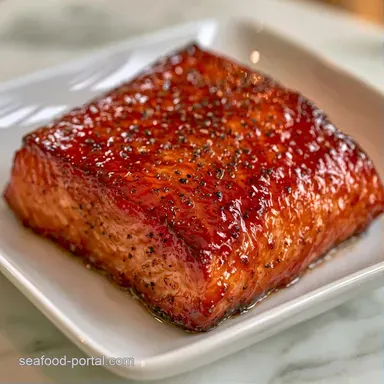
Homemade Smoked Sockeye Salmon
- Time: 15 min active + 5 hours 45 mins curing/resting
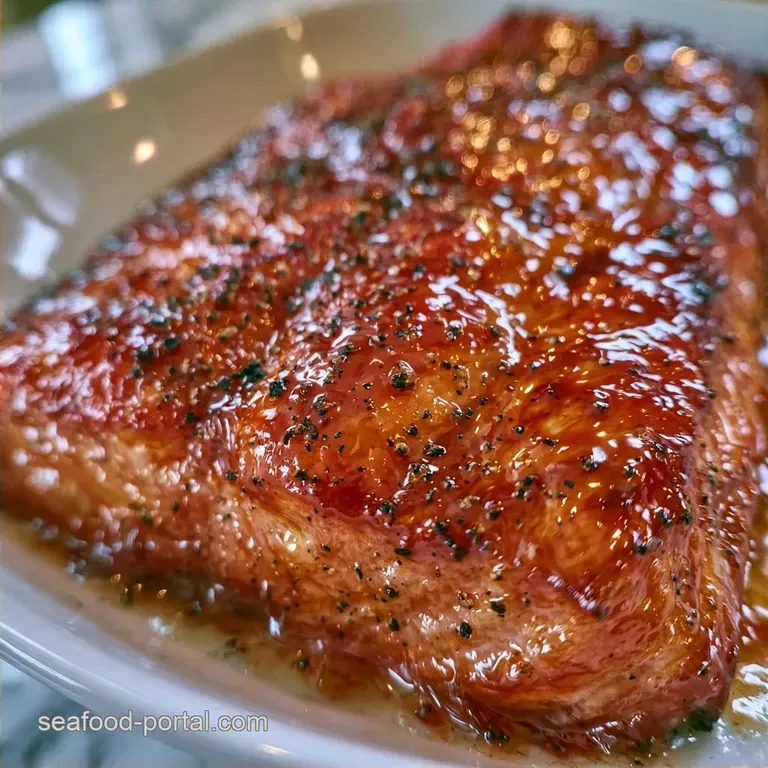
- Flavor/Texture Hook: A dark mahogany finish with a dense, hearty texture
- Perfect for: Hosting guests over the weekend or giving a wild-caught gift
I can still recall the scent of alder wood smoke drifting through the crisp morning air. During my first attempt in the Pacific Northwest, I watched in awe as the fillets shifted from vivid orange to a moody, dark red.
Using wild caught fish feels like an homage to the sea, provided you give the process the attention it deserves.
You don't need expensive gear; you just need patience. The drying stage is often overlooked, yet it's where the real transformation happens. To achieve that signature tacky, professional glaze, you simply cannot rush the clock.
The goal is a perfectly balanced profile. Brown sugar tempers the salt, while maple syrup provides a brilliant sheen reminiscent of a specialty smokehouse. This Sockeye Salmon will undoubtedly be the centerpiece of your next appetizer spread.
Smoked Sockeye Salmon: The Home Method
This recipe focuses on a plan based flow. You can't do this in an hour. You need a full day to let the fish cure and the surface dry. Once that's done, the actual cooking part is fast, but the prep is where the flavor lives.
Since we're using Sockeye, we have to be careful. It's leaner than King salmon, so it can go from "just right" to "dry" in a few minutes. We use a low temperature to keep the fats intact and the texture tender.
Right then, let's look at how to time this. Start your cure on Friday night, let it dry Saturday morning, and smoke it Saturday afternoon. It's a relaxed process that rewards you with a result you can actually be proud of.
Why This Method Actually Works
- The Pellicle: Air drying the fish creates a sticky protein layer. This acts like a magnet for smoke particles, giving you a deep color.
- Cold Curing: Salt and sugar draw out excess water. This concentrates the fish oils and makes the meat firmer.
- Low Temp: Smoking at 225°F prevents the proteins from tightening too fast, which keeps the fish from becoming rubbery.
If you're used to crispy skin pan seared salmon, you'll notice this is a totally different vibe. The focus here is on the infusion of wood and the slow transformation of the flesh.
The Ingredient Breakdown
| Component | Purpose | Substitute Notes |
|---|---|---|
| Coarse Kosher Salt | Draws out moisture | Sea salt works, but avoid table salt (too salty) |
| Dark Brown Sugar | Balances salt, adds color | Light brown sugar works, but has less molasses |
| Maple Syrup | Creates the final glaze | Honey works, though it's a bit sweeter |
| Sockeye Fillets | The lean, rich base | Coho is a good alternative, but less intense |
For the Dry Brine
You'll need 1/4 cup coarse kosher salt and 1/4 cup dark brown sugar, packed. Add 1 tsp cracked black pepper and 1/2 tsp garlic powder. This mix isn't just for taste. It prepares the fish to take on the smoke.
For the Smoke
The only extra here is 2 tbsp maple syrup. I like to brush this on during the last 15 minutes. It gives the Smoked Sockeye Salmon a glossy, professional look.
Tools You'll Need
No professional equipment is required here. A Pit Boss or Traeger is ideal, though any offset smoker or pellet grill works as long as it holds a stable 225°F.
I always rely on a digital meat thermometer. Since Sockeye is so delicate, using a timer is too risky. You need to be certain the internal temperature has reached 135°F.
A wire cooling rack is a must. This ensures the fish gets proper airflow on all sides while drying. If you use a flat plate, the bottom will remain damp, and the smoke won't adhere correctly.
From Brine to Table
Phase 1: The Cure & Chill
- Mix the coarse kosher salt, dark brown sugar, cracked black pepper, and garlic powder in a small bowl.
- Arrange the Sockeye fillets on a baking sheet. Rub the flesh side generously with the cure, pressing it in firmly.
- Wrap the fillets in plastic and refrigerate for 4 to 12 hours. Note: 8 hours is the sweet spot for flavor.
Phase 2: The Pellicle Set
- Remove the fillets from the fridge and rinse them well under cold water to clear away excess salt.
- Carefully dry the fillets using paper towels.
- Place the fillets on a wire rack in the fridge, uncovered, for 2 to 4 hours until the surface feels tacky.
Phase 3: The Low Temp Smoke
- Preheat your smoker to 225°F (107°C).
- Set the fillets directly on the grill grates, skin side down.
- Smoke the salmon until the center hits 135°F (57°C), brushing on maple syrup during the last few minutes.
Chef's Note: If you notice white beads forming on the surface, that's albumin. It's a harmless protein, but keeping the temp low and the cure steady helps minimize it.
Fixing Common Issues
Sockeye is a bit finicky. Because it's so lean, it doesn't have the same buffer as Atlantic salmon. If you overdo it, you'll end up with something that feels like a pencil eraser.
The smoke adhesion is another hurdle. If the fish is still wet when it hits the grill, the smoke just slides off. You want that tacky feel almost like the fish is slightly sticky to the touch.
Stopping Dryness
Overcooking is the main enemy. Pull the fish at 135°F. The temp will climb a few degrees while it rests, landing it right where it needs to be.
Fixing Smoke Adhesion
If the color looks pale, your pellicle didn't set. Next time, leave it uncovered in the fridge longer.
Preventing Grate Sticking
Rub a tiny bit of oil on the grates before adding the fish. This keeps the skin from tearing when you lift the fillet.
| Problem | Fix |
|---|---|
| Fish is too salty | Rinse longer under cold water before drying |
| Surface is gummy | Increase air drying time in the fridge |
| Meat is dry | Pull at 135°F instead of 145°F |
Tweaking Your Batch
To adjust the flavor, replace the maple syrup with a combination of brown sugar and soy sauce. This provides the Smoked Sockeye Salmon with a more savory, Asian style glaze.
For a bit of heat, stir 1/2 tsp of cayenne pepper into the dry brine. It won't dominate the taste of the fish, but it introduces a gentle warmth that balances the richness of the oils.
Experimenting with different woods is another option. While alder is the classic Pacific Northwest selection, cherry or apple wood creates a milder, sweeter smoke that complements the maple syrup perfectly.
Fresh vs. Shortcut
| Method | Prep Time | Flavor Profile |
|---|---|---|
| Home Smoked | 6 hours | Robust, genuine, tailored saltiness |
| store bought | 0 minutes | Frequently too salty or chemically processed |
| Quick Roast | 30 minutes | Missing the mahogany finish and wood complexity |
Quick Decision Guide
- Want more tang? → stir 1 tsp lemon zest into the brine
- Want a darker hue? → substitute white sugar for dark brown
- Need it to set faster? → place a fan before the fish while drying
Keeping Your Salmon Fresh
Place your Smoked Sockeye Salmon in a glass container with a secure lid. It stays fresh in the fridge for 5 days. To prevent the fish from absorbing "fridge smells," avoid wrapping it directly in plastic.
Vacuum seal the fillets for longer term storage. They remain good in the freezer for 3 months. To maintain the proper texture, thaw them gradually in the refrigerator before eating.
Save any remaining brine. Although it shouldn't be reused for fish, a bit of the salt and sugar blend is great for seasoning roasted root vegetables.
Serving Your Finished Fish
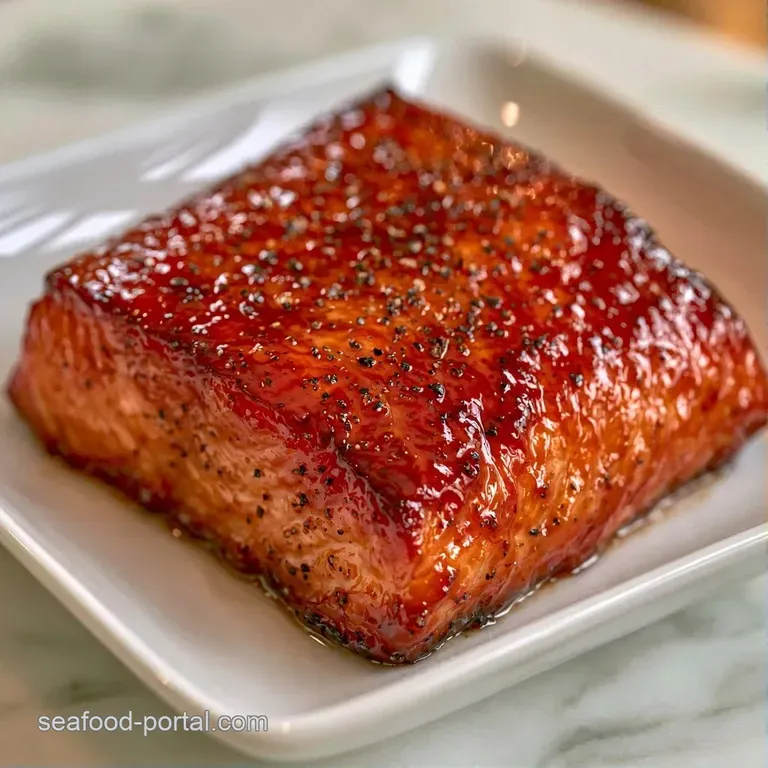
I prefer presenting this on a wood platter alongside thin slices of red onion and cucumber. This traditional presentation highlights the rich, mahogany hue of the fish.
To add some zest, try a creamy dill sauce. The lemon's acidity provides a perfect balance to the smoky flavor.
For an elevated experience, pair it with toasted rye bread spread with salted butter. The hearty, earthy notes of the bread complement the bold nature of wild caught Sockeye.
Now you're fully equipped to prepare Smoked Sockeye Salmon like an expert. Just keep in mind: rely on your thermometer, be patient with the pellicle, and honor the quality of the wild caught fish. Enjoy!
Recipe FAQs
How long should sockeye salmon smoke at 225 degrees?
Smoke it until the internal temperature reaches 135°F. The actual time varies by fillet thickness but usually takes about 45 minutes.
Is sockeye salmon a good choice for smoking?
It is an excellent choice because of its deep color and rich flavor. Since it is leaner than other varieties, just be careful not to overcook it.
Is it true that you must flip salmon while smoking?
That's a myth. Keep the fillets skin side down to protect the meat and maintain the structural integrity of the fish.
How can I tell when the salmon is completely cooked?
Use a meat probe to check the internal temperature, taking the fillet off the heat when it reaches 135°F.
What are the most frequent errors when smoking fish?
Rushing the drying phase is the most common mistake. A tacky surface is required for the smoke to stick properly.
How do I best serve a gift of smoked salmon?
Arrange the slices on a board with capers and lemon wedges. If you loved creating this rich flavor profile, see how we apply similar seasoning logic in our homemade salmon seasoning.
Smoked Sockeye Salmon