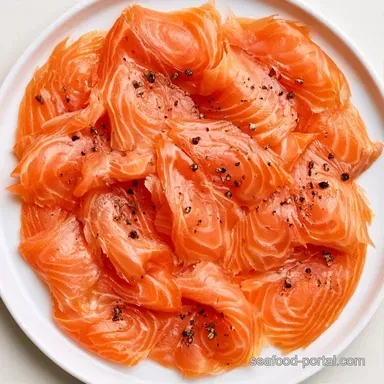
Cold Smoked Salmon Without a Smoker
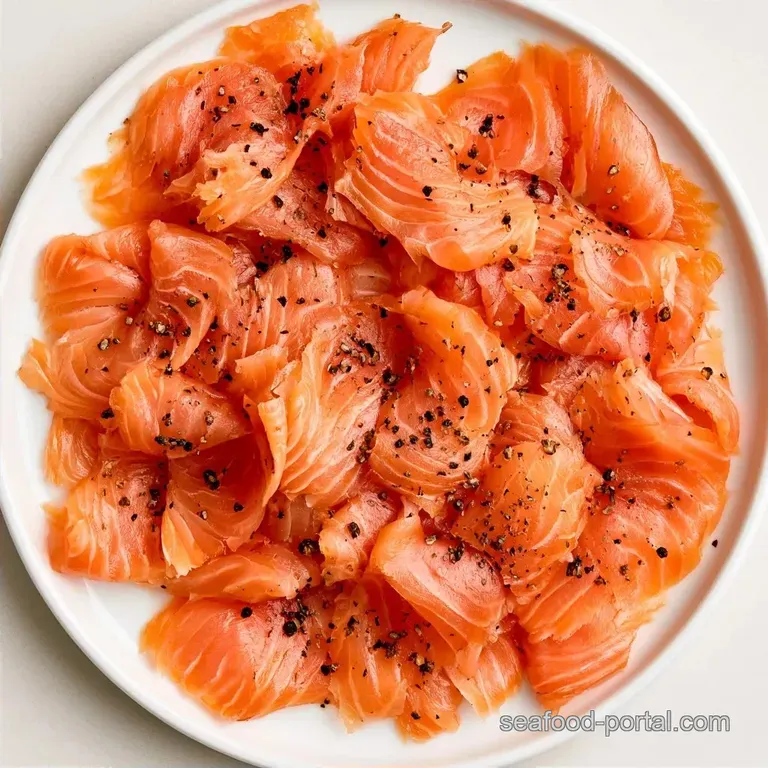
- Time: 15 min active + 48 hours chilling
- Flavor/Texture Hook: Buttery, smoky, and translucent
- Perfect for: Holiday brunch or high end appetizers
Ever wonder why the lox at a fancy deli has that glossy, translucent look that your pan seared fillets just don't have? It's not about the heat. In fact, the whole point of this process is to avoid heat entirely.
I used to think you needed a backyard full of hickory chips and a temperature controlled box to get this result. But you can actually mimic that process in a glass dish in your fridge. It's more of a chemistry project than a cooking task, and the result is a fish that's dense and buttery.
We're making Cold Smoked Salmon by using a dry cure to change the structure of the protein. You'll end up with those thin, mahogany colored slices that taste exactly like the expensive stuff from a specialty shop.
Making Cold Smoked Salmon at Home
Salt and Sugar Balance: These two ingredients pull moisture out of the muscle fibers. This prevents the fish from flaking and gives it that dense, translucent body.
Cold Temperature: Keeping the fish chilled ensures the fats don't break down or cook. This preserves the raw, buttery mouthfeel.
Smoke Infusion: Since we aren't using a smoker, liquid smoke provides the phenols that give the fish its characteristic campfire aroma.
| Feature | Fresh Salmon | Cold Smoked Salmon |
|---|---|---|
| Texture | Flaky and soft | Dense and translucent |
| Flavor | Mild and fatty | Salty, sweet, and smoky |
| Shelf Life | 2-3 days | 1-2 weeks (cured) |
Breaking Down the Ingredients
| Ingredient | Role | If You Don't Have It |
|---|---|---|
| Kosher Salt | Extracts moisture | Sea salt (use slightly less) |
| Brown Sugar | Offsets salt and adds color | Maple syrup (thickened) |
| Liquid Smoke | Provides smoky flavor | Smoked paprika (less authentic) |
| Black Peppercorns | Offers a sharp contrast | White pepper |
For the cure, you'll need: - 2 lb salmon fillet, center cut, skin on Why this? The center cut ensures a consistent thickness for a uniform cure. - 1/2 cup kosher salt Why this? Coarser grains help avoid over salting compared to table salt. - 1/2 cup brown
Sugar Why this? Imparts a rich sweetness and a mahogany hue. - 1 tbsp black peppercorns, coarsely cracked Why this? Balances the oily nature of the fish.
For the smoke finish: - 1 tsp liquid smoke Why this? Perfectly replicates the taste of a cold smokehouse. - 2 tbsp cold water Why this? Dilutes the smoke to ensure a seamless coating.
Tools You Will Need
Basic kitchen equipment is all you need. I recommend a glass baking dish, as plastic can retain smells or react with the salt. You'll also need a steady supply of paper towels; drying the fish thoroughly after rinsing is a crucial step that is often overlooked.
Use a small whisk or a fork for the dry cure. For the finishing touch, a silicone brush helps you apply the smoke mixture into every crease of the fillet. Finally, high-quality plastic wrap or a vacuum sealer bag is essential to keep the cure pressed firmly against the fish.
Putting the Salmon Together
Phase 1: The Dry Cure
- Combine the kosher salt, brown sugar, and cracked peppercorns in a small mixing bowl.
- Set the salmon fillet in a glass dish and press the salt sugar blend firmly into the flesh.
- Wrap the fillet tightly in plastic wrap and refrigerate for 24 to 48 hours. Turn the fish every 12 hours to ensure the brine penetrates evenly.
- Take the salmon out of the cure and rinse it under cold running water until all salt grains are washed away.
- Use paper towels to pat the fish completely dry; it should feel tacky, not wet.
Phase 2: The Smoke Infusion
- Stir the liquid smoke and cold water together in a small cup.
- Lightly brush the mixture over the entire surface of the cured salmon.
- Wrap the fish loosely using parchment paper.
- Chill in the refrigerator for 2 to 4 hours to allow the smoky essence to penetrate the meat.
Phase 3: Finishing
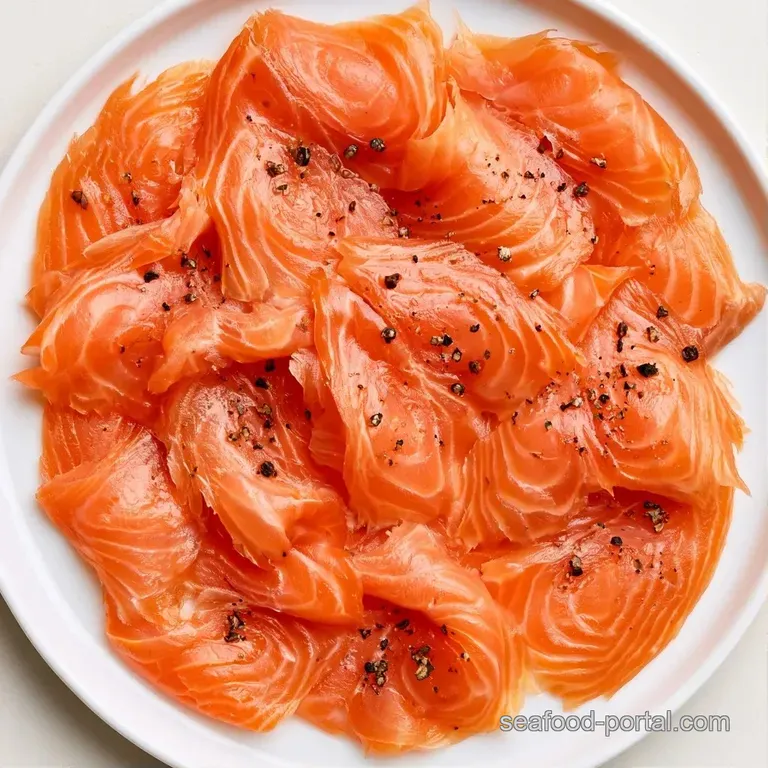
- Unwrap the fish and use a very sharp knife to slice the salmon against the grain into thin, translucent ribbons.
Pro Tip: For a more intense smoky flavor, let the fish rest in the infusion for 6 hours instead of 2.
Fixing Salt and Texture
The most common issue is the salt level. If the fish tastes like a salt lick, it usually means the rinse wasn't thorough enough or the cure sat too long. Serious Eats' testing on salt ratios suggests that a 1:1 salt to sugar ratio is the sweet spot for home curing, but your rinse time is what actually controls the final taste.
Another problem is a mushy texture. This happens if the fish wasn't patted dry before the smoke infusion. Moisture on the surface prevents the smoke from adhering and can make the exterior feel slimy.
Handling Too Much Salt
If the slices are too salty, serve them with something creamy and unsalted, like a thick spread of cream cheese. This neutralizes the salt on the tongue.
Fixing Mushy Texture
Always use a fresh paper towel for the final dry. If it's already mushy, let the sliced fish sit uncovered in the fridge for an hour to air dry slightly.
Managing Smoke Flavor
Liquid smoke is potent. If the flavor is too aggressive, you can lightly wipe the fillet with a damp cloth before slicing.
| Problem | Fix |
|---|---|
| Too salty | Rinse longer or pair with cream cheese |
| Slimy surface | Pat dry more thoroughly before smoking |
| Uneven cure | Flip the fish every 12 hours |
Flavor Twists and Swaps
Customizing the flavor of your Cold Smoked Salmon is simple. To create a more forest inspired profile, incorporate a teaspoon of crushed juniper berries into the dry cure. If you prefer a sweeter, Canadian style lox, substitute the brown sugar with maple sugar.
To add some spice, mix in a pinch of smoked paprika or cayenne pepper. I recommend adding a bit of lemon zest during the final resting period to introduce a brightness that cuts through the fat.
If serving this on a bagel, a dollop of creamy caper sauce adds a refreshing tang. For a punchier option, try dipping slices in a spicy cajun remoulade to create a fusion style appetizer.
| Goal | Change | Impact |
|---|---|---|
| Milder salt | Rinse 2 mins longer | Less aggressive bite |
| Deeper smoke | Rest 6 hours | More intense aroma |
| Firmer texture | Cure full 48 hours | Denser, lox like bite |
Storage and Zero Waste
Keep your sliced Cold Smoked Salmon in a glass container with a tight lid. It stays fresh in the fridge for about 7 to 10 days. The salt and sugar act as preservatives, which is why it lasts longer than fresh fish.
I don't recommend freezing it once it's cured. The freezing process breaks down the cell walls, and when it thaws, you'll lose that silky texture we worked so hard to get. If you have too much, share it with a neighbor.
Don't toss the skin. Since it's already seasoned from the cure, you can scrape off the excess salt, brush it with a little oil, and sear it in a hot pan for 2 minutes. You get a salty, smoky salmon skin crisp that's a great snack while you're prepping the rest of your meal.
Serving Your Homemade Lox
Traditionally, this is served on a toasted everything bagel with a generous layer of cream cheese, sliced red onions, and capers. The tartness of the capers and onions cuts through the richness produced by the Smoked Salmon Without Smoker method.
For a lighter, low-carb alternative, try wrapping the slices around asparagus tips or cucumber spears it makes a wonderful party platter. I also enjoy Salmon Without Smoker served on sourdough crispbread with a swipe of avocado.
When it comes to slicing, use your sharpest knife. A dull blade will tear the flesh rather than cutting it, which destroys the beautiful translucent look. Aim for slices that are almost transparent.
Now you have a gourmet style appetizer without needing expensive equipment. Just remember that patience is the key; let the brine do its work, and your Cold Smoked Salmon will be the centerpiece of the meal.
Recipe FAQs
How to make cold smoked salmon?
Whisk kosher salt, brown sugar, and cracked peppercorns together. Cover the salmon fillet with this mixture, wrap it tightly, and refrigerate for 24 to 48 hours, flipping every 12 hours.
What is the best way to eat smoked sockeye salmon?
Slice it very thinly and serve raw. It pairs exceptionally well with capers or a homemade tartar sauce for a bright, acidic contrast.
Which steps are required to finish the curing process?
Rinse the cured fillet under cold water to remove all salt grains. Pat it completely dry, brush with a mixture of liquid smoke and water, and let it rest in the fridge for 2 to 4 hours.
Do I need to cook smoked salmon before eating it?
No, cold smoked salmon is designed to be eaten cured. The salt and sugar process preserves the fish, making it safe and silky without any heat.
Is it true that I can freeze cold smoked salmon without losing quality?
Surprisingly, no. Freezing breaks down the cell walls, which destroys the silky texture once the fish thaws.
What are the best ways to utilize a gift of smoked salmon?
Layer thin slices onto a bagel with cream cheese. You can also flake it into pasta or salads for an instant salty, smoky punch.
Why does my homemade smoked salmon taste too salty?
Rinse the fillet more thoroughly under cold running water. If the salt remains on the surface, it overpowers the delicate flavor of the fish.
Should I discard the skin after curing?
No, keep the skin for searing. Scrape off excess salt, brush with oil, and fry it until crisp for a savory snack.
Homemade Cold Smoked Salmon