Chirashi Sushi Bowl
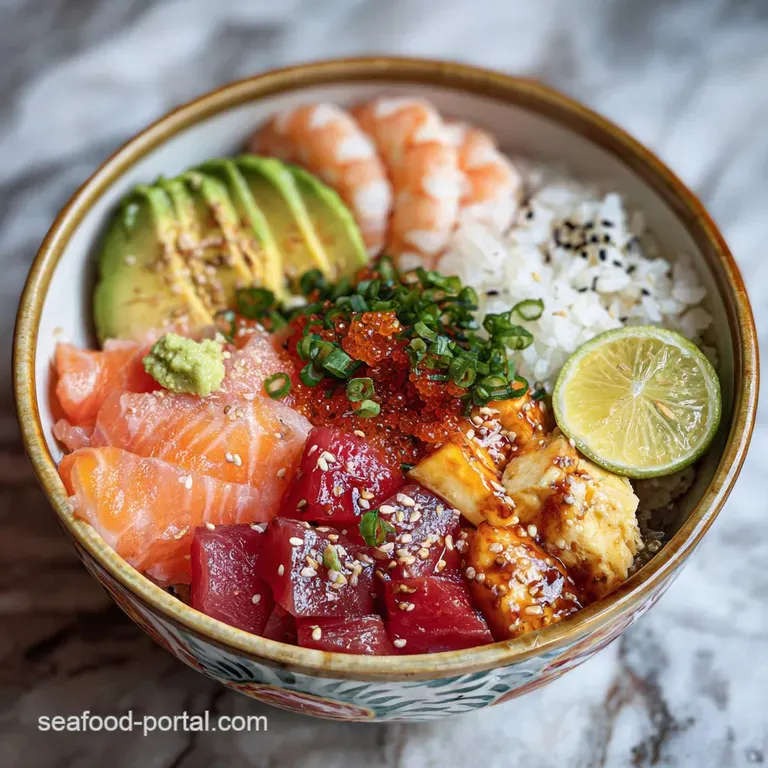
- Time: Active 30 minutes, Passive 20 minutes, Total 50 minutes
- Flavor/Texture Hook: A buttery, tangy, and crunchy symphony
- Perfect for: Impressing dinner guests or a fancy weekend lunch
- Create a Vibrant Chirashi Sushi Bowl at Home
- The Science Behind Flawless Results
- Vital Specs for Your Dish
- The Alchemy of Fresh Elements
- Kitchen Tools for Precision Cooking
- Mastering the Traditional Layering Process
- Solving Common Texture and Taste Errors
- Creative Swaps for Diverse Palates
- Myths About Sashimi Preparation
- Storage Methods and Waste Prevention
- Serving Ideas for Elegant Presentation
- High in Sodium
- Recipe FAQs
- 📝 Recipe Card
Create a Vibrant Chirashi Sushi Bowl at Home
If you've ever felt the sheer panic of a sushi roll falling apart in your hands, you’re not alone. I spent years trying to get that seaweed to rice ratio exactly right, only to end up with a sticky mess. Then I discovered the "scattered" style.
It’s basically everything we love about sushi but presented with an effortless, artistic flair that doesn't require a bamboo mat or a degree in engineering.
The beauty of this dish lies in its simplicity and the quality of the ingredients. You aren't hiding the fish inside a roll; you’re letting it sit proudly on a bed of seasoned rice. It’s a bright, colorful feast that feels incredibly special but comes together in under an hour.
Honestly, once you try this, you might never go back to the stress of rolling again.
We’re going to focus on the layers of flavor here. From the zing of the rice vinegar to the rich, fatty notes of the salmon, every component has a job to do. I’ve made plenty of mistakes along the way, like using the wrong rice or slicing the fish while it was too warm, but I’ve learned the tricks that actually work in a home kitchen.
Let's get into how to make this work for you.
The Science Behind Flawless Results
Starch Gelatinization: Rinsing the rice removes excess surface amylose, ensuring the grains stay distinct and velvety rather than turning into a gummy paste.
Protein Denaturation: Adding salt to the egg mixture breaks down the protein strands, resulting in a flexible, tender omelet that won't tear when sliced into thin ribbons.
Acidic Preservation: The rice vinegar lowers the pH of the rice, which not only provides that iconic tang but also prevents the starch from hardening too quickly as it cools.
| Fish Thickness | Internal Temp | Rest Time | Visual Cue |
|---|---|---|---|
| 1.5 cm slices | 3°C to 5°C | 0 minutes | Translucent, vibrant color |
| 2 cm cubes | 3°C to 5°C | 0 minutes | Firm but gives under pressure |
| 0.5 cm strips | 3°C to 5°C | 0 minutes | Glistening, smooth edges |
While we often focus on the heat in cooking, chirashi is a study in temperature management. Keeping your seafood chilled right up until the moment of assembly is vital for food safety and that refreshing mouthfeel.
If the fish reaches room temperature, it loses that clean, oceanic snap that makes high-quality sashimi so addictive.
Vital Specs for Your Dish
To get that restaurant style finish, we need to respect the ratios. Using exactly 2.25 cups (530ml) of water for 2 cups (400g) of rice ensures the grains are hydrated but firm enough to hold their shape when tossed with the vinegar mixture. This isn't just a suggestion; it's the foundation of the entire bowl.
| Ingredient | Science Role | Pro Secret |
|---|---|---|
| Short grain Rice | Starch Structure | Wash until water is completely clear to prevent clumping. |
| Rice Vinegar | Flavor/Preservation | Fold into hot rice to allow the steam to carry the aroma into every grain. |
| Granulated Sugar | Texture Softener | Keeps the rice grains from becoming brittle as they cool to room temperature. |
Getting the rice right is the biggest hurdle for most home cooks. If you've struggled before, it's usually because of the cooling process. We want to cool the rice quickly while folding in the seasoning to lock in that glossy sheen. I highly recommend checking out this Sushi Rice Recipe if you want a deep dive into mastering the base.
The Alchemy of Fresh Elements
You’ll want to hunt down the freshest seafood possible. Look for "sushi grade" or "sashimi grade" labels at your local fishmonger. This isn't the place for grocery store fillets meant for the grill.
- 2 cups (400g) Short grain Japanese sushi rice: Why this? The high starch content provides the necessary "stick" without being mushy.
- Substitute: Medium grain Calrose rice works in a pinch.
- 2.25 cups (530ml) Filtered water: Why this? Clean water ensures no chlorine taste interferes with the delicate rice flavor.
- 1/4 cup Rice vinegar: Why this? It has a milder, sweeter profile than white or apple cider vinegar.
- Substitute: Seasoned sushi vinegar (but skip adding the extra sugar/salt).
- 1/2 lb (225g) Sushi grade salmon: Why this? Provides a rich, buttery fat content that balances the vinegared rice.
- 1/2 lb (225g) Sushi grade tuna or Hamachi: Why this? Offers a lean, clean protein contrast to the fatty salmon.
- 2 Large eggs: Why this? These become the "Kinshi Tamago" or golden egg shreds that add color.
- 1/2 English cucumber, thinly sliced: Why this? Adds the essential refreshing crunch to break up the soft textures.
- 2 tbsp Ikura (Salmon roe): Why this? These "sea grapes" provide salty pops of umami that season the bowl.
Kitchen Tools for Precision Cooking
You don't need a professional sushi bar, but a few specific items make the process much smoother. A heavy bottomed pot or a dedicated rice cooker is non negotiable for even heat distribution. If the bottom of your rice burns, the smoky flavor will permeate the entire batch, which is a total heartbreak.
A "hangiri" (traditional wooden tub) is great for cooling rice because it absorbs excess moisture, but a large glass or ceramic bowl works perfectly fine too. Just stay away from metal bowls when mixing the vinegar, as the acid can react and give the rice a metallic tang.
You'll also need a very sharp non serrated knife. If your knife is dull, you’ll end up bruising the delicate fish fibers instead of slicing through them like butter.
Chef Tip: Place your fish in the freezer for 10 to 15 minutes before slicing. This firms up the fats just enough to get those clean, professional edges without the fish sliding around under your knife.
Mastering the Traditional Layering Process
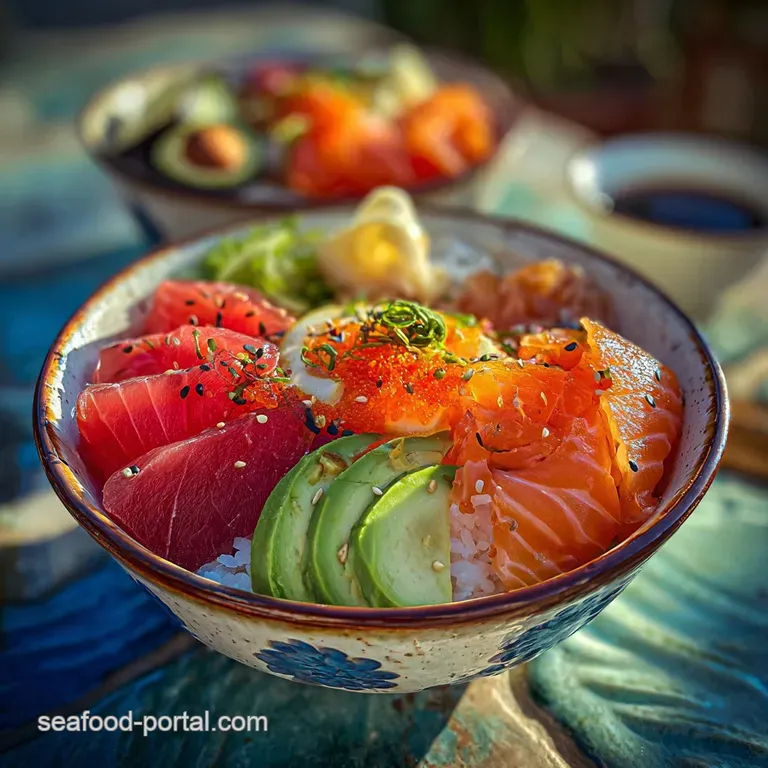
Rinsing and Steaming the Rice
Place 2 cups (400g) of rice in a bowl and cover with cold water. Swirl with your hands, drain, and repeat 5 to 6 times until the water runs crystal clear. Add the rice and 2.25 cups (530ml) of water to your pot. Bring to a boil, then reduce to the lowest heat and simmer for 15 minutes.
Note: Don't peek! Lifting the lid lets the essential steam escape.
Seasoning and Cooling the Grains
While the rice cooks, whisk together 1/4 cup rice vinegar, 2 tbsp sugar, and 1 tsp sea salt until dissolved. Transfer the hot rice to a wide bowl. Drizzle the mixture over the rice while using a "cutting" motion with a spatula to incorporate it until every grain is glistening.
Crafting the Kinshi Tamago
Whisk 2 eggs with a pinch of salt. Lightly oil a non stick pan over medium low heat. Pour in a thin layer of egg, swirling to coat. Cook for 1 minute until the edges start to curl and the top is set. Remove, let cool, stack them, and slice into paper thin ribbons.
Slicing the Sashimi
Take your 1/2 lb salmon and 1/2 lb tuna. Slice against the grain into 0.5 cm thick pieces. Aim for uniform rectangles. Note: Slicing against the grain ensures the fish melts in your mouth rather than being chewy.
Preparing the Toppings
Thinly slice 1/2 English cucumber and 4 to 5 radishes. Peel and slice 1/2 avocado just before serving. Cut 1 sheet of nori into thin slivers using kitchen shears.
Whisking the Chirashi Sauce Recipe
In a small bowl, combine 3 tbsp soy sauce, 1 tsp mirin, 1/2 tsp toasted sesame oil, and 1 tsp wasabi. Whisk until the wasabi is fully dissolved and the sauce is smooth.
Assembling the Final Bowl
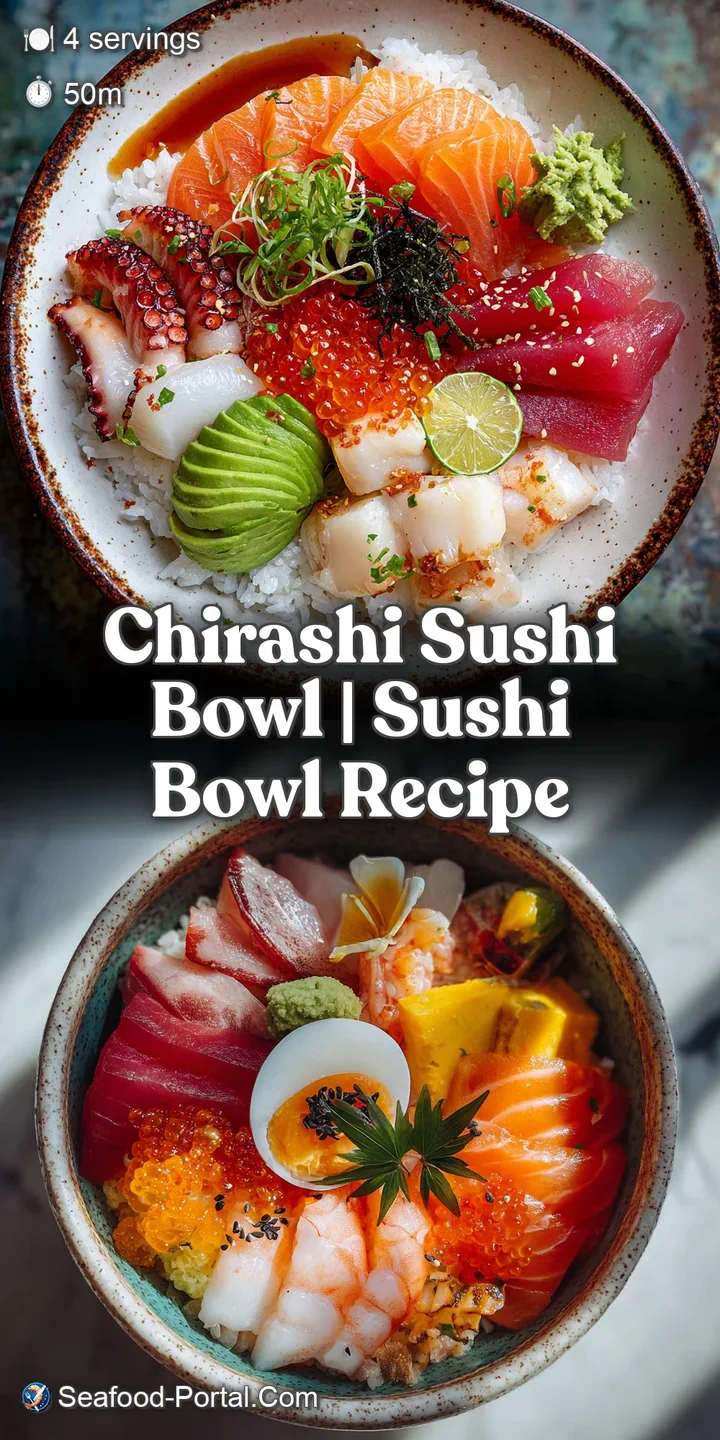
Divide the seasoned rice into 4 bowls. Lay the egg ribbons (Kinshi Tamago) over the rice. Arrange the salmon, tuna, shrimp, and octopus in a circular pattern, then tuck in the cucumber, radish, and avocado slices.
The Final Flourish
Garnish with 2 tbsp Ikura, 2 tbsp pickled ginger, and a sprinkle of 1 tsp toasted sesame seeds. Top with the shredded nori and serve with the prepared sauce on the side.
Solving Common Texture and Taste Errors
Fixing Gummy Rice Texture
If your rice feels like a paste, you likely skipped the rinsing step or added too much water. Starch builds up on the surface of the grains, and without a thorough wash, it creates a glue like bond.
You can try to save it by spreading it very thin on a baking sheet and fanning it vigorously, but usually, it's better to repurpose gummy rice for rice pudding and start over for sushi.
Eliminating Strong Seafood Aromas
high-quality fish should smell like the ocean, not "fishy." If your tuna has a strong scent, it’s likely due to surface moisture and oxidation. Pat the fish dry with a paper towel immediately after taking it out of the fridge. For another fun way to use fresh seafood, you might love this Sushi Cake Recipe, which uses similar ingredients in a stunning layered format.
Softening Overly Sharp Vinegar Tones
Sometimes the rice vinegar can be a bit overwhelming, especially if it didn't have enough sugar to balance it. If your rice tastes too sour, you can fold in a tiny bit more sugar dissolved in a teaspoon of warm water. Be careful not to over mix, or you'll crush the grains.
| Problem | Root Cause | Solution |
|---|---|---|
| Rice is hard/dry | Under hydrated or lid lifted | Add 1 tbsp hot water and steam for 5 more mins. |
| Egg strips tear | Pan too hot or egg too thick | Use lower heat and tilt pan for a thinner layer. |
| Fish looks dull | Oxidation from air exposure | Slice right before serving and keep covered. |
Common Mistakes Checklist:
- ✓ Wash your rice at least 5 times (the water must be clear).
- ✓ Never use a metal bowl for mixing vinegared rice.
- ✓ Pat the seafood bone dry before slicing.
- ✓ Use a "cutting" motion with the spatula, never "mashing."
- ✓ Let the rice cool to room temperature; never serve sashimi on hot rice.
Creative Swaps for Diverse Palates
Going Fully Cooked
If you aren't a fan of raw fish, you can still enjoy this Chirashi Bowl with recipe by swapping the sashimi for grilled unagi (eel), poached shrimp, or even smoked salmon. The smoky saltiness of the lox pairs beautifully with the sweet rice.
Creating a Vegan Masterpiece
For a plant based version, replace the fish with marinated beets, pan seared king oyster mushrooms, or blanched asparagus. Use firm tofu that has been marinated in soy sauce and ginger for a boost of protein.
Scaling for a Party
- Scaling UP (2x-4x): Increase the rice and water linearly, but only increase the vinegar seasoning by 1.5x at first. You can always add more, but you can't take it away. Work in batches when making the egg ribbons.
- Scaling DOWN (1/2): Use a smaller pot for the rice to ensure the water doesn't evaporate too quickly. Use 1 large egg and half of all seafood quantities.
| Servings | Rice (cups) | Water (cups) | Fish (Total lb) |
|---|---|---|---|
| 2 People | 1 cup | 1.15 cups | 0.5 lb |
| 4 People | 2 cups | 2.25 cups | 1.0 lb |
| 8 People | 4 cups | 4.5 cups | 2.0 lb |
If you're making this for a crowd, the assembly is actually the fun part. You can lay all the ingredients out on a large platter and let everyone build their own bowl. It’s a great way to handle different dietary preferences without making multiple separate dishes.
Myths About Sashimi Preparation
"You must wash fish before slicing." This is actually a big no no. Washing fish under tap water can introduce bacteria and ruin the texture. Instead, use a clean paper towel to pat it dry. The goal is to remove surface moisture, which is where those "fishy" odors live.
"Sushi rice should be served cold." Cold rice becomes hard and chalky. The best temperature for a Chirashi Sushi Bowl is actually body temperature or slightly cool room temperature. This keeps the rice soft and highlights the contrast with the chilled fish.
"More vinegar is always better." It’s easy to over season. The vinegar should enhance the rice, not overwhelm it. If you can smell nothing but vinegar, you’ve gone too far. Balance is the heart of Japanese cuisine.
Storage Methods and Waste Prevention
Storage: This dish is best enjoyed immediately. However, if you have leftovers, store the components separately. The fish will stay fresh in the fridge for 24 hours (covered tightly).
The rice can be kept at room temperature for up to 4 hours, but once refrigerated, it will harden. If you must refrigerate the rice, cover it with a damp paper towel to help retain moisture.
Zero Waste: Don't throw away those cucumber ends or radish scraps. Chop them finely and mix with any leftover ginger and a splash of soy sauce for a quick "sunomono" salad the next day. If you have leftover rice that has gone hard, it's the absolute best base for fried rice. Just break it up in a hot pan with some sesame oil and any leftover shrimp or egg. If you have extra nori, try these Rakkyo Vinegar InsideOut recipe for a fun twist on rolls.
Serving Ideas for Elegant Presentation
Presentation is half the meal when it comes to a Chirashi Sushi Bowl. Use a wide, shallow bowl so you have a large canvas to work with. Start with a flat layer of rice, then sprinkle the egg ribbons evenly. This creates a golden "carpet" for your seafood to rest on.
Group your ingredients by color. Place the bright orange salmon next to the green cucumber, and the deep red tuna next to the white radish. This color blocking makes the bowl look intentional and professional.
Finally, don't just dump the Ikura in the middle; dot it around the bowl like little jewels to catch the light.
If you want to go the extra mile, serve this with a warm bowl of miso soup and some green tea. The warmth of the soup provides a lovely contrast to the chilled seafood, making the whole experience feel like a complete, balanced meal.
Trust me, once you set this down on the table, no one will believe it took you less than an hour to make.
High in Sodium
1125 mg mg of sodium per serving (49% % of daily value)
The American Heart Association recommends limiting sodium intake to about 2,300mg per day.
Tips to Reduce Sodium in Your Sushi Bake
-
Lower Sodium Soy Sauce-20%
Opt for a low-sodium soy sauce alternative. This simple swap can significantly reduce the sodium content of your dish.
-
Reduce Sea Salt-25%
Decrease the amount of sea salt added to the rice. Try using just 1/2 teaspoon or less, tasting and adjusting as needed.
-
Limit Pickled Ginger-15%
Pickled ginger (Gari) can be high in sodium. Use it sparingly or consider making your own low-sodium version.
-
Fresh Herbs & Spices
Enhance the flavor with fresh herbs and spices! Consider adding ingredients like fresh ginger, garlic, or chili flakes to boost the taste without adding sodium.
-
Control Wasabi Amount-5%
Use wasabi sparingly. While it doesn't contain a lot of sodium it may lead to needing more soy sauce which is higher in sodium.
-
Reduce Mirin-5%
Mirin contains a decent amount of sodium. Instead of the 1tsp. try only using 1/2tsp
Recipe FAQs
What is Chirashi Sushi?
A scattered sushi dish. Chirashi sushi features a bed of vinegared sushi rice topped with an artful arrangement of various sashimi, vegetables, and garnishes.
What kind of rice should I use for Chirashi?
Short grain Japanese sushi rice. Its high starch content creates the ideal sticky texture that holds together without becoming gummy. If you've struggled with rice texture before, mastering this base is key, similar to our My GoTo Sushi Rice Seasoning Perfect Every Time.
Can I use cooked seafood in my Chirashi bowl?
Yes, cooked seafood is a great option. While traditionally made with raw sashimi, you can substitute with grilled unagi, poached shrimp, or even smoked salmon for a delicious cooked variation. For a fully cooked experience, try our Easy California Roll Sushi Bowls Recipe No Rolling Required.
How do I prevent my seafood from tasting "fishy"?
Pat seafood thoroughly dry. Surface moisture and oxidation are the main culprits behind "fishy" odors. Use a clean paper towel to gently dry the fish immediately after taking it from refrigeration.
What is the ideal temperature for serving Chirashi?
Slightly cool room temperature for the rice, chilled for the seafood. The rice should not be hot, as it can "cook" the fish and affect its texture. Keep your sashimi chilled until just before assembly for the best taste and food safety.
Can I make components of Chirashi ahead of time?
Yes, the sushi rice can be prepared in advance. Seasoned rice can be kept at room temperature for up to 4 hours. Other components like chopping vegetables or making the sauce can also be done ahead, but assemble just before serving for optimal freshness.
How can I store leftover Chirashi?
Store components separately for best results. The raw fish will keep for about 24 hours tightly covered in the refrigerator. Cooked components and vegetables can be stored similarly, but the vinegared rice is best consumed fresh or within 4 hours at room temperature.
Chirashi Sushi Bowl
Ingredients:
Instructions:
Nutrition Facts:
| Calories | 722 calories |
|---|---|
| Protein | 44g |
| Fat | 18g |
| Carbs | 94g |
| Fiber | 3g |
| Sugar | 9g |
| Sodium | 1125mg |
