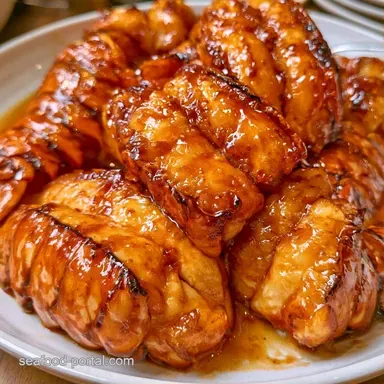
Cantonese Lobster Tail with Oyster Sauce
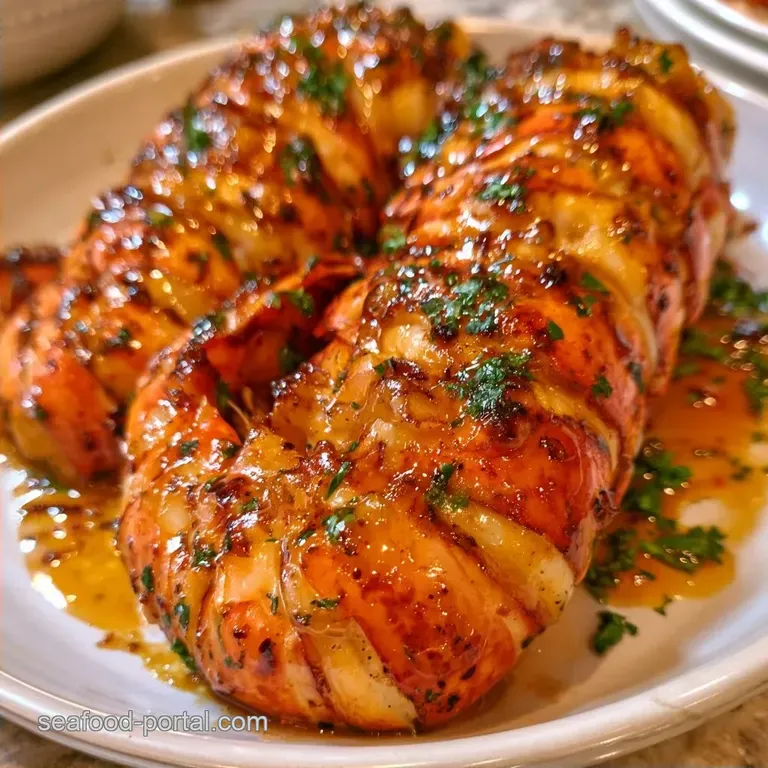
- Time: 15 min active + 15 min cook
- Flavor/Texture Hook: Savory, glossy ginger and scallion notes
- Perfect for: An impressive date night or an upscale weekend meal
- Cantonese Lobster Tail
- Keys to Bold Flavor
- Ingredients and Substitutions
- Essential Recipe Details
- Tools for the Job
- Step by Step Guide
- Fixing Common Issues
- Adjusting the Batch Size
- Storage and Waste Tips
- Debunking Lobster Myths
- Best Pairing Options
- Creative Flavor Twists
- High in Sodium
- Recipe FAQs
- 📝 Recipe Card
Many assume lobster needs a massive boiling pot or heaps of butter to feel luxurious, but that approach is quite dull. You don't actually need a professional 100k BTU wok burner to achieve restaurant level results; a heavy pan and the right oil on your home stove work perfectly.
This Cantonese Lobster Tail relies on rapid heat. I used to make the mistake of simmering the meat too long, which only resulted in a rubbery texture. Switching to a fast sear followed by a rich, mahogany glaze made all the difference.
The dish opens with a powerful hit of garlic and ginger as soon as it touches the pan. The lobster stays tender while the sauce coats every inch of the meat. It's a bold, vibrant meal that comes together incredibly quickly.
Cantonese Lobster Tail
The key is achieving a perfect sear before any liquid is added. Reaching that high heat caramelizes the sugars in the lobster, providing a depth of flavor that steaming simply can't match.
Searing High: Browning the meat for 2 minutes on high heat locks in its natural sweetness. Cornstarch Slurry: This provides an instant thickening effect, ensuring the sauce clings to the lobster rather than settling on the plate.
| Method | Time | Texture | Best For |
|---|---|---|---|
| Stovetop | 30 mins | Charred & Glossy | Bold, street style flavor |
| Oven | 45 mins | Soft & Steamed | Large crowds / Hands off |
To get that signature "breath of the wok" in your Cantonese Lobster Tail, make sure not to crowd the pan. Adding too many pieces at one time causes the heat to plummet, resulting in lobster that steams in its own liquid.
Keys to Bold Flavor
The fragrance of this dish is built on the "holy trinity" of scallions, ginger, and garlic. When they hit the hot oil, they release a peppery, aromatic scent that anchors the entire meal.
| Component | Purpose | Substitute Notes |
|---|---|---|
| Shaoxing Wine | Acidity & Aroma | Dry sherry: Similar profile, slightly sweeter |
| Oyster Sauce | Umami & Salt | Hoisin: Thicker and sweeter, use less |
| Cornstarch | Thickener | Arrowroot: Creates a clearer, more glossy glaze |
I've found that fresh ginger is absolutely essential here. The powdered variety simply doesn't provide the sharp zing required to offset the lobster's richness.
Ingredients and Substitutions
- 4 (170g) lobster tails, split lengthwise Why this? Allows for better glazing and quicker cooking (Substitute: King crab legs)
- 1 tsp (6g) kosher salt (Substitute: Sea salt)
- 2 tbsp (30ml) neutral oil Why this? Resists scorching at high temperatures (Substitute: Grapeseed oil)
- 3 tbsp (45ml) Shaoxing wine (Substitute: Dry sherry)
- 2 tbsp (30ml) oyster sauce (Substitute: Hoisin sauce)
- 1 tbsp (15ml) soy sauce (Substitute: Tamari for gluten-free)
- 1 tsp (5g) sugar (Substitute: Honey)
- 2 tbsp (30ml) water
- 1 tbsp (15g) cornstarch (Substitute: Potato starch)
- 2 tbsp (15g) fresh ginger, julienned Why this? Provides a zesty, fragrant kick (Substitute: Galangal)
- 3 cloves (9g) garlic, minced (Substitute: Garlic powder, though fresh is preferred)
- 4 stalks (40g) scallions, cut into 2 inch lengths (Substitute: Chives)
Essential Recipe Details
Precision is critical for this dish. Lobster can overcook in an instant, turning from tender to rubbery in about 60 seconds.
- Preparation: 15 minutes
- Cooking: 15 minutes
- Total duration: 30 minutes
- Yield: 4 servings
Tools for the Job
A professional setup isn't required, though a heavy bottomed pan is essential. Cast iron skillets or carbon steel woks are ideal since they maintain a steady temperature.
I recommend using heavy duty kitchen shears for the lobster. Using a knife to crack the shell can be risky, whereas shears make performing the "butterfly" cut effortless.
Step by step Guide
Preparing the Lobster
- Cut through the top of the lobster shells lengthwise using kitchen shears. Gently push the meat upward to butterfly the tail, leaving it attached at the base. Pat the meat completely dry with paper towels and season lightly with salt. Note: Dry meat is the only way to get a golden crust.
Searing the Protein
- Heat the neutral oil in a wok over high heat until it begins to shimmer. Place lobster tails meat side down. Sear for 2 minutes without moving them until the meat is opaque and develops a golden crust.
- Flip and sear the shell side for 1 minute. Remove lobster from the pan and set aside on a plate.
Creating the Flavor Base
- Reduce heat to medium high. In the remaining oil, add the julienned ginger and minced garlic. Stir fry for 30 seconds until the fragrance is released and the garlic is pale gold.
- Toss in the scallion whites and stir for another 30 seconds.
Building the Signature Sauce
- Whisk together the Shaoxing wine, oyster sauce, soy sauce, sugar, water, and cornstarch in a small bowl.
- Pour the mixture into the wok. Stir constantly for 1-2 minutes until the sauce thickens and becomes a glossy, mahogany colored glaze.
Finishing the Dish
- Return the seared lobster tails to the wok. Toss quickly for 30 seconds to coat the meat in the glaze.
- Remove from heat immediately to prevent overcooking.
Fixing Common Issues
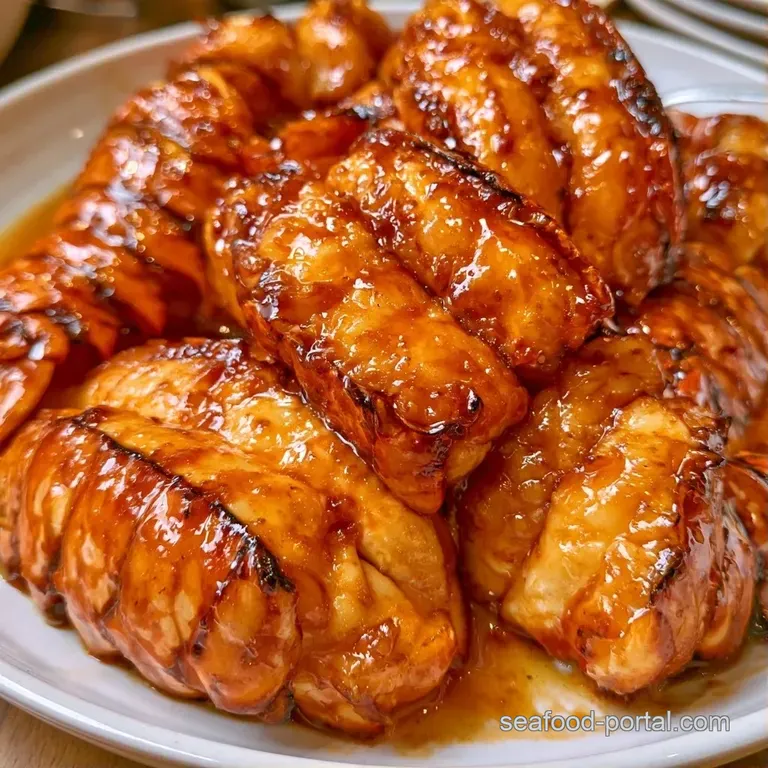
Preventing Rubberiness
If your lobster feels bouncy or tough, you've gone too far. Lobster is best when the center is just opaque. Use a meat thermometer to hit 60°C (140°F) and pull it off the heat; the carryover heat will bring it to a safe 63°C (145°F).
Avoiding Sauce Separation
If the sauce looks broken or watery, it usually means the cornstarch wasn't fully whisked or the pan wasn't hot enough when the liquid hit. If this happens, stir in a tiny bit more cornstarch slurry (1 tsp cornstarch + 1 tsp water) and simmer for 30 seconds.
Preventing Burnt Garlic
Garlic burns faster than ginger. If you see the garlic turning dark brown instead of pale gold, your pan is too hot. Toss in the scallions immediately to drop the temperature and stop the scorching.
Adjusting the Batch Size
When scaling this Cantonese Lobster Tail, don't just multiply everything and throw it in one pan.
Scaling Down (2 tails): Use a smaller skillet to keep the oil depth consistent. Reduce the sauce ingredients by half, but keep the ginger and garlic at 75% for a bolder flavor.
Scaling Up (8+ tails): This is the danger zone for overcrowding. Sear the lobster in two or three batches. If you crowd the pan, the temperature drops, and you'll lose that golden crust. For the sauce, you can increase the volume, but reduce the total liquid by 10% so it thickens faster.
| Premium Ingredient | Budget Alternative | Impact | Savings |
|---|---|---|---|
| Lobster Tails | Large Shrimp | Similar texture, less "meatiness" | High |
| Lobster Tails | Firm White Fish | Softer texture, loses the shell look | High |
| Shaoxing Wine | Dry White Wine | Slightly more fruity, less funky | Low |
Always sear your seafood first, then build the sauce. This ensures the pan stays hot enough for the protein.
Storage and Waste Tips
I don't recommend reheating this dish if you can avoid it, as the lobster will toughen up. However, if you have leftovers, store them in a container in the fridge for up to 2 days. To reheat, steam them for 2-3 minutes or use a very low power microwave setting to avoid "rubbery" meat.
Don't toss the shells! Those lobster shells are gold. Put them in a freezer bag and use them later to make a proper French lobster bisque. You can also simmer them with onion and celery for a rich seafood stock.
Debunking Lobster Myths
Many people believe you have to boil lobster first to "set" the meat. That's a myth. Searing it directly in a hot pan adds a layer of savory flavor that boiling completely washes away.
Another common one is that you need a professional wok to get "Wok Hei." While a high BTU burner helps, a cast iron skillet on your home stove gets hot enough to create that same caramelization.
Best Pairing Options
Since this Cantonese Lobster Tail is rich and savory, you need something fresh to balance it. Steamed bok choy with a drizzle of sesame oil or a simple bowl of jasmine rice is the way to go.
If you're looking for something more indulgent, this pairs well with a side of sautéed snap peas. For those who love seafood heavy meals, try serving this alongside a creamy langostino sauce poured over noodles.
Creative Flavor Twists
You can easily tweak this Cantonese Lobster Tail to suit your mood. For a spicy version, add a teaspoon of chili bean paste (Doubanjiang) or a few dried red chilies when you fry the garlic.
For a "Buttery Fusion" style, stir in a knob of unsalted butter right at the end, just before you toss the lobster back in. It creates a velvety finish that bridges the gap between Chinese and French styles. If you want a low sodium version, swap the soy sauce for coconut aminos and use a low sodium oyster sauce.
High in Sodium
980 mg 980 mg of sodium per serving (43% 43% of daily value)
The American Heart Association recommends limiting sodium intake to no more than 2,300 mg per day for most adults to reduce the risk of hypertension and heart disease.
Tips to Reduce Sodium in Your Lobster
-
Omit Kosher Salt-25%
Since lobster is naturally salty from the sea, omit the 1 tsp of kosher salt entirely to significantly lower the sodium count.
-
Swap Soy Sauce-20%
Replace the regular soy sauce with low-sodium soy sauce or coconut aminos to reduce the concentrated salt content.
-
Low-Sodium Oyster Sauce-20%
Substitute the oyster sauce with a low-sodium version or a mushroom based vegetarian stir fry sauce.
-
Add Citrus Zest-10%
Add fresh lemon juice or zest to the sauce; the acidity provides a brightness that mimics the taste of salt.
-
Enhance Aromatics
Increase the amount of fresh ginger and garlic to build a more robust flavor profile without adding extra sodium.
Recipe FAQs
What defines Cantonese style lobster?
It is lobster cooked in a savory sweet, glossy glaze. This style relies on a combination of ginger, garlic, oyster sauce, and Shaoxing wine to create a rich mahogany finish.
How to butterfly the lobster tails?
Cut through the top of the shells lengthwise using kitchen shears. Gently push the meat upward to sit atop the shell, then pat dry with paper towels to ensure a proper sear.
Is it true that lobster must be pre-boiled before glazing?
No, this is a common misconception. Searing raw lobster meat side down for 2 minutes in a hot wok develops a superior golden crust and preserves tenderness.
Which other seafood sauces complement this flavor profile?
A savory garlic based sauce pairs perfectly. If you enjoyed mastering the high heat searing technique here, see how the same principle works in our garlic butter fish sauce.
Why is the meat becoming rubbery?
Overcooking the lobster is the cause. Stick to the timing of 2 minutes for the meat side and 1 minute for the shell side to avoid toughening the proteins.
Cantonese Lobster Tail