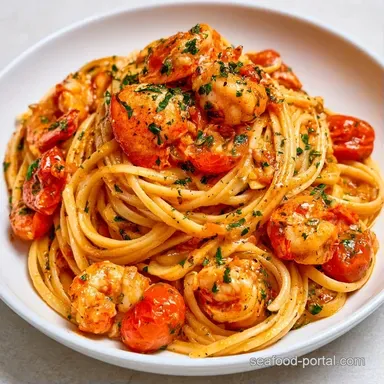
Lobster Pasta with Burst Cherry Tomatoes
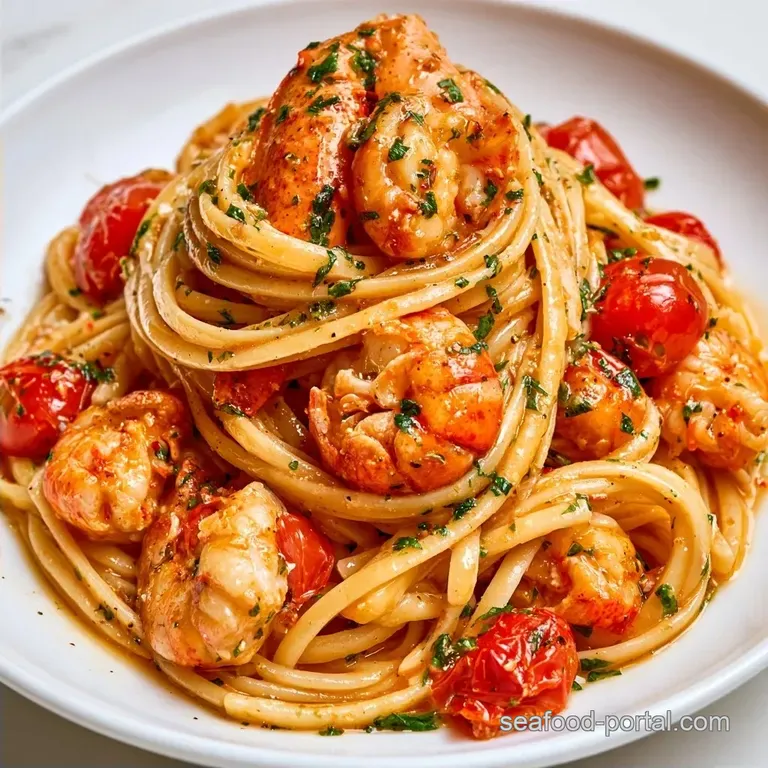
- Time: 10 min prep + 20 min cook
- Flavor/Texture Hook: Buttery, seared lobster paired with jammy, burst tomatoes
- Perfect for: Celebratory date nights or elegant dinner parties
- Lobster Pasta with Cherry Tomatoes
- Fast Facts for the Table
- Key Techniques Explained
- What Every Ingredient Does
- Your Mediterranean Market List
- Tools for the Job
- Making the Pasta
- Key Techniques Explained
- Fixing Common Glitches
- Adjusting the Portion
- Debunking Seafood Myths
- Preservation Guidelines
- Twist the Flavor
- Plating for the Wow
- High in Sodium
- Recipe FAQs
- 📝 Recipe Card
Lobster Pasta with Cherry Tomatoes
Nothing sets the mood for an upscale meal like the sear of lobster in a piping hot pan. I once believed that gourmet seafood pasta demanded a slow simmered bisque or a commercial kitchen. In reality, you can achieve that professional sheen on your pasta without a culinary degree or any extensive preparation.
The magic here lies in the balance of sweet lobster and the zesty burst of cherry tomatoes. It is a bright, Mediterranean inspired feast that is ready in roughly 30 minutes. The goal is to highlight fresh ingredients with a glaze that coats every strand perfectly.
This Lobster Pasta with Cherry Tomatoes demonstrates how a few basic tricks make a world of difference. Instead of a thick cream base, we combine butter, wine, and starchy pasta water. This creates a silky emulsion that allows the natural flavor of the lobster to shine.
Fast Facts for the Table
Now, let's handle the logistics. Since this is a dish for special occasions, timing is everything. You'll want the lobster to be succulent and the pasta to maintain a slight bite.
| Goal | Modification |
|---|---|
| Extra Spice | Use 1 tsp red pepper flakes |
| Lighter Profile | Substitute 2 tbsp butter with olive oil |
| Added Zest | Stir in lemon zest during the final toss |
In my experience, the stovetop is the way to go. Although some prefer roasting tomatoes in the oven, you lose the chance to deglaze the pan with wine immediately once the tomatoes burst.
| Method | Texture | Speed |
|---|---|---|
| Stovetop | Glossy, cohesive sauce | Quick (20 mins) |
| Oven | Roasted, separated flavors | Slow (45 mins) |
Key Techniques Explained
- The Starch Emulsion: Reserved pasta water provides the starch necessary to emulsify the wine and butter. This keeps the sauce smooth and prevents it from splitting into a greasy layer.
- Bursting Tomatoes: Sautéing whole cherry tomatoes at high heat causes them to pop, releasing a thick, jammy nectar that creates the sauce's foundation.
- Timed Searing: Browning the lobster first and setting it aside ensures the meat doesn't overcook while the sauce reduces.
For a more indulgent variation, my Cream Sauce for 4 recipe utilizes a similar base but delivers a richer finish.
What Every Ingredient Does
Not every ingredient is just for flavor. Some are there to handle the chemistry of the pan. Here is why we use these specific items.
| Component | Purpose | Substitute Notes |
|---|---|---|
| Lobster Tails | Primary protein | Scallops work well but cook faster |
| Cherry Tomatoes | Acid and sweetness | Grape tomatoes; slightly firmer |
| Dry White Wine | Deglazing and acidity | Dry vermouth or a splash of white grape juice |
| Pasta Water | Emulsification | None; essential for the glaze |
Your Mediterranean Market List
Prepare all your ingredients before you start the heat. This process moves quickly, and you don't want to be dicing shallots while your lobster is overcooking.
- 4 (6 oz / 170 g) lobster tails, shelled and cut into bite sized chunks
- 1 lb (450 g) linguine or spaghetti Why this? Long noodles are better at holding the glossy sauce
- 1 tsp (5 g) kosher salt
- 2 cups (300 g) cherry tomatoes, whole Why this? These burst to create a natural sauce
- 4 tbsp (56 g) unsalted butter, divided
- 2 tbsp (30 ml) extra virgin olive oil
- 1 medium shallot, finely diced
- 4 cloves garlic, minced
- 1/4 cup (60 ml) dry white wine Why this? The acidity balances the butter
- 1 tbsp (15 ml) fresh lemon juice
- 1/2 tsp (2 g) red pepper flakes
- 1/4 cup (15 g) fresh Italian parsley, chopped
- 1/2 tsp (3 g) cracked black pepper
- 1/2 tsp (3 g) sea salt
Tools for the Job
No specialized equipment is required, though a wide skillet is a must. A pan without enough room will crowd the lobster, resulting in steaming rather than a proper sear.
- Large stainless steel or cast iron skillet
- Large pot for boiling pasta
- Tongs or a pasta fork
- Chef's knife and cutting board
- Measuring spoons and cups
Making the Pasta
Let's get started. Pay attention to the visual indicators the hue of the lobster and the texture of the tomatoes are better guides than any clock.
Phase 1: The High Heat Sear
Heat a skillet over medium high with 1 tbsp (15 ml) of olive oil. When the oil shimmers, arrange the lobster chunks in a single layer. Sear for 2 minutes on each side until the edges are mahogany colored and opaque. Transfer the lobster to a side plate immediately.
Note: This keeps the meat tender.
Phase 2: Creating the Burst Base
Using the same pan, add the remaining olive oil and 2 tbsp (28 g) of butter. Throw in the whole cherry tomatoes. Sauté without stirring for 3-4 minutes until the skins blister and pop. Stir in the shallots and garlic for 60 seconds until fragrant.
Phase 3: Deglazing and Emulsifying
Pour in the white wine and lemon juice, scraping the pan's surface to lift the caramelized lobster residue. Let the liquid reduce by half. Meanwhile, cook your pasta in salted water until al dente, saving 1/2 cup (120 ml) of the starchy water before draining.
Phase 4: The Final Toss
Combine the cooked pasta and seared lobster in the skillet. Stir in the final 2 tbsp (28 g) of butter and the reserved pasta water. Toss vigorously over medium heat for 1-2 minutes until the sauce transforms into a glossy glaze.
Just before taking it off the heat, stir in the parsley and red pepper flakes.
Key Techniques Explained
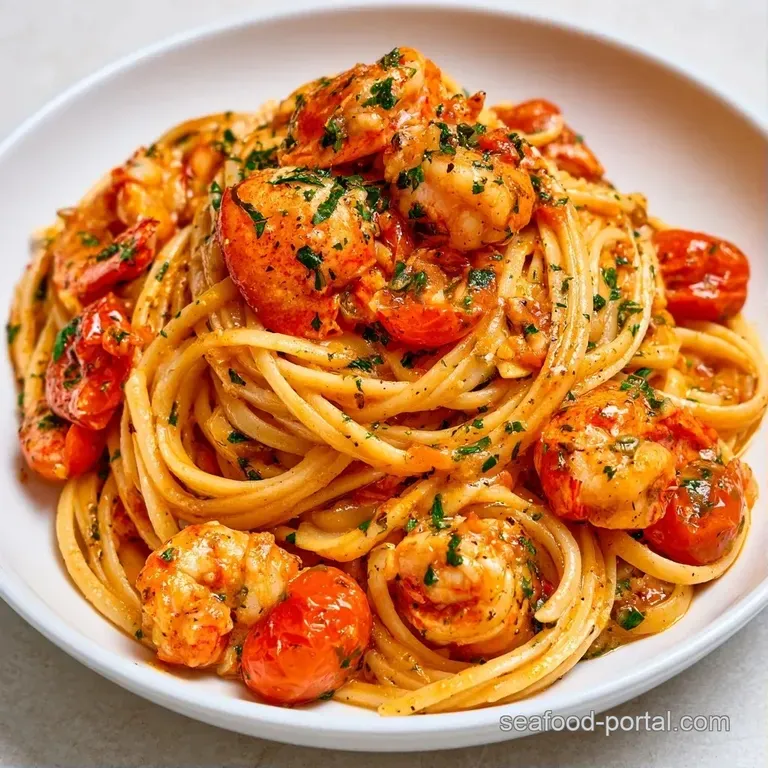
The most important part of this Lobster Pasta with Cherry Tomatoes is the emulsification at the end. When you toss the pasta vigorously with the butter and starchy water, you're creating a temporary bond between the fat and the water. This is what gives the dish that velvety finish without needing heavy cream.
If you're looking for something even more indulgent, you can try a creamy lobster ravioli sauce, but for this specific recipe, the lightness of the burst tomatoes is the star.
Fixing Common Glitches
Seafood can be finicky. The difference between a tender bite and a rubbery one is usually about 60 seconds of heat.
Fixing Rubbery Lobster
This happens when the pan isn't hot enough to sear quickly, or if you leave the lobster in while the sauce reduces. Always remove the protein the second it becomes opaque.
Solving Watery Sauce
If the sauce isn't clinging to the noodles, you likely didn't reduce the wine enough or didn't use enough pasta water. Keep tossing over medium heat for another minute to tighten the glaze.
Managing Burnt Garlic
Garlic burns fast. If you see it turning dark brown instead of golden, pull the pan off the heat immediately and add your wine to cool the surface.
| Problem | Root Cause | Solution |
|---|---|---|
| Rubbery Lobster | Overcooked or low heat | Sear for exactly 2 mins per side |
| Thin Sauce | Under reduced liquid | Simmer wine until reduced by half |
| Bitter Garlic | Added too early | Add garlic only after tomatoes pop |
Adjusting the Portion
Scaling this Lobster Pasta with Cherry Tomatoes requires a bit of caution, especially with the pan size.
Scaling Down (Half Batch) Use a smaller skillet so the butter doesn't spread too thin and burn. Reduce the cook time for the tomatoes by about 20% since there is less moisture in the pan. Use half the garlic and shallot, but keep the lemon juice the same for brightness.
Scaling Up (Double Batch) Do not double the lobster in one pan unless you have a massive commercial skillet. Work in batches for the sear to ensure you get that mahogany crust.
Only increase the salt and red pepper flakes to 1.5x the original amount too much salt can easily overwhelm the delicate lobster flavor.
Debunking Seafood Myths
You might hear that you need to "seal" the lobster to keep the juices in. That's not how it works. Searing is about flavor and color, not creating a waterproof barrier. The moisture loss happens regardless of the sear.
Another common idea is that you must use expensive, fresh caught lobster for this to taste good. While fresh is great, high-quality frozen tails, thawed properly in the fridge, work just as well. The burst tomatoes and butter do most of the heavy lifting here.
Preservation Guidelines
Seafood pasta is best served immediately, but if you have leftovers, handle them with care.
Storage Keep leftovers in a sealed glass jar in the fridge for up to 2 days. Avoid plastic containers if possible, as the acidity of the tomatoes can sometimes react with certain plastics over time.
Reheating Do not microwave this dish on high. The lobster will turn into rubber. Instead, put the pasta in a pan over low heat with a splash of water or a tiny knob of butter. Cover it with a lid and warm it slowly until just heated through.
Zero Waste Tips If you have leftover lobster shells, don't toss them. Simmer them with a bit of water, onion, and celery for an hour to create a quick seafood stock. You can freeze this stock in ice cube trays and add a cube to any future seafood risotto or soup.
Twist the Flavor
While the classic version is great, you can tweak this Lobster Pasta with Cherry Tomatoes to fit your mood.
Adding Greenery Stir in a handful of fresh baby spinach or arugula at the very end. The residual heat will wilt the greens without making them mushy, adding a fresh, peppery note.
Increasing the Heat If you like a kick, add a pinch of smoked paprika during the tomato sauté. This adds a woody depth that complements the sweetness of the lobster.
Dairy-free Options Swap the butter for a high-quality vegan butter or more extra virgin olive oil. The result is slightly less rich but still carries the vibrant flavors of the lemon and tomatoes.
Plating for the Wow
Since this is a celebratory dish, the presentation should match. I like to use wide, shallow bowls rather than flat plates. This keeps the pasta piled high and traps the heat.
Twirl the linguine into a tight nest using a carving fork. Arrange the seared lobster chunks on top so they are visible, then spoon the burst tomatoes and their jammy juices over the edges. Finish with a generous sprinkle of fresh parsley and a final crack of black pepper.
For pairings, a chilled glass of Sauvignon Blanc or a light Pinot Grigio is the way to go. The acidity in the wine cuts right through the butter and matches the lemon in the sauce. If you're serving a side, a simple arugula salad with a light vinaigrette provides a crisp contrast to the rich pasta.
High in Sodium
840 mg 840 mg of sodium per serving (37% 37% of daily value)
The American Heart Association recommends a daily sodium limit of 2,300 mg, with an ideal limit of 1,500 mg for most adults to reduce cardiovascular risk.
Tips to Reduce Sodium
-
Reduce Pasta Salt-25%
Omit or significantly reduce the 1 tsp of kosher salt used for boiling the pasta; the lobster and butter will provide enough flavor.
-
Leverage Natural Brine-15%
Lobster is naturally salty; avoid adding any extra salt to the sauce and rely on the lobster's own minerals for seasoning.
-
Amplify Aromatics-10%
Double the amount of minced garlic and shallots to create a deeper, more savory base that compensates for less salt.
-
Increase Acidity-10%
Add an extra squeeze of fresh lemon juice at the end to brighten the dish, which tricks the palate into needing less salt.
-
Enhance with Herbs
Increase the amount of fresh Italian parsley and red pepper flakes to add aromatic complexity without adding sodium.
Recipe FAQs
Common mistakes when making lobster pasta?
Overcooking the lobster is the most frequent error. Sear the chunks quickly and remove them from the pan immediately to ensure they stay tender rather than becoming rubbery.
Should I just toss the cherry tomatoes in raw to keep them fresh?
No, and here's why. Sautéing them undisturbed for 3 4 minutes allows the skins to blister and pop, creating a jammy base essential for the sauce.
What sauce goes best with lobster pasta?
A light emulsion of butter, white wine, and starchy pasta water is ideal. This glossy glaze enhances the sweetness of the seafood without masking it like a heavy cream sauce.
How to stop the lobster from becoming rubbery?
Sear the meat in shimmering oil for exactly 2 minutes per side. Move the lobster to a side plate as soon as the edges are mahogany colored to prevent overcooking.
Which pasta shapes work besides linguine?
Spaghetti is a great alternative that handles the glossy sauce well. If you enjoy these long noodle seafood dishes, you may also like the preparation of our garlic shrimp scampi.
Why is my sauce watery instead of glossy?
Toss the pasta and lobster vigorously over medium heat for 1 2 minutes with the reserved pasta water. This action emulsifies the butter and starch into a thick, clinging glaze.
Lobster Pasta Cherry Tomatoes