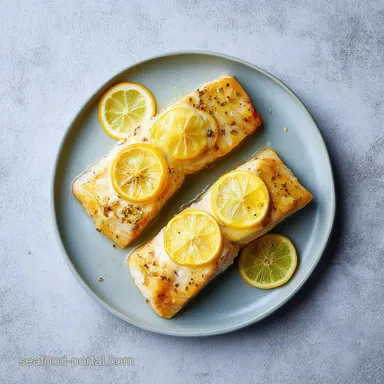
Baked Mahi Fish: Buttery and Flaky
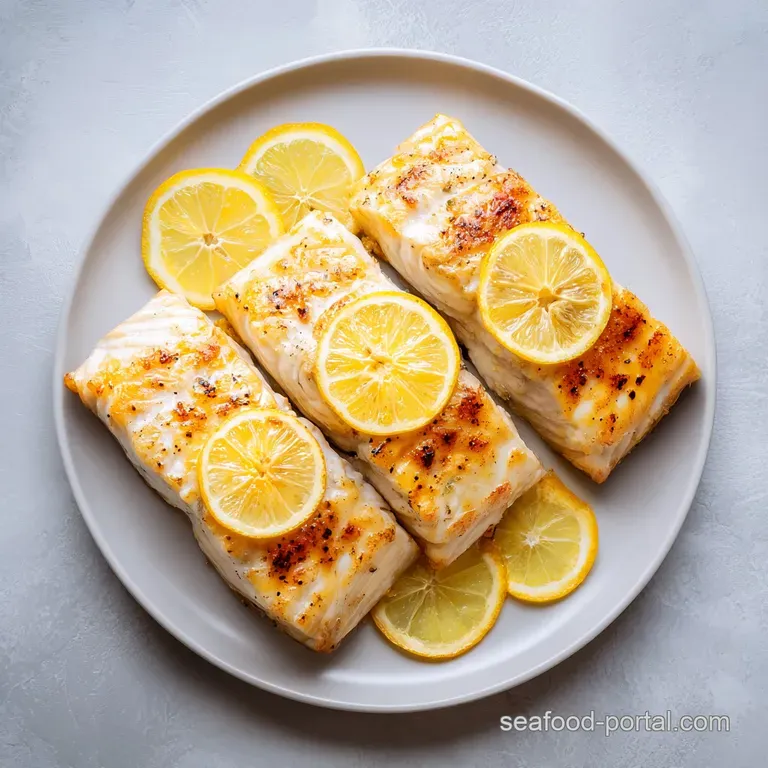
- Time:10 minutes active + 15 minutes cooking = Total 25 minutes
- Flavor/Texture Hook: Buttery, golden brown crust with a velvety, moist center
- Perfect for: A fast weeknight dinner that feels like a restaurant meal
The scent of melted butter and searing lemon hits you the second you open the oven door. There is something about that specific aroma, combined with the golden, toasted smell of Panko, that just makes a kitchen feel like a home.
For a long time, I fell for the myth that mahi mahi is just "taco fish" and needs to be deep fried to actually taste like something. I used to overcook my fillets into rubbery erasers because I was terrified of undercooking seafood.
It took me a while to realize that the problem wasn't the fish, it was my lack of a moisture barrier.
Once I started adding a fat heavy topping, everything changed. You don't need a fancy poaching liquid or a sous vide machine to get a restaurant result. All you need is a bit of butter and a over high heat blast to get that shatter crisp topping while the inside stays tender.
This Baked Mahi Fish recipe is the result of those early dinner disasters.
Secrets to Great Baked Mahi Fish
To get this right, you have to understand how the ingredients interact. It's not just about piling stuff on top of a fillet, it's about creating a system that protects the fish.
The Fat Shield: Melted butter and olive oil create a hydrophobic layer. This stops the water inside the fish from evaporating too quickly into the dry oven air.
The Panko Buffer: Breadcrumbs act as an insulator. They take the brunt of the 400°F heat, browning and crisping up while the fish beneath them cooks more gently.
The Acid Balance: Lemon juice doesn't just add flavor, it breaks down some of the tougher protein fibers. This makes the final result feel more velvety on the tongue. If you're looking for other ways to handle white fish, my guide on baking white fish covers a few more basics.
The Parmesan Bind: Cheese doesn't just add salt, it helps the Panko stick. As it melts, it glues the crumbs to the butter, preventing your crust from sliding off in one big piece.
| Method | Time | Texture | Best For |
|---|---|---|---|
| Oven Baked | 15 mins | Crispy top, tender middle | Weeknight ease |
| Pan Seared | 8 mins | Hard sear, moist center | Maximum flavor |
| Poached | 12 mins | Silky, soft, uniform | Low calorie diets |
| air fried | 10 mins | Ultra crunchy | Single servings |
Component Analysis
| Ingredient | Science Role | Pro Secret |
|---|---|---|
| Unsalted Butter | Moisture Barrier | Brown it slightly first for a nuttier taste |
| Panko Crumbs | Insulation | Toast them in a pan for 2 mins for extra gold |
| Lemon Juice | Protein Tenderizer | Zest the lemon before juicing for more punch |
| Parmesan | Binding Agent | Use finely grated "powder" for better adhesion |
What You'll Need
Keep your ingredients simple. When you have a fresh piece of fish, you don't want to mask the flavor with too many heavy spices.
- 4 mahi mahi fillets (approx. 6 oz / 170g each) Why this? Firm texture that holds up to high heat
- ½ tsp salt Why this? Enhances natural seafood sweetness
- ¼ tsp black pepper Why this? Adds a subtle earthy bite
- 1 tbsp olive oil Why this? Prevents sticking and adds healthy fats
- 3 tbsp unsalted butter, melted Why this? The primary moisture lock
- 1 tbsp fresh lemon juice Why this? Brightens the rich butter flavor
- 2 cloves garlic, minced Why this? Adds depth and aromatic warmth
- 1 tsp dried dill Why this? Classic pairing for white fish
- ¼ tsp paprika Why this? Mostly for that golden red color
- ¼ cup Panko breadcrumbs Why this? Lighter and crispier than regular crumbs
- 2 tbsp grated Parmesan cheese Why this? Adds umami and helps the crust stick
- 1 tbsp fresh parsley, chopped Why this? Freshness and visual pop
| Original Ingredient | Substitute | Why It Works |
|---|---|---|
| Panko Breadcrumbs | Almond Flour | Low carb. Note: Browns faster and is denser |
| Fresh Dill | Dried Parsley | Common pantry staple. Note: Lacks the citrusy punch of dill |
| Parmesan Cheese | Pecorino Romano | Similar saltiness. Note: Much tangier, more aggressive flavor |
| Mahi Mahi | Halibut or Cod | Similar lean profile. Note: Cod is softer and flakes more |
I've found that using a small whisk for the butter mixture is way more effective than a fork. It ensures the paprika and dill aren't clumped together, so every fillet gets the same amount of seasoning.
Essential Kitchen Tools
You don't need a professional kitchen for this, but a few specific tools make the process smoother. A baking sheet is obvious, but the parchment paper is non negotiable. I've had too many fillets stick to the pan and tear when I tried to flip them, which ruins the presentation.
For the fish, a fish spatula is a lifesaver. It's thinner and wider than a regular spatula, allowing you to slide it under the fillet without breaking the crust. If you don't have one, a wide offset spatula works too.
Finally, get yourself an instant read thermometer. According to the USDA guidelines, cooking fish to a safe internal temperature is key, but for mahi mahi, 140°F is the sweet spot. Going to 150°F or higher is where you enter the "rubbery" zone.
The Cooking Process
Right then, let's get into the actual cooking. Keep your fillets at room temperature for about 10 minutes before starting. This ensures they cook evenly.
Phase 1: Prepping the Base
- Preheat your oven to 400°F (200°C) and line a baking sheet with parchment paper.
- Pat the mahi mahi fillets completely dry with a paper towel. Note: Wet fish steams instead of searing, which ruins the crust
- Rub each fillet with olive oil and season with salt and pepper.
Phase 2: Crafting the Herb Glaze
- In a small bowl, stir together the melted butter, lemon juice, minced garlic, dill, and paprika.
- In a separate small bowl, toss the Panko breadcrumbs, grated Parmesan cheese, and chopped parsley together.
Phase 3: The Precision Bake
- Spoon the herb butter evenly over each fillet, coating the top and sides.
- Press the Panko mixture firmly onto the top of each fillet. Note: Use your fingers to really pack it in so it doesn't flake off
- Bake for 12–15 minutes until the crust is golden brown and the fish is opaque.
- Use a thermometer to check that the internal temperature has reached 140°F.
Chef's Tip: If you want a more intense color, turn the broiler on for the last 60 seconds. Just watch it like a hawk, as Panko goes from golden to burnt in seconds.
Fixing Common Mishaps
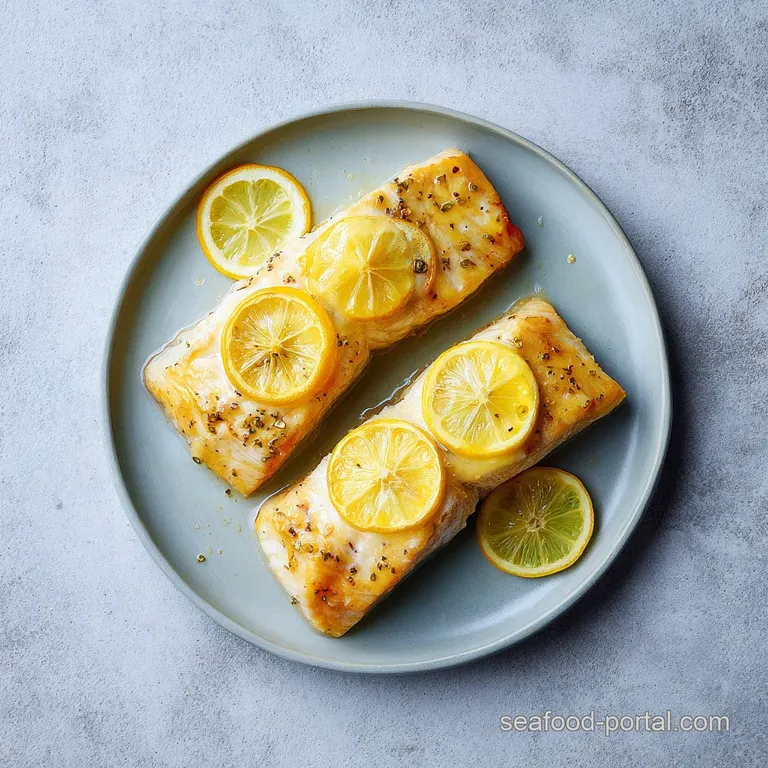
Cooking fish can be nerve wracking because the window between "raw" and "overcooked" is tiny. Most people overcook their Baked Mahi Fish because they rely on a timer instead of a thermometer.
Troubleshooting Common Issues
| Issue | Solution |
|---|---|
| Why Your Fish Feels Rubbery | This happens when the protein fibers tighten too much from excessive heat, squeezing out all the moisture. If you see the fish shrinking significantly or the edges curling, it's likely overdone. |
| Why the Topping Stays Pale | If your oven isn't truly at 400°F, or if you used too much lemon juice in the butter, the crust will steam instead of fry. Ensure your oven is fully preheated and your fish is patted dry. |
| Why the Crust Slides Off | This is usually caused by a lack of "glue." If you skip the Parmesan or didn't press the Panko down firmly, the topping will just sit on top of the butter rather than bonding with it. |
Common Mistakes Checklist
- ✓ Patting fish dry before adding oil
- ✓ Pressing the crumbs firmly into the butter
- ✓ Checking internal temp at 12 minutes
- ✓ Using parchment paper to prevent sticking
- ✓ Avoiding the urge to over flip the fillets
Fresh Twists and Swaps
The beauty of this Baked Mahi Fish is how adaptable it is. If you're tired of the dill and lemon vibe, you can easily pivot the flavor profile.
For a Mediterranean feel, swap the dill for dried oregano and use feta cheese instead of Parmesan. It adds a salty, tangy punch that goes great with a side of olives and cherry tomatoes. If you love the idea of a homemade crust but want something different, try my salmon seasoning blend as a base rub before adding the Panko.
For those on a keto diet, replace the Panko with a mixture of crushed pork rinds and almond flour. It keeps the crunch without the carbs. If you're using a different white fish, like cod or halibut, just keep a close eye on the timer. Cod is softer and can overcook a minute or two faster than mahi mahi.
| Budget Option | Premium Upgrade | Impact on Dish | Savings |
|---|---|---|---|
| Dried Parsley | Fresh Parsley | Brighter color and cleaner taste | $1-2 |
| Bottled Lemon | Fresh Lemon | Much more zingy and aromatic | $0.50 |
| Regular Breadcrumbs | Panko | Lighter, airier, and crispier crunch | $1 |
Truth About Fish Myths
You'll hear a lot of "rules" about cooking fish, but some of them are just noise. Let's clear a few things up.
First, the idea that you need to "seal in the juices" by searing fish first is a myth. Searing creates a crust for flavor, but it doesn't stop moisture from leaving the fish. In this recipe, the Panko and butter do the heavy lifting by insulating the fillet.
Second, some people claim you should never use dried herbs with seafood. That's not true. While fresh is often better, dried dill is actually more concentrated in flavor and works brilliantly in a butter glaze where it has time to hydrate in the oven.
Keeping Leftovers Fresh
If you actually have leftovers (which is rare in my house), you have to be careful. Reheating fish in a microwave is a recipe for disaster, as it turns the texture into something resembling a sponge.
Fridge Storage: Keep your Baked Mahi Fish in an airtight container for up to 2 days. Make sure it's completely cooled before sealing, or the steam will make the crust soggy.
Freezing: I don't recommend freezing this after it's been baked. The texture of the Panko becomes mushy, and the fish loses its flakiness.
Zero Waste: If you have leftover Panko Parmesan mixture, don't throw it away. Use it as a topping for roasted cauliflower or mix it into a pasta bake. Even the leftover herb butter can be melted over a piece of toasted sourdough for a quick snack.
The Reheating Trick: Use a toaster oven or a regular oven at 300°F (150°C) for about 5-8 minutes. This crisps the crust back up without overcooking the center.
The Best Side Dishes
Since the fish is rich and buttery, you need sides that provide a sharp contrast. I like to offer two different "routes" depending on the mood of the dinner.
The Fresh Route: Roasted Asparagus & Quinoa
This is the "healthy" version. The earthiness of the quinoa and the snap of roasted asparagus cut through the richness of the butter. Toss the asparagus in a bit of lemon and olive oil and roast them on the same tray as the fish for 10 minutes. It's a one pan win.
The Comfort Route: Garlic Mashed Potatoes & Sautéed Spinach
If you're craving something cozy, go with creamy mashed potatoes. The velvety texture of the potatoes complements the flaky fish perfectly. Sauté some spinach with a clove of garlic and a splash of vinegar to add some acidity to the plate. This turns the meal into something much more filling and indulgent.
Recipe FAQs
How long should mahi mahi be cooked in the oven?
Bake for 12 15 minutes. Remove the fillets when the internal temperature reaches 140°F and the fish flakes easily with a fork.
Is it better to bake fish at 350 or 400?
Bake at 400°F (200°C). This higher temperature ensures the Panko crust becomes golden brown and crisp without overcooking the fish.
What are some common mistakes when baking mahi mahi?
Overcooking the fillets and skipping the drying step. Failing to pat the fish dry prevents the crust from sticking and leads to steaming rather than browning.
Is mahi mahi good to lower cholesterol?
Yes, it is a lean protein. It is naturally low in saturated fats and contains omega-3 fatty acids which support heart health.
How to prevent the crust from sliding off the fish?
Press the Panko mixture firmly onto the top of each fillet. The herb butter serves as the adhesive, so ensure the fish is well coated before adding the crumbs.
Why did my mahi mahi turn out rubbery?
The fish was overcooked. Excessive heat causes the protein fibers to tighten and squeeze out moisture, resulting in a tough texture.
Can I use a different fish instead of mahi mahi?
Yes, any firm white fish works. Halibut or cod are excellent alternatives; if you mastered the temperature cues here, apply the same precision to our baked trout recipe.
Baked Mahi Fish Recipe