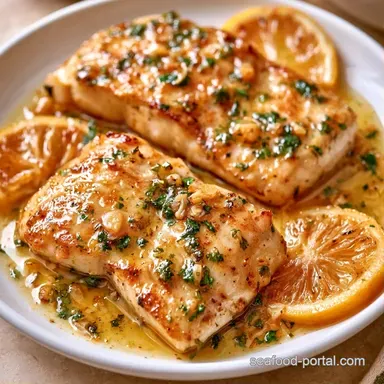
Baked Alkaline Fish with Lemon
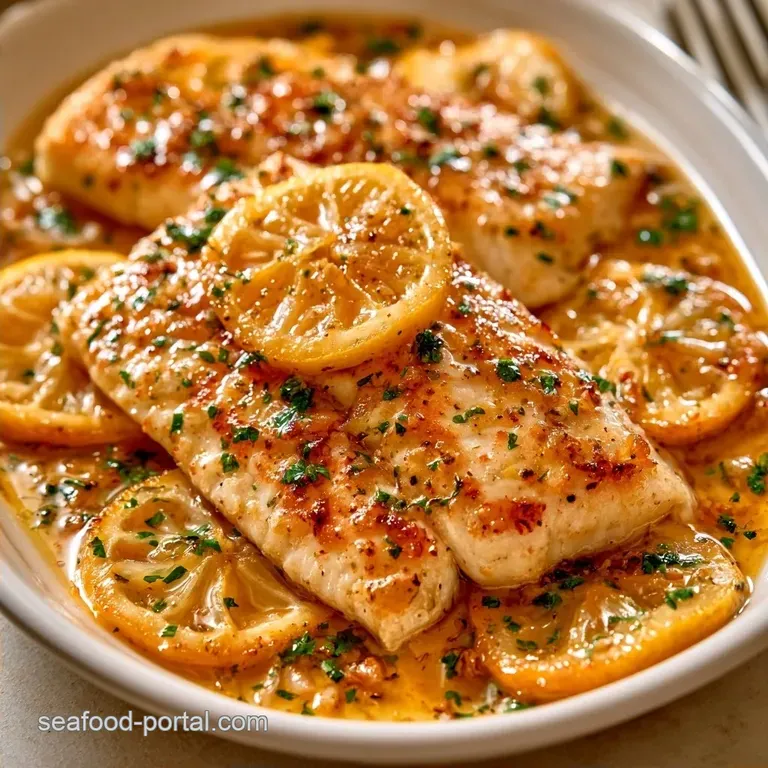
- Time: 5 mins prep + 15 mins in the oven
- The Appeal: Flaky white fish topped with a zesty garlic and herb crust
- Best for: Quick evening meals or nutritious meal prepping
Easy Baked Alkaline Fish Guide
The scent of browned garlic and fresh parsley hits you the second the oven door opens. I used to treat white fish like a chore, often overcooking it until it had the texture of a dry sponge.
Everything changed when I stopped overcomplicating the process and focused on a simple, alkaline leaning marinade that protects the meat from the heat.
This Baked Alkaline Fish is a win for anyone who wants a high protein meal but only has 20 minutes to spare. You get a sharp contrast between the bright lemon notes and the earthy oregano, while the fish stays moist and flakes apart with a fork.
It's an approachable way to eat healthy without feeling like you're on a restrictive diet. Trust me, once you see how fast this comes together, you'll stop fearing the oven when it comes to seafood.
The Texture Trick
- Citrus Balance: The lemon juice in this Baked Alkaline Fish helps break down tough fibers. This keeps the fillets tender instead of rubbery.
- Moisture Seal: Coating the fish in olive oil creates a barrier. It stops the oven's dry heat from sucking out the internal juices.
Required Kitchen Tools
Keep things basic. This process requires nothing more than a standard baking sheet and parchment paper. I prefer a small glass bowl for whisking the marinade, though any small container is fine.
A silicone brush can make spreading the marinade a bit quicker, but the back of a spoon works just as well.
What You Need
| Ingredient | What It Does | Best Swap |
|---|---|---|
| Halibut or Cod | Acts as a lean, flaky foundation | Pollock or Haddock |
| Olive Oil | Stops sticking and provides healthy fats | Avocado oil |
| Lemon Juice | Brings acidity and helps tenderize | Lime juice |
| Garlic | Contributes a bold, savory aroma | Garlic powder (1/2 tsp) |
Fresh vs. Shortcut
| Feature | Fresh Fillets | Frozen Thawed Fillets |
|---|---|---|
| Texture | Tighter, cleaner flakes | Tenderer, holds more liquid |
| Prep | Season immediately | Must be patted dry |
| Flavor | Subtle and sweet | More neutral profile |
Full Ingredients List
- 1.5 lb halibut or cod fillets Why this? A sturdy white fish absorbs the marinade effectively
- 1/2 tsp sea salt
- 1/4 tsp cracked black pepper
- 3 tbsp extra virgin olive oil Why this? Offers a rich taste and stable smoke point
- 2 tbsp lemon juice
- 3 cloves garlic, minced
- 2 tbsp fresh parsley, finely chopped
- 1 tsp dried oregano
- 1/2 tsp paprika
Quick Recipe Specs
- Prep time: 5 minutes
- Cook time: 15 minutes
- Total time: 20 minutes
- Yield: 4 servings
Chef's Tip: Freeze your garlic cloves for 10 minutes before mincing. They become firmer and easier to grate or chop into tiny, uniform pieces.
Cooking Baked Alkaline Fish
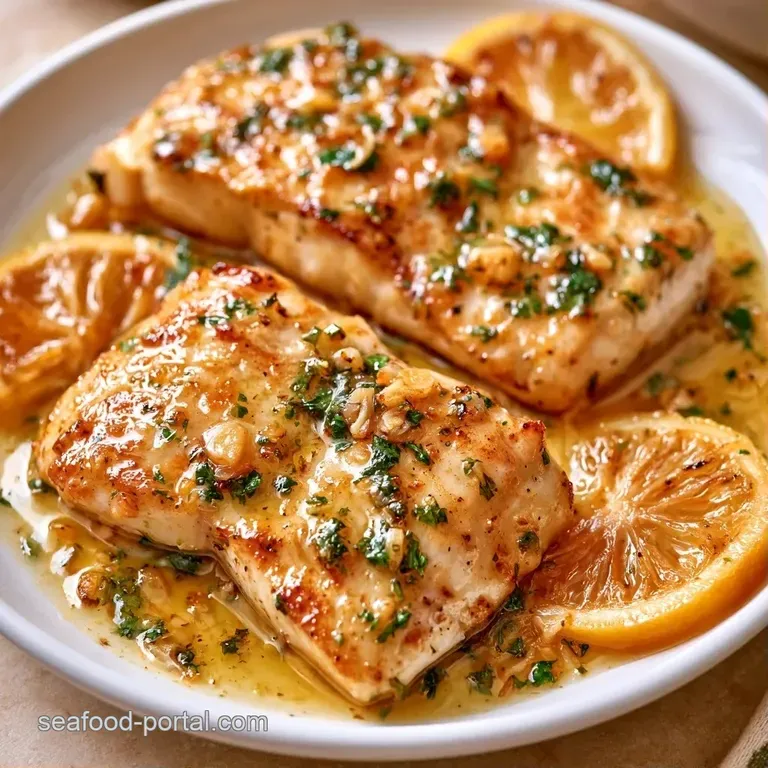
- Preheat your oven to 400°F (200°C). Cover a baking tray with parchment paper for easier cleanup.
- Use paper towels to blot the fish fillets until dry. Note: Removing surface moisture prevents the fish from steaming, preserving the desired texture.
- In a small bowl, combine the olive oil, lemon juice, minced garlic, chopped parsley, oregano, and paprika.
- Arrange the fillets on the prepared tray. Lightly season both sides with cracked black pepper and sea salt.
- Coat the top and sides of every fillet with the Baked Alkaline Fish marinade.
- Bake for 12–15 minutes. The fish is done when the edges are golden and the flesh flakes easily with a fork.
- Confirm the center has reached 145°F (63°C) using a meat thermometer, following the USDA safe standard for finfish.
- Take the tray out of the oven and let the fillets rest for 2 minutes before plating.
Avoiding Common Pitfalls
Fixing Rubberiness
Overcooking is the primary cause. Since the internal temperature rises slightly after removal from the heat, pull the fish out as soon as it reaches 145°F. A springy or tough texture is a sign it stayed in too long.
Stopping Watery Fillets
Excess moisture occurs when fillets aren't properly dried or if frozen pieces weren't completely thawed. If liquid collects on the baking sheet, ensure you press the fillets between paper towels next time to eliminate all surface moisture.
Preventing Sticking
Parchment paper is ideal for Baked Alkaline Fish. If you lack some, lightly oil the pan, but avoid using foil on its own as the fish tends to cling to the metal.
Adjusting Portion Sizes
If you are preparing this Baked Alkaline Fish for a larger group, avoid simply doubling all the seasonings. Instead, scale the salt and oregano to roughly 1.5 times the original amount, as excessive dried herbs can taste bitter in bigger batches.
For a single serving, opt for a smaller toaster oven pan. Cut the baking time by approximately 20%, since a single fillet cooks faster than a full tray of four.
Quick Adjustments
- Extra zing? → Stir in 1 tsp lemon zest.
- More heat? → Use 1/4 tsp red pepper flakes.
- Earthier taste? → Double the oregano.
Fish Kitchen Myths
Some people believe that searing fish in a pan "seals in the juices." That isn't true. Moisture loss happens regardless of the method, but the crust from searing adds a savory flavor.
Another common myth is that lemon juice "cooks" the fish instantly. While it does denature proteins (like in ceviche), the amount used in this Baked Alkaline Fish marinade isn't enough to cook the fish without heat.
Storing Your Fish
Keep any leftover Baked Alkaline Fish in a sealed glass container in the fridge for up to 2 days. To reheat, avoid the microwave, which makes the fish rubbery. Instead, put it in a 300°F (150°C) oven for 5–8 minutes until warmed through.
Don't freeze this recipe once it's been baked; the texture becomes grainy. If you want to prep ahead, freeze the raw fillets in the marinade, then bake them from thawed.
For zero waste, save the lemon rinds and garlic skins in a freezer bag. Once the bag is full, simmer them with water and veggie scraps to make a light, aromatic stock.
Simple Flavor Swaps
If you want to change the vibe, try a Mediterranean twist by adding sliced kalamata olives and cherry tomatoes to the pan. The tomatoes burst during the 15 minute bake, creating a natural sauce.
For a different kind of white fish, check out these baked pollock fillets for a more budget-friendly option. You can use the same alkaline marinade for almost any lean white fish.
You can also swap the paprika for a pinch of cayenne if you prefer a bit of a kick. This keeps the Baked Alkaline Fish healthy while adding a layer of heat.
The Best Pairings
This dish is light, so it needs a side with a bit of substance. I love serving it over a bed of sautéed spinach or quinoa. The acidity of the fish cuts right through the earthiness of the grains.
If you're feeling fancy, a lemon cream sauce on the side adds a rich contrast to the lean protein. For something fresher, a simple cucumber and radish salad with a splash of apple cider vinegar works well.
Keep the sides simple to let the flavors of the Baked Alkaline Fish stand out. A steamed broccoli spear or roasted asparagus provides the right amount of crunch and color to the plate.
Recipe FAQs
Can you substitute lime for lemon on fish?
Use lime juice in a 1:1 ratio for a brighter, more tropical acidity.
Tip: if you like this zest profile, you can use a similar acid balance in our garlic tuna sauce.
How to bake fish in the oven to avoid dryness?
Bake for 12–15 minutes at 400°F until the meat flakes easily with a fork.
Tip: pat the halibut or cod fillets completely dry before adding the marinade to prevent steaming.
What helps prevent fish odors from lingering in the kitchen?
Brush the fillets with the lemon and garlic marinade to neutralize smells.
Tip: keep a window open or turn on the exhaust fan during the 15-minute cook time.
Is it true you must sear fish before baking to lock in juices?
That's a myth. Baking fillets directly at 400°F keeps the fish tender without adding extra fat.
Tip: use parchment paper on your baking sheet for an easier cleanup.
Baked Alkaline Fish in 20 Minutes