Shrimp Lo Mein: Wok-Tossed Takeout Classic
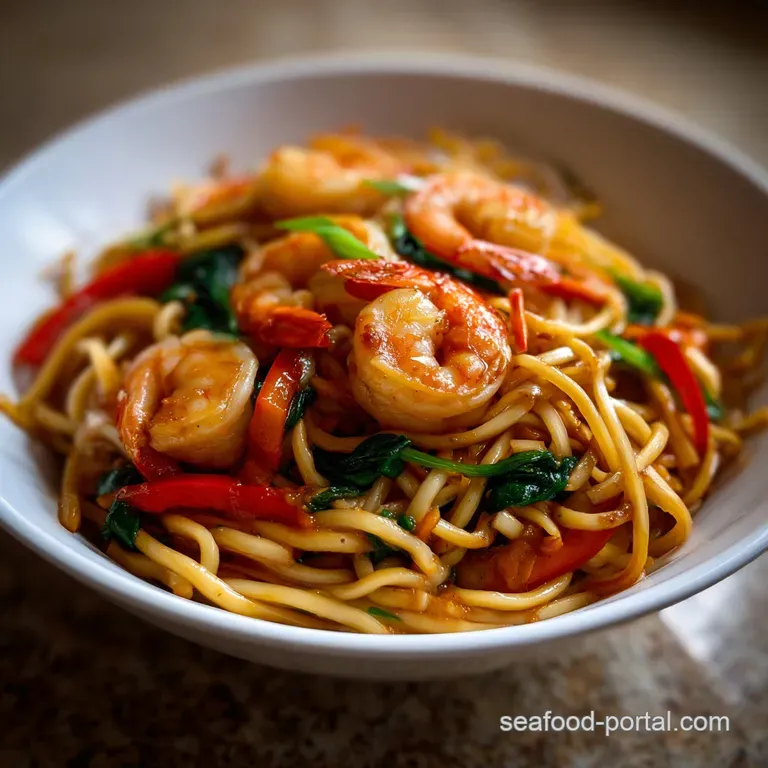
- Master the Takeout Classic: Authentic Wok-Tossed Lo Mein
- Essential Components for Superior Shrimp Lo Mein
- Method Guide: How to Wok-Toss Shrimp Lo Mein Like a Pro
- The Science of Lo Mein: Why This Sauce Formula Wins
- Mastering the Wok: Chef’s Tips and Troubleshooting Guide
- Storing and Reheating Leftover Tossed Noodles
- Complementary Sides for Your Homemade Lo Mein Feast
- Recipe FAQs
- 📝 Recipe Card
Master the Takeout Classic: Authentic Wok-Tossed Lo Mein
That incredible whoosh of steam and the sound of the noodles hitting a smoking hot wok that's the signal for truly great Shrimp Lo Mein . Forget watery, gloopy takeout versions you've had before.
We are making a dish with perfectly springy noodles, plump, quickly cooked prawns, and a glossy sauce that clings to every single strand. The goal here is texture, flavor, and that signature savory sweet balance that makes Lo Mein addictive.
Let's be real, who hasn't stared down a delivery menu promising 45 minutes minimum, only to have them take an hour? This homemade Shrimp Lo Mein recipe is genuinely faster, way cheaper, and tastes 100% better because you controlled the ingredients and the heat.
This is your ultimate weeknight, maximum flavor, minimum fuss dinner savior. I promise. We’re going to master the high heat, handle the noodles like a pro, and turn this beloved humble dish into the best Takeout Classic at Home you’ve ever experienced.
The Difference Between Lo Mein and Chow Mein
This is where people get confused, but it’s actually super simple. Lo Mein literally translates to "tossed noodles," and the key characteristic is that the noodles are soft, fully cooked, and coated in sauce before serving.
Chow Mein, which means "fried noodles," involves the noodles being pan-fried until they are crispy and often served dry, with the sauce spooned over the top. Since we want that satisfying, glossy coating, we are sticking firmly to the Shrimp Lo Mein method.
How Fast is 'Faster Than Delivery'?
If you've spent 20 minutes prepping and chopping your veggies, the actual cook time for this Easy Shrimp Lo Mein is about 10– 12 minutes. You simply cannot get delivery that quickly.
The trick to maximizing speed is having your mise en place perfectly sorted. Once the wok is hot, you can’t look away, so think of this as a 10 minute sprint after a 20 minute gentle walk of preparation.
Defining the Perfect Lo Mein Noodle Texture
A perfect Shrimp Lo Mein requires noodles that are bouncy and have a slight chew. They should never be mushy. The secret is to cook them al dente in the boiling water and then rinse them immediately under cold water.
This stops the cooking and prevents them from sticking together, ensuring they stay separate and springy when tossed in the hot wok.
Essential Components for Superior Shrimp Lo Mein
Choosing the Best Noodle: Fresh vs. Dried Egg Noodles
You want a thick, slightly chewy egg noodle designed for tossing, not thin rice noodles. Fresh lo mein egg noodles are ideal if you can find them; they deliver the best texture and require minimal boiling time.
If you can only find dried, follow the package instructions but err on the side of slightly undercooking them, as they will finish absorbing sauce in the high heat of the wok. If you are truly in a pinch, linguine or even spaghetti can be used, but cook it very firm.
| Ingredient | My Recommendation | Quick Substitution |
|---|---|---|
| Lo Mein Noodles | Fresh egg noodles | Linguine or dried spaghetti |
| Shaoxing Wine | Essential for flavour | Dry Sherry or Mirin |
| Oyster Sauce | high-quality brand | Hoisin Sauce or Vegetarian Mushroom Sauce |
Sourcing and Prepping the Perfect Prawns
The shrimp is the star of this particular Shrimp Lo Mein Recipe , so don't skimp on quality. I prefer using large (21/25 count) shrimp, peeled and deveined. Marinating them briefly in rice wine and sesame oil is crucial it helps tenderize them and adds a layer of depth. If you have extra shrimp and want another quick weeknight option, you should definitely check out my Shrimp Recipes: 20 Minute Garlicky Lemon Butter Prawns recipe.
Key Aromatics and Fresh Vegetable Preparation
For maximum efficiency and flavor, we rely on garlic and ginger. They release their powerful aroma almost instantly when they hit the hot oil. For the vegetables, carrots, cabbage, and bean sprouts offer crunch and sweetness that balances the savory sauce.
Always julienne or thinly slice your hard vegetables (like carrots) so they cook quickly and maintain a slight bite in the final Wok-Tossed Shrimp Lo Mein .
Understanding the Function of Each Sauce Ingredient
The sauce for great Shrimp Lo Mein needs to be pre-mixed. Trust me, trying to pour and measure five different liquids while simultaneously tossing hot noodles is a recipe for disaster (I learned that the hard way!).
Light soy sauce provides the primary saltiness, while dark soy sauce is mainly for color, giving your dish that authentic, appetizing brown sheen. Oyster sauce provides vital umami and body. The sugar balances the salt, and the small amount of chicken stock helps the sauce coat the noodles smoothly.
Method Guide: How to Wok-Toss Shrimp Lo Mein Like a Pro
Prepping Your Mise En Place: The Secret to Speed
Everything must be ready before the wok goes on the heat. This is the difference between a successful, smoky stir fry and a sad, soggy steam bath. Have your noodles cooked and oiled, your sauce mixed, your shrimp seasoned, and your vegetables chopped and waiting in bowls right next to your stove.
When the wok is hot, we move fast.
The Two-Stage Cooking Process for the Prawns
This is a non-negotiable step to avoid rubbery texture. Add the seasoned shrimp to the smoking hot oil and cook them quickly until they are about 80% opaque. They should still look slightly underdone in the center. Remove them immediately to a plate!
They will finish cooking when you toss them back in with the hot noodles at the very end. This ensures the shrimp stays juicy and tender in your Shrimp Lo Mein .
Assembling the Dish: High Heat and Fast Movements
Heat that wok until it is shimmering and potentially smoking slightly, then add the oil. Sauté the aromatics for about 30 seconds until they smell nutty, then immediately add your hard vegetables (carrots). After a minute, add the soft vegetables (cabbage).
Finally, introduce the noodles and pour the entire bowl of the Shrimp Lo Mein Sauce over everything. Use large tongs to toss the noodles vigorously until they are evenly coated and glossy. This should take 60 90 seconds max.
Chef’s Note: Use tongs, not a spatula, to toss the noodles. Tongs give you much more control and allow you to lift and turn the noodles quickly, preventing sticking or steaming.
The Science of Lo Mein: Why This Sauce Formula Wins

Our sauce contains both sugar and a little bit of fat (from the sesame oil and oyster sauce). When this mixture hits the high heat of the wok, it caramelizes slightly and creates a glossy, sticky coating that adheres beautifully to the noodles.
The balance of salty soy, sweet sugar, and deep umami from the oyster sauce is exactly what takeout joints strive for. This formula ensures your Shrimp Lo Mein delivers maximum flavor impact.
Mastering the Wok: Chef’s Tips and Troubleshooting Guide
The Role of Cornstarch in Creating a Glossy Finish
While we didn't add cornstarch to the main sauce (the dark soy and oyster sauce help with thickness), I often use a tiny bit (1 tsp mixed with 1 tsp cold water) to coat the shrimp before seasoning.
This little layer protects the shrimp and helps the final sauce cling more effectively, resulting in a beautifully glossy texture for your Wok-Tossed Shrimp Lo Mein .
Balancing Sweet, Savory, and Umami Notes
If the final dish tastes flat, it needs salt (light soy). If it tastes sharp, it needs balance (more sugar). The key to perfectly balanced Shrimp Lo Mein is tasting right at the end.
Don't be afraid to drizzle a tiny bit more light soy sauce right before serving if the umami isn't popping quite enough.
Achieving Perfectly Cooked, Non-Rubbery Prawns
We covered the two-stage cooking process, but let me stress this one last time: Do not cook the shrimp fully in the first stage. If they curl tightly into a tiny O-shape, they are already overcooked.
They should be just starting to turn pink and still curved into a soft C-shape when you pull them out. This prevents tough, chewy shrimp that ruin the experience of fantastic Shrimp Lo Mein for dinner.
Preventing Soggy Noodles (The biggest lo mein mistake)
The two main culprits are crowding the wok and not rinsing the noodles . If you overload the wok with too many ingredients, the temperature drops instantly, and the vegetables release steam instead of charring. Steam equals soggy.
If your noodles are sticking together because you skipped the cold water rinse, they’ll become a gummy mess when the sauce is added. Keep the portions moderate and the heat high for the best Shrimp Lo Mein .
How to Handle a Smoking Hot Wok Safely
Always use high smoke point oils like avocado, peanut, or canola oil. If the wok starts smoking intensely (which it should!), you need to work quickly. Have the exhaust fan on. If you notice flare ups, turn off the heat immediately and stir the contents away from the flame.
A smoky aroma is good; a kitchen full of smoke is not.
Fixing a Sauce That is Too Thin or Too Salty
If your sauce looks too watery after tossing, you can quickly add a cornstarch slurry (1 tsp cornstarch mixed with 1 tsp cold water) to the side of the wok and stir rapidly to thicken.
If the sauce is too salty often the result of accidentally adding too much light soy add a tiny pinch of sugar and a splash of water or unsalted chicken stock to dilute it slightly.
Always fix the saltiness before you finish the dish, ensuring your delicious Shrimp Lo Mein is savory, not searing.
Storing and Reheating Leftover Tossed Noodles
This homemade Shrimp Lo Mein stores surprisingly well. Transfer cooled leftovers to an airtight container and refrigerate for up to 3 days. Freezing cooked noodles generally makes them mushy, so I don't recommend it for this recipe.
To reheat, the microwave is fine in a pinch, but the best way is using a skillet or the wok itself. Add a teaspoon of oil to a hot pan, toss the noodles and vegetables for about 2 minutes until heated through, and add a small splash of water or chicken stock to refresh the sauce coating.
This revives the flavors and prevents dryness.
Complementary Sides for Your Homemade Lo Mein Feast
Honestly, this Shrimp Lo Mein is a complete meal all by itself, but if you're hosting a feast, keep the sides simple and fresh.
- A light, crunchy side like a quick sesame ginger cabbage salad provides necessary contrast.
- Egg rolls or spring rolls are a classic pairing and easy to grab from the freezer section.
- If you're craving more seafood, a simple Shrimp Empanadas: Flaky Pastry Zesty Prawn Filling could make a killer appetizer before diving into this incredible Lo Mein.
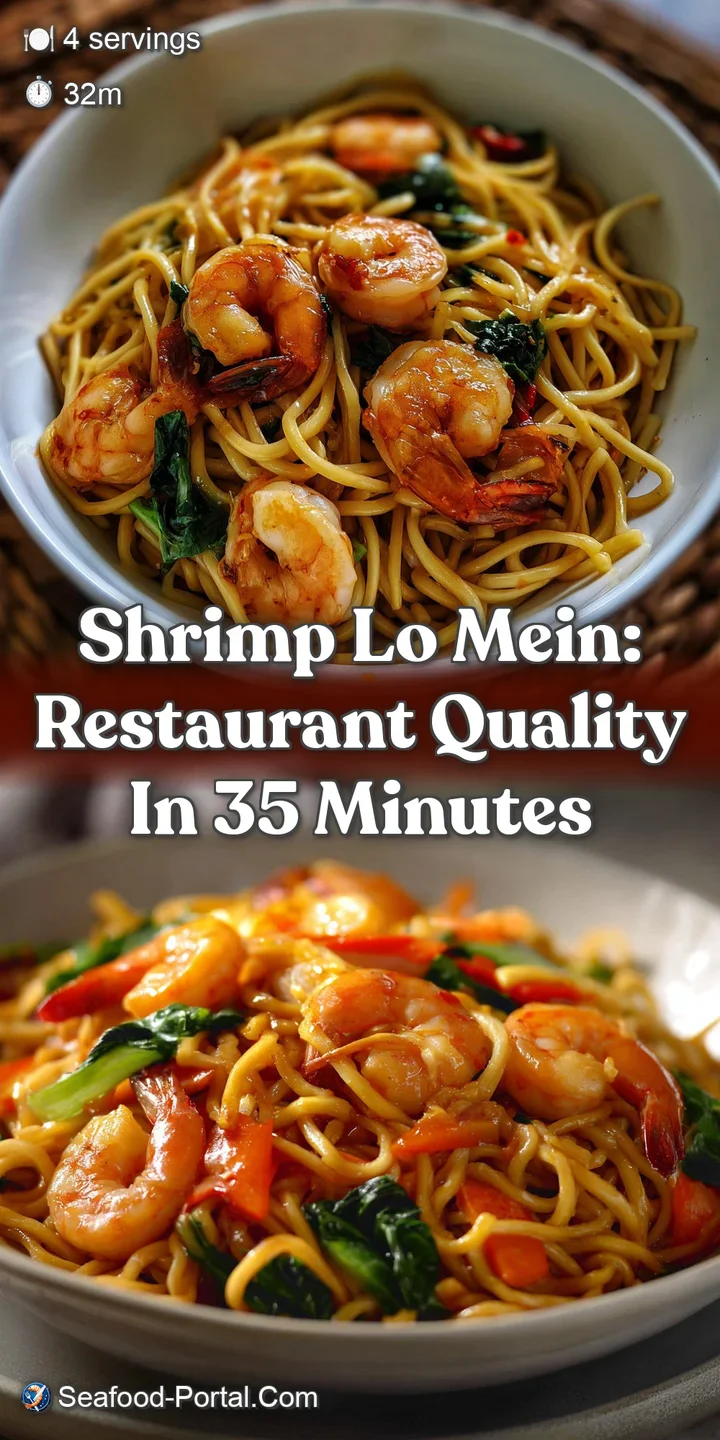
This recipe proves that making your favorite Chinese Takeout Classic at Home is completely doable and yields deeply satisfying results. Get your wok hot and prepare the best Shrimp Lo Mein you’ve ever tasted!
Recipe FAQs
My Lo Mein came out dry and the sauce didn't coat the noodles what went wrong?
This usually happens if the heat is too low, allowing the noodles to absorb the sauce too slowly, or if you added too many noodles relative to the sauce base. Ensure your wok is screaming hot, and only add the cooked noodles after the sauce has thickened slightly.
If the dish is dry post toss, splash in a tablespoon of reserved noodle water or chicken stock to loosen the mixture.
What is the best type of noodle to use, and can I substitute?
The classic choice is fresh, medium thick Cantonese egg noodles, often labeled as "Lo Mein Noodles." If those aren't available, dried lo mein noodles, spaghetti, or even linguine can be used in a pinch. Avoid instant ramen noodles as they lack the necessary chewiness and texture required for proper Lo Mein.
How do I prevent my shrimp from becoming rubbery?
Shrimp cook incredibly fast, often in 2 3 minutes total depending on size and heat. To ensure tender results, cook the shrimp separately first until they are just opaque and pink, then remove them from the wok. Only reintroduce the cooked shrimp during the final 30 seconds of tossing the noodles and sauce.
Can I make this recipe vegetarian or vegan?
Yes, substitute the shrimp with firm or extra firm tofu (pressed and cubed), paneer, or sliced mushrooms like shiitake. Crucially, replace the traditional oyster sauce with an equal measure of vegetarian oyster sauce (made from mushrooms) or a mixture of hoisin and soy sauce for the necessary umami depth.
What is the proper way to store and reheat Lo Mein leftovers?
Store leftovers in an airtight container in the refrigerator for up to 3 days; freezing is not recommended as the noodles become mushy upon thawing. Reheat gently in a lightly oiled pan over medium heat or in the microwave.
If reheating, adding a tiny splash of water or broth helps to hydrate the noodles and loosen the sauce.
My vegetables are too soggy. How do I keep them crisp tender?
To keep vegetables crisp tender (al dente), ensure your wok heat is extremely high and avoid overcrowding the pan. Cook the harder vegetables like carrots and broccoli stems first, and only add the softer ingredients like cabbage or bean sprouts near the very end.
If you are cooking a large quantity, stir fry the vegetables in small batches to prevent them from steaming instead of searing.
Can I use dried ginger and garlic instead of fresh?
While dried spices can add flavor, fresh aromatics are essential for achieving the bright, authentic taste profile of Chinese cuisine. The fresh oils released by minced ginger and garlic cannot be replicated by their dried counterparts.
We highly recommend using fresh for this specific recipe to capture the necessary depth and aroma.
Wok Tossed Shrimp Lo Mein Classic

Ingredients:
Instructions:
Nutrition Facts:
| Calories | 993 kcal |
|---|---|
| Protein | 60.6 g |
| Fat | 15.9 g |
| Carbs | 174.3 g |
