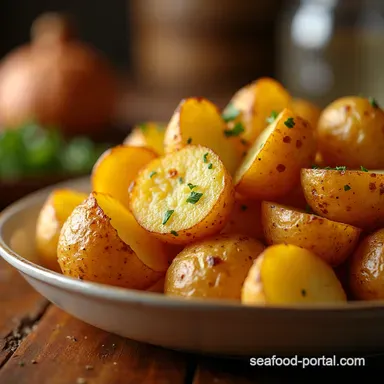
The Ultimate Golden Roast Potatoes Fluffy Inside Crispy Outside the Sunday Lunch Essential
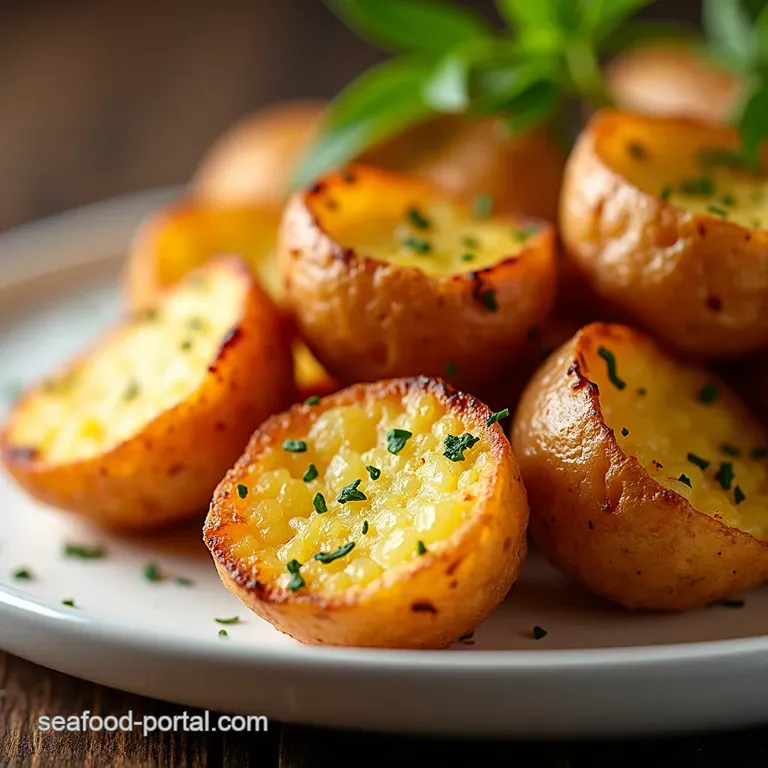
- Unlocking Legendary Texture: Why These Are the Best Crispy Roast Potatoes
- The Anatomy of a Perfect Roastie
- Gathering Your Roast Potato Arsenal
- The Preparation Ritual: Achieving Maximum Surface Area
- Roasting Secrets for Deep Golden Perfection
- Troubleshooting and Elevating Your Spuds
- Serving Suggestions
- Frequently Asked Questions
- 📝 Recipe Card
Unlocking Legendary Texture: Why These Are the Best Crispy Roast Potatoes
There are dishes that accompany a grand meal, and then there are dishes that make the meal. In the pantheon of British Sunday roasts, the latter category is reserved for the perfectly executed roast potato.
Forget those pale, slightly dense versions you sometimes encounter; we are here to achieve something legendary. We are aiming for potatoes that shatter with a satisfying crunch upon the first contact, revealing an interior that is impossibly light, fluffy, and steam cooked to perfection.
Achieving these Crispy Roast Potatoes isn't about luck; it’s about understanding temperature, starch, and one vital, aggressive shaking motion. This isn’t just a side dish; it’s the textural bedrock of your entire feast, and mastering this Crispy Roast Potatoes Recipe will cement your reputation as a culinary champion.
The Anatomy of a Perfect Roastie
What separates a mediocre potato from the absolute pinnacle of roast perfection? It boils down to surface area manipulation and intense heat management. A truly great roastie boasts a deeply golden, craggy exterior created by maximizing the starch layer on the outside of the potato chunk.
This outer crust acts like armour, insulating the fluffy centre while developing complex, nutty flavours from the fat it fries in. The goal is a dual texture experience: a deeply caramelized shell married to a cloud like interior.
This marriage is only possible when we respect the structure of the potato through precise preparation steps.
Goodbye Soggy Spuds: Our Foolproof Technique Revealed
The number one enemy of crispiness is residual moisture. If your potatoes enter the oven damp, they will steam themselves into submission rather than roast. Our technique starts with selecting the correct starchy potato think Maris Piper or King Edward which are high in starch and low in moisture.
These varieties break down beautifully on the outside when handled correctly. While some methods boast of Crispy Roast Potatoes No Boil techniques, we strongly advocate for the boil. It guarantees the internal tenderness we seek.
The subsequent drying and roughening step is non-negotiable for achieving that sought after, almost brittle crust.
The Essential Difference Between Parboiling and Roughing Up
To achieve truly fantastic texture, we must Parboil Roast Potatoes correctly. This process softens the core enough so it cooks through during the roasting time. However, the true magic happens after draining.
Once drained, we return the potatoes to the empty hot pot, place the lid on, and shake them vigorously. This action, often referred to as "roughing up," is essential. It scrapes away the softened exterior starch, creating a beautiful, fuzzy, mashed potato-like coating around each chunk.
This coating is what crisps up into that spectacular, uneven, crunchy shell when introduced to scorching hot fat.
Setting the Stage for Sunday Lunch Glory
Timing is everything when you’re aiming for the Best Roast Potatoes . These require significant oven time, usually around an hour and a quarter total. Therefore, you need to factor in the preheating of your fat, which demands attention.
The roasting tin, filled with your chosen fat, needs at least 15 minutes in a 400° F ( 200° C) oven to reach the critical temperature required for frying, not merely warming, the potatoes.
This initial blast of heat locks in the structure and prevents sticking, setting the foundation for achieving ultimate Crispy Roast Potatoes Oven performance.
Gathering Your Roast Potato Arsenal
Success in any recipe starts with the right components. For these Crispy Roast Potatoes , we are using only a few ingredients, meaning the quality of each one has an outsized impact on the final flavour profile.
The Humble Potato Selection (Which Variety Wins?)
As mentioned, you need a floury potato. Starchy varieties break down easily and create that essential fluffy interior texture. Avoid waxy potatoes intended for salads; they hold their shape too well and result in dense, chewy roasters rather than fluffy, crispy ones.
For 6 servings, we typically rely on about 3 lbs (1.4 kg) of these starchy wonders.
Fats, Salt, and Aromatics: Building Flavor Foundations
While oil is functional, traditional flavour is often built upon animal fats. Goose fat offers a superb flavour, but for a reliable classic, a combination of a neutral, high smoke point oil (like vegetable or sunflower) mixed with some unsalted butter added later provides both high heat resilience and richness.
We season the boiling water aggressively with a good 2 tablespoons of fine sea salt this seasons the potato from the inside out. For aromatics, whole, unpeeled garlic cloves and a few sturdy sprigs of fresh rosemary go into the hot fat to perfume the potatoes as they roast.
Measuring Up: Quantities for Optimal Crispiness
For 3 lbs of potatoes, you need enough fat to generously coat the bottom of your roasting tin approximately 4 tablespoons of your primary fat. We add 2 tablespoons of butter halfway through the cooking process primarily for flavour enhancement, as butter solids burn more easily than pure oil.
These ratios ensure every surface is bathed in heat transfer medium necessary for deep caramelization.
Related Recipes Worth Trying
- The Best Crispy Southern Fried Potatoes Recipe for True Crunch — Nail that shatteringly crisp texture with this authentic Country Fried Potatoes Recipe Learn the trick to keeping your fried taters golden not soggy
- The Ultimate Crispy Shrimp Poboy Recipe with Zesty Creole Mayo — Forget takeout Make the best Homemade Shrimp Poboy with shatteringly crispy breaded fried shrimp and a quick Creole Remoulade Sauce Total time under 45 mins...
- Golden Crunch The Perfect PubStyle Crispy Fried Flounder — Forget soggy fish Master how to fry flounder crispy with this foolproof dredge for the best crispy flounder fillets ever Ready in 25 minutes
The Preparation Ritual: Achieving Maximum Surface Area
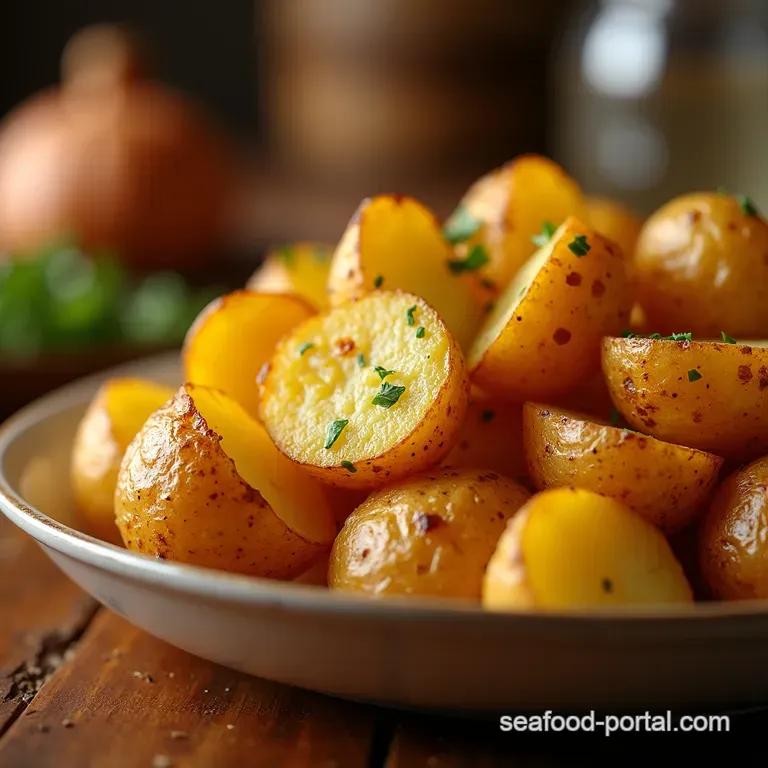
The peeling process is straightforward, but chopping requires attention. We want chunks roughly 2 inches across. Uniformity matters here; if you have very large pieces alongside tiny ones, the small ones will burn while the large ones remain undercooked. Once chopped, these chunks go into cold water.
It is crucial to start them in cold water and bring them up to a boil slowly. This allows the heat to penetrate evenly, ensuring the outside softens just as the inside reaches tenderness.
We simmer these for 8 to 10 minutes until they are just yielding to a fork, but not falling apart. Remember the subsequent, vigorous shaking step which builds the all-important starchy exterior layer.
Roasting Secrets for Deep Golden Perfection
This is where the science of heat transfer takes over. We are not just baking potatoes; we are deep frying their surface area in fat.
Phase 1: The Pre-Roast Boil and Shake Technique
Having drained the potatoes well after their 8-10 minute simmer, place them back into the dry, hot stockpot. Cover and shake them hard for about 30 seconds. You should see a cloudy, starchy fluff coating the outside of the chunks. This layer is the key ingredient for creating those irresistible, jagged, crispy edges.
Preparing the Fat: Getting the Pan Scorching Hot
While the potatoes are boiling, place your chosen fat (oil/lard mix) into your roasting tin and place this empty tin into the oven, preheated to 400° F ( 200° C).
The fat must be visibly shimmering, possibly even smoking slightly, before the potatoes are introduced. This is the single most important step for authentic Crispy Roast Potatoes Technique .
The Initial Blast: High Heat for Initial Crust Formation
Once the fat is ripping hot, carefully remove the tin. Add your rosemary and crushed garlic to infuse the fat briefly. Immediately, use a slotted spoon to transfer the roughed-up potatoes into the sizzling fat. Ensure they are in a single layer; crowding will lead to steaming.
Do not touch or move them for the first 30 minutes. This high heat initial roast allows the roughed-up starches to instantly crisp and form a solid shell.
Final Touches: Basting and Achieving Peak Crispy Roast Potatoes
After the first 30 minutes, the bottoms should be a deep, hard brown. Carefully turn each potato. This is also the time to add the 2 tablespoons of cold butter if the fat seems to have been fully absorbed.
Return the tin to the oven and continue roasting for another 30 to 45 minutes, turning them every 15 minutes to ensure all sides achieve that deep, golden hue.
The total cooking time should hover around 75 minutes, yielding phenomenal Crispy Roast Potatoes Oven results.
Troubleshooting and Elevating Your Spuds
Even with a perfect plan, ovens can vary, or perhaps you’re cooking at a higher altitude. A few tweaks can ensure you always hit perfection.
Altitude Adjustments and Oven Calibration Checks
If you find your potatoes are taking significantly longer than 75 minutes, or if your oven temperature gauge is suspect, consider turning the heat up slightly towards the end (to 425° F/ 220° C) for the final 15 minutes to force that final crisp.
If you notice the potatoes browning too quickly before the centres are done, it suggests the oven might be running hotter than advertised.
Flavor Variations: Beyond Rosemary and Garlic
While the classic herb and garlic infusion is divine, don't hesitate to experiment. For a sharper profile, try roasting the potatoes with thinly sliced onion quarters alongside the garlic.
For a smoky twist, incorporate smoked paprika or a pinch of cayenne pepper directly onto the potatoes just before the final turning stage. Sometimes, a tiny pinch of Crispy Roast Potatoes Baking Soda dissolved in the parboiling water can help further break down the surface starch, though this must be used sparingly.
Storage Notes: Can You Prep These Ahead?
You can certainly complete the preparation stage ahead of time. After the par-boiling and roughing up stage, you can store the potatoes, uncovered, in the refrigerator for up to 24 hours. This allows the surface starch to dry out slightly more, which can actually lead to even better crisping!
When ready to roast, ensure they are cold, and put them straight into the piping hot fat as outlined above.
Serving Suggestions
These glorious, crunchy spuds are versatile. They are the essential backbone for any grand roast, but they shine brightly alongside other excellent Roast Potato Side Dishes like creamy Dauphinoise potatoes (for true potato indulgence) or vibrant glazed carrots.
They pair impeccably with rich gravies, as their rugged texture holds onto every delicious drop. Serve immediately upon removal from the oven, seasoned aggressively with freshly cracked black pepper.
Frequently Asked Questions
Why aren't my Crispy Roast Potatoes getting that lovely crunchy outside?
It usually boils down to two things: temperature and technique. Make sure your fat (lard or oil) is absolutely smoking hot before the potatoes go in; if it's not hot enough, they steam.
Also, ensure you've "roughed up" the potatoes well after draining that starchy coating is what creates the crispy shell we're after!
What is the absolute best type of potato to use for roasting?
You want a floury or starchy potato, as these break down nicely on the outside when boiled and shaken. In the UK, Maris Piper or King Edward are the gold standard for roasties. Avoid waxy types like new potatoes, as they tend to hold their shape too firmly and never develop that fluffy interior.
Can I cook these ahead of time, or do they need to be served straight from the oven?
For the best results, they should be served straight away, as that crispness fades fast. However, you can par-boil and rough them up earlier in the day. Once roughed up, spread them on a tray and let them cool completely, then pop them back in the hot oven right before serving for the final crisping stage.
My potatoes are sticking to the roasting tin; what am I doing wrong?
This is nearly always a sign that the tin wasn't hot enough, or you’ve overcrowded the tin. If the potatoes are crowded, they trap steam and sit in their own moisture, preventing that direct contact needed for crisping.
Next time, ensure you use enough fat and spread them out in a single layer it's worth sacrificing space for supreme crispiness!
How can I make a vegan version of these without losing the rich flavour?
Ditch the butter, but keep the technique! Use a high-quality, neutral oil like sunflower, or if you can find it, refined coconut oil, which adds a lovely richness without tasting overtly tropical.
For extra flavour depth, toss them with smoked paprika and nutritional yeast just before the final twenty minutes of roasting.
Ultimate Crispy Roast Potatoes