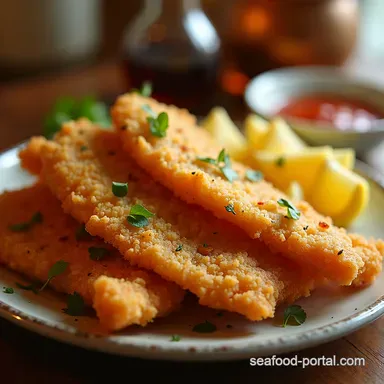
The Ultimate Golden Batter Perfect Deepfried Fish
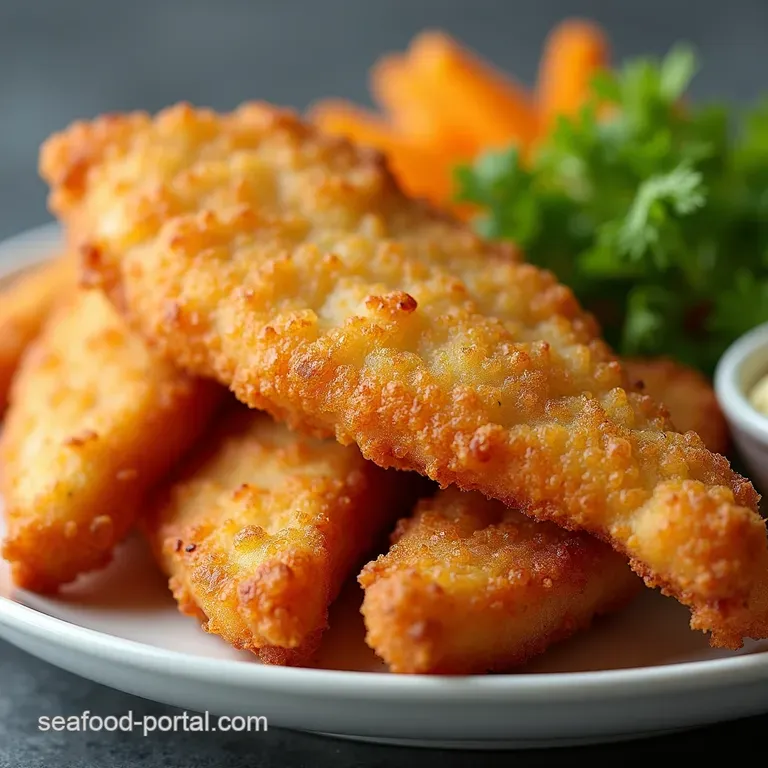
Achieving the Ultimate Crispy Coating for DeepFried Fish
The sound of DeepFried Fish hitting a plate should be a satisfying crunch, not a sad, damp thud. Achieving that shatteringly crisp exterior is the holy grail of home frying, and it hinges entirely on technique and temperature control.
We are aiming for a coating that locks in moisture while repelling grease, resulting in true Crispy Fried Fish . The magic lies in exploiting the temperature difference between your cold batter and the sizzling hot oil, creating an immediate shell barrier.
This barrier puffs up the coating, creating those desirable, airy nooks and crannies that define excellent fried food.
The Secret to Flaky, Moist Interiors
While the outside demands crunch, the inside must be pure, tender succulence. The key to ensuring your Deep Fried Fish Fillets cook through without drying out is using thick, uniformly cut portions of white fish and, critically, maintaining a precise, high oil temperature.
When the oil is at the right heat, the batter seals instantly, protecting the delicate protein structure inside. This balance allows the fish to steam gently within its golden armour until perfectly cooked through.
Learning How To Cook Fish Perfectly in a deep fryer is all about respecting these thermal dynamics.
Why This Batter Outperforms Standard Recipes
Our approach to the Fish Batter Recipe deviates from simple milk and-flour mixes by incorporating two vital elements: cornstarch and intense carbonation. Cornstarch (or rice flour) has a lower protein content than all-purpose flour, which inhibits gluten formation, leading to a lighter, less bready texture.
On top of that,, the use of ice-cold, highly carbonated sparkling water or a light lager introduces minute air bubbles into the mix. When these bubbles hit the hot oil, they rapidly expand, providing phenomenal lift and an incredibly delicate, airy final structure that makes this the Best Fried Fish Recipe you’ll try.
Setting the Stage: What Makes This DeepFried Fish Different
What sets this particular Deep Fried Fish Recipe apart is the dedicated preparation stage. We don't just mix and fry. We mandate a chilling period for the batter a minimum of 30 minutes in the refrigerator.
This allows the flour to fully hydrate while keeping the mixture profoundly cold, maximizing that crucial temperature shock upon submersion. Plus,, we insist on a pre-dredge in plain flour. This dry layer acts as a crucial adhesive layer, ensuring maximum adhesion between the fish flesh and the luxurious batter.
A Nod to Classic Chipper Perfection
While we are refining the technique for the home cook, our flavour profile pays homage to the legendary British chipper. We incorporate smoked paprika not just for a beautiful, appetising golden hue, but also for a subtle, savoury depth that complements the clean flavour of cod or haddock beautifully.
This method yields fish worthy of being the star of a magnificent Homemade Fish And Chips plate.
Related Recipes Worth Trying
- Crispy Skin Rainbow Trout with Brown Butter Sauce Easy Fish Dinner — Master the perfect Seared Rainbow Trout with shatteringly crisp skin This easy trout recipe cooks in under 20 minutesa true showstopper for a midweek meal
- The Grand Salmon Celebration Cake A Savoury Fish Birthday Cake — Forget sponge Learn how to make a spectacular savoury Fish Birthday Cakea layered salmon terrine so elegant it works for adults or kids Easy assembly tips...
- Easy Homemade Fish Cakes Super Crispy Cod Salmon Recipe — Master how to make crispy fish cakes that taste like the seaside This easy homemade fish cakes recipe uses cod or salmon for moist centres and Panko for crunch
Gathering Your Crispy Components
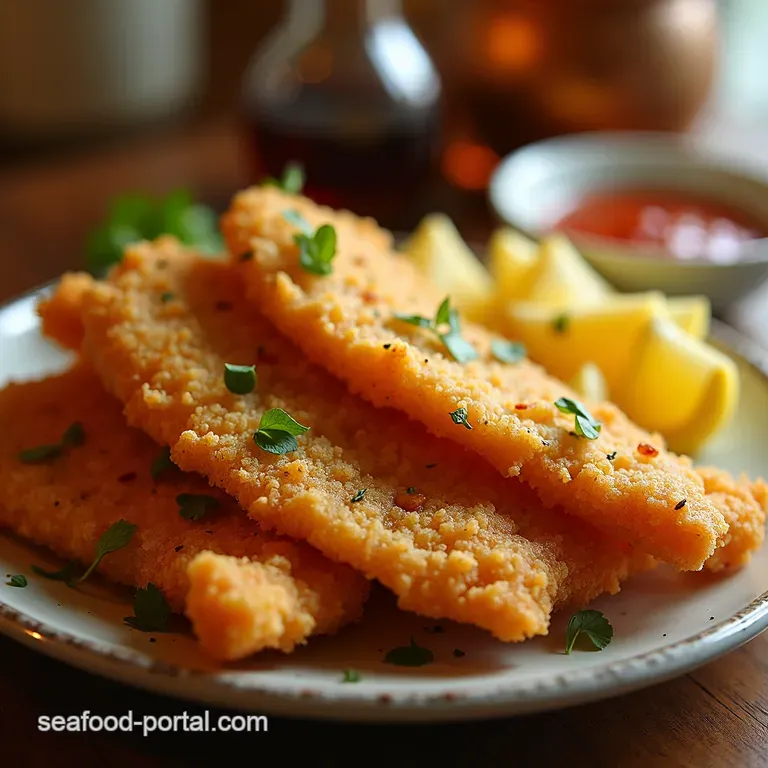
Preparation is everything when dealing with hot oil; you want efficiency and precision when the heat is on. Having all your components ready before you even think about turning on the stove minimizes potential hazards and ensures consistent results across batches.
Selecting the Ideal White Fish Fillets
For the best results in deep frying, choose sturdy, thick white fish fillets. Cod and Haddock are the gold standards because their flesh is firm enough to handle the battering and frying process without falling apart, yet flaky enough to remain moist. Pollock is an excellent, slightly leaner alternative.
Ensure your portions are roughly the same thickness; inconsistency here is the primary cause of undercooked or overcooked pieces in the same batch. Aim for pieces about 1 to 1.5 inches thick for ideal cooking time.
The Aerating Agents for Maximum Crunch
As discussed, the secret weapon for our Deep Fried Fish Batter is the incorporation of cornstarch (or rice flour) alongside the primary all-purpose flour. This combination is essential for structure. Then, you must integrate a fizzy, ice-cold liquid.
Whether you opt for sparkling mineral water or a very light, cold beer is a matter of preference, but the intense carbonation is non-negotiable; it provides the final burst of lift needed for that airy, light texture that avoids greasiness.
Seasoning Essentials Beyond Salt and Pepper
While basic salt and pepper are mandatory for seasoning the fish itself, the batter requires a little more complexity to stand up to the richness of the oil. A teaspoon of baking powder ensures chemical leavening, working alongside the carbonation.
We introduce smoked paprika for colour and a hint of earthy warmth, and a whisper of cayenne pepper offers a gentle background heat that brightens the overall flavour profile without making the dish spicy.
Tools for Successful Submersion Frying
To manage the intense heat safely and effectively, you need the right equipment. A heavy bottomed Dutch oven or deep pot is far superior to a thin saucepan because it maintains a stable heat when cold food is added. Crucially, a reliable, clip-on deep fry thermometer is your most important investment.
Attempting this without knowing your Fried Fish Temperature is essentially gambling with your dinner. Finally, always have a wire rack situated over a baking sheet ready for draining; draining fish directly onto paper towels traps steam and ruins the crispness you worked so hard to achieve.
The Process: From Prep to Golden Brown Glory
Once all your components are measured, chilled, and ready, the cooking process moves quickly. Focus on rhythm and timing to ensure every fillet emerges perfectly golden and cooked through.
Mixing the Batter: The Proper Consistency Check
Combine all your dry batter ingredients flour, cornstarch, baking powder, paprika, and seasonings in a bowl and whisk well. Create a well, add the beaten egg, and then slowly pour in your ice-cold sparkling liquid while gently whisking from the centre outwards.
Stop mixing the moment the streaks of dry flour disappear. The resulting batter should be slightly lumpy and thick enough to lightly coat the back of a spoon without immediately running off. If it seems too thick, add another splash of cold liquid; if too thin, whisk in a tablespoon of flour.
Immediately cover and place back in the fridge for that final chill period.
The Double Dip Technique for Extra Defense
To ensure absolute coating integrity, we use a tried and-true method. First, pat your seasoned fish fillets thoroughly dry with paper towels. Next, dredge each piece generously in the plain, non-seasoned dredging flour, tapping off all excess. This dry layer grips the batter better than bare fish.
Then, plunge the floured fillet into your cold, lumpy batter, ensuring it’s fully covered, and immediately transfer it to the hot oil.
Oil Management: Hitting That Sweet Spot Temperature
This is where precision matters. You must bring your neutral oil to a steady 350° F ( 175° C) before introducing any fish. When you gently lower the battered fish into the oil, the temperature will drop this is expected.
Your goal is to manage the heat so that the temperature recovers to between 325° F and 340° F ( 160° C– 170° C) while the fish fries.
If the temperature drops too low, the coating becomes saturated with oil. If it climbs too high, the outside burns.
Draining and Resting Your Masterpiece
Fry the fish for approximately 5 to 7 minutes per side, depending on thickness, turning gently only once midway through cooking. You know it’s done when the crust is a deep, rich golden brown and the fish flakes easily when nudged with a fork (or when an instant read thermometer registers 145° F/ 63° C in the thickest part).
Immediately lift the fish using a spider strainer or slotted spoon and place it directly onto the waiting wire rack. A final, tiny sprinkle of fine salt over the hot crust enhances the flavour instantly.
Elevating Your Experience: Serving Suggestions and Storage Secrets
A successful DeepFried Fish feast is only complete with the right accompaniments. Don't let your perfectly fried masterpiece sit sadly on a plate; ensure you have your sauces ready!
Pairing Suggestions: Sauces That Complement DeepFried Fish
The richness of the fried coating demands acidity and brightness. The undisputed champion pairing remains homemade tartar sauce, made tangy with capers, dill pickles, and fresh lemon juice. Alternatively, a vibrant squeeze of fresh lemon juice is essential.
For a modern twist, consider a spicy aioli, perhaps spiked with sriracha or smoked chipotle powder, which offers a creamy heat that complements the savoury crust wonderfully.
Troubleshooting Common Frying Mistakes
If your crust falls off, it is almost always due to one of two things: the fish wasn't properly dried before dredging, or the oil was not hot enough to set the batter instantly. If the fish tastes greasy, the oil temperature was too low throughout the entire cooking process.
If the batter is thick and doughy, you overmixed the batter, developing too much gluten. Next time, work less and ensure your oil is roaring hot before the first dip.
Storing Leftovers While Maintaining Some Crispness
Truthfully, reheated fried food never quite matches the initial glory, but we can mitigate the damage. The key to salvaging leftovers from your Deep Fried Fish Fillets is reheating in a dry environment. Do not use the microwave, as it steams the crust.
Instead, place cooled leftovers on a baking sheet and reheat them in an oven preheated to 400° F ( 200° C) for about 10– 12 minutes. This allows the residual heat to dry out the coating, reviving some of that essential crispness.
Frequently Asked Questions
Why is my Deep Fried Fish batter ending up soggy instead of crispy?
This is usually down to one of two things: either your oil temperature is too low (below 340°F/170°C), causing the fish to soak up grease, or you overmixed the batter. Remember, lumps are good! Overmixing develops gluten, which makes the coating heavy rather than light and shatteringly crisp.
What’s the secret ingredient that makes the batter really lift and get airy?
The secret lies in temperature and carbonation! Always use ice-cold liquid sparkling water or a cold lager works wonders. The extreme temperature difference between the cold batter and the hot oil (350°F/175°C) creates instant steam, giving you that magnificent, light puff.
Can I make the batter ahead of time, or does it need to be fresh?
The recipe suggests chilling it for 30 minutes, and that’s about the limit. While you can mix the dry ingredients in advance, the wet batter should ideally be mixed no more than an hour before use and kept thoroughly chilled.
If it sits too long, the baking powder starts to lose its oomph, and the crisp factor drops dramatically.
How do I stop my Deep Fried Fish batches from cooling the oil down too much?
Never overcrowd your pot; fry only one or two pieces at a time. Adding too much cold fish drops the oil temperature sharply, resulting in greasy food. Let the oil temperature recover back to 350°F (175°C) between each batch before lowering the next piece in.
What is the best way to store leftover fried fish, and can I reheat it?
Honestly, fried fish is best eaten immediately it’s the nature of the beast! If you must store it, let it cool completely on a wire rack before placing it in an airtight container in the fridge for up to two days.
To reheat, the best method is a hot oven (400°F/200°C) or an air fryer for about 10 minutes; avoid the microwave at all costs unless you enjoy rubbery disappointment.
Ultimate Crispy Deepfried Fish