Tuna Steak Recipe with Lemon and Garlic
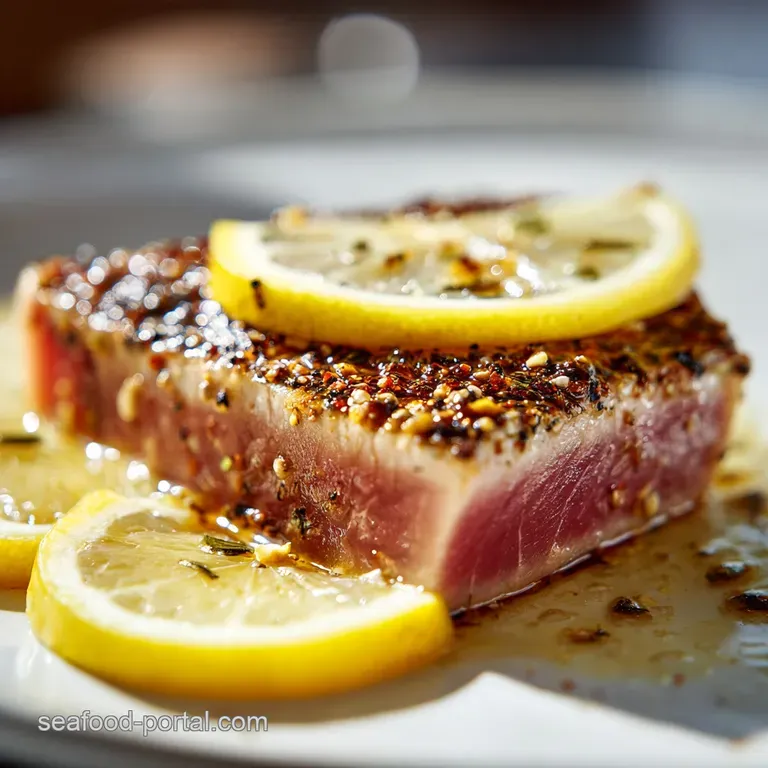
- Time: Active 5 minutes, Passive 6 minutes, Total 11 minutes
- Flavor/Texture Hook: Zesty, buttery crust with a velvety interior
- Perfect for: Sophisticated weeknight dinners or healthy date nights
- Master This Tuna Steak Recipe with Lemon
- Thermodynamics of the Flash Sear Technique
- Essential Component Analysis for Depth
- Selecting Your Culinary Elements and Substitutes
- Essential Gear for a Professional Finish
- Executing the Perfect Six Minute Flash Sear
- Correcting Common Searing and Flavor Errors
- Creative Flavor Twists and Regional Variations
- Safety Guidelines for Storage and Reheating
- Harmonious Pairings for a Complete Meal
- Recipe FAQs
- 📝 Recipe Card
Master This Tuna Steak Recipe with Lemon
The first time I tried cooking a tuna steak at home, it was a culinary disaster. I treated it like a regular piece of cod, simmering it until it turned a depressing, chalky grey throughout. It was tough, dry, and honestly, a waste of a beautiful piece of Ahi.
I realized then that tuna isn't just "fish" it’s more like a prime filet mignon from the sea. You don't want to cook the life out of it; you want to celebrate the texture.
Since that grey steak incident, I’ve learned that the secret lies in the contrast between a screaming hot pan and a bright, acidic finish. This Tuna Steak Recipe with Lemon and Garlic is a guaranteed weeknight dinner winner.
It brings that high end steakhouse energy to your kitchen in less time than it takes to boil a pot of pasta. We are looking for that specific moment when the cold tuna hits the hot oil and creates a shatter crisp exterior while the middle stays cool and crimson.
We’re going to build layers of flavor here, starting with a basic seasoning and ending with a pan sauce that uses the residual heat to melt butter and bloom garlic. By the time you sit down, the aroma of toasted garlic and citrus will have everyone in the house hovering around the stove.
It’s fast, it’s fresh, and once you nail the timing, you’ll never settle for overcooked fish again.
Thermodynamics of the Flash Sear Technique
The Heat Transfer Principle: High conductivity in a heavy pan ensures the exterior proteins undergo the Maillard reaction before the internal temperature rises significantly. This creates a "crust barrier" that prevents the delicate fats in the center from rendering out and becoming dry.
Citrus Denaturation: Adding lemon juice at the very end prevents the acid from "cooking" the fish through chemical denaturation before it hits the heat. This keeps the muscle fibers tender rather than mushy or rubbery.
| Thickness | Internal Temp | Rest Time | Visual Cue |
|---|---|---|---|
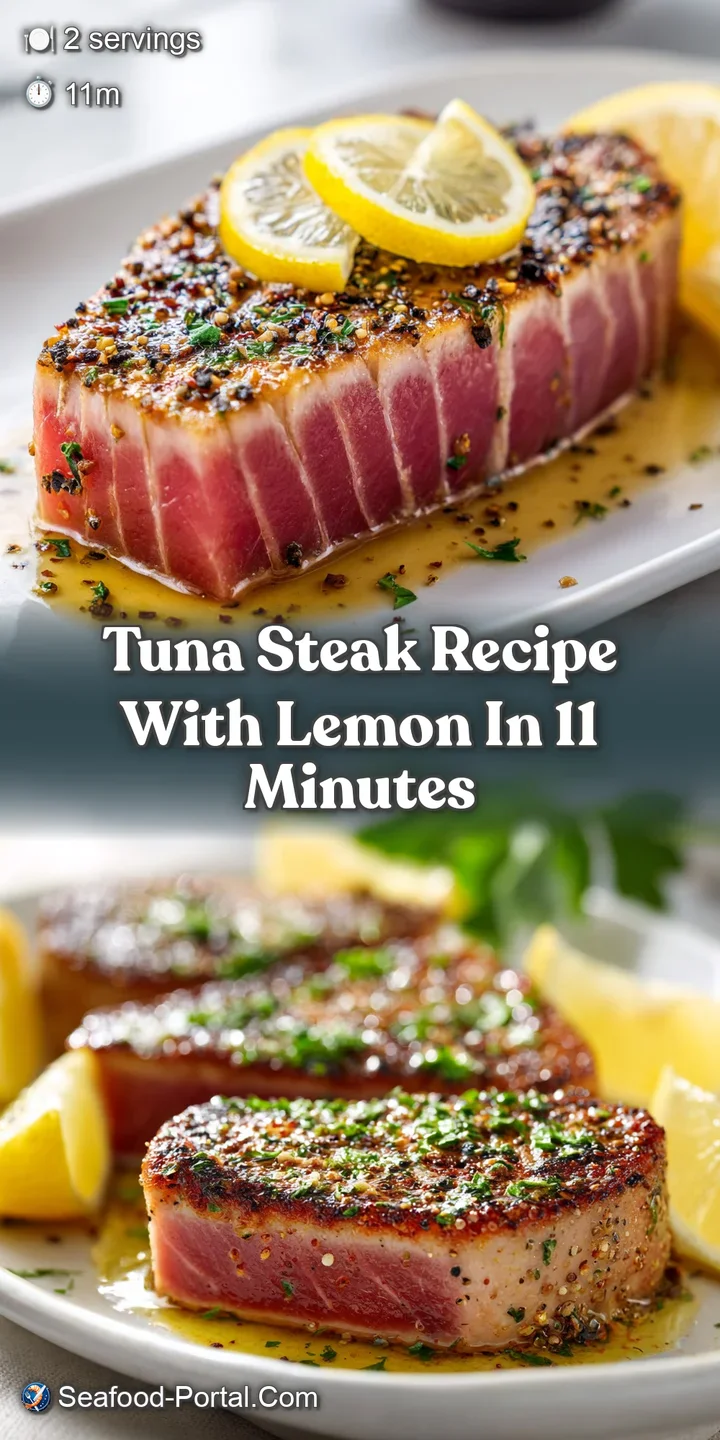
| 2.5 cm (1 inch) | 46°C (115°F) | 3 mins | 2mm opaque edges, red center |
| 3.8 cm (1.5 inch) | 49°C (120°F) | 4 mins | 3mm opaque edges, pink/red center |
| 5 cm (2 inch) | 52°C (125°F) | 5 mins | 5mm opaque edges, warm pink center |
If you are looking for a different profile for your next meal, you might enjoy learning How to Make recipe which uses a similar over high heat method but with a savory soy based glaze. Both methods prioritize that critical short cook time to keep the fish succulent.
Essential Component Analysis for Depth
Understanding the "why" behind your ingredients helps you adjust on the fly when your pantry looks a little bare.
| Ingredient | Science Role | Pro Secret |
|---|---|---|
| Ahi Tuna Steaks | Dense protein structure | Pat dry with paper towels to ensure the Maillard reaction happens instantly rather than steaming. |
| Fresh Lemon Juice | Breaks down surface proteins | Use room temperature lemons to extract more juice and prevent chilling the pan sauce. |
| Unsalted Butter | Emulsification agent | Cold butter whisked into the hot pan creates a velvety, thick sauce rather than a greasy one. |
| Smoked Paprika | Phenolic compounds | Adds a "charred" aroma even if you are cooking indoors on a standard stovetop. |
The interaction between the smoked paprika and the garlic is what gives this dish its "meaty" backbone. Without it, the fish can sometimes feel a bit one note. The paprika provides a subtle earthy depth that mimics the flavor of a charcoal grill, which is especially helpful if you're using a standard stainless steel or cast iron pan.
Selecting Your Culinary Elements and Substitutes
For this recipe, we are using specific quantities to ensure the balance of acid and fat is exactly right.
- 2 Ahi Tuna Steaks (170g each): Look for deep red color. Why this? High fat content stays moist during searing.
- Substitute: Swordfish (denser, but holds up well to high heat).
- 15ml Extra virgin olive oil: high-quality oil for the base sear. Why this? Provides flavor and a moderate smoke point.
- Substitute: Avocado oil for an even higher smoke point.
- 0.5 tsp Salt & 0.25 tsp Black pepper: Basic seasoning.
- Substitute: Himalayan pink salt for a milder salty punch.
- 10g Garlic (2 cloves): Finely minced for the sauce. Why this? Garlic bits toast in the butter for texture.
- Substitute: 1 tsp Garlic paste for a smoother sauce.
- 30ml Fresh lemon juice & 2g Zest: The bright citrus heart. Why this? Fresh acid cuts through the tuna's richness.
- Substitute: Lime juice for a more tropical, sharp profile.
- 4g Fresh parsley: For a herbal finish.
- Substitute: Fresh cilantro if you prefer an earthy, citrusy herb.
- 2g Smoked paprika: For color and depth.
- Substitute: Chipotle powder if you want a spicy kick.
- 14g Unsalted butter: To finish the pan sauce. Why this? Adds "mouthfeel" and rounds out the lemon's sharpness.
- Substitute: Ghee for a nuttier flavor and higher heat tolerance.
| Original Ingredient | Substitute | Why It Works |
|---|---|---|
| Unsalted Butter | Ghee | Same fat profile but removes milk solids. Note: Won't brown as easily as butter. |
| Fresh Parsley | Chives | Provides a mild onion flavor. Note: Changes the herb profile but keeps the green freshness. |
| Extra Virgin Olive Oil | Grapeseed Oil | Neutral flavor with a higher smoke point. Note: Less flavor contribution but better for very high heat. |
When selecting your tuna, always check the thickness. A steak that is too thin will overcook before you can even get a crust on it. I always aim for at least 2.5 cm thick. If you find yourself with thinner steaks, reduce the sear time by half a minute per side to prevent that "canned tuna" texture in the middle.
Essential Gear for a Professional Finish
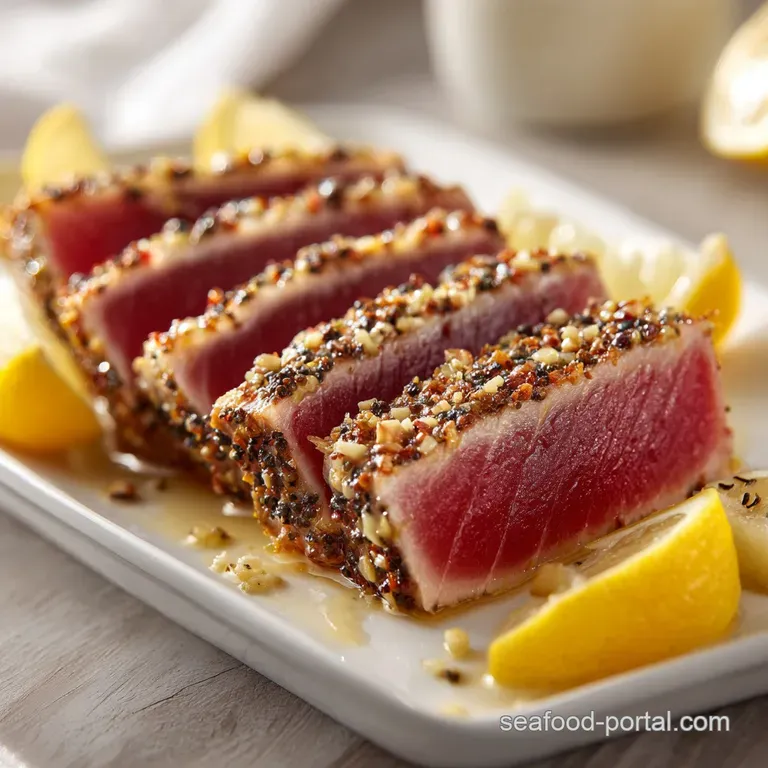
You don't need a professional kitchen, but a few specific tools make this process much easier and safer.
- Cast Iron Skillet: This is the gold standard for searing. It retains heat better than any other material, which means the pan temperature won't drop when the cold fish hits it.
- Fish Turner or Thin Tongs: You need to be able to flip the steaks without tearing the delicate crust. A wide, flexible spatula is best.
- Microplane: For the lemon zest. You want tiny, fragrant bits that melt into the sauce, not large chunks of bitter pith.
- Instant Read Thermometer: Essential for beginners. It takes the guesswork out of doneness and ensures you don't overcook your expensive Ahi.
If you don't have cast iron, a heavy bottomed stainless steel pan will work. Just be sure to let the pan heat up for a full three minutes before adding the oil. If you use a non stick pan, be careful not to overheat it, as very high temperatures can damage the coating and won't give you that same aggressive sear.
Executing the Perfect Six Minute Flash Sear
- Prep the fish. Pat the tuna steaks completely dry with paper towels. Note: Moisture is the enemy of a good sear; it creates steam instead of a crust.
- Season generously. Rub the steaks with 15ml olive oil, then sprinkle salt, pepper, and 2g smoked paprika on both sides.
- Heat the pan. Set your skillet over medium high heat until the oil is shimmering and just starting to smoke.
- The first sear. Place the tuna in the pan. Press down lightly with your spatula. Cook for 2 minutes until a dark, mahogany crust forms.
- The flip. Carefully turn the steaks over. Sizzle for another 2 minutes for a rare interior.
- Add the aromatics. Toss in the 10g minced garlic and 14g butter. Note: Keep the garlic moving so it doesn't burn in the hot fat.
- The citrus finish. Pour in the 30ml lemon juice and 2g zest. Wait until the liquid bubbles and thickens slightly (about 30 seconds).
- Baste the steaks. Use a spoon to pour the foaming lemon butter over the tuna repeatedly.
- Rest the fish. Remove the steaks to a plate. Let them rest for 3 minutes to allow juices to redistribute.
- Garnish and serve. Sprinkle with the 4g chopped parsley and pour any remaining pan sauce over the top.
Chef's Tip: If you want a "blackened" look without the spice, increase the smoked paprika and ensure your pan is truly smoking hot before the fish goes in. The sugar in the paprika will caramelize quickly, creating a deep, dark crust that looks impressive.
Once the steaks are resting, the sauce in the pan will continue to thicken. If it looks too thick or "broken" (where the oil separates), whisk in a teaspoon of water or white wine to bring it back together into a silky emulsion. This is the same logic I use when fixing the sauce for The Tuna Melt recipe when I want something a bit more indulgent for lunch the next day.
Correcting Common Searing and Flavor Errors
The Tuna is Sticking to the Pan
This usually happens because the pan wasn't hot enough or you tried to flip the fish too early. Protein "releases" naturally from the metal once the crust has formed. If it's sticking, give it another 30 seconds.
The Garlic is Burning
Garlic has a high sugar content and burns easily. If your pan is screaming hot, move the steaks to the side and add the butter and garlic to the cooler edge, or turn the heat down slightly before adding the aromatics.
The Interior is Cold but Exterior is Cooked
This happens if the steaks were pulled straight from a very cold fridge. While it's safe to eat Ahi rare, a "blue" center can be unappealingly cold. Try letting the steaks sit at room temperature for 15 minutes before cooking.
| Problem | Root Cause | Solution |
|---|---|---|
| Tough, dry texture | Overcooked center | Use a thermometer; pull fish at 46°C (115°F) for rare. |
| No crust/grey color | Pan too cold or wet fish | Pat tuna bone dry and wait for the oil to shimmer before searing. |
| Sauce is too salty | Butter or seasoning excess | Use unsalted butter and season the fish, not the sauce. |
Common Mistakes Checklist
- ✓ Never use "canned tuna" mindset; treat Ahi like a steak.
- ✓ Don't overcrowd the pan; sear one at a time if your skillet is small.
- ✓ Avoid moving the fish once it hits the pan; let the crust build undisturbed.
- ✓ Always use fresh lemon juice; the bottled stuff has a metallic aftertaste that ruins seafood.
- ✓ Check the "use by" date on your paprika; old spices taste like dust rather than smoke.
Creative Flavor Twists and Regional Variations
The Mediterranean Twist
Add a tablespoon of drained capers and some halved cherry tomatoes along with the lemon juice. The capers add a briny pop that complements the garlic beautifully. Serve this over a bed of wilted spinach for a full heart healthy meal.
The Keto/Low Carb Swap
This recipe is naturally keto friendly, but you can lean into it by doubling the butter and adding a splash of heavy cream at the end. The cream creates a "velvety" lemon sauce that feels much more indulgent without adding any carbs.
Asian Inspired Adjustment
Swap the smoked paprika for ginger powder and the butter for toasted sesame oil. Use lime instead of lemon. This version pairs incredibly well with a side of smashed cucumber salad or steamed bok choy.
If you have leftovers (though that's rare!), you can flake the tuna the next day into a Classic Tuna Casserole recipe. Just be sure not to over reheat the fish, as it will lose that delicate texture we worked so hard to achieve.
Safety Guidelines for Storage and Reheating
Storage: Store any leftover tuna in an airtight container in the fridge for up to 2 days. Because this is cooked to rare or medium rare, it does not have the same shelf life as fully cooked white fish.
Freezing: I do not recommend freezing the cooked steaks. The texture of the rare center will change significantly upon thawing, becoming mushy and losing its "shatter" crust.
Reheating: To avoid turning your steak into rubber, don't use the microwave. Instead, heat a pan over medium heat with a splash of water. Place the tuna in the pan for 1 minute per side just to take the chill off. Alternatively, eat it cold over a salad it's actually quite refreshing that way.
Zero Waste Tip: Don't toss the lemon rinds after juicing! You can use them to clean your wooden cutting board (the acid kills bacteria) or toss them into a pot of simmering water with a cinnamon stick to make your kitchen smell like a spa after cooking fish.
Harmonious Pairings for a Complete Meal
Since this dish is so fast, you want sides that don't require an hour of prep. A simple arugula salad with a light vinaigrette is my go to because the peppery greens stand up well to the garlic butter.
If you want something heartier, roasted fingerling potatoes are brilliant. You can actually use the same lemon garlic butter logic for the potatoes. If you're looking for more inspiration on how to build a meal around seafood, check out our guide on Proper Classic Tuna recipe for a deeper look at traditional tuna pairings.
Myths to Ignore: 1. "Searing seals in the juices." This is a total myth. Searing creates flavor via the Maillard reaction, but moisture loss still happens. The "resting" phase is what actually helps the juices stay inside the fibers. 2.
"Fresh tuna should never smell like fish." While it shouldn't smell "stinky" or sour, fresh tuna does have a clean, oceanic scent. If it smells like nothing at all, it might have been previously frozen and thawed improperly. 3.
"You must marinate tuna for hours." Because tuna is so dense, marinades only penetrate a few millimeters. A quick 10 minute rub or a pan sauce finish (like we do here) is much more effective than a long soak.
Recipe FAQs
How to cook tuna steak with lemon?
Pat the tuna dry, season heavily, and sear in a screaming hot, oiled pan for 2 minutes per side. Immediately turn the heat down, add butter, minced garlic, and lemon juice, basting the fish rapidly before resting for three minutes.
Do garlic and tuna go well together?
Yes, garlic is highly complementary, especially when toasted gently. In this recipe, the garlic is tossed briefly in the residual pan fat right before the lemon is added, creating an aromatic base that contrasts the richness of the tuna.
What seasoning is good on tuna steak?
Salt, black pepper, and smoked paprika form an excellent base. The paprika provides a depth that mimics grilling, while salt and pepper enhance the natural flavor profile. You can see how this technique builds flavor layers in our guide on How To Cook recipe.
What is a good sauce to go with tuna steak?
A quick pan sauce made from butter, lemon juice, and pan drippings is ideal. It should be bright, acidic, and slightly emulsified to cut through the richness of the fish without overpowering the sear.
Is it true I must let the tuna rest after searing?
Yes, resting is crucial for texture maintenance. Resting for at least three minutes allows the muscle fibers, tightened by the high heat, to relax and reabsorb the internal juices, preventing them from spilling out when you slice it.
Can I use frozen tuna steaks for this recipe?
No, thawing dramatically impacts the sear quality. Frozen fish releases significant surface moisture during thawing and cooking, causing the steak to steam rather than develop the necessary crust.
How do I stop my tuna steak from overcooking on the outside?
Use extremely high heat for a very short duration, aiming for a specific internal temperature. For rare, pull the steak off the heat around 46°C (115°F) after about 4 minutes total cooking time.
Tuna Steak Lemon Garlic
Ingredients:
Instructions:
Nutrition Facts:
| Calories | 307 kcal |
|---|---|
| Protein | 41.5 g |
| Fat | 13.4 g |
| Carbs | 2.7 g |
| Fiber | 0.5 g |
| Sugar | 0.5 g |
| Sodium | 585 mg |
