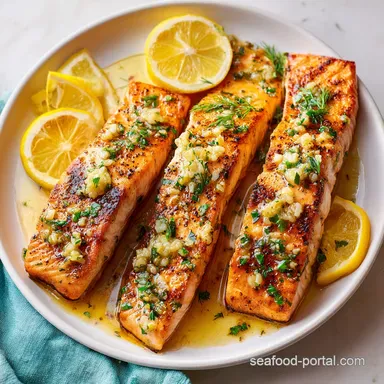
Pan Seared Salmon Recipe with Lemon: Crispy and Buttery
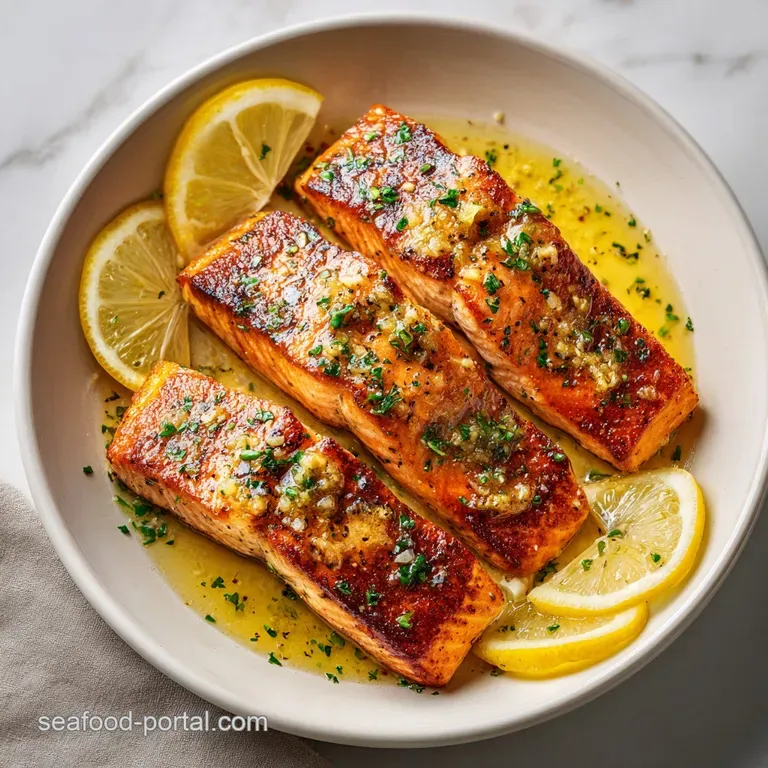
- Time: 10 min active + 12 min cook = Total 32 minutes
- Flavor/Texture Hook: Shatter crisp skin with a velvety lemon garlic butter finish
- Perfect for: A high end weeknight dinner that feels like a restaurant treat
- Pan Seared Salmon Recipe with Lemon
- What Actually Makes It Crispy
- Ingredient Component Analysis
- Essential Ingredients and Swaps
- The Right Kitchen Tools
- Step by Step Cooking Guide
- Solving Common Salmon Problems
- Adjusting for Different Portions
- Salmon Cooking Myths
- Storage and Scrap Saving
- Perfect Side Dish Pairings
- Recipe FAQs
- 📝 Recipe Card
Pan Seared Salmon Recipe with Lemon
That high pitched snap of skin hitting a screaming hot pan is the sound of a dinner win. I remember my first few attempts at this; I was so worried about the fish sticking that I barely let it touch the pan, flipping it every thirty seconds.
The result was a grey, soggy piece of fish that looked more like it had been steamed than seared. It was a total letdown.
The trick, as I found out the hard way, is patience and a very dry fillet. Once you stop fussing with the fish and let the heat do the work, everything changes. You get that deep mahogany crust that tastes like a professional kitchen, while the inside stays tender and juicy.
This Pan Seared Salmon Recipe with Lemon is all about building flavor in layers. We start with a hard sear for texture, then move into a gentle butter baste for that rich, velvety sauce. It's a quick win that makes you look like a pro without requiring any fancy gear.
What Actually Makes It Crispy
If you want that professional crust, you have to understand a few basics about how the fish reacts to the pan. If you're in a real rush, you can check out a salmon stove guide for a faster version, but for the best results, follow these logic points:
- Surface Moisture: Water is the enemy of a sear. If the skin is damp, the pan steams the fish instead of frying it, which is why patting it dry is non negotiable.
- The Physical Press: Salmon fillets tend to curl when they hit the heat. Pressing them down for a few seconds forces the skin to maintain contact with the oil, creating an even, golden crust.
- The Butter Window: We use oil for the sear because it can take higher heat. Adding the butter only at the end prevents the milk solids from burning, which would give the fish a bitter taste.
| Method | Searing Speed | Skin Texture | Effort Level | Best For |
|---|---|---|---|---|
| Stovetop Pan | Fast | Shatter crisp | Medium | Quick weeknight meals |
| Oven Baked | Slow | Soft/Tender | Low | Large crowds/parties |
| Air Fryer | Medium | Crispy | Very Low | Single servings |
Ingredient Component Analysis
Understanding why we use specific ingredients helps you make better choices if you're missing something in the pantry. Here is how the components work together in this dish.
| Ingredient | Science Role | Pro Secret |
|---|---|---|
| Avocado Oil | High Smoke Point | Prevents the oil from smoking and tasting burnt at high heat |
| Unsalted Butter | Flavor Carrier | Adds a velvety mouthfeel and carries the garlic aroma |
| Fresh Lemon Juice | Acid Balance | Cuts through the heavy fats of the salmon and butter |
| Kosher Salt | Moisture Draw | Draws out surface proteins to help the skin brown faster |
Essential Ingredients and Swaps
I've found that using the right fats makes a huge difference here. Don't bother with low-fat substitutes; you need the fat to protect the fish from the intense heat.
For the Salmon
- 4 salmon fillets (approx 1.5 lbs / 680g), skin onWhy this? Skin on is essential for the texture and protects the meat.
- 1 tsp (6g) kosher saltWhy this? Coarser grains are easier to distribute evenly.
- ½ tsp (3g) cracked black pepperWhy this? Adds a sharp, woody heat to contrast the lemon.
- 2 tbsp (30ml) avocado oilWhy this? It doesn't smoke until it's incredibly hot.
For the Lemon Garlic Butter
- 3 tbsp (42g) unsalted butterWhy this? Allows you to control the salt level exactly.
- 3 cloves (9g) garlic, mincedWhy this? Fresh garlic has a punchy, aromatic bite.
- 1 tbsp (15ml) fresh lemon juiceWhy this? Bottled juice is too metallic and acidic.
- 1 tsp (2g) lemon zestWhy this? The oils in the skin provide the "bright" lemon scent.
- 1 tbsp (4g) fresh parsley, choppedWhy this? Adds a fresh, grassy finish to the richness.
| Original Ingredient | Substitute | Why It Works |
|---|---|---|
| Avocado Oil (2 tbsp) | Grapeseed Oil (2 tbsp) | Similar high smoke point. Note: Neutral flavor, works perfectly |
| Unsalted Butter (3 tbsp) | Ghee (3 tbsp) | Even higher heat tolerance. Note: Lacks the milky sweetness of butter |
| Fresh Lemon Juice (1 tbsp) | Lime Juice (1 tbsp) | Similar acidity. Note: Shifts flavor toward a more tropical profile |
| Fresh Parsley (1 tbsp) | Fresh Chives (1 tbsp) | Mild onion flavor. Note: Pairs great with butter and fish |
The Right Kitchen Tools
You don't need a professional kitchen, but the pan matters. I always suggest a stainless steel or cast iron skillet. Non stick pans are okay, but they often don't get hot enough to produce that specific "shatter" texture on the skin.
A flexible fish spatula is another lifesaver. Because the salmon is delicate, a thin, slotted spatula allows you to get under the skin without breaking the fillet. If you don't have one, a thin metal turner will do, just be gentle.
Step by step Cooking Guide
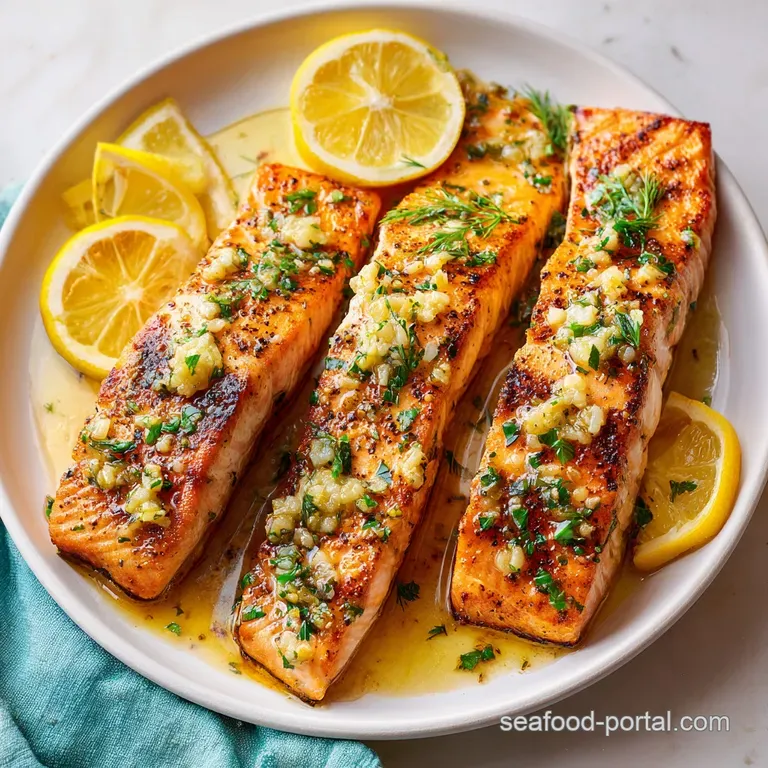
Right then, let's crack on. Follow these steps closely, especially the timing, to ensure you don't overcook the center.
- Pat the salmon fillets completely dry with paper towels, especially the skin. Season both sides generously with salt and pepper. Let them sit at room temperature for 5-10 minutes to ensure even cooking. Note: This prevents the outside from overcooking before the inside is done.
- Heat the avocado oil over medium high heat until it begins to shimmer. Carefully place fillets skin side down. Press down firmly with a spatula for 10 seconds to prevent curling.
- Cook undisturbed for 5-6 minutes until the skin is mahogany colored and releases easily from the pan.
- Flip the fillets. Immediately reduce heat to medium and add the butter and minced garlic.
- As the butter foams, stir in the lemon juice and zest. Note: The zest adds the aromatic punch, while the juice adds the tang.
- Spoon the bubbling garlic butter over the salmon for another 2-3 minutes until the fish is opaque and flakes easily.
- Remove from heat and garnish with fresh parsley.
- Serve immediately while the skin is still crisp.
Solving Common Salmon Problems
Even experienced cooks hit a snag sometimes. Usually, it comes down to temperature or moisture. If you want a more complex crust, you can try a homemade seasoning blend before searing.
Salmon Sticking to Pan
This usually happens if the pan wasn't hot enough or the fish was too wet. When the protein hits the pan, it bonds to the metal. If you try to flip it too early, you'll tear the skin. Wait for the fish to naturally "release" itself.
Burnt Garlic Bits
Garlic burns quickly once the butter starts to brown. If your garlic is turning dark brown instead of golden, your heat is too high. Always reduce the flame before adding the butter.
Dry or Overcooked Fillets
Salmon continues to cook for a few minutes after it leaves the pan. If you wait until it's fully opaque in the pan, it'll be dry by the time it hits the plate. Take it off just as the center is barely translucent.
| Problem | Root Cause | Solution |
|---|---|---|
| Skin tears when flipping | Flipped too early | Wait until skin releases naturally |
| Salmon is grey, not brown | Pan temperature too low | Heat oil until it shimmers |
| Sauce is broken/oily | Heat was too high for butter | Reduce heat to medium before adding butter |
Common Mistakes Checklist
- ✓ Did you pat the skin bone dry?
- ✓ Did you press the fillets down for 10 seconds?
- ✓ Did you avoid moving the fish for the first 5 minutes?
- ✓ Did you add the butter only after flipping?
- ✓ Did you check for the "mahogany" color before flipping?
Adjusting for Different Portions
Cooking for one or cooking for a crowd changes the physics of the pan. The most important thing is to avoid "crowding."
Scaling Down (1-2 fillets) Use a smaller skillet. If you use a massive pan for one piece of fish, the butter will spread too thin and evaporate before you can baste the salmon. Reduce your cooking time by about 20% as smaller portions can heat through faster.
Scaling Up (6-8 fillets) Work in batches. This is the golden rule. If you put 8 fillets in one pan, the temperature will plummet and the fish will release moisture, essentially boiling in its own juices. You'll lose the crisp skin.
Cook in two turns, keeping the first batch warm in a low oven (120°F / 50°C).
Salmon Cooking Myths
There are a few things people always say about fish that just aren't true.
The "Sealing" Myth Many people believe searing "seals in the juices." This is a total myth. Searing adds a layer of flavor and texture, but it doesn't create a waterproof barrier. Moisture loss happens regardless, which is why not overcooking is the real secret to juicy fish.
The "Expensive Oil" Myth You don't need a fancy, expensive olive oil for searing. In fact, extra virgin olive oil has a low smoke point and will burn, leaving a bitter taste. A neutral, over high heat oil like avocado or grapeseed is actually the superior choice here.
Storage and Scrap Saving
If you happen to have leftovers, store the fillets in an airtight container in the fridge for up to 2 days. To reheat, avoid the microwave, as it will make the fish rubbery and the skin soggy. Instead, pop them in a toaster oven or a dry pan over medium heat for 2-3 minutes just to warm through.
For zero waste, don't toss the salmon skin scraps or the lemon ends. You can fry small pieces of salmon trim in a bit of oil until they become "fish chips" for a snack. The lemon zest leftovers can be dried and added to your salt cellar for a citrus infused seasoning.
Perfect Side Dish Pairings
Since this Pan Seared Salmon Recipe with Lemon is rich and buttery, you need sides that provide a fresh or earthy contrast.
Fresh and Green Sautéed asparagus or garlicky broccolini work wonders here. The snap of the green vegetable cuts through the velvety butter sauce. A simple arugula salad with a light vinaigrette also keeps the meal feeling light.
Hearty Grains For something more filling, try a bed of fluffy quinoa or wild rice. The nuttiness of the grain absorbs the extra lemon garlic butter from the pan perfectly. If you're feeling indulgent, a creamy garlic mash is the way to go, though it makes the meal much heavier.
Recipe FAQs
How to cook salmon for a diabetic?
Use avocado oil and fresh lemon. These ingredients are low-glycemic and provide healthy fats that help maintain stable blood sugar levels.
What does lemon do to salmon?
Balances the richness. The citric acid cuts through the fatty omega-3s in the fish, brightening the overall flavor profile.
How to bake salmon for gastritis?
Omit the lemon juice and zest. Removing the acidic components prevents stomach irritation while keeping the protein lean and digestible.
Is grilled salmon good for high blood pressure?
Yes, it is heart healthy. The omega-3 fatty acids support vascular health, provided you keep the kosher salt usage moderate.
Why did my salmon skin stick to the pan?
The fillets were likely damp. Pat the skin completely dry with paper towels before cooking to ensure it sears and releases naturally.
How to prevent the salmon from curling?
Press down firmly with a spatula for 10 seconds. This ensures maximum skin-to-pan contact and keeps the fillet flat during the initial sear.
Can I use a different butter sauce for more flavor?
Yes, you can swap the finishing sauce. If you enjoyed the butter basting technique here, see how a lemon butter sauce can further unlock the flavor.
Pan Seared Salmon With Lemon 4