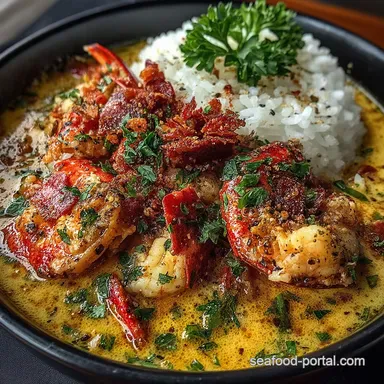
Cajun Kitchen Classic Simple Soulful Crawfish Étouffée
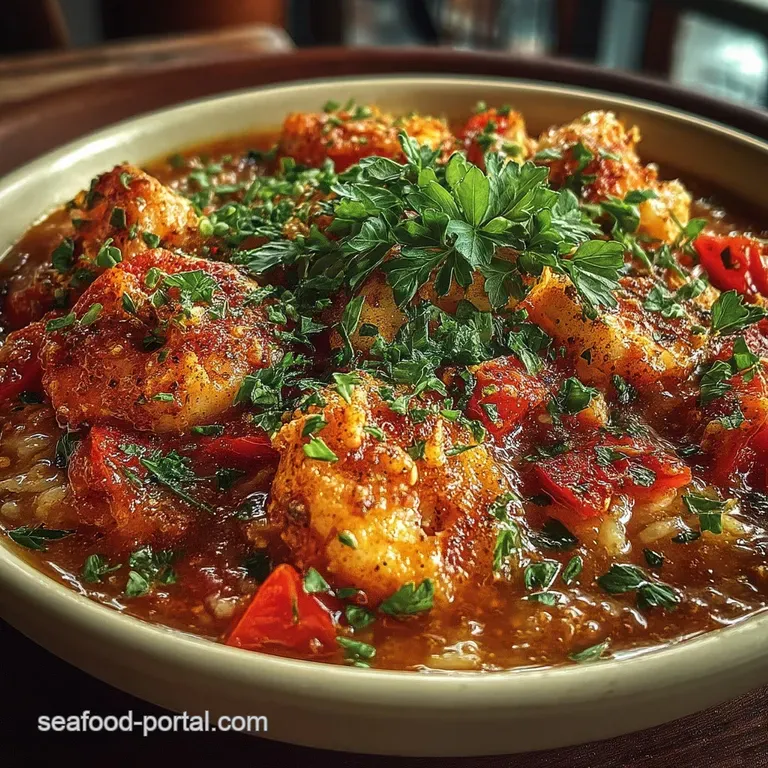
- Unlocking the Magic of True Louisiana Comfort Food
- Why This Recipe Stands Apart in the Étouffée Tradition
- Assembling the Essential Components for Depth
- Tools of the Trade: What You Need on Deck
- The Step-by-Step Guide to Smothering Perfection
- Building Flavor Layers: From Roux to Simmer
- Pro-Tips for Elevating Your Next Batch of Crawfish Etouffee
- Serving Suggestions and Storage Wisdom
- Recipe FAQs
- 📝 Recipe Card
Unlocking the Magic of True Louisiana Comfort Food
There is something deeply satisfying about a dish that has been slow simmered, where every ingredient has married its flavour with the next, creating something far greater than the sum of its parts. That, my friends, is the essence of Crawfish Etouffee .
This iconic recipe is more than just a meal; it’s a journey straight to the bayous of South Louisiana, embodying the soul of Cajun Cuisine . It’s a richly textured, deeply savoury stew built around patience and a commitment to developing profound flavour from humble beginnings.
Forget thin, watery sauces; we are aiming for a dish that clings beautifully to your spoon and demands a mountain of rice underneath it.
Why This Recipe Stands Apart in the Étouffée Tradition
Many recipes for this beloved staple fall short because they rush the foundation. They substitute convenience for character. This Crawfish Etouffee Recipe is designed to teach you the techniques that separate an average seafood stew from an Authentic Crawfish Etouffee .
By focusing on technique, particularly the crucial development of the roux and the careful sourcing of quality ingredients, you will create one of the most cherished Louisiana Dishes right in your own kitchen.
A Warm Hug in a Bowl: Defining Crawfish Étouffée
The word "étouffée" translates directly to "smothered," and that perfectly describes the process. It’s not quite a soup, nor is it as thick as a standard gumbo; it rests in that luxurious middle ground, a hearty stew that coats the palate.
The star, of course, is the sweet meat of the crawfish, but the true magic lies in the gravy that envelops it a velvety cloak built from fat, flour, and slow cooked vegetables. This is the ultimate Fall Dinner Recipe when you need something substantial and warming.
Demystifying the Deep, Soulful Gravy Base
The secret weapon in any great étouffée, and indeed much of Cajun cooking, is the roux. This cooked paste of flour and fat is what provides the signature dark colour, nutty aroma, and essential body to the gravy.
Making a proper, dark roux takes time upwards of twenty minutes of constant stirring but it is non-negotiable for achieving that authentic taste profile you find in a genuine New Orleans Etouffee Recipe .
A properly executed roux prevents the need for heavy, floury thickeners later on, ensuring your gravy remains silken.
Who Can Conquer This Cajun Classic?
While the deep colour of the roux can seem daunting, the reality is that this recipe is accessible to anyone with a little patience. We categorize the difficulty as Medium, simply because the roux demands your undivided attention. However, the rest of the process involves simple additions and simmering.
Anyone who can dice vegetables and stand patiently by a hot stovetop can master this Spicy Crawfish Etouffee .
Assembling the Essential Components for Depth
Before we fire up the stove, assembling your Crawfish Etouffee Ingredients correctly is paramount. Mise en place ensures you can focus solely on the temperamental nature of the roux when the time comes.
We need ingredients that contribute aroma, spice, body, and, naturally, that beautiful sweet seafood flavour.
Tools of the Trade: What You Need on Deck
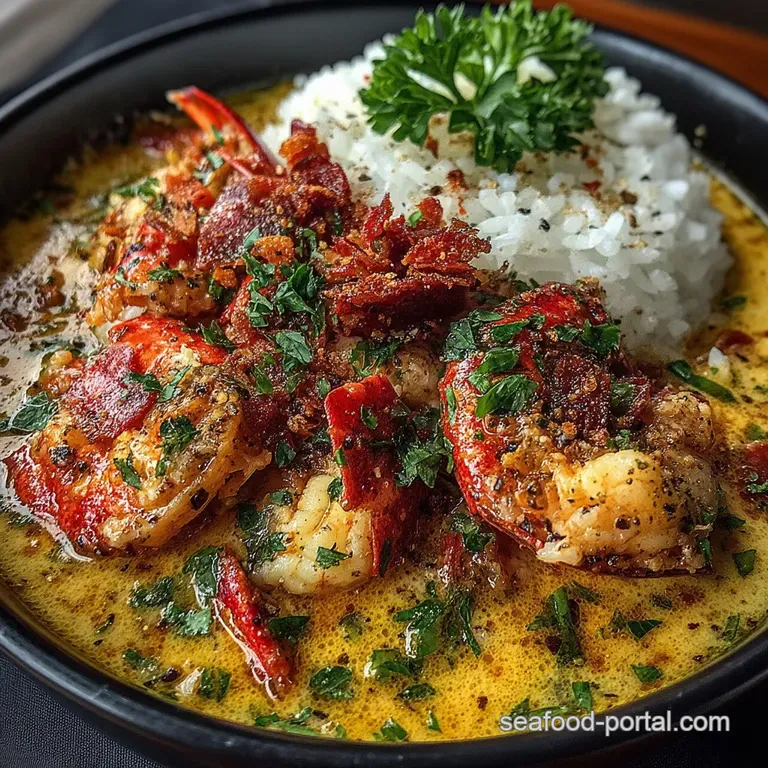
Success in this style of cooking often relies on using the right vessel. For the long, even cooking required to develop a dark roux, you absolutely need a heavy bottomed Dutch oven or a very thick walled, deep skillet.
This heavy metal distributes heat evenly, drastically reducing the chances of scorching your roux a culinary disaster we aim to avoid at all costs! A sturdy whisk for the initial roux mixing and a wooden spoon for scraping the bottom during simmering are your other indispensable allies.
The Trinity and Beyond: Sourcing Key Aromatics
The cornerstone of almost all great Louisiana cooking is the Holy Trinity: onion, celery, and green bell pepper. These must be finely diced so they dissolve beautifully into the sauce during the long simmer, lending sweetness without leaving large, distracting chunks.
To this holy trio, we add two cloves of minced garlic for sharpness, and a touch of tomato paste, which adds a necessary subtle acidity and depth of colour to the finished stew.
Selecting Premium Crawfish Tails for Optimal Flavor
For the best result, look for one pound of peeled, frozen crawfish tails. While fresh is always superior if available, quality frozen tails, properly thawed and drained, work perfectly well. Since crawfish meat is delicate, we add it near the very end of the cooking process.
Overcooking them results in a rubbery texture, stripping away the tender sweetness that makes this dish so special.
Mastering the Roux: Fats, Flours, and Timing
For a classic, rich Crawfish Etouffee , we balance equal parts of all-purpose flour and unsalted butter half a cup of each is the perfect ratio to build our base. The butter melts, and the flour is whisked in.
This mixture is cooked slowly, patiently, until it transforms from a pale slurry into a gorgeous, nutty, dark brown liquid. This stage defines the entire character of your stew.
The Spice Cabinet Checklist: Achieving Perfect Heat
While the foundation is rich, we need layers of heat and earthiness. Ensure you have dried thyme, dried basil, a bay leaf for background herbaceous notes, and crucially, cayenne pepper.
The cayenne provides the characteristic Cajun warmth; start with a quarter teaspoon if you are cautious, but a full half teaspoon will deliver a satisfying, lingering heat without overwhelming the sweetness of the crawfish.
Don’t forget Worcestershire sauce for umami depth, and plenty of salt and black pepper to season as we go.
Related Recipes Worth Trying
- Weeknight Smoky Shrimp Étouffée Recipe Authentic Louisiana Comfort — Learn how to make authentic Shrimp étouffée tonight This recipe nails the deep flavour with a smoky twist and is much easier than you think Perfect served...
- Speedy Stovetop Crawfish Boil with Rich Garlic Butter Dip — Bring the bayou flavour home without the fuss This Easy Crawfish Boil cooks quickly on your hob and shines with a luscious homemade Garlic Butter Sauce
- Shrimp Étouffée Delicious Cajun Comfort Any Night — Delicious Shrimp touffe Recipes for tonight My Shrimp Étouffée recipe is pure Louisiana comfort food Easy enough for a weeknight fancy enough for company...
The step-by-step Guide to Smothering Perfection
With all components prepped and your tools ready, we move into the methodical process of building this magnificent dish. Remember, this isn’t a fast meal; it’s a deliberate, flavour building assembly.
Building Flavor Layers: From Roux to Simmer
Phase One: Developing That Rich, Dark Brown Roux
Place your Dutch oven over medium heat and melt the butter. Once shimmering, gradually whisk in the flour until smooth. Now, the vigil begins. Reduce the heat to medium low and whisk constantly .
Watch closely as the colour moves from pale yellow to tan, then to copper, and finally, to the colour of rich peanut butter or milk chocolate. This may take 15 to 25 minutes.
If you see any dark specks forming, immediately remove the pot from the heat, whisk vigorously, and return it to a lower heat. Stop cooking the moment you hit that deep colour.
Introducing the Holy Trinity: Sautéing and Softening
Once the roux is perfectly coloured, immediately drop the heat to low and add your diced onion, celery, and bell pepper. Stir them into the hot roux. The vegetables will immediately start releasing moisture, which stops the roux from burning while they soften.
Continue cooking gently for about five to seven minutes until they become translucent and tender, scraping the bottom to incorporate any browned bits from the roux. Next, stir in the minced garlic and tomato paste, cooking for just one minute until fragrant.
The Slow Infusion: Bringing the Stock and Seasonings Together
This is the moment of transformation. Slowly, ladle by ladle, whisk in your warmed crawfish stock (or substitute). Whisk continuously as you pour to ensure the roux smoothly incorporates without forming lumps. Once all the stock is added and the mixture is smooth, bring it up to a gentle simmer.
Now, add your dried thyme, basil, bay leaf, cayenne, Worcestershire, salt, and pepper. Partially cover the pot and let it cook slowly for a minimum of 30 minutes.
This simmering time is essential for tenderizing the vegetables and allowing the roux flavour to fully permeate the liquid, creating that velvety texture inherent to the best Louisiana Dishes .
When to Fold in the Sweet Crawfish Meat
After the 30-minute simmer, the gravy should have noticeably thickened. Taste the sauce and adjust your salt and cayenne levels it should have a lovely warmth. Finally, gently fold in your thawed and drained crawfish tails. Reduce the heat to the lowest possible setting.
The goal here is simply to heat the meat through, which should take no more than three to five minutes. Resist the urge to boil the stew once the crawfish are added; they must remain tender.
Pro-Tips for Elevating Your Next Batch of Crawfish Etouffee
To truly elevate this already wonderful Hearty Stew , always try to keep your stock warm before adding it to the roux. This prevents the temperature shock that can cause lumps.
On top of that,, for an added layer of authentic complexity, consider stirring in one teaspoon of File Powder after you have removed the pot from the heat at the very end.
Never boil File Powder, as it can become stringy, but stirring it in off-heat imparts a beautiful, earthy finish that serious Cajun cooks swear by.
Serving Suggestions and Storage Wisdom
This masterpiece deserves to shine on its own, typically served piping hot piled high over fluffy, long grain white rice the perfect sponge for soaking up every last drop of that incredible gravy.
Troubleshooting Common Étouffée Setbacks
If your stew seems too thin after the main simmer, you have two options: either let it simmer uncovered for another 10– 15 minutes to reduce naturally, or create a small slurry of cornstarch mixed with cold water and whisk it in very slowly until you achieve your desired consistency.
If, heaven forbid, your roux burns, the flavour will be acrid; unfortunately, this requires starting the entire process especially the roux anew.
Creative Twists: Alternative Vegetables and Thickeners
While the Trinity is traditional, some chefs incorporate finely diced mushrooms with the Trinity for an earthy, umami boost. If you are having trouble sourcing crawfish, peeled shrimp make an excellent substitute, added for the final five minutes of cooking.
For a richer base flavor in place of standard chicken stock, opt for dedicated seafood stock if you can find it.
The Perfect Pairings: What Sides Go Best?
To balance the richness of the etouffee, simplicity reigns supreme on the side. A crisp, vinegary potato salad provides a perfect textural and flavour contrast. Alternatively, a light, fresh green salad tossed with a simple vinaigrette cuts through the fat beautifully.
For beverages, look for something bright and crisp, like a dry Riesling or a local pale ale.
Ensuring Quality When Storing Leftover Smothered Goodness
This Crawfish Etouffee keeps exceptionally well. Once cooled, transfer leftovers to an airtight container and refrigerate for up to three days. The flavour often deepens overnight! Reheat gently on the stovetop, adding a splash of water or stock if it has thickened too much upon cooling.
While freezing is possible, the texture of the roux may change slightly upon thawing, so fresh is always best for immediate enjoyment.
Recipe FAQs
What is the secret to getting the roux right for this Crawfish Etouffee?
The roux is absolutely crucial it’s the foundation! You need patience, cooking it over medium low heat, stirring constantly until it reaches a deep, dark brown colour, like milk chocolate or a toasted pecan.
If it burns even slightly, you must scrap it and start over, as that bitter flavour will ruin the whole pot.
How can I make sure my crawfish tails don't turn rubbery?
Crawfish cook in a flash, so timing is everything. Add your thawed and well drained tails right at the very end, after the sauce has simmered and you've adjusted your seasoning. They only need 3 to 5 minutes just long enough to heat through properly.
If I can't find crawfish stock, what's the best substitute for this Étouffée?
Don't fret if you can't source crawfish stock; it happens outside of the bayou! A good quality seafood stock is the next best thing, but if that’s a flop too, standard chicken stock works in a pinch. Just be sure to boost the flavour with a splash of Worcestershire sauce or a dash of liquid smoke to compensate.
Can I make this Crawfish Etouffee ahead of time, and how should I store leftovers?
Yes, like most stews, this tastes even better the next day once the flavours have properly married it’s ideal for easy weekday dinners! Store leftovers in an airtight container in the fridge for up to three days.
When reheating, do so gently on the stovetop, stirring often, and avoid bringing it to a hard boil.
My family likes things spicy! How much heat should I actually add?
The recipe calls for 1/4 to 1/2 teaspoon of cayenne, which gives it a polite, warming kick common in Cajun country. If you're looking for a proper Louisiana burn, start with 3/4 teaspoon, or swap the cayenne for a pinch of potent Creole seasoning. You can always add heat, but you can't take it out, so go easy at first!
Soulful Crawfish Etouffee