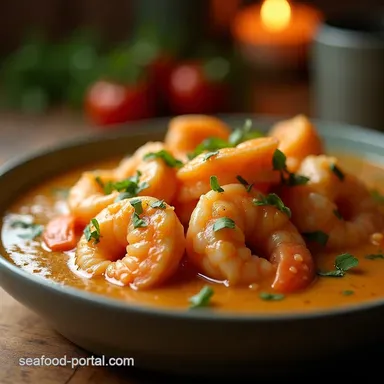
Smoky Southern Comfort the Weeknight Shrimp Étouffée That Tastes Like Sunday Dinner
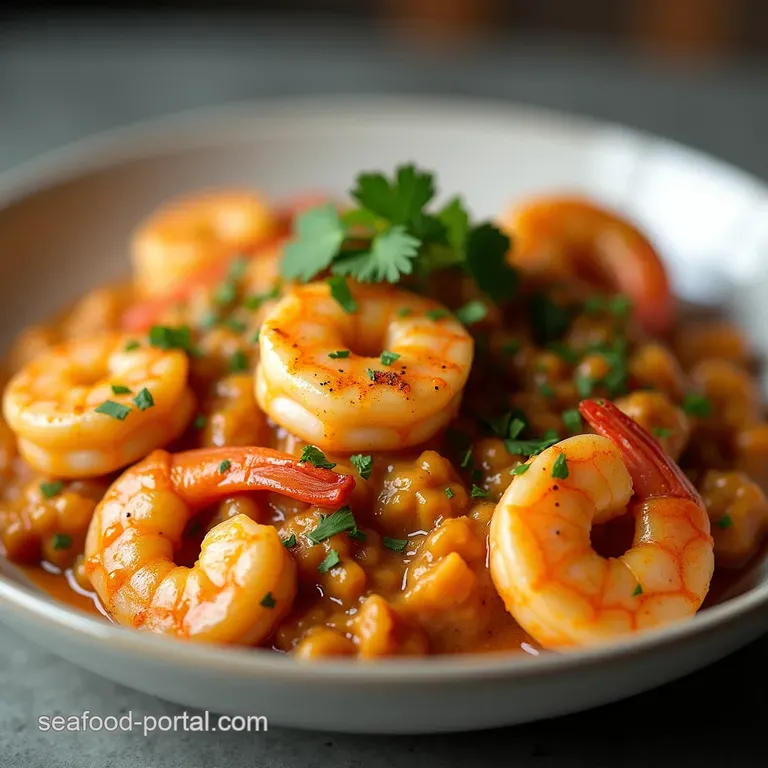
- Unlocking the Soul of Louisiana: Why This Shrimp Étouffée Recipe Shines
- The Secret to Authentic Deep Flavour, Simplified for Home Kitchens
- Gathering the Cornerstone Components for Rich Shrimp Étouffée
- Step-by-Step Mastery: Building Layers of Savoury Goodness
- Elevating Your Serve: Presentation Tips for Classic Southern Comfort
- Making Ahead and Storing Leftover Shrimp Étouffée Magic
- Recipe FAQs
- 📝 Recipe Card
Unlocking the Soul of Louisiana: Why This Shrimp Étouffée Recipe Shines
There are few dishes that transport you straight to the bayous of Louisiana quite like a perfectly executed Shrimp étouffée . This culinary gem, whose name literally translates to "smothered," is the epitome of deep, soulful comfort food.
It’s richer than a simple stew but lighter and brighter than its cousin, gumbo. This Shrimp étouffée recipe is designed not just to replicate that smoky, earthy flavour profile you find in the best New Orleans kitchens, but to make it accessible right in your home.
We’re chasing that deep, nutty character that only comes from mastering the fundamentals, resulting in a dish that tastes like it simmered all day, even if you managed to pull it together for a hearty weeknight meal.
The Secret to Authentic Deep Flavour, Simplified for Home Kitchens
Authentic Louisiana cooking relies on building flavour in stages, layering ingredients so that the final product sings a complex chorus rather than a monotone solo. While this might sound intimidating, the complexity here is approachable.
We achieve depth primarily through two elements: the slow cooked roux and the "Holy Trinity" of vegetables. This particular approach to Cajun shrimp étouffée integrates smoked paprika, providing a subtle background smokiness that mimics slow cooking without requiring hours over a fire.
It’s a clever trick that elevates the standard flavour profile beautifully.
Beyond the Beaten Path: What Makes Our Étouffée Unique
Most classic recipes stick strictly to butter, flour, and the vegetables. What sets this blueprint apart is the deliberate inclusion of smoked paprika. This single addition provides a dimension of warmth and woodsy depth that really helps the savoury notes of the shrimp and stock pop.
On top of that,, we’re focused on using high-quality, low-sodium seafood stock, ensuring that we, the cooks, maintain absolute control over the final salinity of the dish. This level of control is paramount when navigating the rich flavour landscape of traditional Southern cuisine.
Demystifying the Smother: A Taste of Southern Tradition
Understanding what étouffée is helps you cook it better. Unlike gumbo, which relies heavily on okra or file powder for its body, étouffée relies almost entirely on the roux and the natural reduction of the liquid with the vegetables to create its signature velvety texture.
When you begin to learn how to make shrimp étouffée , you are learning a fundamental technique of Cajun cooking: smothering. It’s about cooking ingredients low and slow until they meld into a cohesive, luscious sauce that clings lovingly to the protein.
This technique is what distinguishes it from simpler shrimp preparations.
What You Need Before You Start Stirring the Pot
Before turning on the heat, ensure your workspace is ready. This is a recipe where mise en place having everything chopped and measured is non-negotiable, especially once you hit the roux stage, which demands your undivided attention.
We need 1.5 lbs of large, peeled, and deveined shrimp ready to go, and crucially, our stock must be warmed before it ever meets the roux. Preparation time is worth the investment for achieving this Quick shrimp étouffée experience without sacrificing quality.
Gathering the Cornerstone Components for Rich Shrimp Étouffée
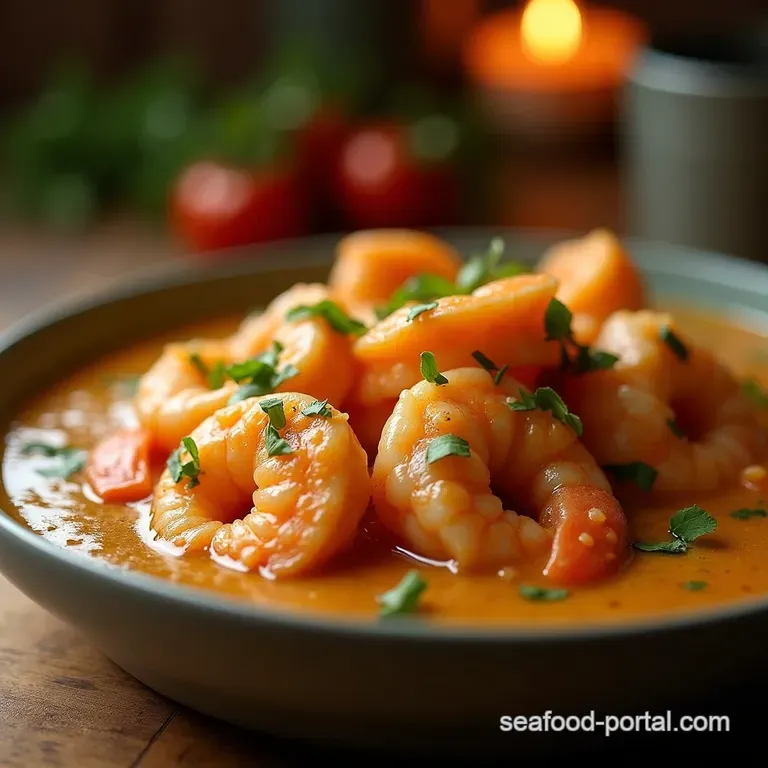
Every great dish begins with great components. For this Shrimp étouffée with white rice , the quality of the shrimp matters immensely, as they are added near the end and should retain their natural sweetness and texture.
However, the real heavy lifting in terms of foundational flavour comes from the aromatics and the fat used to build the base.
Essential Produce and Protein Checklist
The flavour base starts with the Holy Trinity: one large yellow onion, two stalks of celery, and one medium green bell pepper, all finely diced. Don't skimp on the aromatics; they melt down to form the backbone of the sauce. Garlic (four cloves, minced) is added later to prevent burning.
For protein, aim for large or jumbo shrimp, around a 21/25 count per pound, to give a satisfying bite. We also incorporate a standard 14.5 oz can of diced tomatoes fire-roasted, if you can find them, for an extra layer of depth.
Selecting the Right Liquid Gold: Stock vs. Broth Deep Dive
The liquid component is where many home cooks falter. For the best flavour outcome in this Authentic shrimp étouffée , four cups of seafood stock are required. If genuine seafood stock is unavailable, a high-quality, low-sodium chicken stock is the next best choice.
Crucially, this liquid must be kept warm in a separate saucepan while you work on the roux and vegetables. Adding cold stock to a hot roux can shock the mixture, causing it to seize and clump, which ruins the smooth texture we are aiming for.
Tool Kit Essentials for Perfect Consistency
A heavy bottomed Dutch oven or a large, deep, heavy skillet is your best friend here. The thickness of the pot distributes heat evenly, which is vital for preventing the roux from scorching during the long cooking time.
You will also need a good quality whisk for incorporating the liquid smoothly and a sturdy wooden spoon or spatula for scraping the corners of the pot while making the roux.
Related Recipes Worth Trying
- Easy Shrimp Tacos with Zesty Slaw Ready in 20 Mins — Whip up these sensational Easy Shrimp Tacos faster than you can decide what to watch on telly They feature a quick chililime shrimp and tangy slaw Perfect...
- The Ultimate Speedy Shrimp Fried Rice Recipe Better Than Takeout — Ditch the takeaway for this Easy Shrimp Fried Rice recipe ready in under 30 minutes Get that signature flavour using cold rice and simple ingredients
- Foolproof Creamy Shrimp Alfredo Recipe in 35 Minutes — Master this rich restaurantquality Shrimp Alfredo Recipe It delivers a silky garlicky sauce perfect for quick weeknight dinners Get the foolproof steps now
Step-by-step Mastery: Building Layers of Savoury Goodness
This is where the patience pays off. The process moves deliberately from creating the thickener to incorporating the vegetables, and finally, to simmering the sauce until it’s velvety smooth.
Achieving the Ideal Roux Consistency for Your Smother
The foundation of this Easy shrimp étouffée is the roux. In your heavy bottomed pot, melt half a cup of unsalted butter over medium low heat. Slowly whisk in half a cup of all-purpose flour until smooth. Now, the commitment begins: stir constantly, scraping the bottom and sides.
You are aiming for a deep, dark brown colour think milk chocolate or a dark copper penny. This process can take 20 to 30 minutes. If you see tiny wisps of smoke, you are close; if you see large plumes, you’ve gone too far and must start over.
This dark roux imparts the nutty, smoky flavour characteristic of true Louisiana cooking.
The Slow Art of Sautéing the Vegetables (The Trinity)
Once your roux has reached the desired shade, immediately reduce the heat slightly and introduce the diced onion, celery, and bell pepper. Sauté these aromatics directly in the dark roux, stirring frequently for about 8 to 10 minutes until they soften significantly.
Next, stir in the four cloves of minced garlic, along with one teaspoon of smoked paprika, half a teaspoon each of dried thyme and oregano, and your desired amount of cayenne pepper. Cook this fragrant mix for just one minute until the spices bloom.
Incorporating the Thickener and Simmering to Perfection
This stage demands smooth technique. Begin ladling the warm seafood stock into the roux mixture, a little at a time, whisking vigorously after each addition to ensure the roux dissolves completely without lumps.
Once all four cups of stock are incorporated, stir in the can of diced tomatoes (undrained), one tablespoon of Worcestershire sauce, and one bay leaf. Bring the entire mixture up to a gentle simmer, then reduce the heat to low, cover loosely, and allow it to simmer quietly for 20 to 30 minutes.
This extended simmer marries the flavours and allows the sauce to naturally reduce and thicken. Remove the bay leaf before proceeding.
The Grand Finale: Introducing the Shrimp Tenderly
The moment of truth! Increase the heat to medium low. Taste the sauce and adjust seasoning with salt and pepper remembering that the shrimp will release some liquid. Now, gently add the 1.5 lbs of peeled and deveined shrimp.
Shrimp cook very quickly; stir them into the hot liquid and allow them to simmer for only 3 to 5 minutes until they curl slightly and turn perfectly pink and opaque. If you are adding half a cup of frozen green peas, toss them in during the final minute of the shrimp cooking time.
Overcooking the shrimp here will lead to rubbery results, so watch them closely!
Elevating Your Serve: Presentation Tips for Classic Southern Comfort
While Shrimp étouffée is fundamentally rustic, presentation can turn a simple meal into a memorable experience. The key is contrast and colour. Serve your steaming, rich étouffée heaped generously over a bed of pristine, fluffy white rice.
The white rice acts as the perfect canvas, absorbing the sauce while providing textural contrast to the thick stew. Don't forget the garnish: a healthy sprinkle of freshly chopped parsley and thinly sliced green scallions provides necessary bright green and white accents against the deep reddish brown of the smothered sauce.
Making Ahead and Storing Leftover Shrimp Étouffée Magic
One of the many joys of a deeply flavoured dish like this is that the flavour often improves overnight as the spices continue to meld. While the sauce base (without the shrimp) can certainly be made a day ahead, it’s generally best to cook the shrimp right before serving to maintain their tender texture.
Pairing Perfection: Side Dishes That Complement the Richness
Since this dish is so rich and flavourful on its own, the best side dishes are simple and acidic to cut through the fat of the roux. Think about pairing it with a simple side salad dressed with a sharp red wine vinaigrette, or perhaps some classic, slightly sweet Southern cornbread perfect for soaking up those last delicious remnants of the sauce.
Troubleshooting Common Étouffée Issues (Too Thin? Too Salty?)
If, after simmering, your étouffée seems too thin, you can create a slurry: mix one tablespoon of flour (or cornstarch) with two tablespoons of cold water until smooth, then whisk it into the simmering liquid. Cook for two minutes until thickened.
If it is too salty, the fix is harder but possible: add a peeled, raw potato quarter to the pot and allow it to simmer for 15 minutes; the potato will absorb some of the excess saltiness.
Freezing Techniques for Future Comfort Food Cravings
To freeze leftovers successfully, you must separate the components if possible. Cool the sauce base completely, then store it in an airtight container for up to three months. When you are ready to eat, thaw the sauce, reheat gently, and then cook fresh shrimp directly into the sauce right before serving.
Adding the shrimp before freezing tends to make them tough upon reheating.
Recipe FAQs
What on earth is a roux, and why is it so important for my Shrimp Étouffée?
A roux is simply equal parts fat (butter in this case) and flour cooked together, which acts as the essential thickener and flavour base. For étouffée, you need a dark, nutty brown roux think milk chocolate colour which takes patience over low heat.
Rushing it will result in lumps or a pale, pasty flavour, so treat it like a slow Sunday drive, not a motorway dash!
My Shrimp Étouffée tastes a bit thin; how do I thicken the sauce properly?
If your sauce is running thinner than you'd like after simmering, you've got two good options. The recipe suggests making a slurry using a tablespoon of flour mixed with cold water; whisk this in gently and let it simmer for a couple of minutes to activate.
Alternatively, you can simply let it simmer uncovered for another 10 minutes to allow natural evaporation to concentrate the sauce.
Can I make this Shrimp Étouffée ahead of time, or does it need to be cooked fresh?
Étouffée is actually fantastic made ahead! The flavours meld beautifully overnight, making it taste even better the next day perfect for when you’ve got friends popping round unexpectedly.
Store leftovers in an airtight container in the fridge for up to three days, and reheat gently on the stovetop, adding a splash of stock if it has thickened too much upon cooling.
I can't find seafood stock; what's the best substitute for this recipe?
Not a problem if the fishmonger is out! A high-quality, low-sodium chicken stock is the next best thing; just be aware it will lean slightly less towards the ocean. To compensate, add a teaspoon of lemon juice or a splash of dry white wine right before you add the shrimp to brighten the overall taste profile.
How spicy is this dish meant to be, and can I make it milder for the kids?
Traditional étouffée has a pleasant, warming heat, mostly coming from the cayenne pepper listed in the recipe. To make it milder, omit the cayenne pepper entirely or use just a tiny pinch you can always add a dash of hot sauce at the table for those who like it fiery!
The holy trinity provides loads of flavour without any heat whatsoever.
Smoky Shrimp Etouffee