Smoked Haddock with Creamy Potatoes
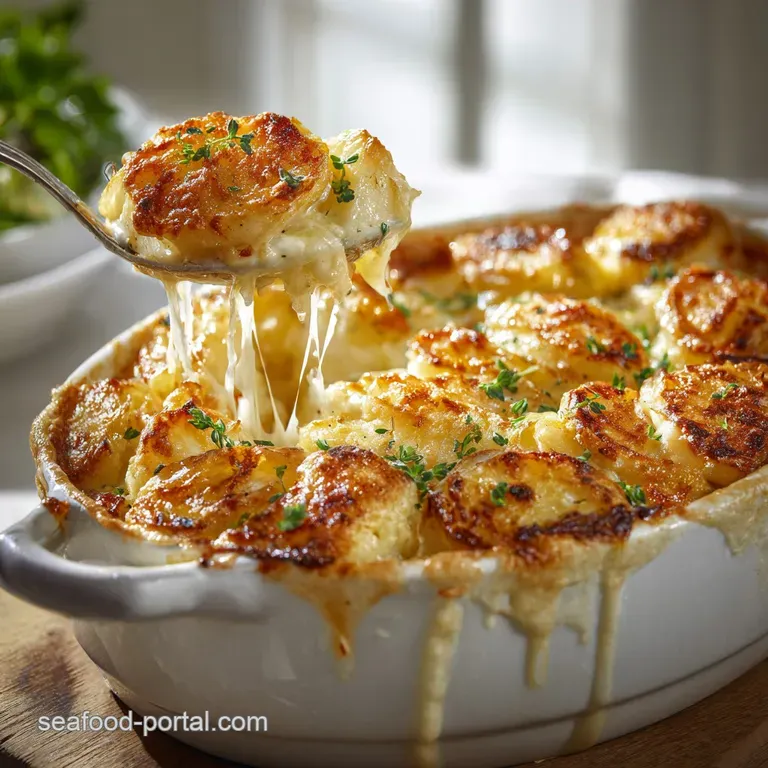
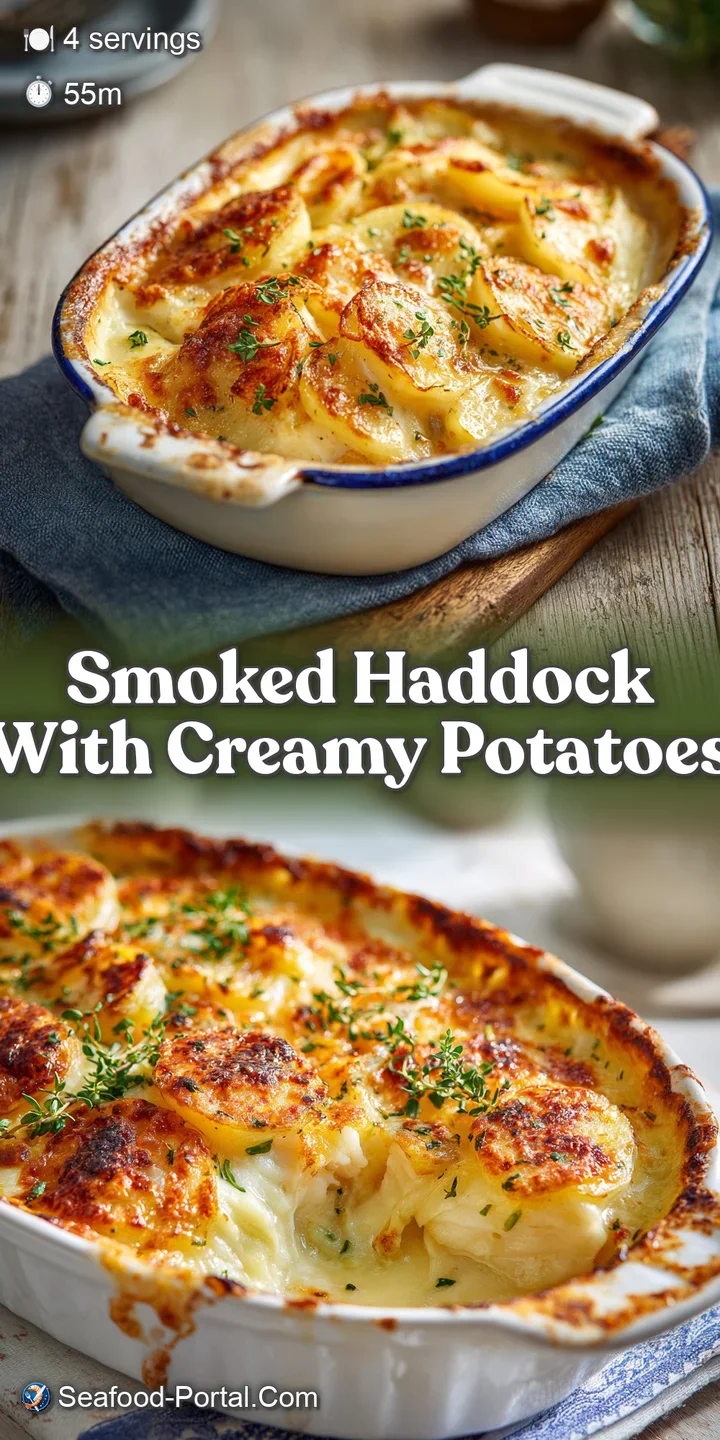
- Time: Active 20 minutes, Passive 35 minutes, Total 55 minutes
- Flavor/Texture Hook: Flaky fish and velvety potatoes
- Perfect for: Cozy weeknight dinners and beginners
- Comfortable Smoked Haddock with Creamy Potatoes
- Science of the Velvety Sauce
- Timing and Temperature Guide
- Elements and Clever Substitutions
- Step-by-Step Cooking Process
- Avoiding Common Cooking Mistakes
- Scaling and Budget Adaptations
- Storing and Repurposing Leftovers
- Debunking Common Kitchen Myths
- Very High in Sodium
- Recipe FAQs
- 📝 Recipe Card
Comfortable Smoked Haddock with Creamy Potatoes
The moment you pull this dish from the oven, the house smells like a coastal cottage. There is that unmistakable sizzle of heavy cream bubbling around the edges of the pan, and the golden cheddar crust offers a satisfying shatter when your spoon finally dives in.
This recipe delivers a comforting and easy smoked haddock idea with creamy potatoes that feels like a warm hug on a cold Tuesday night.
I remember the first time I tried making a fish bake; I used a watery white fish and everything ended up a soggy mess. It was a disaster, honestly. But once I switched to smoked haddock and realized the magic of Yukon Gold potatoes, everything changed.
You get that punchy, salty sweet smoke from the fish that seasons the entire dish from the inside out, while the potatoes soak up all that infused cream.
You are going to love how the sharp white cheddar cuts through the richness of the heavy cream and Dijon mustard. It is a simple assembly job, really, but the result looks like something you’d pay way too much for at a fancy bistro.
We are focusing on high-quality basics here think fresh leeks and a hint of nutmeg to make the flavors pop without making the process difficult.
Science of the Velvety Sauce
The Science of Why it Works: Starch Gelatinization occurs as the potato starch absorbs the milk and cream, thickening the liquid into a stable sauce without needing a flour based roux.
Protein Denaturation in the haddock happens gently within the cream bath, ensuring the fish remains moist rather than becoming tough and rubbery.
Chef's Tip: Freeze your block of sharp cheddar for 10 minutes before grating; it creates much cleaner shreds that melt more evenly into the potato layers.
To get that deep, layered flavor, I always recommend sautéing the leeks until they are just starting to caramelize. It adds a background sweetness that bridges the gap between the salty fish and the neutral potatoes.
Also, adding a tiny pinch of freshly grated nutmeg might seem old-fashioned, but it’s the secret to making any cream based sauce taste "expensive."
| Fish Thickness | Internal Temp | Rest Time | Visual Cue |
|---|---|---|---|
| 1/2 inch | 145°F (63°C) | 3 minutes | Opaque and easily flaked |
| 1 inch | 145°F (63°C) | 5 minutes | Firm to touch, milky white |
| 1.5 inches | 145°F (63°C) | 5 minutes | Center is no longer translucent |
The resting time is non negotiable here. If you cut into the gratin the second it comes out of the oven, the sauce will run everywhere. Letting it sit for five minutes allows the starches to settle, giving you those neat, cafe style portions that stay together on the plate.
Timing and Temperature Guide
When you are planning this Smoked Haddock Idea with Creamy Potatoes, remember that the thickness of your potato slices is the biggest variable. I aim for about 1/8 inch (roughly 3mm) rounds.
If they are too thick, you’ll be waiting forever for them to soften; too thin, and they turn into mush before the fish is even cooked.
Component Analysis and Ingredient Roles
The starch content in your potatoes is what makes or breaks the texture. I strictly use Yukon Golds because they sit right in the middle of the waxy to starchy spectrum. They hold their shape like a champ but still release enough starch to give us that velvety mouthfeel we’re after.
| Ingredient | Science Role | Pro Secret |
|---|---|---|
| Yukon Gold Potatoes | Texture stabilizer | Slice with a mandoline for uniform cooking |
| Smoked Haddock | Umami & salt provider | Use undyed for a cleaner, natural flavor |
| Heavy Cream | Emulsion base | Don't use "light" cream; it will likely split |
While the fish provides the main protein, the leeks are the unsung heroes. They provide a softer, more sophisticated onion flavor that doesn't overwhelm the haddock. If you’ve never cooked with leeks before, just make sure to wash them thoroughly after slicing, as they love to hide grit in their layers.
Elements and Clever Substitutions
For this Haddock Idea with Creamy Potatoes, we are using 1.2 lbs of undyed smoked haddock. Undyed is key it doesn't have that neon yellow food coloring, and the flavor is usually much more refined. You’ll also need those 2 lbs of Yukon Golds to build your foundation.
- Yukon Gold Potatoes (2 lbs): Sliced into 1/8 inch rounds. Why this? They provide a buttery texture without falling apart.
- Smoked Haddock (1.2 lbs): Skinned and cut into 1 inch chunks. Why this? The smoke seasons the cream sauce naturally.
- Heavy Cream (1 cup): Full fat for the best emulsion. Why this? Prevents the sauce from curdling under heat.
- Leeks (2 large): Thinly sliced white and light green parts. Why this? Offers a delicate sweetness better than onions.
- Sharp White Cheddar (0.5 cup): Grated for the crust. Why this? High acidity cuts through the heavy cream.
If you’re looking for a side dish to pair with this, the flavors go beautifully with something green and crisp, similar to the side profiles in the Twice Baked Potatoes recipe.
| Original Ingredient | Substitute | Why It Works |
|---|---|---|
| Heavy Cream | Coconut Milk (full fat) | Similar fat content. Note: Adds a distinct tropical flavor profile |
| Smoked Haddock | Smoked Cod | Similar texture and salt levels, though cod is slightly milder |
| Leeks | Shallots | Provides a concentrated, sweet onion flavor with less bulk |
Using shallots instead of leeks is a great trick if you want a punchier aromatics base. Just make sure to use about 4 or 5 of them to get the same volume. Also, don't skip the Dijon mustard; it acts as a natural emulsifier, helping the milk and cream stay united during the bake.
step-by-step Cooking Process
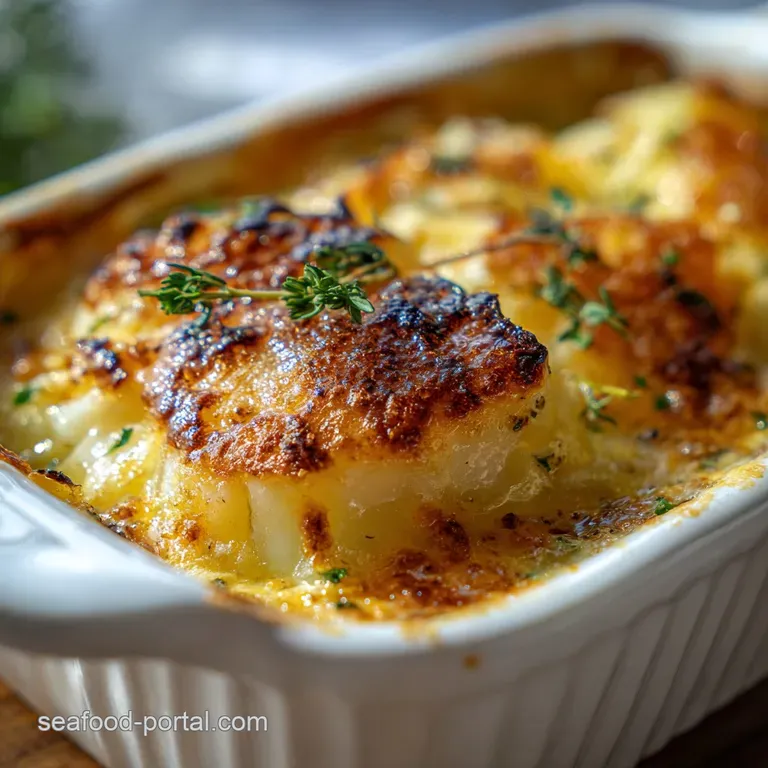
Right then, let's get into the kitchen. The goal here is layers. We want the fish tucked in between the potatoes so it poaches gently in the cream.
1. Prepare the Starchy Foundation
Peel your 2 lbs of Yukon Gold potatoes and slice them into 1/8 inch rounds. Boil them in salted water for about 5 to 8 minutes until just tender but not breaking. Drain them well and let the steam escape; this prevents the final dish from being watery.
2. Sauté the Aromatics
Melt 2 tbsp of unsalted butter in a pan over medium heat. Add your sliced leeks and cook until soft and translucent. Stir in the 2 minced garlic cloves for just 30 seconds until the aroma fills the room.
3. Infuse the Cream
In a small jug, whisk together 1 cup heavy cream, 0.5 cup whole milk, 1 tbsp Dijon mustard, 0.25 tsp nutmeg, and 0.25 tsp black pepper. This is your "flavor engine" that will tie the Smoked Haddock with Creamy Potatoes together.
4. The Layering Strategy
Grease a baking dish and lay down half of your par boiled potatoes. Scatter the 1.2 lbs of smoked haddock chunks and the sautéed leeks over the top. Cover with the remaining potatoes in an overlapping pattern.
5. The Golden Bake
Pour the cream mixture evenly over the dish. Sprinkle with the 0.5 cup of sharp white cheddar. Bake at 400°F (200°C) for 25 to 30 minutes until the top is bubbling and deep golden.
6. The Finishing Touch
Remove from the oven and let it rest for 5 minutes. Sprinkle with 1 tbsp of fresh chives before serving. This adds a bright, oniony crunch that cuts through the rich sauce.
Avoiding Common Cooking Mistakes
Even a straightforward Idea with Creamy Potatoes can go sideways if you aren't careful with moisture levels. The most common heartbreak is a "soupy" bake where the fish and potatoes are swimming in liquid.
Usually, this happens because the potatoes weren't drained well or the fish was previously frozen and released extra water.
Why Your Sauce Separated
If your sauce looks curdled or oily, it’s usually because of the heat or the fat content. High heat can cause the proteins in lower fat dairy to clump together.
| Problem | Root Cause | Solution |
|---|---|---|
| Watery sauce | Potatoes weren't par boiled | Always pre cook potatoes to release excess water and starch |
| Rubbery fish | Overcooked in the oven | Cut fish into larger 1 inch chunks to slow down cooking |
| Bland flavor | Not enough salt in potato water | Salt the boiling water heavily; it's your only chance to season the potato interior |
Common Mistakes Checklist
- ✓ Pat the haddock dry with paper towels to remove excess brine.
- ✓ Use undyed haddock to avoid a distracting yellow tint in the cream.
- ✓ Don't skip the par boiling step; raw potatoes take much longer than fish to cook.
- ✓ Always use heavy cream (at least 36% fat) to ensure a stable, silky emulsion.
- ✓ Let the dish rest for 5 minutes to allow the sauce to thicken before serving.
If you find yourself with extra seafood and want something different, you could try using the leftovers in a Crab Cake Remoulade recipe style dish, substituting the crab for flaked haddock. It makes an incredible breakfast the next day!
Scaling and Budget Adaptations
Scaling this Haddock Idea with Creamy Potatoes is pretty simple since it's a casserole style dish. If you are cooking for a crowd, just double everything and use a larger roasting tin.
However, keep the salt and spices to about 1.5x the original amount; smoked fish carries a lot of salt, and it's easy to overdo it when you scale up.
If smoked haddock is a bit pricey at your local market, don't worry. You can definitely make this more budget friendly by mixing the fish types or using frozen options. Just be sure to thaw and dry frozen fish completely before starting.
| Premium Option | Budget Alternative | Flavor Impact | Savings |
|---|---|---|---|
| Fresh Smoked Haddock | Frozen Smoked Haddock | Slightly softer texture but same great smoke | Save $5-7 |
| All Smoked Haddock | Half Haddock / Half Pollack | Less intense smoke but more bulk for less money | Save $4-6 |
| Yukon Gold Potatoes | Russet Potatoes | Fluffier, less creamy texture; might break apart more | Save $1-2 |
When scaling down for two people, use a smaller gratin dish to keep the layers thick. If the layers are too thin, the cream will evaporate too quickly, and you'll lose that velvety texture.
For a two person serving, I usually just use one large leek and half the amount of potatoes, but I keep the fish chunks the same size.
Storing and Repurposing Leftovers
This dish keeps surprisingly well in the fridge for up to 3 days. The potatoes actually continue to absorb the cream, so it can be even richer the next day. To reheat, I suggest putting it back in the oven at 350°F (175°C) covered with foil to keep it from drying out.
Avoid the microwave if you can, as it can make the fish a bit rubbery.
For zero waste, if you have leek tops (the dark green parts) left over, don't throw them out! Wash them well, chop them roughly, and throw them into a freezer bag for your next vegetable stock.
Also, any leftover flaked fish and potato can be mashed together with an egg and some breadcrumbs to make incredible fish cakes for lunch the next day.
Debunking Common Kitchen Myths
There’s a long standing myth that you shouldn't mix cheese and fish. Honestly, it’s total nonsense in the context of a gratin. The sharp white cheddar doesn't mask the haddock; it provides a necessary acidic counterpoint to the smoke. Without it, the dish can feel a bit one dimensional and overly heavy.
Another myth is that soaking potatoes in cold water removes all the starch you need. While soaking does remove surface starch (which prevents sticking), it doesn't strip the internal starch that we rely on for thickening our cream sauce.
Par boiling is the real key here, as it "sets" the starch and ensures every slice is cooked through at the same time as the fish.
Finally, some people think smoked fish is already "cooked" and just needs warming. While smoking does preserve it, the haddock in this recipe is cold smoked, meaning it still needs to reach that 145°F internal temperature to have that perfect, flaky texture.
Trust the bake time it's what transforms the raw chunks into those silky, opaque flakes we love. This Smoked Haddock with Creamy Potatoes is all about patience and layering, so let those flavors meld together properly!
Very High in Sodium
1280 mg mg of sodium per serving (56% of daily value)
The American Heart Association recommends limiting sodium intake to approximately 2,300mg per day.
Sodium Reduction Tips for Your Haddock Recipe
-
Choose Fresh Haddock-25%
Opt for fresh haddock instead of smoked, as smoked fish is significantly higher in sodium. This simple swap can drastically reduce the sodium content of your dish. Rinse fish under cold water prior to cooking.
-
Reduce Cheese-15%
The sharp cheddar cheese contributes a significant amount of sodium. Try reducing the amount of cheese by half or using a low-sodium cheese alternative. Consider using a blend of cheeses to maintain flavor.
-
Reduce Added Salt-15%
The recipe calls for 1 tsp of sea salt. Start with half the amount (1/2 tsp) and taste before adding more. You can always add more, but you can't take it away!
-
Low-Sodium Dijon-10%
Choose a low-sodium Dijon mustard. Many brands offer reduced sodium versions that don't compromise on flavor. Check the label and compare sodium content.
-
Consider Milk Choice-5%
Ensure your milk is not a processed variety with added sodium ingredients. Stick to whole milk without any additional flavourings or additions.
-
Spice It Up!
Enhance the flavor with sodium free herbs and spices like dill, parsley, or garlic powder to compensate for the reduction in salt. Experiment with different combinations to find your favorite flavor profile.
Recipe FAQs
What goes well with smoked haddock for dinner?
Creamy potatoes are an excellent pairing. They soak up the rich flavors of the fish and cream sauce beautifully. For a complete meal, consider serving with a side of steamed greens or a crisp salad to balance the richness.
What are some common mistakes with creamy potatoes?
Overcooking until mushy is a common pitfall. Ensure potatoes are just tender when par-boiled; they will continue to cook in the oven. Watery results often stem from not draining them thoroughly after boiling.
What pairs well with smoked fish?
Creamy, starchy sides are ideal companions. Think potatoes, rice, or even a hearty risotto. The richness complements the salty, smoky notes of the fish. You might also enjoy how similar flavor profiles work in our Rich Creamy Seafood Chowder The Best New England Classic.
What's the best way to cook smoked haddock fillets?
Gentle poaching in a creamy sauce is ideal. This method ensures the fish remains moist and flakes beautifully. Bake it with creamy potatoes, as in this recipe, allowing the residual heat and sauce to cook it through perfectly.
Can I use frozen smoked haddock?
Yes, but thaw and dry it thoroughly first. Frozen fish can release extra moisture, which can make your creamy sauce watery. Patting it very dry with paper towels is crucial for the best texture.
Why is my creamy potato bake watery?
Likely culprits are undrained potatoes or too much liquid. Ensure potatoes are well drained after par-boiling and that you're using the specified amount of cream and milk. If you enjoyed controlling the sauce consistency here, see how the same skill applies to creating a silky sauce in our Baked Scallop Recipe with White Wine Citrus Basil - Silky Sauce.
How do I prevent the fish from drying out?
Cook the haddock gently and avoid overbaking. Layering it within the potatoes and cream bath helps it poach rather than steam dry. Ensure the fish is cut into manageable chunks to cook evenly with the potatoes.
Smoked Haddock Creamy Potatoes

Ingredients:
Instructions:
Nutrition Facts:
| Calories | 684 kcal |
|---|---|
| Protein | 37g |
| Fat | 42g |
| Carbs | 41g |
| Fiber | 5g |
| Sugar | 6g |
| Sodium | 1280 mg |
