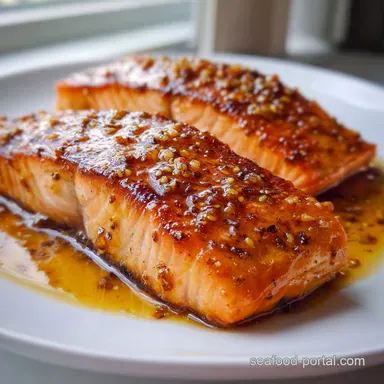
Simple Salmon Recipe: Garlic Butter Honey Glaze
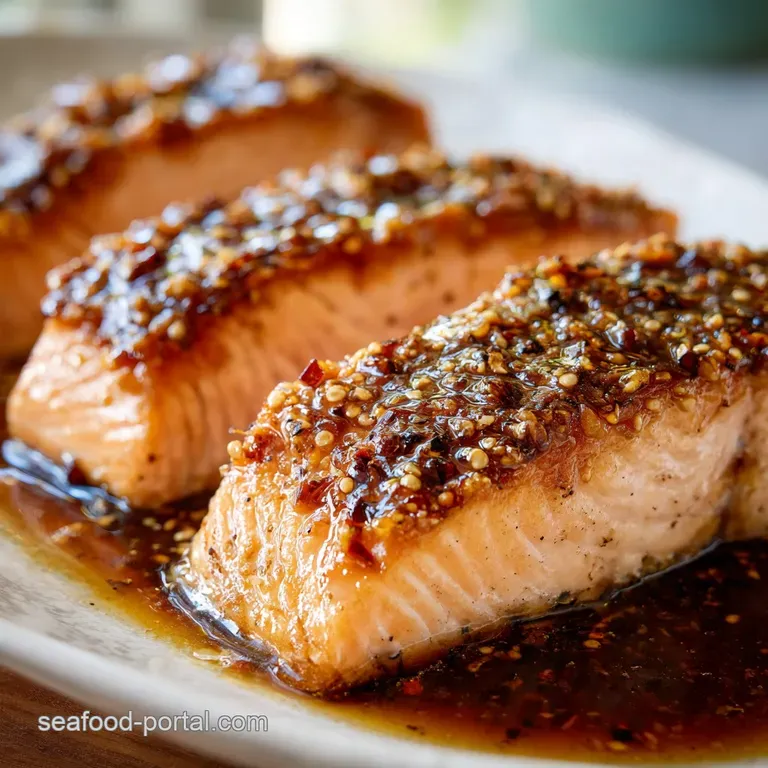
- Time: 10 min active + 12 min cook = Total 22 minutes
- Flavor/Texture Hook: Mahogany crisp skin with a velvety honey garlic glaze
- Perfect for: Impressive weeknight dinners or quick date nights
That first crackle when the fish hits the hot cast iron is the best sound in the kitchen. I remember the first time I tried to do this, I was so nervous about overcooking the fillets that I kept flipping them every thirty seconds. I ended up with a grey, steamed piece of fish that had the texture of wet cardboard.
It was a disaster, but it taught me the most important lesson about seafood: leave it alone.
The real magic here is the honey. Most people just use lemon and butter, which is fine, but the honey creates this gorgeous, sticky glaze that clings to the fish. It provides a sharp contrast between the salty, savory skin and a bright, sweet finish.
Once I stopped fussing with the pan and let the heat do the work, this simple salmon recipe became my go to for whenever I need a "fancy" dinner in under half an hour.
You can expect a fillet that is flaky and moist on the inside but has a skin that actually shatters when you bite into it. We're going to focus on the contrast of textures and the balance of the garlic butter. Trust me, once you see that mahogany crust forming, you'll never go back to bland baked fillets again.
This Simple Salmon Recipe Works
Getting the skin right is where most people trip up. If there's any moisture on the surface, the fish just slides around and steams instead of searing. By patting it bone dry, you're creating a direct path for the heat to transform those proteins into a crisp, golden crust.
The honey is the secret weapon for the finish. Because honey has a higher sugar content than just butter, it caramelizes quickly under the heat. When you baste the fish, you're essentially glazing it in real time, which locks in the juices while adding a deep, rich color that looks like it came from a professional kitchen.
- The Heat Jump
- Using a cast iron skillet keeps the temperature stable, so the fish doesn't drop in temp when it hits the pan.
- The Press
- Pressing the fish down for those first few seconds prevents the skin from curling, ensuring every millimeter of that surface gets a sear.
- The Butter Baste
- Pouring the bubbling glaze over the top cooks the upper part of the fillet gently while adding a velvety layer of flavor.
| Method | Time | Texture | Best For |
|---|---|---|---|
| Pan Sear (This) | 22 minutes | Shatter crisp skin, moist center | Fast weeknights |
| Slow Bake | 45 minutes | Uniformly soft, buttery | Large crowds |
| Air Fryer | 15 minutes | Evenly browned, leaner | Healthy meal prep |
Component Analysis
Understanding what each ingredient does helps you tweak this simple salmon recipe without ruining the balance. It's not just about flavor, but about how the ingredients react to the heat.
| Ingredient | Science Role | Pro Secret |
|---|---|---|
| Kosher Salt | Draws out moisture | Salt 10 mins before to dry the skin further |
| Honey | Caramelization agent | Use a mild clover honey to avoid overpowering the fish |
| Unsalted Butter | Flavor carrier | Use European style butter for a richer, silkier glaze |
| Fresh Lemon | Acid balance | Add the juice at the very end to keep the flavor bright |
Grocery List Secrets
When picking your fish, go for center cut fillets. They have a consistent thickness, which means every piece finishes cooking at the exact same time. If you get a tapered piece, the thin end will be dry by the time the thick part is safe to eat.
For the Salmon
- 4 (6 oz / 170g) salmon fillets Why this? Consistent thickness for even cooking
- 1/2 tsp (3g) kosher salt Why this? Larger grains are easier to control
- 1/4 tsp (1g) cracked black pepper Why this? Adds a floral heat to the rich fish
For the Garlic Butter Glaze
- 3 tbsp (42g) unsalted butter Why this? Allows you to control the salt level
- 3 cloves (9g) garlic, minced Why this? Fresh garlic has a sharper, cleaner bite
- 1 tbsp (21g) honey Why this? Creates the sticky, mahogany glaze
- 1 tbsp (15ml) fresh lemon juice Why this? Cuts through the fat of the salmon
- 1 tsp (2g) fresh parsley, chopped Why this? Adds a pop of color and freshness
If you can't find everything, don't sweat it. This simple salmon recipe is flexible.
| Original Ingredient | Substitute | Why It Works |
|---|---|---|
| Honey (1 tbsp) | Maple Syrup (1 tbsp) | Similar sugar profile. Note: Adds a woody, autumnal note |
| Unsalted Butter | Olive Oil (3 tbsp) | High smoke point. Note: Loses the creamy, nutty flavor |
| Lemon Juice | Apple Cider Vinegar | Similar acidity. Note: More pungent, use slightly less |
| Parsley | Fresh Chives | Mild onion flavor. Note: Pairs well with the garlic |
Essential Pan Gear
You don't need a kitchen full of gadgets, but the pan matters. A 12 inch cast iron skillet is the gold standard here because it holds heat like a beast. If you use a thin non stick pan, you'll notice the temperature drops the second the fish hits the surface, and you'll lose that shatter crisp skin.
If you don't have cast iron, a stainless steel pan works great, but be prepared for a bit more sticking. I usually suggest a heavy bottomed skillet to avoid hot spots that burn the garlic.
Step by step Method
Let's get into it. The goal is a high contrast result: a dark, crisp exterior and a tender, translucent pink interior.
The Prep Phase
- Pat the salmon fillets completely dry on all sides using paper towels. Note: Any water left will cause the fish to steam instead of sear
- Season generously with salt and pepper.
The Sear Phase
- Heat a 12 inch cast iron skillet over medium high heat until a faint wisp of smoke appears.
- Place fillets skin side down, pressing firmly with a spatula for 10 seconds. Note: This prevents the fish from curling up
- Cook undisturbed for 5–6 minutes until the skin is mahogany colored and releases easily.
- Carefully flip the fillets using a wide spatula.
The Basting Phase
- Reduce heat to medium and add butter, minced garlic, and honey to the pan.
- Tilt the pan and use a spoon to continuously pour the bubbling garlic butter glaze over the salmon for the final 3 minutes.
- Remove from heat when the internal temperature reaches 135°F (57°C) and garnish with chopped parsley.
Chef's Note: If you see a white, gooey substance seeping out of the fish, don't panic. That's just albumin, a protein that pushes out when the muscles contract. It's totally safe to eat, but it usually means the fish is starting to get too hot.
Fixing Common Mistakes
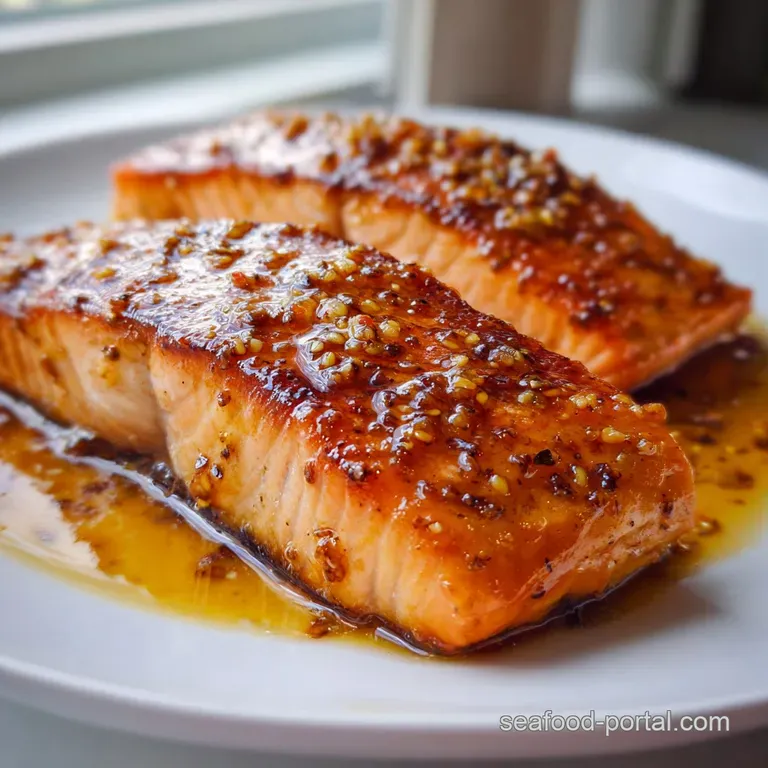
Even with a simple salmon recipe, things can go sideways. Most of the time, it's a temperature issue. According to Serious Eats, managing the heat is the difference between a rubbery fillet and a buttery one.
The Salmon is Sticking
If the fish won't budge, it's usually because the pan wasn't hot enough or the fish was too cold. When the proteins sear, they naturally release from the metal. If you tug and it resists, give it another minute.
The Glaze is Burning
Honey burns fast. If the butter starts to turn black instead of brown, your heat is too high. Lower the flame immediately or move the pan off the burner for a few seconds.
The Middle is Too Raw
Salmon varies in thickness. If the skin is perfect but the center is too raw, use a lid to cover the pan for 60 seconds during the baste. This traps the heat and cooks the top more efficiently.
| Problem | Root Cause | Solution |
|---|---|---|
| Skin tears | Flipped too early | Wait until it releases naturally |
| Bitter taste | Burnt garlic | Add garlic 30 seconds later in the process |
| Dry texture | Overcooked | Pull at 135°F (57°C) for carry over cooking |
- ✓ Use a meat thermometer for precision.
- ✓ Dry the fish with a paper towel, not a cloth.
- ✓ Use a heavy spatula to ensure skin contact.
- ✓ Don't crowd the pan or the temperature will plummet.
- ✓ Let the fish rest for 2 minutes before serving.
Tweaking the Flavors
Depending on what's in your pantry, you can pivot this simple salmon recipe in a few directions. If you want something leaner, you can swap the butter for avocado oil, though you'll lose that velvety finish.
Keto Swap
For a low carb version, simply omit the honey. To keep the sweetness, you can use a tiny bit of allulose or just lean into the garlic butter and lemon. It's still incredibly flavorful without the sugar.
Dairy-free Option
Use a vegan butter alternative or a high-quality olive oil. The honey and garlic will still provide the bulk of the flavor, though the sauce will be thinner and less creamy.
Air Fryer Way
Rub the fillets with oil and seasoning, then air fry at 400°F (200°C) for about 8-10 minutes. Brush the honey garlic mixture on for the last 2 minutes of cooking.
Oven Variation
If you're cooking for a big group, a baked salmon recipe is easier. Roast at 400°F (200°C) for 12-15 minutes, then broil the honey garlic glaze on top for 2 minutes. If you're looking for other seafood options for a crowd, you might like my quick baked trout recipe.
Adjusting the Batch
When you're making this for more than four people, don't try to cram them all into one pan. If you crowd the skillet, the fish will release moisture and boil in its own juices, ruining the sear.
Scaling Down: If you're just cooking for one, use a smaller 8 inch skillet. Reduce the butter and honey by half, but keep the garlic the same you can't have too much garlic.
Scaling Up: Work in batches. Sear two fillets, remove them to a plate, and then do the next two. You can baste them all together at the end by putting them all back in the pan for the final 2 minutes.
Baking Adjustments: If you decide to do this in the oven for a larger group, lower the temperature to 375°F (190°C) and extend the time by about 5 minutes. This prevents the outside from drying out before the center is done.
Common Cooking Myths
There's a lot of bad advice out there about fish. Let's clear a few things up so you can trust your instincts with this simple salmon recipe.
The "Seal in Juices" Myth: You'll hear people say searing "seals" the fish. It doesn't. Moisture leaves the fish regardless of how you cook it. The sear is entirely about flavor and texture it's all about that beautiful crust.
The "Cold Fish" Myth: Some say you should cook fish straight from the fridge. Actually, letting it sit out for 15 minutes takes the chill off, which helps it cook more evenly so the outside doesn't overcook before the inside is done.
The "Skinless is Easier" Myth: People avoid skin on salmon because they're afraid of sticking. In reality, the skin acts as a heat shield, protecting the delicate flesh from the direct intensity of the pan.
Keep and Warm Up
If you have leftovers, store them in an airtight container in the fridge for up to 3 days. Avoid the freezer unless you're okay with a change in texture, as salmon can become mushy when frozen and thawed.
Reheating: Don't microwave it that's a one way ticket to rubbery fish. Instead, put the fillet in a pan over low heat with a tiny pat of butter. Cover it with a lid for 2-3 minutes just to warm it through.
Zero Waste: Don't throw away the salmon scraps or the skin if it falls off. You can crisp up leftover skin in a pan and use it as a salty garnish for salads. Alternatively, any leftover fillets are great when flaked into a pasta or a cold salad the next morning.
Side Dish Ideas
Because this simple salmon recipe is rich and sweet, you need sides that bring some acidity or freshness to the plate.
I love serving this with roasted asparagus or a crisp arugula salad with a lemon vinaigrette. The bitterness of the greens cuts right through the honey butter glaze. Another great option is a bed of fluffy quinoa or wild rice to soak up the extra garlic butter from the pan.
For a truly indulgent seafood night, serve this alongside a rich crawfish julie sauce over pasta. The creaminess of the sauce pairs beautifully with the charred, sweet crust of the salmon. Just keep the sides light so the fish remains the star of the show.
Recipe FAQs
What is the simplest way to cook salmon?
Pan-searing in a cast iron skillet. Pat fillets dry and sear skin side down for 5-6 minutes before basting with garlic butter and honey.
How to bake salmon for gastritis?
Bake the fillets at a moderate temperature. Use the lemon juice and honey for moisture and avoid the high heat searing process to keep the dish gentle on the stomach.
Can you eat salmon with albumin?
Yes. Salmon is a high protein food that typically complements albumin supplements or protein focused diets.
How to cook salmon for kidney disease?
Omit the kosher salt. Follow the pan-searing method but rely on fresh lemon juice and garlic to provide flavor without the sodium.
How to get the skin crispy?
Pat the salmon completely dry. Press the fillets firmly with a spatula for 10 seconds upon contact with the hot pan to ensure total skin contact.
Is it true that salmon must be cooked until it's opaque throughout?
No, this is a common misconception. Removing the fish when the internal temperature reaches 135°F (57°C) keeps the center tender and translucent.
What can I serve with this salmon?
Steamed asparagus or wild rice. The rich garlic butter pairs perfectly with a spicy dipping sauce for a zesty contrast.
Simple Salmon Recipe