Silky Salmon Sushi Rolls
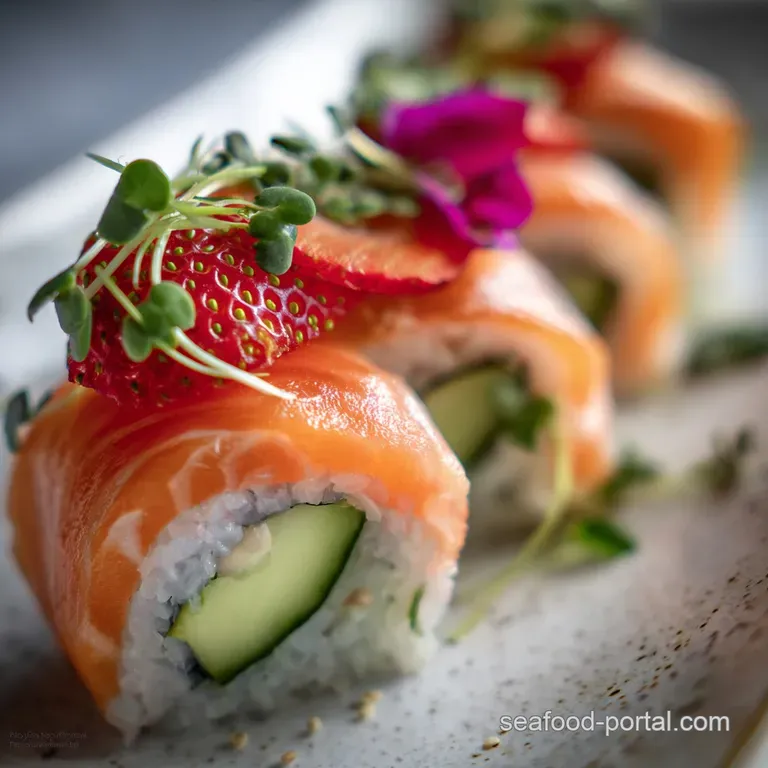
- Time: Active 40 minutes, Passive 20 minutes, Total 1 hours
- Flavor/Texture Hook: Silky salmon meets the crisp shatter of nori and vinegared rice.
- Perfect for: Impressive date nights or interactive family dinners.
- Rolling the Best Sushi at Home
- Essential Specs for the Recipe
- Picking Your Seafood and Grains
- Necessary Tools for Smooth Preparation
- Rolling Your Masterpiece Step-by-Step
- Solving Common Rolling Problems
- Fun Substitutions and Global Variations
- Storage and Smart Zero Waste Tips
- Plating Ideas for Stunning Results
- High in Sodium
- Recipe FAQs
- 📝 Recipe Card
Rolling the Best Sushi at Home
The first time I stood at my counter with a bamboo mat, my kitchen smelled like a seaside dock in Tokyo. It was that sharp, clean scent of rice vinegar hitting warm grains, mixed with the briny whisper of nori.
I remember the literal shatter of the seaweed under my fingers because I pressed too hard - a mistake I've made so you don't have to.
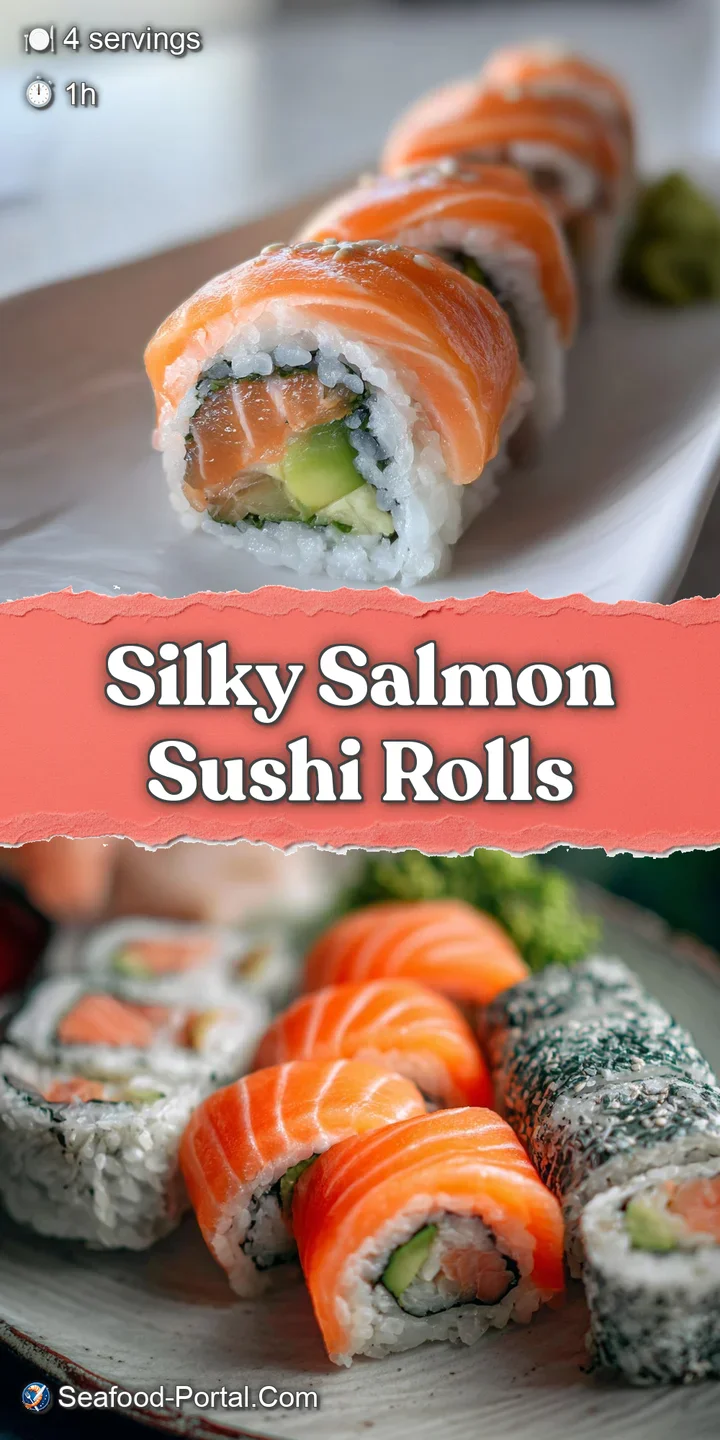
When you finally pull it off, there's a specific magic to that first bite. You get the velvety texture of the salmon, the snap of the cucumber, and the way the rice holds its shape just long enough to hit your tongue. It's about layers of flavor building from the grain up, rather than just raw fish on a plate.
We're going to walk through the small details that make a huge difference. From the way you wash your rice to the angle of your knife, these tricks transform a simple meal into something that looks and tastes like it came from a high end bar. Let's get into the rhythm of the roll.
Essential Specs for the Recipe
- Mechanism: Starch gelatinization. Rinsing the rice removes excess surface starch, ensuring grains are sticky enough to hold together but distinct enough to avoid being a mushy paste.
- Acid Balance: The rice vinegar doesn't just add flavor. It acts as a preservative and tightens the starch, giving the rice its signature shiny, polished look.
- Thermal Control: Cooling the rice quickly with a fan while folding in seasoning prevents the grains from overcooking in their own steam, keeping the texture bouncy.
| Method | Prep Time | Resulting Texture | Best For |
|---|---|---|---|
| Stove Top | 20 minutes | Firm, distinct grains | Traditionalists and purists |
| Rice Cooker | 20 minutes | Consistently fluffy | Busy weeknight rolling |
| Instant Pot | 12 minutes | Denser, stickier | Quick sushi bowls |
Choosing your cooking method is the first step in building those flavor layers. If you want to dive deeper into the foundation of any good roll, you should definitely check out my guide on a great How to Make recipe for rice. It'll give you that professional shine every time.
Picking Your Seafood and Grains
| Component | Science Role | Pro Secret |
|---|---|---|
| Short grain Rice | High amylopectin content | Never use long grain; it won't stick. |
| Rice Vinegar | Denatures surface proteins | Add sugar/salt to vinegar while warm. |
| Sashimi Salmon | Healthy fat source | Freeze for 20 mins before slicing. |
| Nori Sheets | Structural integrity | Toast lightly over a flame first. |
Each ingredient serves a purpose in the architecture of your roll. Here is what you'll need to grab from the store to get started:
- 2 cups Japanese short grain rice: Essential for the sticky texture. Why this? High starch content ensures the roll holds its shape. (Substitute: Calrose rice)
- 2 ¼ cups filtered water: Clean water means clean flavor. (Substitute: Tap water)
- ¼ cup rice vinegar: Provides the signature tang. Why this? Lower acidity than white vinegar; won't overpower fish. (Substitute: Apple cider vinegar)
- 2 tbsp granulated sugar: Balances the vinegar's sharp edge. (Substitute: Honey)
- 1 tsp sea salt: Enhances the overall umami. (Substitute: Table salt)
- 4 sheets Nori: The "wrapper" that keeps it all together. (Substitute: Soy paper)
- 6 oz Sashimi grade Salmon: The buttery heart of the dish. (Substitute: Smoked salmon)
- 1 Persian cucumber: Adds a refreshing crunch. (Substitute: English cucumber)
- 1 ripe avocado: Provides a creamy contrast to the fish. (Substitute: Cream cheese)
- 4 oz imitation crab: Adds sweetness and texture variety. (Substitute: Cooked shrimp)
Necessary Tools for Smooth Preparation
Having the right gear makes the difference between a relaxing evening and a kitchen nightmare. You don't need a thousand gadgets, but a few specific items are non negotiable for success.
First, a bamboo rolling mat (makisu) is your best friend. It provides even pressure that human fingers just can't replicate. If you don't have one, a clean kitchen towel covered in plastic wrap works in a pinch, though it's a bit more finicky.
You'll also need a very sharp knife. A dull blade will squash your beautiful rolls instead of slicing through them. I always keep a damp cloth nearby to wipe the blade between every single cut. This prevents the rice from sticking and tearing the nori.
Finally, a large wooden or plastic bowl (hangiri) is best for seasoning the rice, as metal can react with the vinegar and alter the flavor profile.
Rolling Your Masterpiece step-by-step
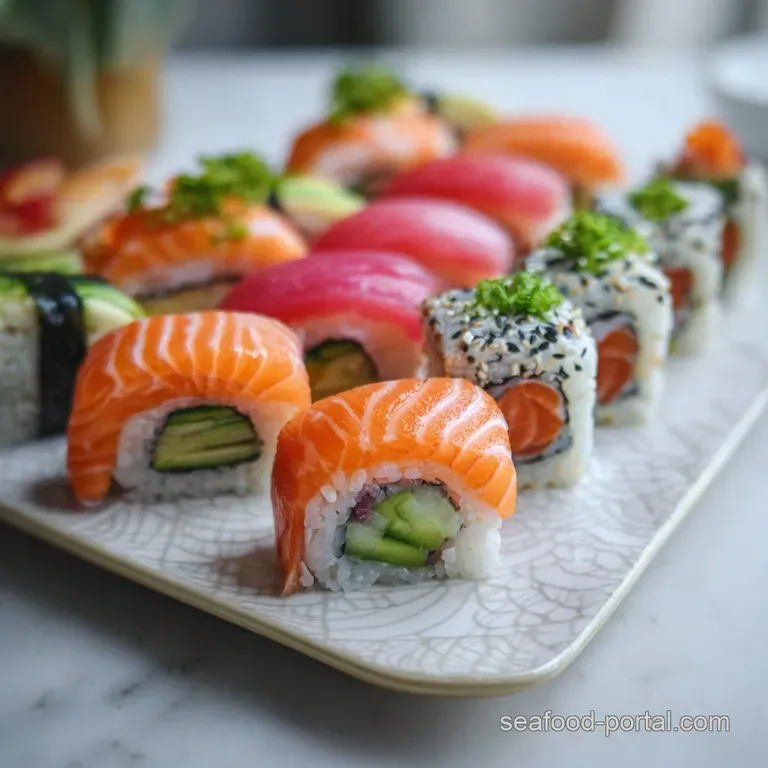
1. Polishing the Rice
Rinse the 2 cups of rice in a bowl of cold water, swirling with your hand. Drain and repeat about 4 to 5 times until the water runs clear. Note: This prevents the rice from becoming a gummy, starchy block.
2. Simmering and Steaming
Combine rice and 2 ¼ cups water in a pot. Bring to a boil, then cover and simmer on low for 15 minutes. Remove from heat and let sit, covered, for 10 minutes until all water is absorbed and grains are plump.
3. Seasoning and Cooling
Mix the rice vinegar, sugar, and salt until dissolved. Transfer warm rice to a large bowl and drizzle the mixture over it. Use a folding motion with a spatula until the rice looks glossy and smells fragrant. Use a fan to cool it to room temperature.
4. Constructing the Layers
Place a nori sheet on your bamboo mat, shiny side down. Wet your hands with water (tezu) to prevent sticking. Spread about 1 cup of rice over the nori, leaving a 1 inch border at the top until the rice is an even, thin layer.
5. For the Fillings
Lay the salmon strips, cucumber, avocado, and imitation crab across the center of the rice. Don't overstuff, or the roll won't close. Place the ingredients in a tight line until the center feels substantial but manageable.
6. Executing the Roll
Lift the edge of the mat closest to you and fold it over the filling. Tuck the edge of the nori under the filling and continue rolling with firm pressure until you reach the bare nori border.
7. Slicing with Precision
Moisten your sharp knife with a damp cloth. Slice the roll in half, then into quarters, then eighths. Wipe the knife between every cut until you see clean, beautiful cross sections.
Solving Common Rolling Problems
Fixing Mushy Rice
If your rice feels more like mashed potatoes than distinct grains, you likely over agitated it while seasoning or used too much water.
| Problem | Root Cause | Solution |
|---|---|---|
| Rice is too sticky | Excessive surface starch | Rinse rice until water is crystal clear. |
| Nori is chewy/rubbery | Moisture from rice absorbed | Roll and serve immediately; don't wait. |
| Roll falls apart | Too little rice or pressure | Use a damp finger to "glue" the nori edge. |
Creating great sushi takes a bit of practice, but keeping these checkpoints in mind will save your dinner.
- ✓ Always use a "folding" motion with your spatula, never a "stirring" motion, to keep grains intact.
- ✓ Keep a small bowl of "tezu" (water and a splash of vinegar) to dip your fingers in constantly.
- ✓ Ensure the rice is cooled to room temperature before it touches the nori to prevent wilting.
- ✓ Pat your cucumber strips dry with a paper towel to avoid excess moisture inside the roll.
- ✓ Apply firm, even pressure with the bamboo mat, but don't squeeze so hard the filling squirts out.
Fun Substitutions and Global Variations
If the thought of raw fish still makes you a little nervous, don't sweat it. You can still enjoy the craft! For a warm, comforting twist that’s been taking social media by storm, I highly recommend trying a Sushi Bake Recipe. It’s basically a deconstructed roll that you bake in a pan, and it's incredibly forgiving for beginners.
The Spicy Tuna Firecracker
Swap the salmon for canned or fresh tuna mixed with sriracha and a drop of sesame oil. This adds a kick that cuts through the creaminess of the avocado. It's a classic for a reason.
Low Carb Keto Sushi
If you're watching your grain intake, try "ricing" cauliflower. You’ll need to add a bit of cream cheese to the mixture to help it stay together since cauliflower lacks the natural starch of Japanese rice. It's a different vibe, but still fresh.
Vegan Garden Roll
Skip the fish and crab entirely. Double up on the cucumber, add pickled radish (takuan), and maybe some roasted sweet potato strips. The contrast between the crunchy radish and soft potato is brilliant. If you want something even more portable, look at The Dragons Delight recipe for a fun burrito style wrap.
Storage and Smart Zero Waste Tips
Sushi is definitely best enjoyed the moment it's made. The nori is at its crispiest, and the rice is at the perfect texture. However, if you have leftovers, wrap them tightly in plastic wrap and keep them in the fridge for up to 24 hours. Just know the rice will harden in the cold.
Chef's Tip: If your refrigerated rice gets too hard, try microwave steaming it. Place the pieces on a plate with a damp paper towel over them and zap for 15 seconds. It won't be "sushi" anymore, but it'll be a warm, delicious snack!
Don't toss those scraps! If you have leftover salmon and cucumber bits that didn't fit in the rolls, chop them up and toss them into a bowl with the remaining rice. Add a splash of soy sauce and a drizzle of spicy mayo for a quick "chirashi" or poke bowl the next day.
Even the extra nori pieces can be toasted and crumbled over popcorn for a savory, umami packed treat.
Plating Ideas for Stunning Results
Presentation is half the fun with this dish. To get that restaurant look, use a long, rectangular plate. It provides a clean "runway" for your rolls to sit on. Arrange the pieces in a slight diagonal line, overlapping them just a touch to create a sense of depth and movement.
Don't forget the garnishes! A small mound of pickled ginger and a neat dollop of wasabi on the side are essentials. For a final touch, sprinkle a few black sesame seeds or some finely sliced green onions over the top. It adds color and a tiny bit of extra texture that makes the whole plate pop.
If you're feeling fancy, a zig zag drizzle of eel sauce or spicy mayo can turn a simple home meal into a work of art.
Trust your hands and your palate. It might take two or three rolls to find your "pressure" rhythm, but once you do, you'll be rolling like a pro. Enjoy the process as much as the meal!
High in Sodium
850 mg mg of sodium per serving (37% % of daily value)
The American Heart Association recommends limiting sodium intake to about 2,300mg per day for most adults.
Sodium Reduction Tips for this Sushi Recipe
-
Reduce Imitation Crab-25%
Imitation crab is a significant source of sodium. Try using 2 oz instead of 4 oz, or substitute with more salmon or avocado.
-
Reduce Added Salt-20%
The recipe calls for 1 tsp of sea salt in the rice. Reduce this to ½ tsp or ¼ tsp and taste as you go. You can always add more, but you can't take it out!
-
Increase Salmon-10%
Increase the amount of Sashimi grade salmon in this recipe. By adding 2oz more of salmon and reducing other ingredients, you get more protein without increasing the sodium.
-
Adjust Rice Vinegar Mixture-5%
Consider making the rice vinegar mixture with a little less rice vinegar (e.g., 3 tbsp instead of ¼ cup) and less sugar if possible. This can balance the flavors without needing as much salt.
-
Enhance with Herbs
Experiment with fresh herbs like chives, cilantro, or even a tiny bit of wasabi to boost flavor without adding sodium.
Recipe FAQs
What do I need to make sushi at home?
You need specific staples, primarily short grain rice and nori sheets. Beyond that, gather sashimi grade fish, rice vinegar for seasoning, bamboo rolling mats (makisu), and a very sharp knife. Mastering the rice is critical; if you want an excellent guide on the foundation, check out my notes on Classic California Roll recipe preparation.
What are the 5 main ingredients in sushi?
The five essential components are short grain rice, rice vinegar, sugar, salt, and nori seaweed. These form the seasoned rice base, or shari, which provides the structural integrity and primary flavor profile for nearly all rolls.
Is sushi hard to make for beginners?
No, simple maki rolls are straightforward once you master the rice. The hardest part is developing a light, even hand when spreading the rice onto the nori without crushing the grains. Keep your hands damp with vinegared water, and your first few attempts will feel surprisingly manageable.
What are common sushi mistakes?
Overcooking the rice or using too much pressure when rolling are the most common errors. Overcooked rice becomes mushy, and squeezing too hard during rolling forces the fillings out the ends or crushes the delicate structure. For an alternative approach that skips the rolling, consider trying the Sushi Cake with recipe variation.
Should I use sushi grade fish if I am only making California Rolls?
No, if you are strictly using imitation crab (surimi) you do not need sashimi grade fish. However, if you plan to introduce any raw fish elements later, starting with high-quality fish practices is a good habit to build.
How do I keep the rice from sticking to my hands while spreading it?
Dampen your hands with tezu, which is a mix of water and a splash of rice vinegar. This simple step creates a thin barrier that prevents the sticky starches from adhering to your skin.
If you master the tactile sensation of the rice here, you're applying the same gentle handling skills needed for perfectly tempered doughs.
Can I use regular white rice instead of Japanese short grain rice?
No, regular long grain rice will not work correctly for traditional sushi. Sushi requires rice with high amylopectin starch content to achieve the necessary stickiness to hold its shape when rolled.
Silky Salmon Sushi Rolls
Ingredients:
Instructions:
Nutrition Facts:
| Calories | 542 kcal |
|---|---|
| Protein | 19.5 g |
| Fat | 11.9 g |
| Carbs | 85.3 g |
| Fiber | 3.2 g |
| Sugar | 6.8 g |
| Sodium | 850 mg |
