The Golden Ticket Silky Misomarinated Black Cod Sablefish
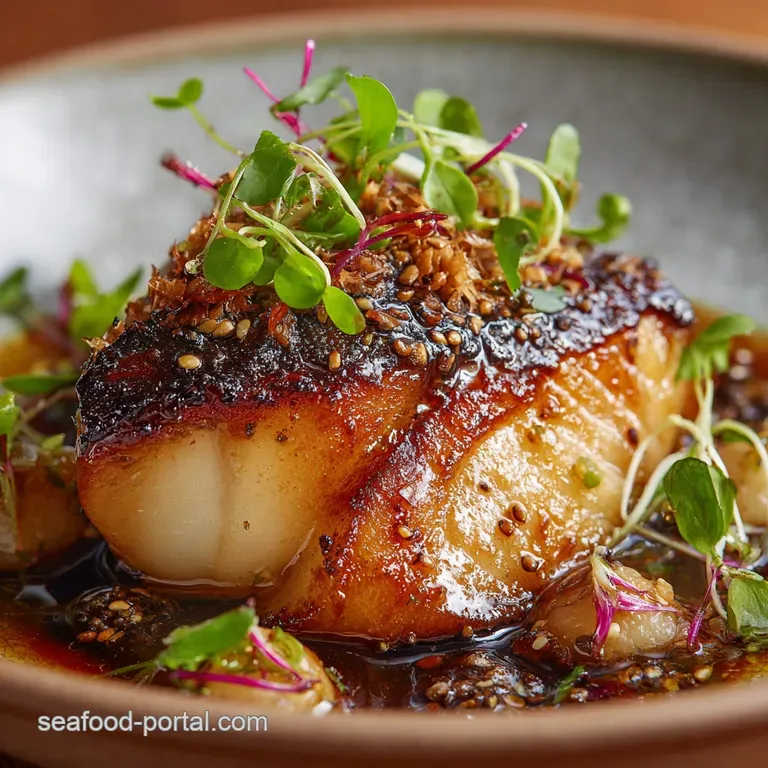
- Unlocking Umami: The Secret to Restaurant-Quality Fish at Home
- Beyond Nobu: The True History of Saikyo Miso Cod
- The Arsenal: Essential Ingredients for Sublime MisoMarinated Black Cod
- Prep Work Power: Tools and Techniques for Flawless Execution
- The Precision Cook: Achieving That Signature Golden Char
- Step-by-Step Guide to Baking and Broiling MisoMarinated Black Cod
- FAQs and Troubleshooting: Mastering the Miso Glaze
- Serving Suggestions and Complementary Sides
- Recipe FAQs
- 📝 Recipe Card
Unlocking Umami: The Secret to Restaurant Quality Fish at Home
Few dishes convey such an immediate sense of elegance and luxury as perfectly prepared MisoMarinated Black Cod . Often known by its global moniker, this preparation transforms the humble cod fillet into a buttery, melt-in-your mouth experience defined by the rich, complex depth of fermented soybean paste.
The sheer richness of the fish paired with the sweet, salty, and profoundly savory marinade creates a dazzling contrast. This isn't just a Miso Cod Recipe; it’s a masterclass in achieving the elusive fifth taste umami right in your own kitchen.
While many believe this dish is confined to high end Japanese establishments, the process itself is surprisingly straightforward, relying more on patience during the marinating stage than technical skill during cooking.
If you can handle a whisk and an oven, you are ready to produce a Miso Glazed Cod that rivals the best restaurants.
Beyond Nobu: The True History of Saikyo Miso Cod
While Chef Nobu Matsuhisa’s interpretation rocketed the dish to global fame in the late 1990s, cementing the Miso Cod Recipe Nobu association in the minds of diners worldwide, the technique itself is rooted deeply in traditional Japanese cuisine.
The preparation, specifically using sweet white miso, is known as saikyo yaki or saikyo zuke . This method originated centuries ago in Kyoto, where Saikyo miso was first developed. Historically, fish was preserved in the paste, not just for flavor, but for longevity.
Our modern interpretation focuses on maximizing flavor penetration, using the miso mixture to create an incredibly sophisticated, caramelized coating that adheres perfectly to fatty fish.
This timeless preparation, resulting in the iconic Miso Marinated Cod , proves that simple, quality ingredients are always the foundation of great cooking.
Why Black Cod (Sablefish) is the Ideal Choice for Marinating
The secret to why this Black Cod Recipe is so inherently successful lies entirely in the choice of fish. Black Cod, also known as Sablefish, possesses an exceptionally high oil content higher than most other white fish and even some salmon species.
This inherent richness acts as a safeguard. The oils protect the flesh from drying out under the necessary high heat required for caramelizing the sugary miso glaze. On top of that,, the fat content allows the powerful flavors of the marinade to penetrate deeper, ensuring every flake of the finished MisoMarinated Black Cod is succulent, buttery, and bursting with umami.
While lean fish like Halibut can be substituted, they simply cannot match the buttery, flaky texture sablefish provides.
Decoding the Perfect Umami Balance in the Saikyo Marinade
The genius of the marinade is its perfect counterpoint between sweetness and salinity, achieved through precise ratios. We utilize roughly one cup (240g) of Saikyo Miso the primary source of umami and salt balanced precisely with 3 tablespoons (45g) of granulated sugar.
The liquids, ¼ cup (60ml) of Japanese Sake and ¼ cup (60ml) of genuine Mirin (sweet rice wine), serve two purposes: they dilute the thick miso paste into a workable medium and introduce complementary sweetness and aromatic complexity.
It is the combination of these simple components, slightly reduced on the stovetop and fully cooled before application, that creates the foundation for truly unforgettable flavor in this Miso Cod Recipe .
The Crucial Difference: Saikyo Miso vs. Standard White Miso
If you are pursuing an authentic, gold standard finish for your Miso Marinated Black Cod , the type of miso you use is non-negotiable. Saikyo miso is a specific type of sweet white miso that ferments for a significantly shorter period than standard yellow or red varieties.
This short fermentation results in a much lower sodium content and a higher sugar content, lending the paste a delicate sweetness and a pale, creamy color. Standard white miso (often called shiro miso) is saltier and earthier, lacking the refined lightness necessary for the subtle, elegant flavor profile required here.
Saikyo miso ensures that when the glaze caramelizes, it achieves a deep golden hue without becoming overwhelmingly salty or bitter.
Marination Time: How Long is Too Long for Perfect Texture?
Marinating is the passive, yet most critical, stage of this entire process. We recommend a minimum of 24 hours to allow the intense flavors to penetrate the dense, oily flesh of the Black Cod fillets (approximately four 5 6 oz portions).
Ideally, the fish should steep in the mixture for 48 hours. This extended period ensures maximum flavor infusion, contributing to the famous profile of the Miso Black Cod Recipe . Unlike citrus based marinades that "cook" delicate proteins, this miso blend is gentle.
While some recipes suggest 72 hours, 48 hours is the sweet spot; extending much past this point offers diminishing returns and increases the risk of the fish becoming overly firm or excessively salty, though this is rare with Saikyo miso's lower sodium content.
The Arsenal: Essential Ingredients for Sublime MisoMarinated Black Cod
Crafting sublime MisoMarinated Black Cod requires starting with impeccable raw materials. For the marinade, you will need 1 cup of high-quality Saikyo Miso Paste, ¼ cup of drinking grade Sake, ¼ cup of genuine Mirin, and 3 tablespoons of granulated or light brown sugar.
When purchasing the fish, look for four 5 6 oz fillets of Black Cod (Sablefish), which can be purchased skin-on or skin off according to your preference. Finally, you will require a neutral oil, such as grapeseed or canola, to lightly grease your cooking surface, ensuring the precious Miso Glazed Cod doesn't stick during its intense final broil.
Prep Work Power: Tools and Techniques for Flawless Execution
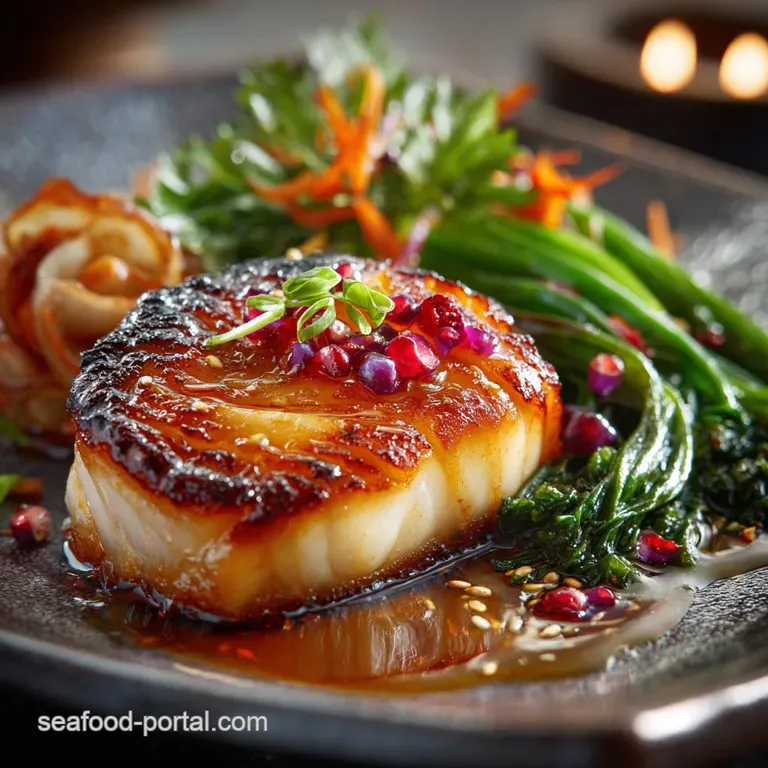
Before the fish even meets the miso, proper preparation dictates success. This initial stage involves not only selecting the right ingredients but utilizing the correct techniques to maximize flavor adhesion.
Selecting Your Fish: Fresh vs. Frozen Sablefish Quality
When searching for the perfect fillets, whether in a specialty market or perhaps finding a great deal on Miso Marinated Black Cod Costco style, quality is paramount.
Black Cod is often sold frozen, and modern flash freezing techniques preserve the texture and high omega-3 content remarkably well. If buying frozen, ensure the package states "previously frozen" or specifies sustainable sourcing.
If selecting fresh fillets, look for a uniform color the flesh should be creamy white and glossy, never dull or yellowish. Regardless of its initial state, ensure the fillets are thawed completely and kept chilled until ready for their miso bath.
The Saikyo Marinade Formula: Sugar, Sake, and Mirin Ratios
The marinade requires a brief cooking stage to marry the flavors and concentrate the liquids. The process starts by combining the ¼ cup each of Sake and Mirin in a non-reactive saucepan and bringing them to a rapid boil.
This action reduces the volume by about one-third, intensifying the flavors and burning off the alcohol, which helps the marinade adhere better later. After removing from the heat, the 3 tablespoons of sugar are whisked in until fully dissolved.
Crucially, the mixture must be allowed to cool completely to room temperature before the Miso paste is added. Introducing the miso to hot liquid risks ruining its delicate flavor profile and could prematurely cook the cod’s surface protein.
Must Have Kitchen Gadgets for Optimal Glazing
While this preparation is low-tech, a few essential tools make the job foolproof. You will need a medium non-reactive saucepan for creating the marinade, a sturdy whisk to ensure a lump free mixture, and a shallow, sealable container large enough to completely submerge the four Black Cod fillets during their 24 48 hour slumber.
For the final cook, the essential equipment includes a baking sheet lined with non-stick foil or parchment paper and, most importantly, a functional broiler (grill) element in your oven, which is key to achieving that signature caramelized, golden brown crust on the Miso Marinated Cod .
Preparing the Cod Fillets for Maximum Marinade Absorption
A fundamental mistake is putting wet fish into the marinade. Before coating, every single fillet must be patted meticulously dry with paper towels. Excess moisture creates a barrier, preventing the thick, rich miso paste from bonding effectively to the surface of the fish.
Once dry, place the fillets into the container and pour the cooled marinade over them, ensuring they are completely submerged or generously coated on all sides. Tight refrigeration for a minimum of 24 hours does the rest of the work.
Related Recipes Worth Trying
- Blackened Shrimp Tacos Recipe Quick Easy Zesty CilantroLime Slaw — Forget fussy recipes These easy shrimp tacos deliver big blackened flavour and a refreshing crunch thanks to the creamy cilantrolime slaw Quick shrimp...
- Foolproof Crispy Fried Cod Double Dredge for Flaky Fillets — Achieve chip shop crispness at home Our foolproof double dredge guarantees unbelievably crispy fried cod fillets that stay flaky inside Perfect easy fish dinner
- Perfect Blackened Tilapia Recipe Flavourful Cajun Crust — Ditch bland fish This easy Blackened Tilapia Recipe delivers a fiery authentic Cajun crust in under 20 minutes using a castiron skillet Get the best way to...
The Precision Cook: Achieving That Signature Golden Char
The cooking phase of the Miso Marinated Black Cod is quick, intense, and demands attention. Because the marinade contains high levels of sugar from the Mirin and added granulated sugar, it is extremely prone to burning.
This requires a two-step cooking process that utilizes both high heat baking and a brief, scorching broil to ensure the fish cooks evenly through its thickest part before the surface transforms into the deep, mahogany colored Miso Glazed Cod we seek.
Total cooking time, excluding marinating, is approximately 10 to 12 minutes.
step-by-step Guide to Baking and Broiling MisoMarinated Black Cod
Achieving the perfect, flaky interior and beautifully charred exterior is about temperature control and timing.
Safely Wiping Down the Marinade Before Cooking
This is arguably the most vital step before the fish enters the oven. When you retrieve the fillets from the refrigerator, gently scrape the vast majority of the clinging marinade back into the container. Do not rinse the fish, but remove the thick layer.
Leaving too much miso paste on the fish will guarantee instant burning and a bitter crust under the broiler, ruining your exquisite MisoMarinated Black Cod .
Temperature Control: Why a Hot Oven is Your Friend
Preheat your oven to a high setting— 400° F ( 200° C). While the broiler will finish the dish, starting at a high baking temperature ensures the fish begins to cook through quickly, minimizing the total time required under the broiler.
Place the scraped, lightly oiled cod fillets skin side down (if applicable) on your prepared baking sheet. An initial bake of 4– 6 minutes helps set the proteins and begin the cooking process gently.
The Broiler Method: Monitoring for the Perfect Glaze (Not Burn)
After the initial bake, move the baking sheet to the upper rack, about 6 8 inches (15 20 cm) from the high broiler element. Cook for 3– 6 minutes, watching constantly —and I mean constantly.
The high sugar content means the transformation from bubbling, golden glaze to scorched bitterness happens in seconds. The surface should bubble, darken, and caramelize to that rich, glossy brown. This crucial step creates the perfect texture for the Miso Cod Recipe .
Achieving Flaky Perfection: The Internal Temperature Check
The Miso Black Cod is ready when the thickest part flakes effortlessly with a fork. For precise results, use a probe thermometer; the internal temperature should reach 145° F ( 63° C).
Immediately remove the fish from the intense heat and serve while the glaze is still sticky and shining.
FAQs and Troubleshooting: Mastering the Miso Glaze
Many home cooks have questions when tackling the Miso Marinated Black Cod for the first time, particularly concerning the high heat finish.
Storing Leftovers and Reheating Without Drying Out
If you have leftover Miso Marinated Black Cod , store it in an airtight container in the refrigerator for up to two days. Reheating white fish can be tricky, as it tends to dry out easily.
To retain moisture, gently reheat the cod in a preheated oven set at a low temperature, around 275° F ( 135° C), covered loosely with foil. A short, slow reheat about 5– 7 minutes is far superior to microwaving.
Why Did My Marinade Burn Instantly? (Common Errors)
Instant burning almost always stems from two critical errors: insufficient scraping and/or placing the fish too close to the heat source. If the layer of miso paste is too thick, the sugars on the surface will carbonize long before the fish has time to cook through.
Remember to gently scrape off the excess marinade and ensure the rack is placed 6 8 inches below the broiler element. Also, using non-Saikyo miso often results in a saltier, darker paste that burns more easily.
For an elevated presentation, some prepare Miso Marinated Black Cod Wrapped In Hoba Leaf ; the leaf protects the glaze from direct heat, preventing burning, but this adds complexity.
Health Benefits: Nutritional Snapshot of Black Cod
Beyond being incredibly delicious, Black Cod is highly nutritious. It is an excellent source of lean protein (around 35g per 5.5 oz serving) and is renowned for its very high levels of Omega-3 fatty acids, which are beneficial for heart and cognitive health.
While the marinade adds some carbohydrates (around 10g per serving) from the sugars and mirin, the inherent nutritional density of the sablefish makes this a strong choice. Sodium is slightly higher than usual due to the miso paste, but the benefits of the fatty fish outweigh this for most diners.
Advanced Variations: Adding Ginger or Citrus Zest to the Marinade
While the classic Miso Black Cod Recipe is perfect in its purity, adventurous cooks can introduce subtle aromatic complexities. After the marinade has fully cooled, try whisking in one tablespoon of fresh Yuzu juice and the zest of half a Yuzu (or a lemon/lime for an accessible alternative).
This adds a bright, slightly tart lift that cuts through the richness of the sablefish. Alternatively, a teaspoon of grated fresh ginger can be incorporated to give the final Miso Glazed Cod a warm, spicy finish.
Serving Suggestions and Complementary Sides
The richness and profound flavor of MisoMarinated Black Cod demand simple, contrasting side dishes that cleanse the palate.
A small serving of perfectly steamed Japanese short grain rice is the ideal starch, as its neutral flavor and sticky texture help absorb any residual, savory glaze. For vegetables, choose simple, vibrant greens, such as quick wilted spinach, perfectly steamed green beans, or blanched bok choy, lightly dressed with a touch of sesame oil and nothing more.
Garnishes should be minimal: thinly sliced spring onions, a sprinkle of toasted sesame seeds, or a small mound of pickled ginger (gari) provide visual interest and an acidic break.
Storing Leftovers and Reheating Without Drying Out
As previously noted, when dealing with expensive fish like sablefish, ensure any leftovers are stored promptly in the refrigerator. To reheat, avoid high heat. A low and slow warming process, such as 5– 7 minutes in a 275° F ( 135° C) oven covered with foil, is your best bet for preserving the delicate texture of the Miso Marinated Black Cod .
Why Did My Marinade Burn Instantly? (Common Errors)
This common issue almost always relates back to two points: the necessity of scraping the thick excess paste off the fish before broiling, and ensuring the oven rack is low enough (6 8 inches) to allow the heat to caramelize the glaze gradually, rather than incinerating it instantly upon contact.
Health Benefits: Nutritional Snapshot of Black Cod
Black Cod is truly a premium protein choice, prized not just for its texture but its nutritional profile, particularly its high content of beneficial Omega-3 fatty acids, making this Black Cod Recipe a luxurious yet healthy main course.
Advanced Variations: Adding Ginger or Citrus Zest to the Marinade
To elevate your next preparation of this Miso Cod Recipe , consider integrating the zest of half a lime or the juice of one Yuzu, added right before the fish goes into the marinade.
This small twist provides a beautiful, aromatic counterpoint to the deeply savory sweetness of the Miso Glazed Cod.
Recipe FAQs
Crikey, Black Cod is pricey! Can I use another fish for this recipe?
Absolutely, though Black Cod (Sablefish) is the gold standard because its high oil content makes it incredibly forgiving and buttery. If you can’t source it, the next best bet is Chilean Sea Bass (Patagonian Toothfish), which shares a similar flaky, high fat texture.
You could also use Halibut, but be a bit more vigilant with the cooking time, as it’s leaner and can dry out quicker than a vicar’s sermon if you're not careful.
Does the Miso Marinated Black Cod really need 48 hours in the marinade, or can I get away with less time?
Patience, my friend, is key here! While 24 hours is the absolute minimum to achieve decent flavour penetration, 48 hours is truly the sweet spot for the best results. The sugars and umami need time to work their magic and truly integrate into the fish fibres, giving you that melt-in-the-mouth texture and deep flavour profile.
Think of it as leaving a fine wine to age it's worth the wait.
Help! My glaze always burns under the grill. What’s the secret to that perfect mahogany char?
Ah, the classic culinary tightrope walk! The secret lies in the scrape before broiling, gently scrape off most of the excess marinade clinging to the fish; too much residual sugar will incinerate instantly.
We recommend the two-step approach: start by baking it in a moderate oven for a few minutes to cook it through, and then flash broil (under the grill) on a high setting for the last few minutes, watching it like a hawk until it achieves that beautiful, dark glaze.
Blimey, this sounds salty. Is there a way to reduce the sodium content from the miso?
You’ve hit on a common concern! Miso, particularly in these quantities, naturally pushes the sodium level up. While you can look for low-sodium Saikyo miso, your best practical option is to slightly shorten the marinating time (aim for 24-36 hours) or pair the fish with unsalted accompaniments, like plain steamed rice and unseasoned vegetables.
Remember, though, the salt is crucial for curing and balancing the intense sweetness and umami of the dish.
If I have leftovers, how do I store and reheat this fancy fish without ruining it?
This dish is definitely at its crowning glory when served fresh, but if you have a bit left over, fear not. Store cooled fish in an airtight container in the fridge for up to two days.
When reheating, avoid the microwave if possible; instead, wrap the fillet loosely in foil and reheat gently in a low oven (around 150°C / 300°F) until just warmed through. This prevents it from drying out and maintains that lovely, buttery texture.
Silky Miso Marinated Black Cod Recipe
Ingredients:
Instructions:
Nutrition Facts:
| Calories | 375 kcal |
|---|---|
| Protein | 5.6 g |
| Fat | 4.9 g |
| Carbs | 44.1 g |
| Fiber | 2.1 g |
| Sodium | 660 mg |
